
Heavy lifting, pull-ups, and intense grip work leave your hands and forearms feeling incredibly tight. A dedicated hand massage ball offers a targeted, portable way to release myofascial tension, restore range of motion, and accelerate recovery right at your desk or in the gym. By applying focused pressure to the intricate muscles of the hand and the dense muscle bellies of the forearm, these compact tools help break up adhesions and improve local circulation.
Choosing the right recovery tool requires understanding how different materials, sizes, and textures interact with your soft tissue. Rather than relying on generic recovery advice, matching the tool to your specific training demands and physical feedback ensures you relieve tension without causing secondary irritation or nerve compression.
Understanding Hand and Forearm Tension After Lifting
Every heavy pulling movement, from deadlifts and rows to pull-ups and barbell curls, relies heavily on your grip strength. This constant isometric contraction places immense stress on the forearm flexors (located on the underside of your forearm) and the extensors (on the top side), as well as the intrinsic muscles of your palm. Over time, this repetitive strain leads to micro-tears and localized tightness, commonly experienced as a dull, aching sensation or a feeling of restricted wrist mobility.
Products mentioned in this guide
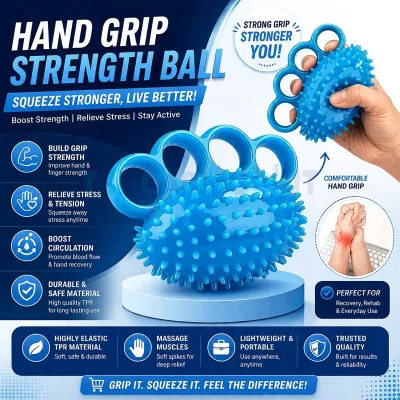
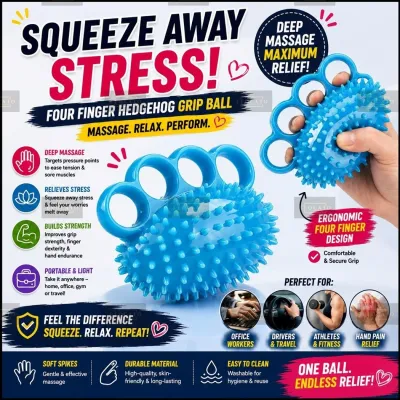
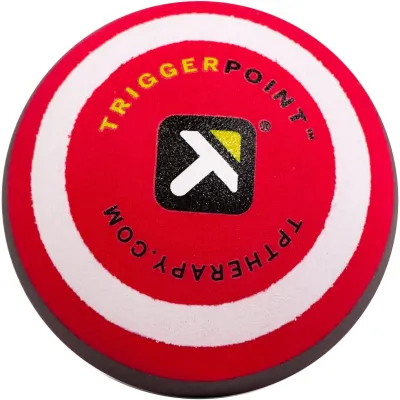
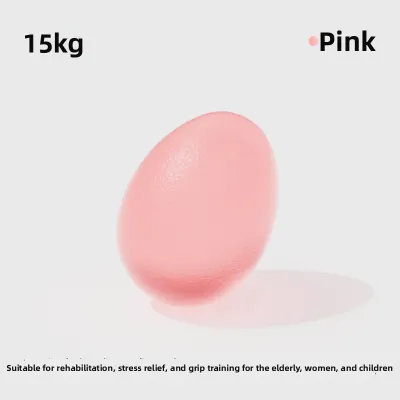
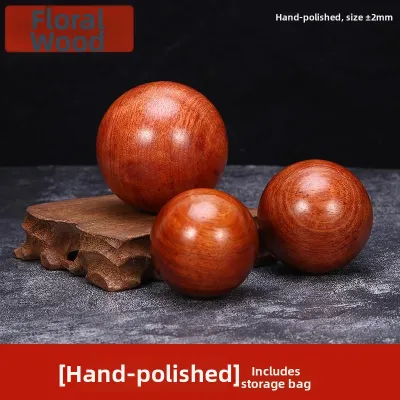
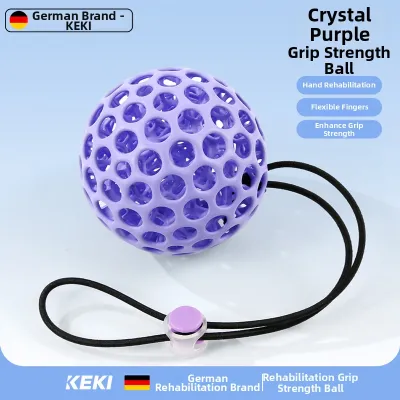
Prices are valid at publication and may change. Please refer to the product page for the latest price.
It is crucial to differentiate between normal delayed onset muscle soreness (DOMS) and actual joint or tendon strain. DOMS typically presents as a diffuse, bilateral ache in the muscle bellies that peaks 24 to 48 hours after a workout and gradually subsides. In contrast, tendon strain or joint inflammation often manifests as sharp, localized pain near the elbow (such as medial or lateral epicondylitis, commonly known as golfer’s or tennis elbow) or deep within the wrist joint. Massaging an inflamed tendon directly can exacerbate the injury, making it essential to target only the soft muscle tissue.
Furthermore, weightlifters must remain highly vigilant regarding signs of nerve compression. The forearm and wrist house major pathways like the median and ulnar nerves. If you experience persistent numbness, tingling, or “pins and needles” radiating down into your fingers, or a sudden loss of grip strength, these are clear indicators of nerve irritation rather than simple muscle tightness. In these scenarios, self-massage with a firm ball can worsen the compression; immediate rest and professional evaluation are required.
Key Features to Look for in a Hand Massage Ball
Selecting a hand massage ball requires a careful evaluation of its physical characteristics to ensure it matches your pain tolerance, muscle density, and recovery goals. The first and most critical factor is material density. Massage balls are typically crafted from foam, rubber, silicone, or hard plastics. High-density rubber or silicone balls offer minimal give, allowing you to penetrate deep into the dense muscle layers of the outer forearm. Conversely, softer foam or medium-density rubber options are far more forgiving, making them ideal for sensitive areas like the palm or for individuals who are new to myofascial release.

Surface texture plays a significant role in how the ball interacts with your skin and underlying fascia. Smooth balls glide easily over the skin, distributing pressure evenly across a wider surface area, which is excellent for broad sweeping strokes. Textured balls, featuring ridges, grooves, or spikes, create localized friction that helps “grip” the skin and superficial fascia. This gripping action allows for precise trigger point targeting, helping to release stubborn knots by preventing the ball from slipping away from the high-tension zone.
Size and ergonomic fit are equally vital when selecting a tool for hand and forearm work. A ball that is too large, such as a standard lacrosse ball, can be difficult to manipulate with a single hand and may prove too clumsy for the small muscle groups of the palm. A smaller diameter, typically between 4 to 6 centimeters, allows you to wrap your fingers comfortably around the ball, providing better control during active rolling. This compact size also makes it easier to pin the ball between your forearm and a flat surface, ensuring you can target specific pathways without losing your grip on the tool.
While basic rubber models are highly affordable, typically ranging from S$10 to S$25 in local fitness specialty shops, advanced vibrating options represent a larger investment. Evaluating your budget alongside your recovery frequency will help you decide whether a simple manual tool or a feature-rich electronic device is the right fit for your gym bag.
Best Types of Massage Balls for Grip and Forearm Relief
Not all recovery tools are created equal, and categorizing massage balls by their design helps you select the right instrument for your specific recovery phase. Depending on whether you need to address deep, localized knots, perform general muscle maintenance, or stimulate blood flow before a heavy lifting session, different ball types offer distinct advantages. Understanding these categories allows you to build a versatile recovery toolkit that adapts to your body’s changing needs.
Spiky and Textured Balls for Deep Tissue Trigger Points
Spiky and textured massage balls are specifically designed to address localized myofascial trigger points—commonly referred to as muscle knots. When you press a spiky ball into the fleshy part of your forearm flexors, the individual protrusions penetrate deep into the tissue, mimicking the targeted pressure of a massage therapist’s fingertips. This is highly effective for breaking up stubborn adhesions that accumulate from repetitive heavy gripping.
However, these textured surfaces come with distinct limitations. The concentrated pressure can easily irritate sensitive skin or cause superficial bruising if used too aggressively or on thin-skinned areas. To ensure safety, always check the product specifications for non-toxic, hypoallergenic, and phthalate-free material certifications, especially since your hands will be in direct, sweaty contact with the ball. Avoid using spiky balls over bony prominences or areas with visible veins.
Smooth and High-Density Balls for Broad Muscle Rolling
Smooth, high-density balls, such as those made from solid silicone or dense rubber, are the gold standard for broad muscle rolling and general myofascial sweeping. These tools excel at rolling out the entire length of the forearm belly and the wrist flexors. Because the surface is uniform, you can apply a continuous, sliding pressure along the muscle fibers, helping to flush out metabolic waste and restore sliding mechanics between muscle layers.
To use these effectively, you can easily adjust the applied pressure by using your body weight against a sturdy table, a wall, or even the floor. This versatility makes them highly adaptable; however, beginners should note the trade-off between firmness and comfort. A very hard, smooth ball can feel intensely painful if you apply too much weight too quickly. Starting with a slightly yielding rubber ball allows your nervous system to acclimate to the pressure before transitioning to ultra-firm options.
Thermal and Vibrating Balls for Enhanced Blood Flow
Thermal and vibrating massage balls represent the high-tech end of the recovery spectrum, utilizing temperature or mechanical oscillation to accelerate muscle relaxation. Applying heat to the forearm before rolling helps dilate blood vessels, increasing local circulation and making the collagen fibers in your fascia more pliable. Vibration, on the other hand, works by sensory distraction; the rapid oscillations stimulate mechanoreceptors in your skin and muscles, effectively overriding pain signals sent to the brain and allowing you to tolerate deeper pressure.
When choosing a vibrating or heated ball, it is essential to verify the manufacturer’s safety specifications, including battery life, charging safety standards, and built-in temperature limits to prevent skin burns. Look for devices with auto-shutoff timers to ensure they do not overheat during use. Additionally, be aware of contraindications: you should completely avoid using heat or vibration on acute injuries, swollen joints, or areas experiencing active inflammation, as this can worsen swelling and tissue damage.
Step-by-Step Forearm and Hand Rolling Techniques
To get the most out of your hand massage ball without causing accidental injury, you must follow a structured, controlled rolling routine. Begin by finding a stable, flat surface, such as a sturdy wooden desk, a gym bench, or a table. Sit comfortably with your shoulders relaxed and place the massage ball on the surface. Rest your forearm over the ball, starting near the wrist but well away from the sensitive carpal tunnel area on the palm side of your wrist.
Slowly glide your forearm forward and backward over the ball, allowing it to roll along the muscle belly toward the elbow. Keep your hand relaxed; clenching your fist during this process tightens the muscles, preventing the ball from penetrating the deeper tissue layers. When you encounter a particularly tender spot or “hot spot,” stop moving. Hold the ball in place and apply moderate, steady pressure. While maintaining this pressure, gently flex and extend your wrist or open and close your fingers to perform an active release, which helps slide the muscle fibers underneath the pressure point.
Modulating your pressure is critical to protecting your anatomy. Never roll directly over bones, such as the ulna or radius, and completely avoid the inner elbow area where major nerves run close to the surface. Keep the pressure at a level where you can maintain slow, deep breathing; if you find yourself tensing your jaw or holding your breath, the pressure is too intense and will cause your muscles to contract defensively.
For the palm of your hand, place the ball on the table and press your palm down onto it. Roll in small, circular motions around the fleshy base of the thumb (the thenar eminence) and the outer edge of the palm (the hypothenar eminence). These areas are heavily taxed during barbell work and benefit immensely from targeted pressure. Limit your recovery sessions to 30 to 60 seconds per specific muscle group, and perform this routine 2 to 3 times a week post-workout to maintain tissue elasticity without overworking the skin.
Safety Limits and When to Stop Massaging
While self-myofascial release is an excellent tool for post-workout recovery, it is not a cure-all and must be practiced with strict safety boundaries. The most important rule of self-massage is to listen to your body’s immediate feedback. Red flag symptoms that indicate you must stop massaging immediately include sudden numbness, sharp or shooting pains, a burning sensation, or persistent tingling. These symptoms suggest that you are compressing a nerve or aggravating an underlying structural issue.
There are several absolute contraindications where massage balls should never be used. Do not apply pressure to areas with acute sprains, ligament tears, open wounds, skin infections, or severe, localized swelling. If you suspect you have developed severe tendonitis or a repetitive strain injury like de Quervain’s tenosynovitis, aggressive rolling will only increase inflammation and delay the healing process.
If your hand or forearm pain persists for more than a few weeks despite rest and gentle stretching, or if you notice a progressive loss of grip strength and hand coordination, stop self-treatment entirely. In these cases, it is essential to consult a qualified physiotherapist or medical professional. They can provide an accurate diagnosis, assess your joint mechanics, and design a targeted rehabilitation plan that addresses the root cause of your discomfort.
Frequently Asked Questions (FAQ)
Can I use a standard tennis ball instead of a dedicated massage ball?
A standard tennis ball can serve as a decent entry-level alternative, but it has significant limitations compared to a dedicated massage ball. Tennis balls are designed with a hollow core and a felt cover, meaning they compress easily under moderate body weight. While this softer density is highly appropriate for beginners or for exceptionally sensitive areas, it lacks the structural integrity required to penetrate the dense, deep muscle bellies of the forearm. Furthermore, the felt surface can slip on smooth table surfaces, whereas rubber or silicone recovery balls provide the necessary grip to stay precisely positioned on target areas.
How do I clean and maintain my massage ball after sweaty gym sessions?
Maintaining proper hygiene for your massage ball is essential to prevent the buildup of bacteria, sweat, and skin oils, especially if you carry it in a gym bag. For solid rubber, silicone, or plastic balls, simply wash them with warm water and a mild, non-abrasive dish soap after use. Avoid harsh chemical solvents or boiling water, as these can degrade the material integrity over time. After washing, thoroughly wipe the ball with a clean towel and allow it to air dry completely in a well-ventilated area away from direct sunlight to prevent mold growth or material breakdown. For electronic or vibrating balls, always refer to the manufacturer’s instructions, typically using a damp, well-wrung microfiber cloth to wipe down the exterior while keeping moisture away from the charging port.
Community discussion
Share your experience or ask a question. Comments are reviewed before publication.