
Muay Thai training demands physical conditioning, and protecting your hands is paramount to staying active on the mats. Selecting the best hand wraps for Muay Thai training in Singapore requires balancing your current experience level with the unique challenges of training in a tropical, high-humidity environment. Hand wraps serve as the primary defensive barrier for the twenty-seven small bones, numerous ligaments, and delicate joints in your hands, absorbing repetitive impact forces while securing your wrists.
For practitioners in Singapore, where intense heat and humidity lead to heavy sweating, hand wraps also play a critical role in hygiene and gear longevity. They act as a sponge, soaking up moisture before it can saturate the inner lining of your boxing gloves, which is notoriously difficult to dry and prone to harboring bacteria. Choosing the right pair involves evaluating material composition, length, and how much support your current training volume demands.
Whether you are stepping onto the canvas for your very first trial class at a local gym or preparing for an amateur fight, your wrapping needs will evolve. Beginners generally require user-friendly options that establish consistent safety habits, while seasoned fighters need specialized support profiles to withstand maximum impact on the heavy bags and Thai pads. By matching your gear to your skill level and training intensity, you can minimize the risk of acute injuries and chronic strain.
Products mentioned in this guide
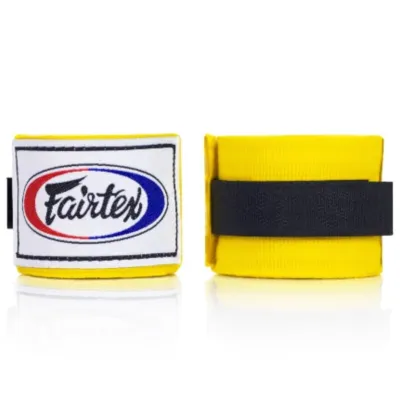
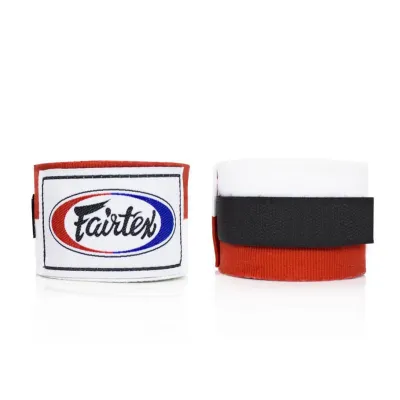
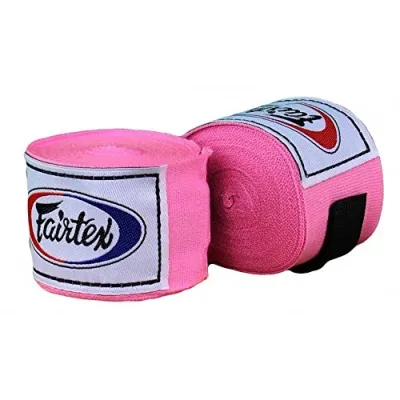
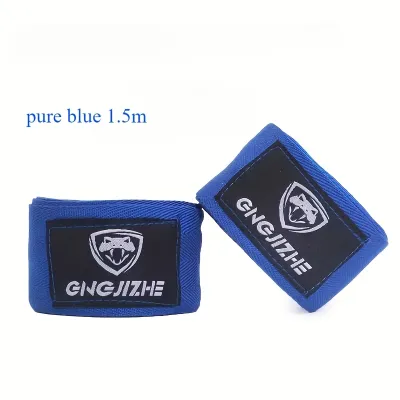
Prices are valid at publication and may change. Please refer to the product page for the latest price.
How Training Intensity and Experience Dictate Wrap Choice
As you progress in your Muay Thai journey, the physical demands placed on your hands and wrists increase. In your first few weeks, training typically focuses on technical drills, shadowboxing, and light pad work, where impact forces are relatively low. During this stage, your hands are still adapting to the mechanics of punching, making basic wrist alignment and knuckle protection the primary goals of your hand wraps.
Once you transition to intermediate training, the volume and power of your strikes rise significantly. You will spend more time executing high-velocity strikes against dense Thai pads and heavy bags, which do not yield easily upon impact. This repetitive deceleration puts immense stress on the wrist joints and the metacarpal bones, requiring a wrap that offers superior structural reinforcement to prevent hyperextension and micro-fractures.
For advanced practitioners and competitive fighters, training sessions involve high-intensity sparring and prolonged pad work where maximum power is generated. At this stage, a standard wrap may not suffice; advanced athletes require highly customized tension profiles and strategic layering to lock the wrist in place while cushioning the knuckles against extreme forces. The wrap must act as a rigid splint for the wrist while remaining flexible enough to allow a tight, natural fist inside the glove.
It is crucial to remember that hand wraps are a critical safety layer, not a mere cosmetic accessory, and they cannot replace proper striking technique. If you experience sharp pain, persistent soreness, or a tingling sensation in your hands during or after training, you must stop immediately, unwrap your hands, and evaluate your technique and wrapping tension. Always verify that your wraps are applied smoothly without folds that could create localized pressure points or restrict blood flow.
Core Materials: Comparing Hand Wraps for Muay Thai
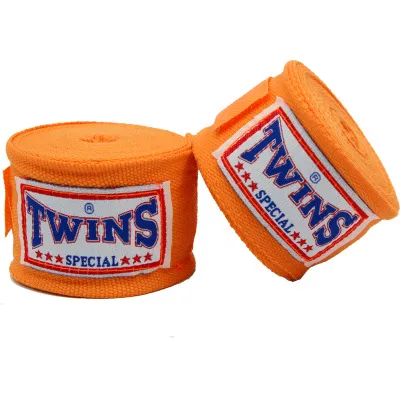
Understanding the differences between the primary types of hand wraps available on the market is essential for making an informed purchase. Traditional cotton wraps, often referred to as classic or rigid wraps, are made from one hundred percent woven cotton. These wraps offer substantial, unyielding support and are highly durable, but they require a precise wrapping technique because the material has zero stretch, meaning any mistake in tension can easily lead to a wrap that is either too loose or painfully tight.

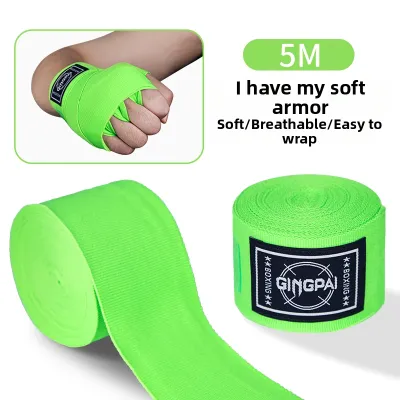
Elastic wraps, commonly known as Mexican-style wraps, are constructed from a blend of cotton and synthetic elastic fibers like spandex or polyester. This semi-stretch composition allows the wrap to contour naturally around the unique curves of your hand, knuckles, and wrist, providing a more secure and customized fit. They are generally easier for most practitioners to apply correctly because the slight elasticity accommodates minor wrapping errors and maintains consistent tension throughout your training session.
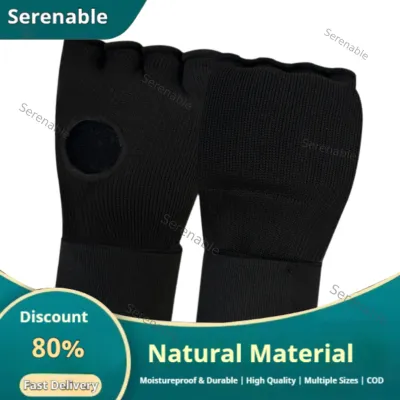
Quick wraps, or gel wraps, are slip-on gloves featuring integrated gel or foam padding over the knuckles, secured by a short elastic wrist strap. While they offer unmatched convenience and save valuable time before class, they do not provide the comprehensive, customized wrist and individual knuckle support of a traditional wrap. They are best suited for light cardio-kickboxing sessions or technical drills rather than heavy sparring or intense bag work.
When shopping for hand wraps, always check the product labels and manufacturer specifications for the exact material composition. Pure cotton behaves very differently from cotton-spandex or polyester-spandex blends, with the latter offering superior stretch and faster drying times—a key consideration in Singapore’s humid climate. If you have sensitive skin, look for hypoallergenic or highly breathable weave patterns to prevent friction burns and heat rashes during long training sessions.
Choosing the Right Wrap Type by Experience Level
Selecting the ideal hand wrap is not a one-size-fits-all decision; it should align directly with your current skill level, hand anatomy, and the frequency of your training sessions.
Beginners: Prioritizing Convenience and Basic Protection
For those who are new to Muay Thai, the primary objective is to build a consistent training habit while protecting the hands from early injuries. Beginners are highly encouraged to start with standard 180-inch semi-stretch wraps or, if time is extremely limited, high-quality quick wraps for light technical classes. Using a user-friendly wrap ensures that you do not skip wrapping your hands out of frustration or confusion before your workout begins.
When selecting your first pair of traditional wraps, look for specific design features that simplify the wrapping process. A wide, secure thumb loop is essential for anchoring the wrap correctly, while a prominent “This Side Down” or “This Side Up” print near the loop helps prevent the common mistake of wrapping the entire hand only to find the Velcro closure facing the wrong way at the wrist. Additionally, look for wide, high-quality Velcro closures that stay fastened even when saturated with sweat.
Verify that your beginner wraps are applied with moderate tension; they should feel snug like a firm bandage but should never cause your fingers to turn blue, cold, or tingly. If you choose quick wraps, ensure they fit snugly inside your boxing gloves without bunching up, as excess material can create painful pressure spots when you impact the pads.
Intermediate: Balancing Support and Flexibility
As an intermediate practitioner, your training volume on the heavy bags and Thai pads will demand a significant upgrade in structural support. At this stage, Mexican-style elastic wraps measuring 180 inches are highly recommended. The semi-stretch material allows you to apply a tighter, more contoured wrap that conforms precisely to your hand, providing superior wrist alignment and keeping your metacarpal bones tightly compressed during hard strikes.
The elasticity of these wraps allows for a more dynamic fit inside your boxing gloves, accommodating the natural expansion of your hand muscles as they pump with blood during intense training. However, intermediate users must exercise careful tension control when applying elastic wraps. Because the material stretches easily, it is common to wrap the hands too tightly, which can restrict blood circulation and lead to hand cramping or numbness midway through your session.
To find the perfect balance, practice wrapping your hands with consistent, moderate tension, paying extra attention to the wrist lock and the spaces between your fingers. Your wrap should feel like a cohesive unit that solidifies your hand into a solid block when you close your fist, while remaining comfortable and flexible when your hand is relaxed.
Advanced: Maximum Stability for Sparring and Competition
Advanced Muay Thai practitioners and active competitors require the highest level of hand protection to withstand the extreme forces of full-contact sparring and fight preparation. At this level, training involves repetitive, high-impact collisions that can easily cause chronic wrist strain or knuckle bruising if the hands are not perfectly supported. Advanced fighters typically rely on premium-grade, heavy-duty elastic wraps that offer specialized tension profiles and exceptional durability.
Many advanced athletes prefer wraps with a thicker weave or a specific cotton-to-elastane ratio that provides maximum stiffness at the wrist while maintaining a soft, protective layer over the knuckles. In competition scenarios, traditional hand wraps are often replaced by professional gauze and tape wraps applied by a trainer, which offer unparalleled rigidity and custom-molded protection. For daily high-volume training, however, a top-tier 180-inch elastic wrap remains the gold standard.
When wrapping for advanced training, focus on strategic layering: allocate extra passes around the wrist to create a rigid splint, and use a “cross-knuckle” wrapping technique to keep the knuckles separated and cushioned. Always inspect your wraps before high-intensity sessions to ensure the material has not lost its structural integrity or elasticity, as worn-out wraps cannot provide the necessary deceleration support during hard impacts.
Length Guide: When to Choose 120 vs. 180 Inches
Hand wraps generally come in two standard lengths: 120 inches (approximately 3 meters) and 180 inches (approximately 4.5 meters). Choosing the correct length is crucial because it directly determines how much material you have available to protect your wrists, knuckles, thumbs, and the spaces between your fingers. For the vast majority of adults, 180-inch wraps are the industry standard and the highly recommended choice for Muay Thai training.
The extra length of a 180-inch wrap allows you to perform multiple passes around your wrist to lock it in place, wrap each finger individually to prevent the bones from collapsing together, and build a thick, protective pad over your knuckles. This comprehensive coverage is essential for absorbing the heavy impact of kicks, knees, and punches characteristic of Muay Thai. Attempting to achieve this level of protection with a shorter wrap often forces you to compromise, leaving either your wrist or your knuckles under-protected.
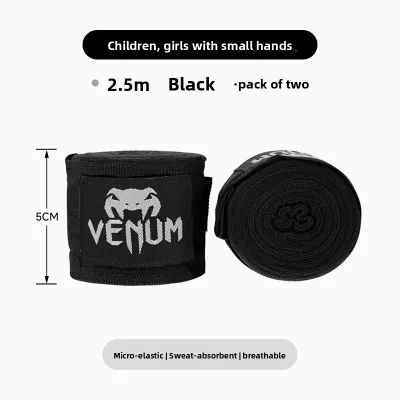
Conversely, 120-inch wraps are appropriate under specific, limited circumstances. They are ideal for youth practitioners, individuals with exceptionally small hands, or when using smaller, tight-fitting competition gloves (such as 8oz or 10oz fight gloves) where a thicker 180-inch wrap simply will not fit inside. Some practitioners who prefer a minimalist wrapping style that focuses solely on basic wrist support may also opt for the shorter length, though this is not recommended for heavy bag work.
Before purchasing, always check the manufacturer’s sizing guidelines and consider the size of the boxing gloves you train with. Larger gloves, such as 14oz or 16oz sparring gloves, have spacious hand compartments that easily accommodate the bulk of a 180-inch wrap. If you train with smaller 10oz or 12oz bag gloves, verify that your hands, when wrapped with a 180-inch wrap, can still slide into the gloves comfortably and allow you to make a complete, natural fist.
Sourcing Authentic Hand Wraps in Singapore
With the growing popularity of Muay Thai in Singapore, a wide variety of combat sports gear is available, but this has also led to an influx of counterfeit and low-quality products. To ensure your safety and get the best value for your money, it is highly recommended to purchase your hand wraps from established local martial arts specialty stores, official brand distributors, or reputable online marketplaces. Buying from trusted sources guarantees that the wraps are made from high-tensile materials that will not fail under stress.
When shopping in Singapore, you can visit physical martial arts retail outlets located in central shopping hubs or near major training academies, where you can physically feel the material thickness and elasticity before buying. If purchasing online, look for official brand flagship stores on major ecommerce platforms. Be highly skeptical of unusually low-priced listings on generic online marketplaces; counterfeit wraps often use cheap, non-breathable polyester blends that lack elasticity, fray quickly, and have weak Velcro closures that fail mid-workout.
To verify the authenticity of your hand wraps, inspect the stitching quality along the edges and around the thumb loop; authentic gear features clean, double-stitched seams with no loose threads. The brand logo should be securely stitched or cleanly printed, and the Velcro strip should feel stiff and offer a strong, aggressive grip. Additionally, genuine wraps are typically packaged with clear care instructions and material specifications, reflecting the manufacturer’s commitment to quality and safety.
Washing and Maintenance for Long-Lasting Wraps
Proper maintenance and hygiene are essential to extend the lifespan of your hand wraps and keep them smelling fresh, especially in Singapore’s hot and humid tropical climate. After every training session, never leave your wet wraps crumpled up inside your gym bag, as this dark, damp environment is the perfect breeding ground for mold, mildew, and foul-smelling bacteria. Instead, immediately hang them up to air out or place them in a breathable mesh pocket on the exterior of your bag.
When it comes to washing, always use a mesh laundry bag to prevent your wraps from tangling around the washing machine’s agitator or other clothing items, which can stretch out the fabric and ruin the Velcro. Secure the Velcro closures to their matching tabs before placing them in the bag to prevent them from snagging on the wrap material. Wash your wraps in cold water using a mild detergent on a gentle cycle; avoid fabric softeners, as they can leave a residue that reduces the sweat-wicking properties of the fabric.
Never put your hand wraps in a high-heat tumble dryer, as the extreme heat will warp and destroy the elastic fibers in Mexican-style wraps and cause the Velcro tabs to curl and lose their grip. Instead, hang them to dry in a well-ventilated indoor area or a shaded outdoor spot; avoid direct, harsh midday sunlight, which can degrade synthetic fibers over time. Once fully dry, roll your wraps tightly starting from the Velcro end, keeping them smooth and wrinkle-free so they are ready for quick, hassle-free application at your next training session.
Frequently Asked Questions (FAQ)
How often should I replace my Muay Thai hand wraps?
The lifespan of your hand wraps depends heavily on your training frequency, sweat volume, and how well you maintain them. On average, a high-quality pair of wraps used three to four times a week will last between three to six months before needing replacement. Over time, the constant tension, washing, and sweat exposure will inevitably degrade the material.
You should replace your wraps immediately if you observe key signs of wear, such as a complete loss of elasticity in Mexican-style wraps, fraying or thinning fabric along the edges, or Velcro that no longer stays securely fastened during training. Most importantly, if your wraps retain a persistent, sour odor even after being thoroughly washed and dried, it is time to discard them, as this indicates deeply embedded bacteria that can cause skin irritation or infections.
Is it safe to hit the heavy bag with just hand wraps and no gloves?
It is strongly advised not to hit a heavy bag using only hand wraps, as wraps are designed to align your joints and bones rather than absorb the heavy impact of a strike. While hand wraps provide crucial structural support to prevent your wrist from bending, they lack the thick foam padding required to decelerate your hand safely upon hitting a dense, unyielding heavy bag.
Striking a heavy bag with wraps alone can lead to severe skin abrasions, knuckle bruising, and joint hyperextension, and it significantly increases the risk of micro-fractures in the delicate bones of your hand. The only exception is performing extremely light, slow-tempo technical drills or touch-contact shadowboxing under the direct supervision of a qualified Muay Thai instructor. For all standard bag work and pad training, always wear properly fitted boxing or bag gloves over your hand wraps.
Community discussion
Share your experience or ask a question. Comments are reviewed before publication.