
Selecting the best Harbinger knee or ankle brace for weightlifting and gym training depends on finding the correct balance between mechanical stability and joint mobility. For heavy, linear compound lifts like squats and deadlifts, thick neoprene knee sleeves and structured lace-up ankle braces provide the compression and structural support needed to manage heavy loads safely. Conversely, dynamic functional training and high-intensity accessory work require low-profile, flexible sleeves that support natural joint mechanics without restricting movement. Matching the specific brace to your training style, joint history, and the humid climate conditions of your gym environment ensures optimal protection and performance.
How to Match Harbinger Braces to Your Training Needs
Understanding the fundamental difference between compression gear and mechanical support gear is the first step in selecting the right joint protection. Compression gear, such as standard pull-on sleeves, relies on elastic materials to apply continuous, uniform pressure around the joint. This compression increases local blood flow, keeps the joint warm, and enhances proprioception—the body’s natural ability to sense joint position and movement. Mechanical support gear, which includes wraps, straps, and lace-up braces, uses non-elastic fabrics, rigid stays, or adjustable tension systems to physically limit specific ranges of motion. While compression sleeves are excellent for joint maintenance and general stability, mechanical supports are designed to prevent joint deviation and protect compromised ligaments under extreme loads.
Mapping these support levels to your specific gym activities prevents both under-protection and unnecessary movement restriction. Heavy compound lifts, such as barbell squats, deadlifts, and overhead presses, subject the lower-body joints to massive axial loads. These exercises demand high-level stability, making thick compression sleeves or heavy-duty wraps highly beneficial. On the other hand, dynamic functional training, plyometrics, and agility-based accessory work involve rapid changes of direction and high-frequency joint flexion. For these movements, highly rigid mechanical supports can alter your natural biomechanics, forcing adjacent joints to compensate and potentially increasing the risk of injury elsewhere in the kinetic chain.
Products mentioned in this guide
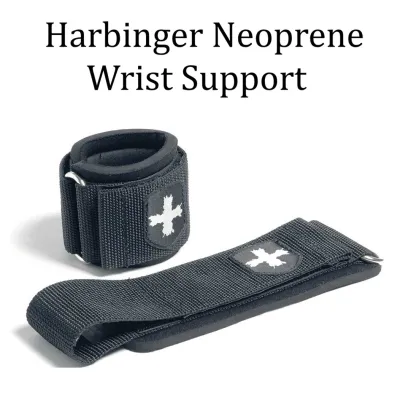
Prices are valid at publication and may change. Please refer to the product page for the latest price.
Before purchasing any protective gear, it is critical to consult the manufacturer’s intended use specifications on the product label. Do not assume that all braces are rated for maximal heavy lifting or that a high-stability brace is automatically suitable for dynamic sports. Some braces are designed strictly for post-injury rehabilitation and light daily activities, while others are engineered specifically to withstand the high-velocity forces of Olympic weightlifting. Using a brace outside its designated parameters can lead to premature material failure, compromised joint safety, and a false sense of security while under a heavy barbell.
Assessing your personal needs requires a careful evaluation of your joint history, current discomfort levels, and the specific range of motion required for your daily workout. If you are recovering from a diagnosed ligament sprain, your joint may require the physical boundary of a structured lace-up or wrap-around brace to prevent lateral shifting. However, if your goal is simply to manage mild stiffness or chronic tendonitis during deep squats, a flexible neoprene sleeve that preserves full joint flexion is usually the more appropriate choice. Always align the structural rigidity of the gear with the physical demands of your training session to maintain optimal joint health.
Choosing the Right Harbinger Knee Supports for Lifting
Knee joints bear the brunt of the load during lower-body gym training, making them highly susceptible to strain and overuse. Harbinger offers distinct categories of knee supports designed to address different levels of lifting intensity and joint requirements.

Neoprene Knee Sleeves for Compression and Warmth
Neoprene knee sleeves are a staple in weightlifting due to their ability to retain therapeutic heat and provide consistent compression. During heavy squats, clean-and-jerks, or leg presses, the constant pressure of a 5mm or 7mm neoprene sleeve increases blood flow to the surrounding connective tissues. This elevated temperature keeps the joint lubricated, reducing the friction and stiffness often felt during the initial warm-up sets. Additionally, the tight fit of the sleeve provides immediate sensory feedback, allowing you to maintain better alignment and control throughout the entire range of motion.
It is important to recognize that while neoprene sleeves excel at joint maintenance, they do not offer mechanical stopping power. They are not equipped with rigid hinges or non-elastic straps to physically prevent the knee from collapsing inward under a heavy load. If you suffer from severe ligament instability, such as a compromised ACL or MCL, a simple compression sleeve cannot replace the structural support of a medical-grade orthotic. Neoprene sleeves should be viewed as a preventative tool to support healthy joints, rather than a treatment for structural knee damage.
In Singapore’s warm and humid climate, material considerations become highly significant when choosing and wearing neoprene gear. Neoprene is an excellent insulator, which means it traps sweat against the skin rapidly during intense gym sessions. This moisture buildup can lead to skin chafing, slipping of the sleeve, and the rapid growth of odor-causing bacteria. To manage this, look for sleeves that incorporate textured inner linings to reduce slipping, and ensure you remove the sleeves immediately after your workout to allow both your skin and the material to dry.
Wrap-Around and Strap Knee Braces for Adjustable Stability
Wrap-around and strap knee braces offer a level of customizable tension that standard pull-on sleeves cannot match. For lifters dealing with patellar tracking issues or localized tendonitis, an adjustable strap allows you to apply targeted pressure directly to the patellar tendon. This focused compression helps stabilize the kneecap within its natural groove, reducing the shearing forces that cause discomfort during repetitive knee flexion. The ability to tighten or loosen the brace between sets ensures you get maximum support when lifting, without sacrificing circulation during rest periods.
One of the primary practical advantages of a wrap-around design is the ease of application and adjustment. Pull-on sleeves require you to remove your training shoes and slide the tight material up your calf, which can be incredibly tedious mid-workout. Wrap-around braces can be applied, adjusted, and removed in seconds without disturbing your footwear. This convenience makes them highly practical for mixed-modality workouts where you only require knee support during specific heavy lifting segments and prefer bare joints for the remainder of the session.
When using adjustable wrap-around braces, you must carefully monitor the range of motion limits imposed by the straps. Over-tightening a wrap can restrict the knee flexion required to hit proper depth in a squat or lunge, forcing your lower back or hips to round excessively to compensate. Ensure that the brace is secured tightly enough to provide stability, but not to the extent that it alters your natural lifting mechanics. If you cannot reach your target depth comfortably without feeling a hard stop from the brace, loosen the straps slightly to restore safe movement patterns.
Selecting Harbinger Ankle Braces for Stability and Mobility
Ankle stability is the foundation of all standing lifts, directly influencing your knee alignment and overall power transfer. Balancing the need for rigid lateral support with the fluid forward flexion required for lifting is key to choosing the right ankle gear.
Lace-Up and Strap Ankle Supports for Heavy Lifts
Lace-up ankle supports equipped with figure-eight straps offer the highest level of mechanical stability available for gym training. These designs function similarly to professional athletic taping, locking the heel in place and physically restricting inversion and eversion. By limiting these lateral movements, the brace protects the delicate lateral ligaments of the ankle from rolling or spraining under sudden shifts in weight. This rigid structure is highly beneficial for lifters recovering from chronic ankle instability or previous high-grade sprains.
These high-stability supports are best utilized during heavy, static lower-body lifts where lateral movement must be completely eliminated. Exercises like sumo deadlifts, heavy leg presses, and wide-stance barbell squats place immense lateral pressure on the feet and ankles. In these scenarios, dynamic lateral agility is not required, making the rigid, protective boundary of a lace-up brace an excellent safeguard against joint deviation. The structural reinforcement allows you to drive force directly into the platform without worrying about micro-instabilities in the ankle joint.
However, this extreme lateral stability comes with a notable trade-off in ankle dorsiflexion—the ability to bend your foot upward toward your shin. Proper dorsiflexion is critical for maintaining an upright torso during Olympic lifts and deep front squats. If a lace-up brace is tied too tightly, it can restrict this forward knee travel, causing your heels to lift off the floor or your torso to lean excessively forward. To mitigate this, adjust the tension of the laces to allow for necessary forward flexion while keeping the lateral figure-eight straps secure.
Low-Profile Ankle Sleeves for Dynamic Gym Movements
For dynamic gym workouts, functional fitness, and plyometrics, low-profile ankle sleeves are the preferred choice. These lightweight, elasticated sleeves provide mild compression and joint warmth without the bulky, restrictive hardware of lace-up models. They allow the ankle to move freely through its full, natural range of motion, which is essential for exercises like box jumps, lateral lunges, and jump rope. The compression helps manage minor swelling and increases proprioceptive feedback, helping you feel more grounded and stable during rapid footwork.
Because these sleeves do not contain rigid stays or non-elastic straps, they offer minimal protection against high-force rolling or inversion injuries. Their primary function is to support the joint’s natural recovery processes, improve circulation, and provide a mild psychological sense of security. If you are performing high-repetition accessory work or moderate-intensity cardio, a low-profile sleeve offers the perfect compromise, keeping the joint warm and supported without hindering your natural agility.
When selecting a low-profile ankle sleeve, it is essential to check the material thickness to ensure compatibility with your gym footwear. A sleeve that is too thick can crowd your weightlifting or cross-training shoes, pinching your foot, restricting blood flow, and altering the shoe’s intended fit. Look for thin, moisture-wicking knit fabrics that slide easily into your standard training shoes. This ensures you receive the benefits of compression without creating uncomfortable pressure points that could ruin your training focus.
Quick Comparison of Harbinger Support Features
Every increase in mechanical joint support carries a corresponding reduction in natural joint mobility. Selecting the right gear requires identifying which factor is more critical for your specific training style.
| Gear Type | Primary Benefit | Best For (Exercise Type) | Support Level | Mobility Impact |
|---|---|---|---|---|
| Neoprene Knee Sleeve | Joint warmth, compression, and proprioception | Squats, Olympic lifts, leg presses | Mild to Moderate | Minimal restriction of joint flexion |
| Wrap-Around Knee Strap | Customizable tension and targeted patellar tracking | Accessory lifts, lunges, leg extensions | Moderate | Moderate restriction depending on tightness |
| Lace-Up Ankle Support | Maximum lateral stability; prevents ankle rolling | Sumo deadlifts, heavy leg presses, static lifts | High | High restriction of lateral and forward movement |
| Low-Profile Ankle Sleeve | Lightweight compression and swelling management | Plyometrics, functional fitness, jump rope | Mild | No restriction of natural joint movement |
As demonstrated in the comparison above, choosing the correct gear is a matter of matching the support level to the movement demands of your workout. High-stability options like lace-up ankle supports are invaluable for protecting vulnerable joints during heavy, predictable lifts, but they will hinder your performance in dynamic, multi-directional workouts. Conversely, lightweight sleeves offer the freedom of movement required for agility work but will not provide sufficient structural reinforcement under maximal loads. Assess your daily training goals and select the gear type that aligns with those specific movement patterns.
Sizing, Safety, and Care Before You Lift
To ensure your protective gear functions effectively and lasts for years, you must pay close attention to sizing accuracy, safety boundaries, and proper maintenance protocols.
Sizing and Fitting
Using an improperly sized brace can compromise your joint safety and diminish the benefits of the support. A brace that is too loose will slip down during movement, failing to provide consistent compression or stability. Conversely, a brace that is too tight can restrict blood flow, cause muscle cramping, and pinch sensitive nerves. To find your correct size, use a flexible tape measure to measure the exact circumference of your joint according to Harbinger’s specific size charts. For knee supports, this typically involves measuring around the center of your patella with your leg slightly bent; for ankle supports, measure around the narrowest part of your ankle just above the ankle bone. Do not guess your size based on your clothing or shoe size, as athletic gear sizing is highly specific to joint dimensions.
Safety Boundaries and Limits
It is vital to understand that knee and ankle braces are designed to support joints, not to cure underlying structural injuries. Wearing a brace to mask sharp, stabbing, or worsening pain so you can continue lifting is highly dangerous and can lead to severe, long-term joint damage. If you experience acute pain, swelling, or joint instability during an exercise, stop the movement immediately, remove the weight, and consult a qualified healthcare professional. Protective gear should be used as a tool to aid recovery and protect healthy joints under load, never as a bypass for proper medical diagnosis and rehabilitation.
Care and Hygiene in Humid Climates
Singapore’s tropical humidity makes regular cleaning of your gym gear essential to prevent bacterial growth and material degradation. Sweat, body oils, and chalk can quickly build up in the fibers of neoprene and fabric braces, leading to unpleasant odors and skin irritation. To clean your gear, hand wash it in cool water using a mild, pH-neutral detergent, ensuring you rinse out all soap residue thoroughly. Avoid using bleach, fabric softeners, or harsh chemicals, as these will break down the elastic fibers and ruin the structural integrity of the material.
After washing, always air dry your braces completely in a well-ventilated indoor area away from direct sunlight. Never place neoprene or elasticated supports in a mechanical clothes dryer, as the high heat will warp the material, melt rubber components, and permanently destroy the brace’s compressive properties. Ensuring your gear is completely dry before placing it in your gym bag will prevent the growth of mildew and extend the lifespan of your investment.
Frequently Asked Questions (FAQ)
Can I wear Harbinger knee sleeves for running or cardio?
Heavy-duty neoprene lifting sleeves are generally unsuitable for prolonged running or high-intensity cardio workouts. Because these sleeves are designed to retain heat and provide stiff compression for lifting, wearing them during repetitive, high-frequency cardiovascular exercise can lead to rapid overheating and excessive sweating. This trapped moisture, combined with the continuous friction of running, often results in severe skin chafing and irritation behind the knee. Additionally, the rigid compression can restrict natural blood flow during prolonged aerobic activity, leading to premature muscle fatigue and cramping. For running and cardio, opt for lightweight, highly breathable knit sleeves designed specifically for endurance sports.
How tight should a weightlifting knee brace be?
A weightlifting knee brace should feel snug, secure, and highly supportive, but it should never cut off your circulation or pinch your skin. When wearing a properly fitted sleeve or wrap, you should feel a firm, even pressure around the entire joint that gives you confidence during deep flexion. However, if you experience numbness, tingling, coldness in your toes, or visible skin discoloration below the knee, the brace is too tight and must be adjusted or resized immediately. A good rule of thumb is that you should be able to wear the support comfortably for the duration of a standard lifting set, but you may want to slide it down or loosen it during extended rest periods to allow optimal blood flow.
Do ankle braces weaken your ankle muscles over time?
Using an ankle brace does not automatically weaken your muscles, provided it is used correctly as a training aid rather than a permanent crutch. If you wear a highly rigid brace for every single activity, including light warm-ups and daily tasks, the muscles, tendons, and ligaments surrounding the joint may begin to rely on the external support, potentially leading to a decrease in natural stability over time. To prevent this dependency, reserve high-stability braces for your heaviest lifting sets or periods of active injury recovery. Combine the use of protective gear with dedicated ankle mobility work, balance training, and calf-strengthening exercises to ensure your joints remain strong, resilient, and capable of performing without external support.
Community discussion
Share your experience or ask a question. Comments are reviewed before publication.