
Running in Singapore means dealing with an average relative humidity that frequently exceeds 80% alongside temperatures hovering around 30°C or higher. In these intense tropical conditions, the best hydration vest setup is one that prioritizes maximum breathability, minimal body coverage, and highly accessible fluid storage. The optimal configuration typically involves a lightweight, open-mesh vest carrying two 500ml front soft flasks—one dedicated to plain water and the other to an electrolyte-rich sports drink—supplemented by a strategic plan for mid-run refills at public water points.
How Singapore's Heat and Humidity Impact Your Hydration Needs
In temperate climates, sweat evaporates quickly to cool the skin. In Singapore’s saturated air, sweat cannot evaporate efficiently; instead, it pools on your skin and drips off without providing the intended cooling effect. This inefficient thermoregulation causes your core temperature to rise rapidly, triggering a higher sweat rate as your body struggles to cool down.
This accelerated fluid loss means you cannot rely on thirst alone to guide your hydration. Dehydration can compromise your cardiovascular efficiency, making a standard pace feel significantly harder. You must transition from a reactive drinking mindset to a proactive, structured hydration schedule to maintain performance and safety.
Products mentioned in this guide
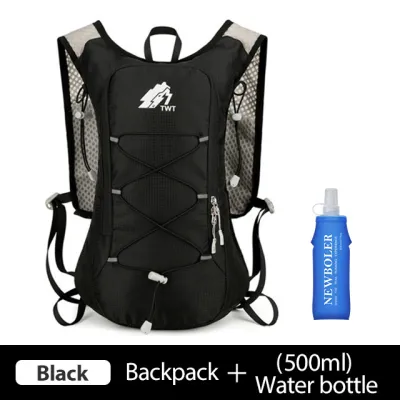
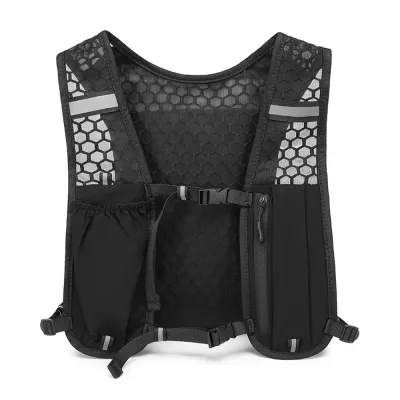
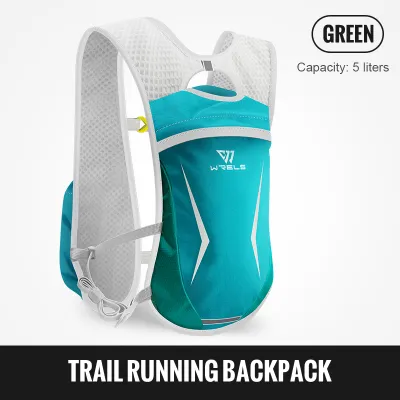
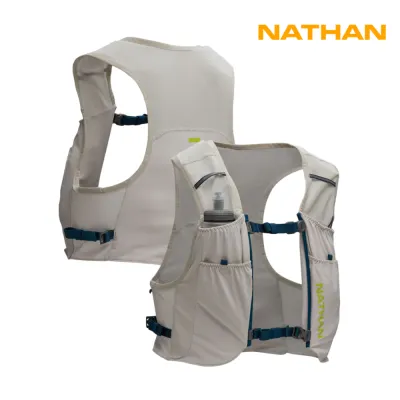
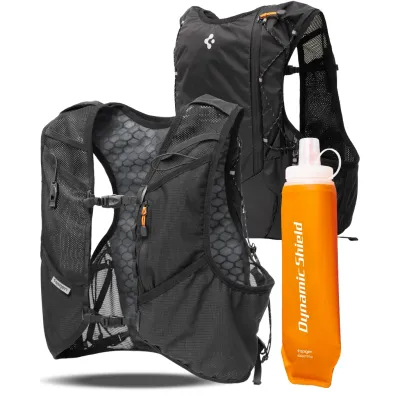
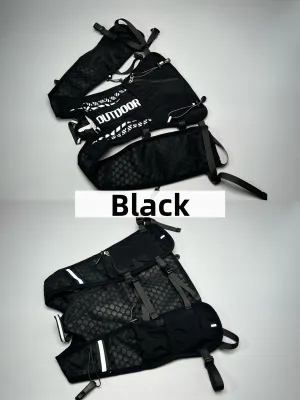
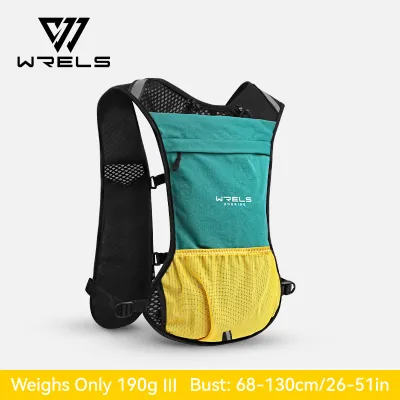
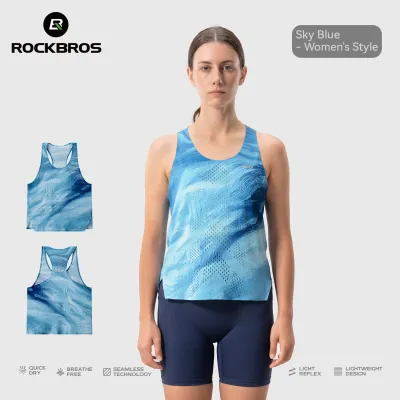
Prices are valid at publication and may change. Please refer to the product page for the latest price.
To tailor your fluid intake, consider performing a simple sweat rate test. Weigh yourself without clothes before a one-hour run at your typical pace, keep track of any water consumed, and weigh yourself again afterward. The difference in weight, adjusted for any fluid drank, represents your hourly sweat loss. This personalized figure helps you calculate exactly how much fluid you need to carry, preventing both under-hydration and the unnecessary weight of over-carrying.
Furthermore, heavy sweating drains crucial electrolytes, particularly sodium. Replacing this loss is not just about drinking water; overhydrating with plain water alone under high sweat rates carries the risk of hyponatremia. Your setup must allow you to balance both fluid volume and electrolyte concentration seamlessly.
Access is another critical factor. When your core temperature is elevated, reaching into a rear pocket or struggling with a complex bladder valve can disrupt your running rhythm and discourage regular drinking. Your setup must make taking a sip as effortless as possible, encouraging a steady cadence of small, frequent sips rather than infrequent, heavy gulps that can cause stomach sloshing.
Always monitor your body’s response to the heat. If you experience symptoms of heat exhaustion—such as extreme fatigue, dizziness, headache, confusion, or a sudden cessation of sweating—stop running immediately, seek shade, and hydrate. Equipment cannot replace sound personal judgment, and you should always prioritize safety over completing a workout.
Essential Hydration Vest Features for Tropical Runs
Breathability and Moisture Management
Traditional vests with thick foam padding or heavy nylon panels act as heat traps, raising your microclimate temperature. Look for vests constructed with wide-weave engineered mesh or monofilament mesh. These materials allow air to flow directly through the vest to your skin, assisting whatever evaporation is possible. Check the back panel and shoulder straps specifically; they should be translucent when held up to the light, indicating a highly porous structure.

Chafe-Free Construction
When you run in Singapore, you will be completely soaked in sweat within fifteen minutes. Wet fabric rubbing against skin is a recipe for severe chafing. Prioritize vests with bonded or seamless edges rather than stitched seams. The binding around the armpits and collar should be exceptionally soft and flexible. Verify that the adjustment straps do not rub directly against your skin or thin apparel layers.
Front vs. Rear Storage Dynamics
Front-mounted soft flasks are highly advantageous for tropical running. They distribute weight evenly across your chest, reducing bounce, and allow you to monitor your fluid consumption visually. Most importantly, front flasks can be refilled in under a minute at a public water cooler or convenience store. Rear bladders, while holding more volume (typically 1.5 to 2 liters), press a large, warm mass of water directly against your back, limiting heat dissipation. They are also cumbersome to slide out, refill, and reinsert during a humid run.
Insulation and Material Trade-offs
Some vests offer insulated sleeve compartments for flasks or bladders to keep fluids cool. While drinking cold liquid can help lower your perceived exertion and core temperature, insulation adds layers of neoprene or thermal foam. In Singapore’s heat, these materials trap body heat and add dry weight. For most runners, the cooling benefit of a slightly colder drink is outweighed by the physical heat retention of the insulated vest itself. A lighter, more breathable vest is generally the superior choice, even if your drinks warm up to ambient temperature.
Configuring Your Fluid and Nutrition Carry
The Fluid Split Strategy
The most versatile configuration for a long run is the two-flask split. Load your left front pocket with a 500ml soft flask of plain water and your right front pocket with a 500ml flask containing an electrolyte or sports drink. This dual setup allows you to alternate drinks based on your immediate needs. If you consume an energy gel, you can wash it down with plain water to prevent stomach upset, while using the sports drink to maintain your sodium levels during high-sweat periods.
Capacity Planning Framework
To plan your fluid capacity, you must evaluate your route’s infrastructure alongside your personal sweat rate. If you are running a loop at MacRitchie Reservoir or along the Rail Corridor, water points may be several kilometers apart. For a run under 60 minutes, two 500ml flasks are typically sufficient. For runs extending beyond an hour, plan a route that passes public water fountains (common in Singapore’s parks and park connectors) or convenience stores. If refills are readily available, a total capacity of 1 liter carried on your chest is optimal, as it keeps your load light and manageable. If running in remote areas with no refill options, you may need to carry a lightweight 1.5-liter bladder in the rear compartment, filled primarily with plain water, while keeping electrolytes in the front.
When choosing what to put in your flasks, understand the differences between hydration mixes. Hypotonic drinks have a lower concentration of salt and sugar than your blood, allowing for rapid absorption, which is ideal for short, high-intensity efforts in the heat. Isotonic drinks match your body’s fluid concentration, providing a balanced mix of energy and hydration suited for longer endurance runs. Test different brands during training to find a formula that does not cause gastrointestinal distress under high thermal stress.
Nutrition Placement and Protection
High humidity and body heat will quickly turn solid snacks, chewable tablets, and energy gels into a sticky mess if they are not protected. Avoid storing unwrapped nutrition or paper-packaged salt tablets in simple mesh pockets where sweat can penetrate. Use zippered, water-resistant pockets or place your nutrition inside small, reusable zip-lock bags before tucking them into your vest. Store salt capsules in a small plastic vial to prevent them from dissolving prematurely due to high humidity or sweat.
Preventing Chafing and Managing Gear Shift
Adjusting for Sweat Weight
As you drink, your flasks will empty, changing the weight distribution of your vest. A vest that fit perfectly at the start of your run may begin to bounce or slide as the front load lightens. Modern hydration vests feature adjustable sternum straps—often using elastic cords or hook-and-loop systems—and side compression bungees. Get into the habit of micro-adjusting these straps on the fly. Tightening the side bungees as your flasks empty keeps the vest snug against your torso, preventing the fabric from shifting and causing friction.
Skin Protection Protocols
Do not wait for hot spots to develop. Before putting on your gear, apply a generous layer of high-quality anti-chafe balm or silicone-based cream to known friction zones. Key areas include the lower border of the vest where it rides on your waist, the inner underarm area, across your collarbones, and along the sports bra line or chest strap area. For long trail runs, applying specialized kinesiology tape or blister prevention tape to high-friction spots on your back or shoulders can provide an extra physical barrier against rubbing.
Base Layer Considerations
The choice of what to wear under your vest significantly affects both cooling and chafing. While running shirtless or in just a sports bra maximizes skin exposure for cooling, it exposes your bare skin directly to the vest’s straps and edges. If your vest is not perfectly fitted, this can lead to severe abrasions. Wearing a lightweight, technical, moisture-wicking singlet or T-shirt provides a protective barrier. Look for shirts with flatlock seams and high synthetic content (like polyester or nylon blends) that dry quickly and pull moisture away from your skin, reducing the wet-friction effect.
Post-Run Care: Cleaning and Drying in High Humidity
Immediate Rinsing
Singapore’s warm, humid environment is a perfect breeding ground for mold, mildew, and bacteria. If you use sports drinks or electrolyte tablets, you must rinse your soft flasks and flasks’ bite valves immediately after your run. Flush them with warm water and a small drop of mild dish soap. Pay close attention to the bite valves and screw threads, as sugary residue easily accumulates in these crevices, leading to black mold spots that are difficult to remove.
Washing the Vest
Your hydration vest will absorb a massive amount of salt and sweat during a single tropical run. To preserve the integrity of the technical fabrics and elastics, hand-wash your vest in cool water using a gentle, sports-specific detergent. Avoid regular household detergents that contain fabric softeners, optical brighteners, or bleach. Fabric softeners leave a chemical coating on the fibers that clogs the pores of the mesh, permanently ruining its breathability and moisture-wicking capabilities. If machine washing is necessary, place the vest in a mesh laundry bag, use a delicate cycle, and fasten all buckles to prevent snagging.
If your vest develops a persistent musty smell that standard washing cannot remove, soak it in a solution of cool water and half a cup of baking soda or white vinegar for 30 minutes before washing. This natural treatment neutralizes odor-causing bacteria without damaging the delicate synthetic fibers or elastic components of your gear.
Drying Strategies
Never throw your hydration vest or soft flasks into a tumble dryer, as the high heat will warp plastic fittings and degrade the elastic fibers. Instead, hang your vest to air-dry in a well-ventilated, shaded indoor area or a sheltered balcony. Avoid leaving your gear in direct, harsh afternoon sunlight, as UV rays can break down synthetic materials over time. To dry soft flasks and bladders completely, use a drying rack, prop them open with a clean kitchen utensil, or insert a dedicated bladder dryer to ensure no moisture remains trapped inside to spark mold growth.
Frequently Asked Questions (FAQ)
How do I keep my sports drink cool during a long run in Singapore?
Fill your soft flasks halfway with water or your prepared sports drink and place them in the freezer overnight. Before your run, top them up with cold liquid. This creates a slow-melting ice core that keeps your drink cool for the first hour of your run. Alternatively, you can use specialized insulated soft flasks, though they are slightly bulkier and heavier than standard flasks.
Is a hydration bladder or soft flasks better for humid weather?
Soft flasks are generally superior for humid tropical weather. They are much easier to clean and dry, which is vital when using sugary sports drinks that quickly mold in high humidity. Flasks also allow you to monitor your fluid intake easily and can be refilled rapidly at public water coolers without removing your vest, keeping your stops short and efficient.
Community discussion
Share your experience or ask a question. Comments are reviewed before publication.