
Finding space for active recreation in a compact Singapore apartment can be challenging. With standard Housing & Development Board (HDB) flats and private condominiums prioritizing highly efficient layouts, traditional sports equipment often feels too bulky or structurally invasive. If you want to practice your shooting form or keep your children active indoors without risking your tenancy deposit or drilling permanent holes into concrete walls, selecting the right no-drill indoor basketball hoop is essential.
The best option for most compact Singapore homes is a high-quality over-the-door hoop fitted with dense foam dampening, or a slim, foldable freestanding model with a weighted base. These solutions balance playability with structural safety, allowing you to enjoy the game without damaging your living space or disturbing your neighbors. To make an informed choice, you must evaluate your specific spatial layout, compare the physical mechanics of different no-drill mounting systems, and select specifications designed to minimize noise transmission in high-density residential buildings.
Assessing Your Apartment Space and Clearance
Before purchasing any indoor basketball equipment, you must take precise measurements of your intended play area. Singapore residential units, particularly newer HTO Build-To-Order (BTO) flats and modern condominiums, typically feature floor-to-ceiling heights ranging from 2.6 to 2.8 meters. This relatively low clearance limits the height of the hoop you can install, as you must leave adequate space above the rim for the basketball’s upward shooting arc without hitting the ceiling.
Products mentioned in this guide
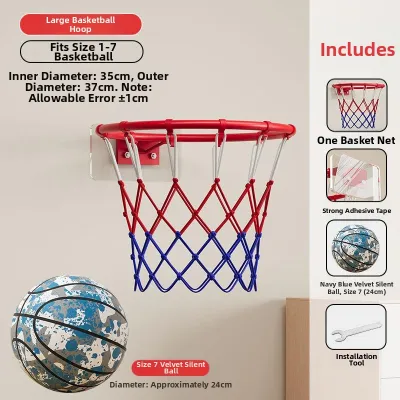
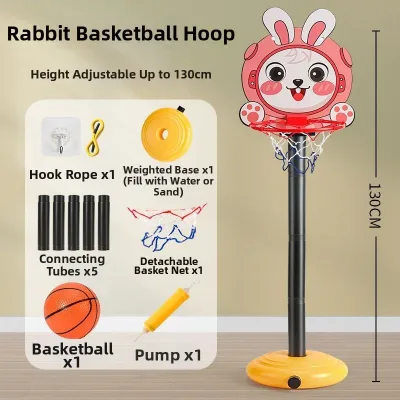
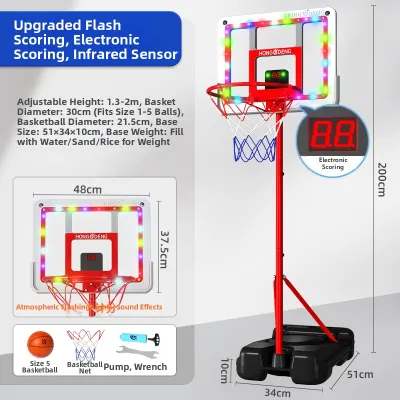
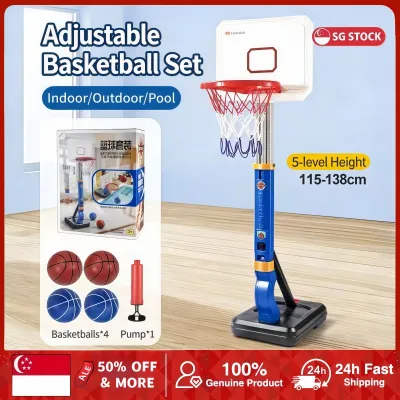
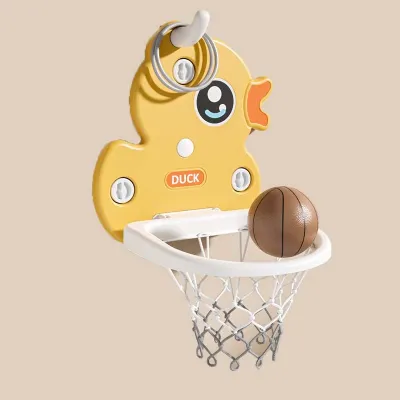
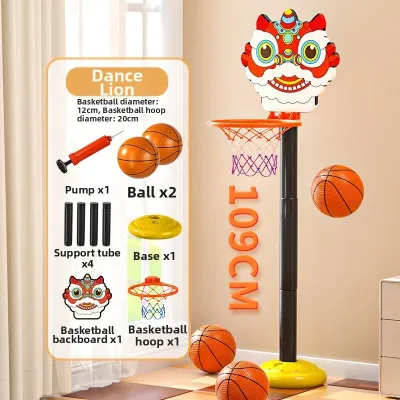
Prices are valid at publication and may change. Please refer to the product page for the latest price.
Start by measuring the distance from the floor to the lowest hanging obstacle in your room. In Singapore’s tropical climate, ceiling fans, surface-mounted light fixtures, and wall-mounted air conditioning units are ubiquitous. Your shooting zone must be completely clear of these fixtures. Ideally, you need at least 30 to 50 centimeters of open vertical space above the top of the backboard to prevent the ball from striking the ceiling or damaging sensitive electronic appliances during a shot.
Next, calculate the horizontal swing clearance and the active walking path in front of the hoop. A standard indoor shooting motion requires a clear, unobstructed lane of at least 1.5 to 2.5 meters. Ensure this active play zone does not overlap with major household thoroughfares, glass sliding doors, dining tables, or fragile home entertainment setups. If you plan to mount the hoop on a door, verify that the door can still open to its full range without the backboard striking adjacent walls or furniture.
Finally, inspect the structural condition of the physical surface where the hoop will be mounted. For door-mounted options, check the sturdiness of the door frame and the hinge alignment. For wall-mounted adhesive options, examine the texture and finish of the wall surface. Concrete walls finished with smooth emulsion paint behave very differently from drywall partitions or tiled surfaces, and choosing the wrong mounting method for your specific wall type can result in paint peeling or structural instability.
Comparing No-Drill Hoop Types for Compact Spaces
Selecting the right hoop type requires balancing your available floor space against the structural limits of your apartment’s fixtures. There are three primary categories of indoor hoops that require no drilling, each offering distinct advantages and spatial trade-offs.

Over-the-Door Hoops
Over-the-door models are the most space-efficient option because they utilize existing vertical surfaces, leaving your floor space entirely clear. These hoops feature metal or heavy-duty plastic brackets that slip over the top edge of a standard interior door, making them ideal for bedrooms, study rooms, or household shelters.
To ensure a secure, flush fit, you must measure your door’s thickness and compare it to the bracket’s inner width. Standard interior doors in Singapore are typically 35mm to 40mm thick. You must also check the clearance gap between the top of the door panel and the door frame when closed. A gap of at least 2mm to 3mm is generally required; if the gap is too tight, the metal brackets will scrape against the frame, preventing the door from closing properly and damaging the woodwork.
Because the kinetic energy of every shot is transferred directly to the door, you must verify the weight capacity of your door hinges. Solid-core timber doors can easily handle repeated impacts, whereas lightweight hollow-core doors may rattle excessively or sag over time if subjected to heavy play. To mitigate this, prioritize models that feature thick, high-density ethylene-vinyl acetate (EVA) foam padding across the entire back surface of the backboard and on the inside of the hanging brackets. This padding absorbs shock, dampens vibration, and prevents the hard plastic backboard from scratching or denting the door’s paintwork.
Freestanding and Weighted Base Hoops
Freestanding indoor hoops rest on the floor and are completely independent of your doors and walls. These models are highly versatile because they can be positioned in a living room corner, moved to a sheltered balcony during play, and tucked away when guests arrive.
Before choosing a freestanding model, measure its base footprint to ensure it fits comfortably within your designated storage or play area. A typical compact indoor base occupies a footprint of roughly 50cm by 50cm. You must ensure this base does not block hallways or create a tripping hazard in high-traffic areas of your home.
Stability is the primary safety consideration for freestanding units. These systems rely on a hollow plastic base that must be filled with a heavy material to prevent tipping. While water is easy to fill and drain, it can slosh around during play, creating minor noise, and poses a risk of slow leaks that can ruin parquet or laminate flooring. Dry, fine-grade sand is highly recommended for indoor use because it is denser than water, providing superior stability, and cannot leak or evaporate over time. Never use an under-filled base, as the unit can easily tip forward when a ball strikes the rim, risking injury or property damage.
For maximum usability in small apartments, look for freestanding models that offer telescoping height adjustment and a foldable frame. This allows you to lower the rim to accommodate low ceilings or younger players, and fold the pole assembly flat against the base so the entire unit can slide easily into a bomb shelter, utility closet, or behind a sofa.
Adhesive and Tension-Mounted Wall Hoops
Adhesive-mounted hoops offer a damage-free wall mounting solution for renters or homeowners who want a fixed backboard look without drilling into concrete walls. These systems utilize heavy-duty, double-sided adhesive strips or specialized mounting brackets to secure the backboard directly to a vertical surface.
These systems have highly strict wall surface requirements. The adhesive strips rely on a clean, non-porous, and completely smooth surface to form a secure molecular bond. They perform exceptionally well on polished ceramic tiles, glass panels, or sealed metal surfaces, making them suitable for tiled hallways or sheltered balcony walls. However, they should never be used on textured plaster, wallpaper, or matte-painted drywall. The shear force of a ball striking the backboard will easily pull the paint or wallpaper away from the wall, causing the hoop to fall and leaving an expensive repair bill.
Because adhesive bonds can degrade over time due to humidity and vibration, you must strictly adhere to the manufacturer’s maximum weight and impact limits. These hoops are designed solely for light, casual shooting; they cannot support dunking or any downward pulling forces.
To ensure ongoing safety, establish a regular inspection routine. Check the edges of the adhesive strips weekly for any signs of peeling, lifting, or bubbling. If you observe any shifting or deterioration of the bond, stop using the hoop immediately, remove it from the wall, and replace the adhesive strips according to the manufacturer’s care instructions.
Key Features to Check for High-Rise Living
Living in high-density HDB estates or private condominiums means that noise and structural vibrations travel easily through concrete floors and shared walls. Selecting a hoop with the right technical specifications is essential to maintain a peaceful relationship with your family and neighbors.
- Backboard Material and Size: Prioritize shatterproof materials such as polycarbonate or high-impact acrylic. Polycarbonate is highly durable, lightweight, and flexes slightly upon impact, which helps absorb shock and reduce the sharp "slap" sound of the ball hitting the board. Keep the backboard dimensions compact—ideally between 45cm and 55cm in width. A smaller backboard is visually unobtrusive in a small room and reduces the overall weight resting on your door or adhesive mounts.
- Rim Type: You will generally choose between a rigid static rim and a spring-loaded breakaway rim. Breakaway rims feature an enclosed steel spring mechanism that compresses when the ball strikes the hoop, absorbing a significant portion of the impact energy. This compression protects the backboard and door frame from structural stress. However, cheap breakaway rims can produce a metallic clattering sound when the spring snaps back into place. If noise is your primary constraint, a high-tension breakaway rim or a rigid static rim paired with an ultra-soft ball is often the quietest combination.
- Ball Compatibility: The single most effective way to reduce indoor noise is to change the ball, not the hoop. Standard rubber or synthetic leather basketballs are heavy and highly resonant, creating loud, low-frequency thuds that easily penetrate concrete floors. Instead, use specialized silent basketballs made from high-density polyurethane foam. These foam balls feature microscopic air pockets that compress completely upon impact, absorbing almost all sound and kinetic energy. They bounce realistically on hard floors but make virtually no noise when striking the backboard, floor, or walls, protecting both your neighbors' peace and your indoor furniture.
Installation Safety and Apartment Etiquette
To enjoy your indoor basketball setup safely and responsibly, you must combine proper installation techniques with respectful household rules. Always follow the manufacturer’s exact assembly steps and never exceed the stated weight or impact limits. No-drill mounting systems are designed for recreational shooting; they are not structurally anchored to support human body weight, and attempting to dunk or hang on the rim can cause catastrophic failure of the door, wall, or freestanding unit.
To further minimize vibration transfer, you can apply aftermarket self-adhesive rubber pads or high-density foam weatherstripping behind the backboard where it contacts the door or wall. Adding this extra layer of dampening material helps convert kinetic energy into heat rather than sound, preventing low-frequency vibrations from traveling through the building’s concrete structure.
Living in close proximity to others requires clear boundaries regarding playtimes. Under standard HDB good neighbor guidelines, residents are encouraged to keep noise levels low during quiet hours, typically between 10:30 PM and 7:00 AM. For indoor basketball, it is best to establish stricter household rules, limiting active play to daytime hours—such as 10:00 AM to 7:00 PM—and restricting play sessions to 20 or 30 minutes at a time to prevent continuous, repetitive noise.
Finally, perform routine safety checks on your equipment. Before each play session, inspect the mounting brackets, tighten any loose screws, and check the stability of the base or the adhesion of the wall strips. If you notice any unusual rattling, loose brackets, or peeling adhesive, stop using the hoop immediately and consult the manufacturer’s instructions for safe re-mounting or replacement parts.
Common Sizing and Placement Mistakes to Avoid
Many apartment owners run into issues by overlooking minor architectural details during the planning phase. One of the most common mistakes is ignoring door frame molding, architraves, or high skirting boards. If your door frame features decorative, raised woodwork, standard flat over-the-door brackets will not sit flush. This creates an uneven contact point, causing the backboard to wobble violently and increase noise during play. Always measure the profile of your door frame to ensure the brackets can seat fully.
Another frequent error is overestimating the holding power of adhesive strips on unsuitable surfaces. Attempting to mount an adhesive hoop on standard matte emulsion paint or wallpaper will inevitably lead to failure. The weight of the hoop, combined with the repeated impact of the ball, will shear the paint or wallpaper layer clean off the drywall or concrete, damaging your walls and causing the hoop to fall. Restrict adhesive mounts strictly to smooth, non-porous surfaces like glass or glazed tiles.
Lastly, avoid using standard-sized basketballs on mini-hoops. A standard Size 7 basketball weighs approximately 600 to 650 grams, which is far too heavy for the delicate spring mechanisms and plastic backboards of indoor mini-hoops. Using a heavy ball drastically increases the risk of bending the steel rim, cracking the polycarbonate backboard, and stripping the mounting brackets. It also generates deafening thuds that will quickly lead to complaints from neighbors. Always stick to the lightweight mini-balls (typically Size 1 or 2, weighing under 150 grams) or high-density foam quiet balls designed specifically for indoor mini-hoops.
Frequently Asked Questions (FAQ)
Will an over-the-door hoop damage my door?
Damage to doors typically occurs from direct metal-on-wood friction or excessive downward force. To prevent scratches, paint chips, and dents, ensure your over-the-door hoop features thick EVA foam padding on the back of the backboard and inside the hanging brackets. Additionally, avoid aggressive dunking or hanging on the rim, as this downward force can bend the door hinges, warp the frame, or cause the door panel to sag over time.
What size basketball is best for indoor apartment play?
For indoor apartment play, you should use the small mini-basketballs (typically Size 1 or Size 2, measuring roughly 13 to 15 centimeters in diameter) supplied by the manufacturer, or a specialized silent foam ball of the same size. These lightweight, soft balls protect the hoop’s rim and backboard from structural damage, minimize the risk of breaking household items, and drastically reduce the transmission of noise through shared walls and floors.
Community discussion
Share your experience or ask a question. Comments are reviewed before publication.