
Inline skating is an exceptional way to explore Singapore’s scenic Park Connector Network (PCN), offering an engaging cardiovascular workout and a vibrant community. However, for beginners, choosing the right pair of inline skates can be overwhelming due to the wide variety of brands, wheel configurations, and boot styles. The best inline skate brands for beginners in Singapore are Rollerblade, K2 Skates, Powerslide, Micro Skates, and Oxelo (by Decathlon). These brands provide the essential stability, comfort, and control required to safely navigate Singapore’s specific skating environments, such as smooth but occasionally damp park connectors, concrete neighborhood pathways, and spacious void decks.
While high-quality equipment is a vital foundation, it is important to remember that premium gear cannot replace proper instruction, physical balance, and risk awareness. Beginners should always assess their personal ability limits, practice basic stopping techniques in a controlled, flat environment, and check weather conditions before heading out. Wet tropical roads drastically reduce wheel grip and braking efficiency, making it crucial to know when to stop and postpone a session. By selecting a reliable brand and matching the skate’s design to your specific physical needs, you can build confidence and minimize the risk of injury.
Key Features to Look for in Beginner Inline Skates
Boot Construction
When choosing your first pair of inline skates, the debate between soft boots and hard boots is central to your comfort and safety. Soft boots are constructed from woven, breathable materials that resemble high-top running shoes, offering immediate comfort and a virtually non-existent break-in period. For casual recreational beginners, a soft boot equipped with a reinforced plastic ankle cuff is highly recommended, as it blends plush comfort with vital lateral support.
Products mentioned in this guide
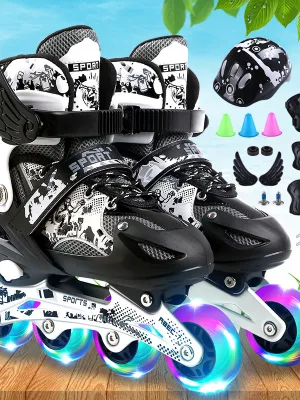
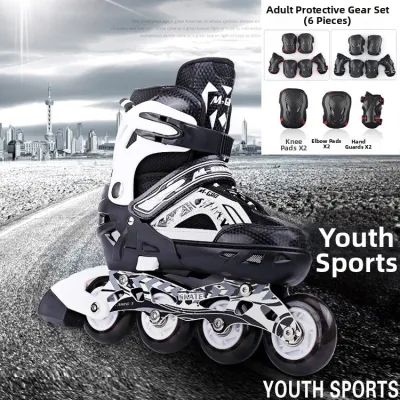
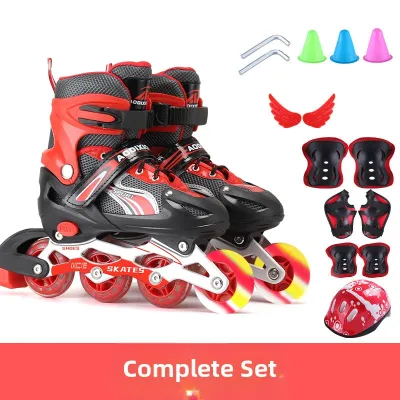
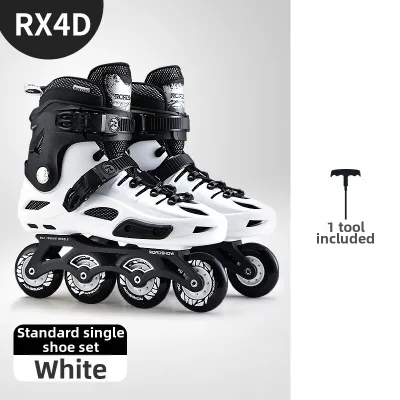
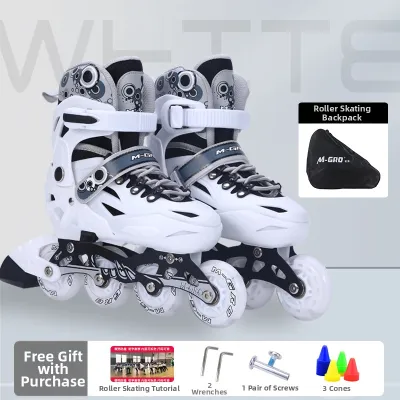
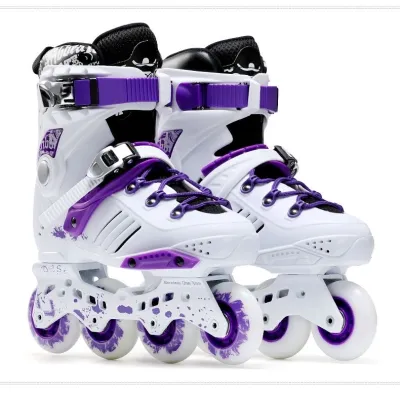
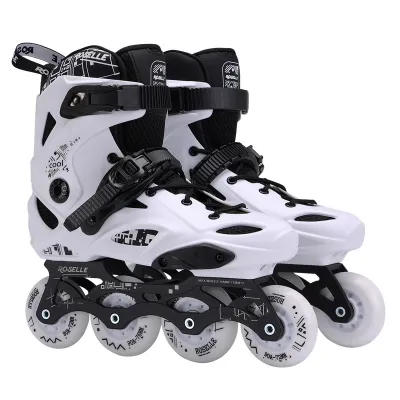
Prices are valid at publication and may change. Please refer to the product page for the latest price.
In contrast, hard boots feature a molded plastic outer shell that surrounds a removable padded liner. This rigid design provides maximum ankle stability and structural support, which is highly beneficial for heavier skaters or those who struggle with pronation (ankles rolling inward). However, hard boots require a longer break-in period and demand a highly precise fit to prevent painful pressure points.
Wheel Size and Hardness
For beginners, wheel diameter directly influences stability, speed, and how easy the skates are to control. Smaller wheels, measuring between 72mm and 80mm, keep your center of gravity lower to the ground, making it significantly easier to maintain your balance and execute basic turns. Larger wheels roll faster and roll over cracks more easily, but they require greater ankle strength to control, making them less suitable for absolute novices.
Wheel hardness is measured on the Durometer A scale, and selecting the right rating is crucial for navigating Singapore’s outdoor paths. Beginners should look for wheels with a medium durometer rating between 78A and 82A. These softer-to-medium polyurethane wheels provide excellent grip and shock absorption on textured concrete paths and asphalt park connectors, helping to prevent slips when encountering minor debris or slightly damp surfaces.
Closure Systems
A secure, multi-point closure system is non-negotiable for safety and precise control. Beginners should avoid models that rely solely on laces or a single strap, as these fail to keep the foot properly positioned. The gold standard for entry-level skates is a three-part system: traditional laces to secure the forefoot, a 45-degree instep strap (velcro or ratchet) to lock the heel down into the pocket, and a durable plastic buckle at the top of the ankle cuff to provide lateral rigidity. This combination prevents your foot from sliding forward or lifting, reducing the risk of friction blisters and ankle injuries.
Braking Mechanism
A reliable, easily accessible heel brake is a crucial safety component for any new skater. While advanced skaters often use drag stops or T-stops, these techniques require significant balance and edge control that beginners have not yet developed. A rubber heel brake, typically pre-installed on the right skate, allows you to stop safely by simply sliding the braking foot forward and lifting the toe. When purchasing, ensure the brake pad is made of high-quality rubber rather than hard plastic, which can slide dangerously on smooth surfaces.
Best Inline Skate Brands for Beginners in Singapore
K2 Skates
K2 Skates is widely recognized for pioneering soft-boot technology, making their skates some of the most comfortable options straight out of the box. Their patented SoftBoot design integrates breathable mesh and plush padding with a supportive, lightweight composite frame. This construction dramatically reduces the painful break-in period that often discourages new skaters, making them a favorite for casual cruising along the East Coast Park or local park connectors.

While comfort is their signature, beginners must pay close attention to the ankle support of specific entry-level K2 models. Some ultra-lightweight models feature highly flexible cuffs that may not offer enough lateral stiffness for skaters with weak ankles or those carrying more body weight. Before committing, verify that the selected model includes a reinforced plastic stability cuff to prevent your ankles from bowing inward. K2 skates typically come with high-quality composite or aluminum frames that absorb road vibrations well, providing a smooth, confidence-inspiring ride.
Rollerblade
As the brand that popularized the sport, Rollerblade offers highly refined urban and fitness lines specifically tailored to help beginners progress safely. Their entry-level models, such as the Macroblade series, are engineered with durable mesh uppers and robust aluminum frames that ensure excellent power transfer and durability. The brand’s focus on ergonomic design means their liners conform naturally to the foot, minimizing pressure points during longer sessions.
These skates are highly versatile, making them ideal for beginners who want to transition from basic neighborhood rolling to structured fitness routines. Their closure systems are exceptionally secure, utilizing high-tensile laces and micro-adjustable cuff buckles to lock the foot in place. However, beginners should verify the support level of specific fitness models; some entry-level designs prioritize forward flex for speed, which might feel slightly unstable for a complete novice. Checking the structural stiffness of the cuff ensures you get the right balance of support and mobility.
Powerslide
Powerslide is known for its innovative engineering and willingness to challenge traditional skate design, making them a compelling option for tech-minded beginners. One of their major contributions is the development of the Trinity three-point mounting system, which lowers the skater’s center of gravity by bringing the wheels closer to the boot. This design significantly enhances stability and control, which is incredibly reassuring for nervous beginners taking their first strides on concrete.
Powerslide is also a major proponent of “triskates” (three-wheel setups). While traditional beginner skates use four wheels, Powerslide offers three-wheel configurations with shorter wheelbases that provide exceptional maneuverability and a smooth roll over uneven ground. If you are considering a Powerslide model, verify the frame adjustability and wheelbase length. A slightly longer wheelbase provides better forward-and-backward stability for absolute beginners, while a shorter frame allows for quicker turns as your skills progress.
Micro Skates
Micro Skates focuses heavily on robust, hard-boot designs that offer maximum ankle support and exceptional durability. For beginners who struggle with pronation or those who are heavier, the rigid plastic shell of a Micro skate provides an unyielding support structure that keeps the ankle perfectly aligned over the wheels. This structural integrity also makes them a popular choice for beginners who hope to transition into urban freeskating or basic freestyle slalom later on.
The primary trade-off with Micro’s hard-boot models is the initial out-of-the-box comfort. Unlike soft boots, the rigid plastic shell does not stretch, meaning the skate must fit the foot’s volume and width precisely from day one. Beginners should expect a break-in period of several hours as the thick internal foam liner molds to the unique contours of their feet. Accurate sizing is critical here; a hard boot that is too large will cause the foot to slide, leading to severe blisters, while one that is too small will cause painful pressure points on the ankles and toes.
Oxelo (Decathlon)
Oxelo, the in-house roller sports brand of Decathlon, represents the most budget-friendly and accessible entry point for new skaters in Singapore. With multiple massive physical stores across the island, Decathlon makes it incredibly easy for beginners to walk in, try on different sizes, and get a feel for the skates before making a financial commitment. Their entry-level models are surprisingly well-designed, offering decent lateral support, functional closure systems, and integrated heel brakes at a fraction of the cost of premium brands.
While Oxelo skates offer outstanding value for casual, low-frequency beginners, they do have limitations in long-term durability and performance. The bearings used in entry-level models (often rated ABEC 3 or 5) may offer more rolling resistance, which actually helps limit speed for absolute beginners but can feel sluggish as you improve. Skaters should regularly check the wheel wear indicators and bearing performance, as the softer wheels on budget models tend to wear down faster on Singapore’s hot, abrasive concrete paths, requiring more frequent rotation or replacement.
Essential Safety Gear for New Skaters
Inline skating is an exhilarating sport, but it carries an inherent risk of falls, particularly during the learning phase. Before stepping onto any paved surface, beginners must equip themselves with high-quality, properly fitted safety gear. No amount of high-end equipment can replace proper instruction and physical balance, but the right protective gear significantly reduces the severity of injuries when accidents happen.
Helmets
A certified helmet is the most critical piece of safety gear. Look for helmets that meet recognized international safety standards, such as CPSC (Consumer Product Safety Commission) or EN1078. Unlike standard bicycle helmets, skate-specific helmets feature a lower profile that extends further down the back of the head to protect against backward falls. Ensure the helmet fits snugly without shaking, the chin strap is adjusted to allow only one or two fingers of space, and the buckle locks securely.
Wrist Guards
When losing balance, the natural human instinct is to reach out with open hands to break the fall. This reaction makes wrist fractures, sprains, and severe abrasions the most common injuries among beginner skaters. High-quality wrist guards feature rigid plastic splints on both the palm and the back of the wrist to absorb the impact and prevent the wrist from hyperextending. Ensure the straps are pulled tight enough to keep the splints firmly in place during a fall.
Knee and Elbow Pads
Protecting your joints is essential for maintaining confidence while learning. Look for knee and elbow pads equipped with hard plastic outer caps that can slide along the concrete, dispersing the force of the impact rather than transferring it directly to your bones. The backing should feature a sleeve design combined with adjustable elastic straps to prevent the pads from shifting or sliding down your limbs during a fall.
Usage Rule
Protective gear is not optional, nor is it reserved only for fast skating. Beginners must wear their helmet, wrist guards, knee pads, and elbow pads every single time they put on their skates. Whether you are practicing basic standing balance in your living room, rolling slowly on a smooth void deck, or cruising down a park connector, a fall can happen in a split second. Establishing this habit early ensures a safe, enjoyable path to mastering the sport.
Where to Buy and Fit Inline Skates in Singapore
Finding the right pair of inline skates in Singapore requires a balance of convenience, expert advice, and the opportunity to try on different models. Because sizing, foot width, and instep height vary dramatically between brands like K2, Rollerblade, and Powerslide, relying solely on online size charts can lead to a poorly fitting skate that causes pain or instability.
Physical Retailers
Visiting a specialized brick-and-mortar skate shop or a major sports retailer in Singapore is highly recommended for beginners. Professional staff can measure your feet accurately, assess your foot arch, and recommend models that match your specific foot shape. Trying on skates in-person allows you to stand up, lace them fully, and check for any immediate pressure points or heel slippage before spending your money.
Official Brand Channels
When researching specifications, checking warranty terms, or looking for authentic replacement parts like brake pads and wheels, always refer to official brand websites or authorized local distributors in Singapore. Buying through authorized channels ensures that your skates are covered by the manufacturer’s warranty and that you are receiving genuine products engineered to meet strict safety standards.
Online Marketplaces
While general e-commerce platforms and online marketplaces offer convenience and sometimes lower prices, beginners should exercise extreme caution. Many unverified sellers list cheap, unbranded skates that mimic the look of professional models but lack the structural integrity, ankle support, and reliable braking systems necessary for safe skating. If purchasing online, limit your search to verified official stores or highly rated local shops with clear return policies.
Frequently Asked Questions (FAQ)
How do I know if my inline skates fit correctly?
To check the fit, put on the skates with the socks you plan to wear while skating, and fasten all straps and laces securely. When standing straight, your toes should lightly brush the very front of the inside liner. Next, bend your knees and sink into a proper skating stance; your toes should pull back slightly, leaving a tiny bit of clearance at the front. Your heel must remain locked firmly in the back pocket of the boot without lifting when you walk or bend your knees. There should be no painful pinching, numbness, or hot spots on the sides of your feet.
Should I buy adjustable inline skates for growing kids?
Adjustable inline skates are an excellent, highly cost-effective solution for growing children, as they can typically expand across three to four shoe sizes. However, safety must remain the priority when choosing an adjustable model. Parents should carefully inspect the adjustment mechanism to ensure it locks securely and cannot slip while in use. Additionally, verify that the boot maintains its structural rigidity, ankle support, and frame alignment even when extended to its maximum size, as some budget adjustable skates can become dangerously flimsy when fully lengthened.
Community discussion
Share your experience or ask a question. Comments are reviewed before publication.