
While wearing an elbow knee guard and other protective gear significantly reduces the risk of injury, equipment cannot replace proper training, balance control, and situational awareness. Before heading onto the pavement, skaters must assess their skill limits, verify that their gear is fitted correctly, and understand that protective equipment is designed to mitigate impact rather than guarantee absolute safety. If your pads are damaged, loose, or ill-fitting, you should stop skating immediately until they are adjusted or replaced.
When shopping for protective gear, finding a high-quality elbow knee guard set is essential for preventing painful joint injuries on the asphalt. Renowned brands such as Triple Eight, 187 Killer Pads, Rollerblade, and K2 Skates lead the market by offering distinct designs tailored to different needs. For high-impact aggressive skating and street tricks, heavy-duty brands provide maximum shock absorption and coverage. For fitness enthusiasts and recreational skaters cruising along Singapore’s scenic coastal paths, lightweight and highly breathable options deliver the perfect balance of comfort, flexibility, and basic abrasion protection.
Selecting the right protective gear involves evaluating several critical factors, including shell construction, closure security, and ventilation. Because a fall can happen in an instant, your protective equipment must remain securely in place during impact while allowing you to move freely. This guide breaks down the essential features of high-quality protective gear, reviews the top-performing brands in the industry, and helps you match the correct specifications to your personal skating style so you can skate with confidence.
Products mentioned in this guide
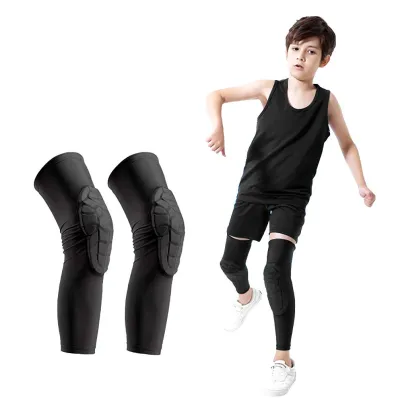
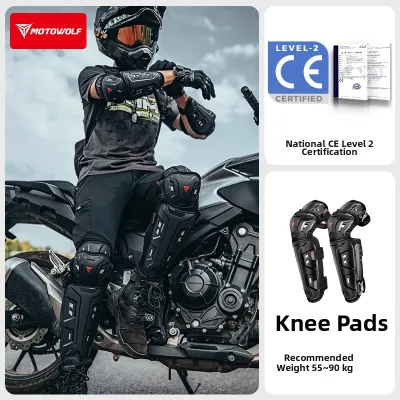
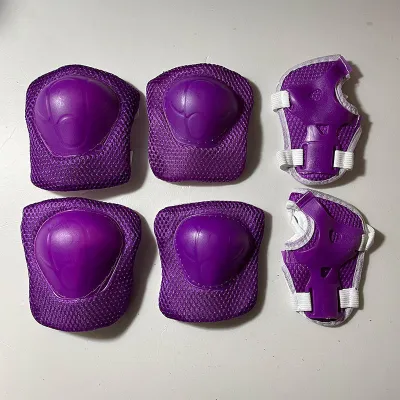
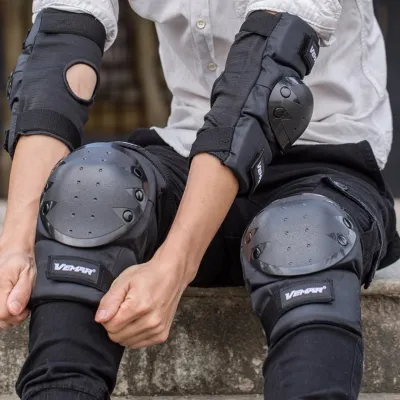
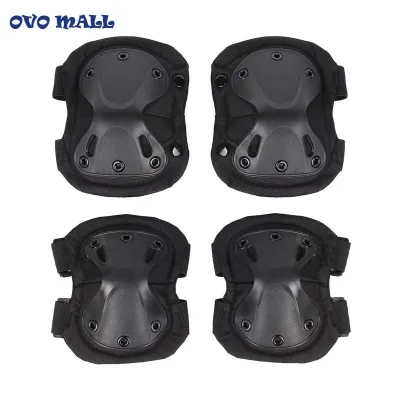
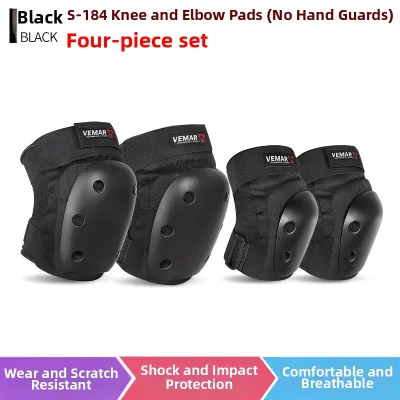
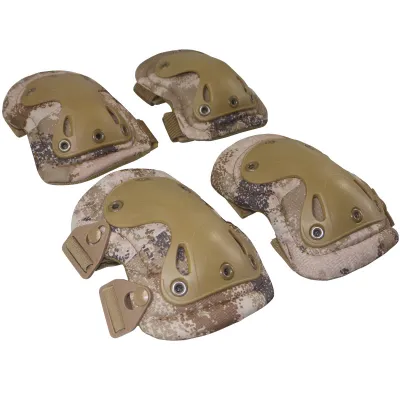
Prices are valid at publication and may change. Please refer to the product page for the latest price.
Key Features to Evaluate in an Elbow Knee Guard
To make an informed decision, you must understand the engineering behind modern protective gear. An effective elbow knee guard is not merely a piece of plastic strapped to your joint; it is a carefully calibrated system designed to absorb impact energy, disperse force, and resist abrasion. When evaluating different models, several key design elements dictate how well a guard will perform during a fall.
Hard Shell vs. Soft Padding The outer barrier of your guard plays a primary role in how your body interacts with the ground during a fall. Hard plastic outer shells, typically made of high-density polyethylene or similar polymers, are engineered to slide along rough surfaces like asphalt or concrete. This sliding action is crucial because it redirects the forward kinetic energy of a fall, reducing the direct impact force transmitted to your joints and preventing sudden, jarring stops that can cause joint dislocations. On the other hand, soft padding guards utilize specialized, high-density impact foams that remain flexible during normal movement but harden instantly upon impact to absorb energy. Soft-shell guards are significantly more low-profile and comfortable, making them highly popular for under-clothing wear or light fitness skating. However, they lack the sliding capability of hard caps, meaning they can catch on rough pavement and cause your body to tumble rather than slide.
Coverage Area An effective guard must protect more than just the very tip of your elbow or knee. High-quality designs feature extended coverage that wraps around the sides of the joint, protecting the delicate lateral ligaments, tendons, and surrounding soft tissues from bruising and lacerations. For knee guards, this often includes reinforced side panels and extended upper and lower sections that shield the lower thigh and upper shin. Elbow guards should similarly wrap around the forearm and upper arm. When examining guards, look for contoured shapes that mimic the natural curvature of your bent joints, ensuring that there are no exposed gaps when your limbs are fully extended or completely flexed.
Closure and Strap Systems No matter how protective a guard’s materials are, it will fail to protect you if it shifts or slides off your joint during a fall. Securing mechanisms generally fall into three categories: basic adjustable Velcro straps, neoprene sleeves, and butterfly closures. Basic strap-on designs are easy to put on over clothing but can slip if the straps stretch or if the impact is severe. Neoprene sleeves provide a snug, second-skin fit that keeps the guard centered, but they require you to take off your skates to put them on or remove them. Butterfly closures offer the best of both worlds, utilizing wrapping panels that secure tightly around the back of the joint without requiring you to slide them over your feet or hands. Look for wide, heavy-duty elastic or non-stretch nylon straps paired with secure hook-and-loop fasteners to ensure the guard remains locked in place during a high-speed slide.
Breathability and Climate Adaptation In Singapore’s hot and humid tropical climate, heat management is a critical safety factor. If your protective gear is too hot, heavy, or sweaty, you will be tempted to leave it behind, exposing yourself to severe injury risks. High-quality guards address this by incorporating moisture-wicking interior liners, perforated foams, and mesh ventilation panels. Airflow channels molded into the foam backing help draw heat and sweat away from your skin, reducing chafing and keeping you cool during long midday sessions at East Coast Park or Kallang Riverside Park. When shopping, prioritize materials that dry quickly and feature anti-odor treatments, as damp gear stored in a closed bag can rapidly develop bacteria and unpleasant smells.
Top Inline Skate Brands Known for Quality Protective Gear
When searching for the best protective gear, focusing on established brands ensures that you benefit from years of material testing, rider feedback, and structural refinement. The leading brands in the inline skating and action sports industries have developed distinct design philosophies, ranging from bulky, high-impact armor to sleek, minimalist sleeves. Understanding these brand profiles allows you to narrow down your options based on your specific safety priorities.

Triple Eight
Triple Eight has established itself as a cornerstone of the action sports world, renowned for producing heavy-duty protective gear designed to withstand extreme impacts. Originating from the demanding environments of skateboarding and vert skating, their design philosophy centers on maximum coverage and robust construction. Their elbow and knee guards typically feature thick, high-density EVA shock-absorbing foams paired with oversized, impact-resistant hard caps secured by heavy-duty rivets.
For inline skaters who prioritize absolute protection over a lightweight feel, Triple Eight is a premier choice. Their strap systems are exceptionally robust, often utilizing wide, non-slip elastic bands and reinforced stitching to ensure the pads remain locked in place during violent impacts. While their heavy-duty models can feel somewhat bulky and warm during long-distance fitness sessions in humid conditions, the peace of mind they offer makes them highly favored by beginners learning basic balance and advanced skaters pushing their limits on ramps or stairs.
187 Killer Pads
Widely respected within the aggressive inline skating and roller derby communities, 187 Killer Pads is synonymous with premium, high-performance protection. Their engineering focus is on ergonomic contouring and low-profile designs that do not restrict the complex movements required for street tricks, grinds, and high-speed maneuvers. Rather than relying on sheer bulk, they utilize advanced, tapered foam designs that wrap closely around the joints.
One of the defining characteristics of 187 Killer Pads is their attention to durability and customization. Many of their high-end models feature replaceable hard caps, allowing skaters to swap out worn-out plastic shells without needing to purchase an entirely new set of pads. Their interior liners are designed to cradle the joints securely, minimizing slippage even during intense physical exertion. This combination of a locked-in fit, exceptional mobility, and long-term durability makes them a top recommendation for serious street and park skaters who require gear that can survive daily abuse on concrete and metal rails.
Rollerblade
As one of the pioneering brands of the inline skating industry, Rollerblade designs protective gear with a deep understanding of the recreational and fitness skater’s needs. Their product lineup emphasizes lightweight construction, anatomical shaping, and user-friendly designs that make gearing up quick and effortless. Rollerblade guards are typically characterized by slim profiles that fit comfortably under loose clothing or sit lightly on the skin.
Rollerblade’s elbow and knee guards utilize breathable mesh fabrics and lightweight, ventilated hard shells. These design choices prioritize airflow and flexibility, ensuring that fitness skaters can maintain a natural stride and arm swing during long cardio workouts. While they may not provide the extreme impact absorption required for vert ramps or aggressive street skating, they offer excellent protection against the typical scrapes, road rash, and minor impacts associated with falling on flat pavement. For beginners and casual weekend skaters cruising park connectors, Rollerblade provides a highly accessible, comfortable, and reliable safety solution.
K2 Skates
K2 Skates is highly regarded for its commitment to comfort and innovation, particularly through their integration of soft-boot technology in skates, which influences their protective gear design. Their elbow and knee guards are engineered with a strong focus on ergonomics, flexibility, and advanced moisture management, making them an excellent match for urban commuters and endurance skaters.
K2 guards often feature flexible hinging mechanisms and pre-shaped anatomical designs that move in perfect harmony with your body’s natural joint articulation. They utilize highly breathable, moisture-wicking fabrics that help regulate temperature, which is a massive advantage when skating in Singapore’s humid conditions. The protection level is optimized for urban environments, offering a balanced combination of durable plastic caps to handle slides and flexible, shock-absorbing foam backings that absorb vibrations from rough city streets. If you are an endurance skater who values unrestricted movement and long-term wearing comfort above all else, K2’s protective gear is designed specifically for your needs.
Matching Guard Specifications to Your Skating Style
Protective gear is never a one-size-fits-all solution. The level of protection you need depends entirely on the speed at which you skate, the terrain you navigate, and the types of maneuvers you perform. Over-equipping yourself with bulky pads can restrict your movement and cause overheating, while under-equipping can lead to painful injuries. By aligning your guard specifications with your specific skating discipline, you can achieve the perfect balance of safety, comfort, and performance.
Recreational and Fitness Skating If your primary activity consists of casual weekend rolls along smooth park paths, your main safety concerns are low-speed falls, balance losses, and concrete scrapes. For this style of skating, look for lightweight, highly breathable guards featuring slim hard caps or hybrid soft-shell designs. These guards should prioritize moisture-wicking materials and open-back designs to maximize ventilation. The straps should be easy to adjust, and the overall profile should be slim enough to allow a full, natural range of motion without friction.
Aggressive and Street Skating Skaters who frequent skateparks, grind on metal rails, jump down stair sets, or perform air tricks face a significantly higher risk of high-velocity, high-impact falls onto unforgiving surfaces. If this is your style, heavy-duty protection is non-negotiable. You require robust, oversized hard-shell guards with thick, high-density EVA foam padding. Look for guards with reinforced double-stitching, wide non-stretch straps, and deep cup designs that cradle your elbows and knees to prevent lateral shifting during a hard impact.
Urban and Freestyle Skating Urban skating involves navigating unpredictable city environments, including stepping over curbs, dodging pedestrians, and sliding across rough asphalt. Freestyle skaters who practice slalom or artistic maneuvers require high mobility paired with reliable slide protection. For these disciplines, hybrid guards are ideal. Look for medium-profile guards that feature durable, contoured plastic caps for sliding, combined with flexible neoprene sleeves or articulated joints that allow your limbs to bend freely without pinching or binding.
Before making a purchase, always check the manufacturer’s product documentation to verify the intended use of the gear. Many brands explicitly label their products for “recreational,” “park,” or “derby” use, which serves as an excellent starting point for matching the gear to your personal skating style.
Ensuring the Right Fit and Verifying Safety Standards
Even the most advanced, high-end elbow knee guard from a premium brand will fail to protect you if it does not fit correctly or lacks proper safety certification. Ensuring a precise fit and verifying the manufacturing standards of your gear are the final, crucial steps in securing your physical safety on wheels.
Measuring for Size Sizing standards vary significantly between different manufacturers; a “Medium” in one brand may fit like a “Small” in another. To find your correct size, use a soft fabric measuring tape to measure the circumference of your elbow and knee joints. For the knee, measure around the center of the kneecap while your leg is slightly bent. For the elbow, measure around the joint with your arm slightly flexed. Compare these exact measurements against the manufacturer’s specific sizing chart rather than relying on generic clothing sizes. If your measurements fall between two sizes, it is generally safer to choose the larger size if the guard has highly adjustable straps, or the smaller size if you are purchasing a sleeve-style guard that relies on a tight compression fit.
The Fit and Slip Test Once your guards arrive, put them on and perform a physical fit assessment before heading out to skate. The guards should feel snug and secure, compressing the surrounding muscle tissue slightly without pinching, restricting your blood circulation, or limiting your joint’s range of motion. Bend your elbows and knees fully to ensure the pads do not dig into your skin or bunch up uncomfortably behind the joints. To perform the slip test, vigorously shake your limbs and try to manually push the guards up, down, or sideways. If the guards slide easily out of place or expose your joint caps, they are too large or the straps are insufficient, meaning they will likely shift during a real fall and fail to protect you.
Verifying Safety Labels When purchasing protective gear, look for physical tags or product descriptions that indicate compliance with recognized international safety standards. For inline skating protective gear, the European standard EN 14120 is the industry benchmark. This standard certifies that the protectors have undergone rigorous laboratory testing for impact energy attenuation, abrasion resistance, strap security, and ergonomic comfort. Choosing gear that carries this certification ensures that your elbow knee guard has been independently verified to perform under real-world crash conditions, providing a reliable baseline of physical protection.
Frequently Asked Questions (FAQ)
Do I need both elbow and knee guards for inline skating?
Yes, wearing both elbow and knee guards is highly recommended for comprehensive safety. While knee injuries are more common because skaters naturally fall forward to protect themselves, elbow impacts can be exceptionally severe. When you lose your balance backward or slide sideways, your elbows often take the brunt of the impact, which can lead to painful fractures, joint bursitis, or deep road rash. Beginners, aggressive skaters, and those skating at high speeds should always wear both guards, alongside wrist guards and a helmet, to ensure full-body protection.
How often should I replace my elbow and knee guards?
You should replace your protective guards immediately if they show signs of structural compromise, such as cracked plastic outer shells, torn stitching, or frayed straps that no longer hold tension. Additionally, the internal shock-absorbing foam degrades over time and loses its ability to cushion impacts, even if the exterior looks intact. If you skate regularly, inspect your gear every six to twelve months. As a general rule, replace your guards after any major, high-speed crash where the pads took a direct, heavy impact, as the internal foam may be permanently compressed and unable to protect you in a subsequent fall.
Community discussion
Share your experience or ask a question. Comments are reviewed before publication.