
Quick Answer: Choosing the Right Insulated Cycling Bottle
Selecting the best insulated cycling water bottle depends on whether you prioritize maximum thermal performance or on-the-bike handling. For most fast-paced road cyclists, gravel riders, and mountain bikers, cycling-specific insulated plastic bottles are the ideal choice. These bottles utilize lightweight foam or aerogel insulation layers, allowing the bottle to remain flexible and squeezable for quick, one-handed hydration without disrupting your riding rhythm.
Conversely, if your primary goal is keeping water ice-cold during ultra-endurance rides, bikepacking trips, or casual touring, vacuum-insulated stainless steel bottles are superior. These bottles rely on a double-wall vacuum barrier that blocks heat transfer far more effectively than plastic. However, they are rigid, heavier, and require you to tilt your head back to drink, which can temporarily compromise your balance and road visibility.
The Insulation Trade-Off: Cold Retention vs. Cycling Ergonomics
To choose the right bottle, it helps to understand the physical constraints of thermal engineering. Hydrating under a hot tropical sun, such as when riding along Singapore’s coastal paths or the Round Island Route, presents a severe thermal challenge. High ambient temperatures and intense solar radiation rapidly warm up standard single-wall bottles, turning cool water lukewarm within thirty minutes.
Products mentioned in this guide
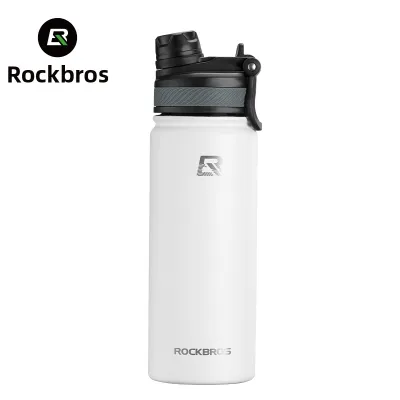
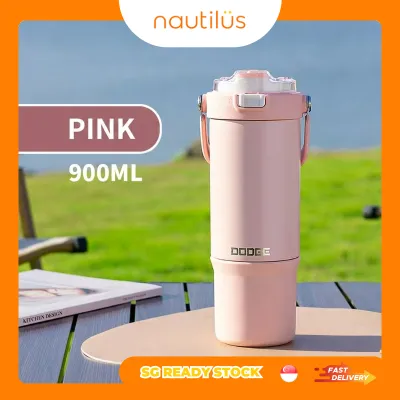
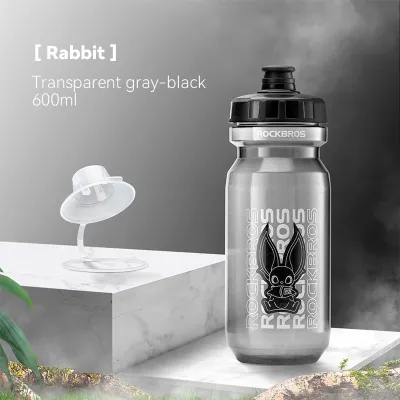
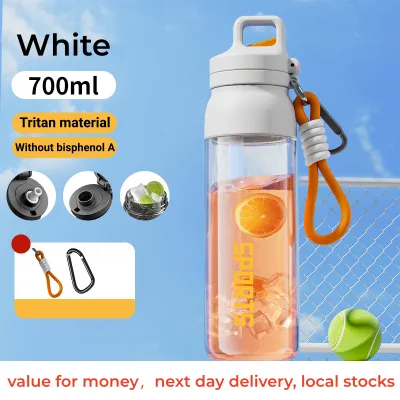
Prices are valid at publication and may change. Please refer to the product page for the latest price.

Double-wall vacuum insulation is the gold standard for temperature control. By removing the air between two stainless steel walls, vacuum insulation virtually eliminates heat transfer via conduction and convection. This technology can keep beverages cold for up to 24 hours. The trade-off is structural: stainless steel cannot be squeezed. To drink, you must use a straw lid or tilt the bottle upward, which requires a steady hand and takes your eyes off the road—a potential safety hazard when navigating busy park connectors or urban traffic.
Plastic insulated bottles solve the usability problem by using flexible, double-walled construction lined with lightweight insulating materials. These materials commonly include closed-cell foam or advanced silica-based aerogels. While these barriers slow down heat transfer, they do not stop it entirely. On a typical ride in 32°C heat, a plastic insulated bottle will generally keep water cool for one to four hours, depending on how much ice you use. The benefit is pure ergonomics: you can squeeze a high volume of water directly into your mouth with a single hand, keeping your focus on the road ahead.
Weight and frame dynamics also play a major role in your choice. A vacuum-insulated stainless steel bottle can weigh between 300 and 500 grams when empty, whereas a plastic insulated bottle typically weighs around 100 to 150 grams. When filled with 600 milliliters of water, a steel bottle adds significant top-heavy weight to your frame. This extra mass can cause standard plastic or carbon bottle cages to flex, potentially launching a heavy metal projectile onto the road when you hit a pothole or ride over rough gravel.
Comparing Top Brands for Insulated Cycling Bottles
Cycling-Specific Insulated Bottles
Brands that design bottles specifically for cycling focus heavily on cage compatibility, valve flow rates, and ease of use while in motion. Among the industry leaders, CamelBak and Specialized have developed distinct technologies to balance thermal efficiency with riding performance.
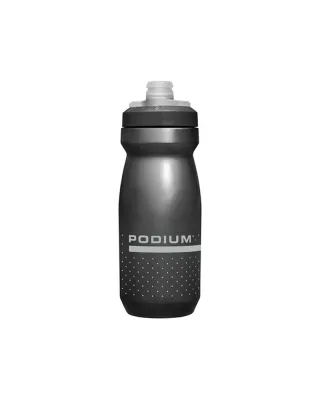
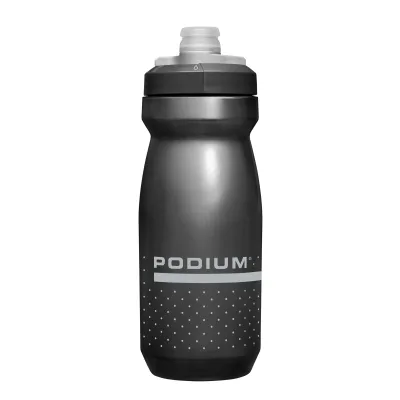
CamelBak is widely recognized for its Podium series, particularly the Podium Chill and Podium Ice models. The Podium Chill utilizes a double-wall construction with closed-cell foam insulation, while the premium Podium Ice features a proprietary aerogel liner. Aerogel is an incredibly lightweight, highly porous material that offers significantly better thermal resistance than standard foam without adding bulk. Both models feature CamelBak’s high-flow, self-sealing Jet Valve, which lets you hydrate instantly without pulling or pushing a spout. A mechanical lockout dial at the base of the cap ensures the bottle remains completely leakproof when tossed into a gear bag.
Specialized offers the Purist Insulated series, which addresses a common complaint among plastic bottle users: the lingering taste of plastic or previous sports drinks. Specialized infuses the inner wall of the bottle with an amorphous silicon dioxide coating. This glass-like barrier prevents stains, odors, and mold from adhering to the plastic. For insulation, the Purist Insulated uses a proprietary Chromatek liner—a flexible reflective barrier that helps bounce radiant heat away from your liquids. The bottle is paired with their Watergate valve, which utilizes a simple heart valve design to deliver high flow while remaining self-sealing and spill-proof.
When evaluating these cycling-specific options, always verify the manufacturer’s physical specifications. While most of these bottles are designed to fit standard 74mm bicycle cages, their double-walled construction makes them slightly wider than non-insulated bottles. If you use tight carbon cages or have a compact frame with limited clearance, check the outer diameter and height of the bottle before purchasing.
Versatile Vacuum-Insulated Brands
Premium outdoor brands like Hydro Flask and Yeti are famous for their rugged, highly effective vacuum-insulated stainless steel bottles. While not originally engineered for cycling, many riders adapt them for long-distance journeys where ice-cold water is a necessity.
Hydro Flask offers a specialized Lightweight Trail Series, which is designed to be 25 percent lighter than their standard vacuum bottles. By thinning the stainless steel walls while maintaining the integrity of their TempShield vacuum seal, they have created a bottle that is much easier to carry on a bicycle. When paired with their optional wide-mouth sport cap, it provides a functional one-handed drinking experience, though it still lacks the squeezability of plastic.
Yeti is renowned for its ultra-durable Rambler series, constructed from 18/8 kitchen-grade stainless steel that resists dents and drops. While Yeti bottles keep ice solid for an entire day of riding in extreme heat, they are notably heavy and rigid. Their standard lids are not optimized for rapid cycling hydration, but you can purchase aftermarket straw caps or chug lids to make drinking on the go more manageable.
Using these rigid metal bottles on a bicycle requires careful preparation. Standard metal or plastic cages can scratch the powder-coated finish of stainless steel bottles and generate annoying metal-on-metal rattling. To prevent this, look for rubber-lined cages, adjustable cages, or specialized fabric bottle holders that mount securely to your handlebars or frame bag.
Specification Comparison: What to Verify Before You Buy
To help you compare your options, the table below outlines the core specifications of popular insulated bottle categories. Always check the manufacturer’s updated specifications for exact dimensions, weights, and compatibility details before making a purchase.
| Bottle Model / Category | Insulation Type | Squeezeable | Empty Weight (Approx.) | Cage Compatibility | Valve / Cap Type |
|---|---|---|---|---|---|
| CamelBak Podium Ice | Aerogel & Foam | Yes | 150g | Standard (74mm) | Self-sealing Jet Valve with Lockout |
| Specialized Purist Insulated | Chromatek Barrier | Yes | 110g | Standard (74mm) | Watergate / Heart Valve |
| Hydro Flask Trail Series (21 oz) | Double-wall Vacuum | No | 270g | Standard (Tight Fit) | Wide-mouth Sport Cap / Straw Lid |
| Yeti Rambler (18 oz) | Double-wall Vacuum | No | 460g | Requires Adjustable Cage | Chug Cap / Bottle Straw Cap |
Decision Framework: Matching the Bottle to Your Ride Style
To find the perfect balance between cold retention and practical handling, consider your typical riding environment, bike setup, and hydration habits.
- Choose cycling-specific insulated plastic bottles if: You participate in fast-paced road group rides, mountain biking, or local criteriums. In these scenarios, you need to hydrate quickly with one hand while keeping your eyes on the riders around you. The lightweight design ensures your bike remains nimble, and the squeezable body allows you to drink large volumes of water during short recovery windows.
- Choose adapted stainless-steel vacuum bottles if: You are planning self-supported bikepacking trips, multi-hour touring rides in high heat, or casual commutes where you can stop safely to drink. If your pace is relaxed and your primary goal is preserving ice for 12 to 24 hours, the thermal performance of stainless steel easily outweighs the weight penalty.
- Verify first if: Your bike frame has a compact geometry, a full-suspension rear shock, or limited space inside the front triangle. Double-walled insulated bottles—both plastic and stainless steel—are taller and wider than standard bottles. Measure your frame's clearance to ensure you can easily slide the bottle in and out of the cage without hitting the top tube or rear shock. If clearance is tight, consider installing a side-loader bottle cage.
Care and Maintenance for Insulated Bottles and Valves
Proper maintenance is essential to preserve the thermal performance and hygiene of your insulated bottles, especially when riding in warm, humid climates where mold and bacteria thrive.
For plastic insulated bottles, clean them after every ride using warm, soapy water and a soft microfiber cloth. Avoid using stiff wire brushes or highly abrasive scrubbing pads on bottles with internal protective coatings, such as the Specialized Purist, as scratches can ruin the protective barrier. Regularly disassemble the bite valves and silicone gaskets. Many modern valves can be pulled apart completely; use a small cotton swab or a dedicated straw brush to clean out any sports drink residue that may have settled in the crevices.
For vacuum-insulated stainless steel bottles, always hand-wash the bottle body unless the manufacturer explicitly states that it is dishwasher safe. The extreme heat and harsh detergents of a dishwasher cycle can damage the exterior powder coating and, more importantly, compromise the vacuum seal. If the vacuum seal is broken, the bottle will lose its insulating properties permanently.
Finally, always refer to the specific care label and manufacturer instructions for your bottle. Never expose plastic insulated bottles to boiling water, as high temperatures can warp the plastic threads and cause the bottle to leak. Allow all components to air-dry completely in a well-ventilated area before reassembling and storing them.
Frequently Asked Questions (FAQ)
Do insulated cycling bottles fit standard bike cages?
Most cycling-specific insulated plastic bottles (such as those from CamelBak and Specialized) are designed to fit standard 74mm bicycle cages, though they may feel slightly snugger than non-insulated bottles due to their double-walled construction. In contrast, many vacuum-insulated stainless steel bottles have wider diameters or rigid, non-compliant bodies. If you plan to use a stainless steel bottle, measure its diameter and consider using an adjustable cage, a rubber-lined cage, or a side-loading cage to ensure a secure fit and prevent the bottle from launching on rough roads.
Can you put hot drinks in an insulated cycling bottle?
While vacuum-insulated stainless steel bottles are highly capable of holding hot liquids, the sport lids, straws, and bite valves designed for cycling are often not rated for high temperatures. Hot liquid can cause plastic valves to warp, leak, or create a burn hazard when sprayed. Plastic insulated cycling bottles should never be used with boiling or hot liquids, as the heat can damage the flexible plastic structure and compromise the internal insulation layers. Always check the manufacturer’s specific temperature limits for both the bottle body and the lid assembly before use.
Community discussion
Share your experience or ask a question. Comments are reviewed before publication.