
Quick Answer: Which Shake Bottle Keeps Drinks the Coldest?
Double-wall vacuum-insulated stainless steel bottles offer the absolute best cold retention for Singapore’s tropical heat. Standard single-wall plastic shakers fail to maintain cold temperatures for more than a few minutes once you step outside into the humid climate. If your primary goal is to keep pre-workout or protein drinks ice-cold during a long commute or an outdoor training session, transitioning to an insulated steel model is essential.
While lifestyle hydration brands like Owala, Stanley, and Yeti are highly regarded for their baseline thermal insulation, dedicated shaker brands like BlenderBottle have developed specialized insulated stainless steel lines designed specifically for mixing powders. These dedicated models combine vacuum insulation with functional mixing mechanisms like wire whisks or internal grids.
When selecting a shake bottle for your active routine, you must check the specific product line’s manufacturer specifications for ice-retention claims. Most major brands sell both insulated and non-insulated models within their product portfolios, meaning material verification is necessary before purchasing to ensure you get the thermal performance you expect.
Products mentioned in this guide
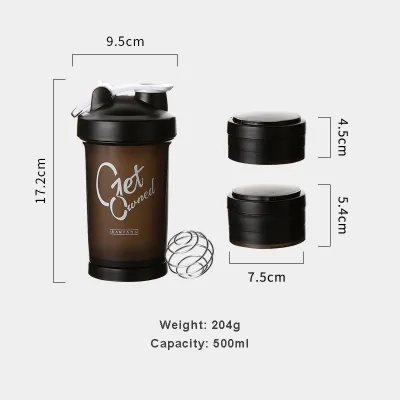
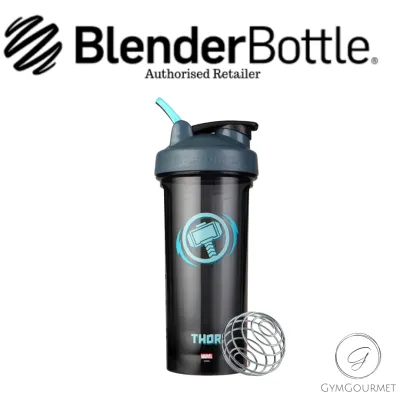
![[Cheapest] Baebear Protein Shaker Bottle with Blender Ball | BPA Free / Leak Free / Portable [Baebear.sg]](https://img.lazcdn.com/g/p/96545a1ba7591cacec90e401dcd485cb.jpg_400x400q80.jpg_.webp)
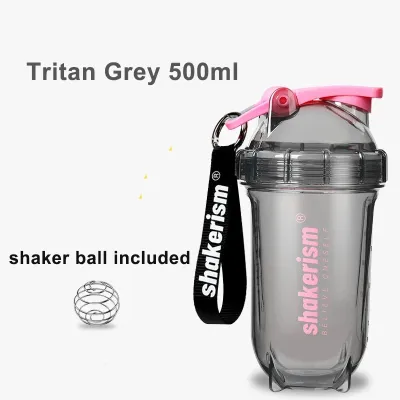
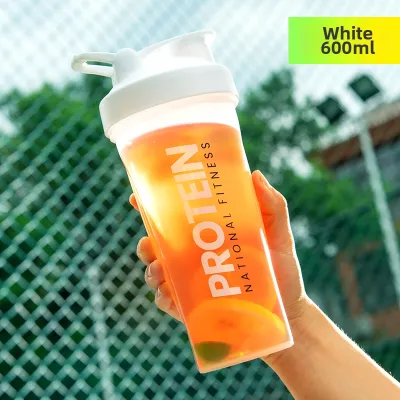
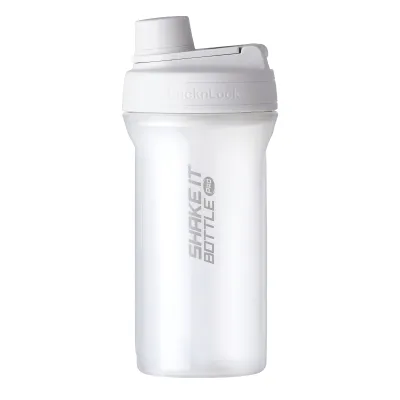
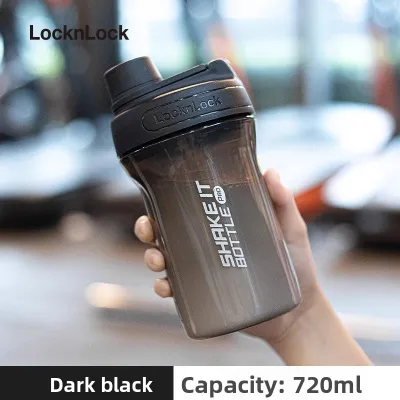
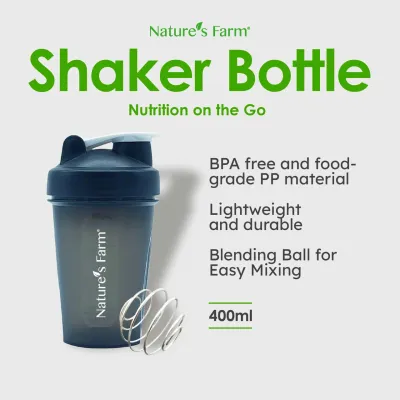
Prices are valid at publication and may change. Please refer to the product page for the latest price.
What Actually Keeps Your Shake Bottle Cold in High Heat?
Thermal performance relies on physical barriers that prevent heat transfer. Double-wall vacuum insulation is the most effective technology for this purpose. This design features two stainless steel walls with a vacuum sealed between them. Because a vacuum contains virtually no air molecules, heat cannot transfer via conduction or convection. This prevents the external tropical heat of Singapore, which frequently exceeds 32°C, from warming the contents of your bottle.

While the body of the bottle provides the bulk of the insulation, the lid is the primary point of potential heat exchange. A high-quality lid must feature thick, food-grade plastic or integrated insulation alongside robust silicone gaskets. These gaskets seal the opening completely, preventing warm ambient air from entering and cold air from escaping. A tight seal also ensures the bottle remains completely leak-proof during vigorous shaking.
Exterior finishes also play a practical role in thermal usability. Powder-coated exteriors provide a textured barrier that prevents condensation, commonly referred to as sweating, in highly humid environments. In Singapore, where relative humidity regularly hovers above 80%, a non-insulated bottle will sweat profusely, making it slippery and difficult to grip. A powder-coated, vacuum-insulated exterior remains dry and secure in your hand.
When your gear is left in a hot car, a gym locker, or on an outdoor fitness bench, internal temperatures can spike rapidly. To ensure your drink stays cold, verify the manufacturer’s stated material specifications—such as 18/8 food-grade stainless steel construction—rather than relying on generic marketing buzzwords. High-quality materials and true vacuum construction are the only features that guarantee long-lasting ice retention.
Comparing Popular Brands for Insulation and Shaking
Different bottle categories balance thermal insulation with the mechanical requirements of mixing protein or pre-workout supplements. Understanding how these designs differ helps you select the right balance of cold retention and mixing efficiency.
Dedicated Shaker Brands (e.g., BlenderBottle, Promixx)
Dedicated shaker brands prioritize mixing efficiency above all else. They utilize specialized physical mechanisms, such as surgical-grade stainless steel wire whisks (like the BlenderBall) or built-in mixing grids, to break up powder clumps and create smooth shakes. While their classic plastic models offer no insulation, their premium stainless steel insulated lines provide excellent cold retention.
These insulated models typically fall into a broad price band of S$35 to S$60 in the local market. The primary physical trade-off of these bottles is their weight and noise. Shaking a metal whisk ball inside a double-wall steel bottle is significantly louder than shaking one in a plastic bottle. If you train in a quiet studio, you may want to verify if the brand offers silicone-coated whisk options to reduce the clinking noise.
Insulated Lifestyle Brands (e.g., Owala, Stanley, Yeti)
Insulated lifestyle brands are celebrated for exceptional thermal performance, often keeping ice solid for up to 24 hours according to manufacturer specifications. They achieve this through heavy-duty vacuum sealing and robust, insulated lid designs. These bottles are highly durable and designed to withstand rugged daily use.
Because these brands focus on general hydration, they rarely come with built-in whisk balls or mixing grids. However, their wide-mouth designs make it easy to drop in an aftermarket mixing ball or simply swirl pre-mixed drinks by hand. When choosing a lifestyle bottle for mixing, pay close attention to the lid design. Straw lids can be difficult to clean if protein powder gets trapped in the mechanism, making wide chug caps or spout lids a much better choice for thick supplements. Additionally, verify that the lid is rated as completely leak-proof when inverted and shaken vigorously.
Smart or Motorized Shakers
Motorized or electric shakers represent a tech-focused niche. These bottles use a built-in, rechargeable motor at the base to spin a small plastic paddle blade, mixing your supplements hands-free at the press of a button. They are highly effective at blending smooth shakes without requiring manual effort.
However, their insulation performance varies heavily by model. Many motorized shakers are made from single-wall acrylic or plastic, offering zero thermal insulation. While insulated stainless steel motorized models exist, they are significantly heavier and require careful handling. The electronic base limits how you can maintain the bottle: you cannot submerge the motorized base in water, place it in a dishwasher, or store it in a refrigerator. Before purchasing, verify the battery life, the waterproof rating of the charging port, and the manufacturer’s specific insulation claims.
Standard Plastic Shakers (e.g., Classic BPA-Free Tritan)
Standard single-wall plastic shakers, typically made from BPA-free Tritan plastic, are the most common bottles found in fitness centers. They are lightweight, highly durable, and very inexpensive, usually costing between S$15 and S$25. They are excellent for quick mixing and easy transport.
Their main drawback is a complete lack of thermal insulation. In Singapore’s warm climate, ice melts rapidly inside a plastic bottle, and a cold drink will reach room temperature within 15 to 30 minutes. These bottles are highly practical if you train strictly in air-conditioned indoor gyms and consume your shake immediately after mixing, but they are not suitable for keeping drinks cold over extended periods.
The Trade-Off: Shaking Performance vs. Thermal Insulation
Combining a heavy, double-wall insulated steel structure with a mechanical mixing system involves clear physical compromises. Understanding these trade-offs helps prevent common user frustrations and safety hazards during your workouts.
Noise is the most immediate physical trade-off. Shaking a stainless steel wire ball against the rigid inner steel walls of an insulated bottle produces a loud, metallic clinking sound. Some manufacturers address this by using silicone-coated whisk balls or integrated plastic mixing grids that snap directly into the lid. If you prefer a quiet workout environment, verify the mixing mechanism’s material and design before making a purchase.
Pressure build-up is a critical safety and usability concern. Shaking liquids—especially warm water, carbonated beverages, or effervescent pre-workout powders—generates gas and pressure inside a tightly sealed bottle. Because high-quality vacuum bottles seal exceptionally well to prevent temperature loss, this pressure has no way to escape. Opening the flip cap can cause the liquid to spray violently or pop the lid open unexpectedly, creating a mess or causing minor injury.
To manage pressure safely, always “burp” the bottle by opening the flip cap or spout slightly to release air before shaking, and never shake hot or boiling liquids in a sealed vacuum bottle. Always consult the manufacturer’s care instructions regarding temperature limits. If the instructions conflict with your intended use, or if the bottle is not rated for hot liquids, restrict its use entirely to cold or room-temperature drinks.
In Singapore’s hot and humid climate, hygiene is an ongoing challenge. Protein residue trapped in the threads of an insulated lid or around silicone gaskets will quickly breed bacteria and mold, resulting in stubborn, foul odors. Insulated bottles often feature more complex lid structures than simple plastic shakers, requiring diligent cleaning. Ensure all silicone gaskets are fully removable, and wash all components thoroughly after every workout.
How to Choose the Right Shake Bottle for Your Routine
To select the ideal bottle for your fitness routine, evaluate your typical workout environment, commute, and mixing preferences using this conditional framework:
- Choose an insulated stainless steel shaker if: You commute outdoors, train in non-air-conditioned spaces (such as outdoor fitness corners, open-air crossfit boxes, or community stadiums), or need your protein shake to remain ice-cold for several hours before you drink it.
- Choose a standard plastic shaker if: You prioritize ultra-lightweight gear, mix your supplements immediately before consumption, and train strictly in air-conditioned indoor fitness centers with easy access to chilled water dispensers.
- Choose a wide-mouth insulated tumbler with an aftermarket whisk if: Your absolute priority is maximum ice retention, you want a bottle that doubles as a daily water flask, and you do not mind a slightly less integrated mixing experience.
- Verify first if: The lid is explicitly rated as leak-proof when inverted and shaken. Many lifestyle insulated bottles are designed only for upright carrying and may leak under the internal pressure generated by vigorous shaking. Always check the manufacturer's product specifications to confirm the bottle is safe for shaking.
Frequently Asked Questions (FAQ)
Can I put a metal whisk ball in a stainless steel insulated bottle?
Yes, it is physically safe to use a stainless steel whisk ball inside a food-grade stainless steel insulated bottle. The metal ball will not scratch or damage the structural integrity of the inner steel wall. However, it will produce a loud clinking noise during transport and shaking. If you want a quieter experience, consider using a silicone-coated whisk ball or a bottle with a built-in lid grid.
Why does my insulated shaker bottle leak when I shake it?
Many insulated bottles are designed primarily for sipping water, not for the high internal pressure created when shaking thick liquids or powders. If your bottle leaks, check that the silicone gasket inside the lid is properly seated and clean. Additionally, ensure you are using a dedicated shaker lid with a secure locking mechanism, and release any built-up pressure by opening the spout briefly before shaking.
How do I prevent my shaker bottle from smelling bad in humid weather?
Singapore’s high humidity accelerates bacterial growth and mold in trapped moisture. To prevent odors, rinse your bottle with warm water immediately after use. Wash it thoroughly with warm, soapy water, paying close attention to the lid gaskets. Most importantly, store the bottle completely disassembled with the lid off to allow all components to air-dry fully.
Community discussion
Share your experience or ask a question. Comments are reviewed before publication.