
Selecting home fitness equipment for a compact Singapore Housing & Development Board (HDB) flat requires a careful balance of spatial efficiency, storage convenience, and personal privacy. When it comes to pelvic floor fitness, finding the best kegel device involves evaluating how easily a trainer can be stored in limited drawer space, whether it operates silently in a shared household, and how discreetly it can be integrated into your daily routine. The ideal choice for most HDB residents is an internal smart trainer or a compact set of physical weights, both of which offer a virtually zero-footprint storage profile and complete acoustic privacy.
While larger fitness gear like treadmills or stationary bikes often dominate discussions about home workouts, pelvic floor training is a highly personal practice that demands a different set of design priorities. Modern BTO flats, with their streamlined layouts and multi-generational or shared living arrangements, leave little room for bulky wellness devices. By focusing on compact, smart, and easily concealable options, you can maintain a consistent pelvic floor routine without compromising your living space or your privacy.
Why Space and Privacy Matter for Kegel Training in HDBs
Singapore’s HDB flats are celebrated for their highly efficient layouts, but this efficiency means that every square meter of floor and storage space is at a premium. Unlike spacious landed properties, a typical 3-room, 4-room, or 5-room flat rarely has spare, unused corners to dedicate to specialized fitness equipment. Intimate wellness devices must compete for space in shared bedroom wardrobes, small bathroom vanities, or limited under-bed storage boxes, making physical size a primary consideration for any prospective buyer.
Products mentioned in this guide
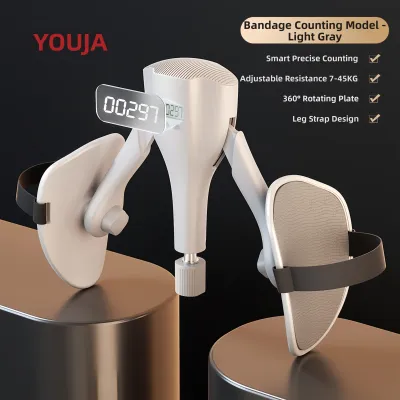
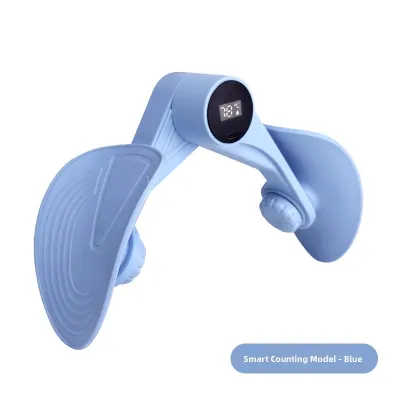
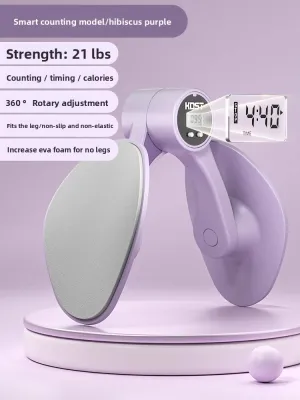
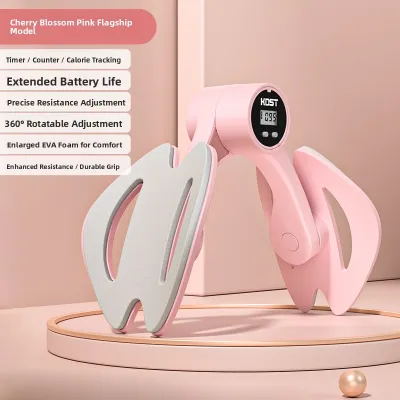
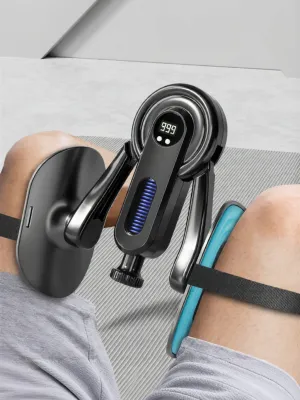
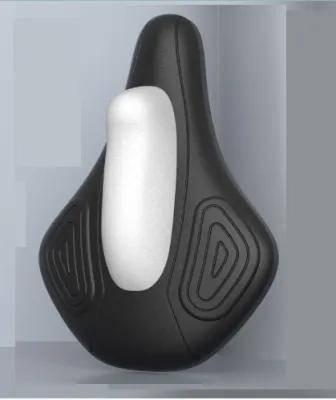

Prices are valid at publication and may change. Please refer to the product page for the latest price.
Visual discretion is equally critical when living in close proximity to family members, roommates, or children. A fitness device that features a large, conspicuous charging dock or an obvious medical aesthetic can lead to unwanted curiosity or awkward conversations in a shared household. Having a trainer that easily slips into a standard, unmarked cosmetic bag or a small personal drawer ensures your exercise regimen remains entirely private and integrated seamlessly into your lifestyle.
Furthermore, acoustic privacy is a vital yet frequently overlooked factor due to the structural nature of high-density public housing. Sound travels easily through partition walls, under bedroom doors, and along shared bathroom ventilation shafts. If a pelvic floor device relies on loud motorized vibrations or emits sharp audio cues during its biofeedback routines, using it while others are home can become a source of stress. To ensure you remain consistent with your training, your chosen device must operate in near-total silence.
Kegel Device Types Evaluated for Small-Space Living
To find the most suitable pelvic floor trainer for your flat, it is helpful to evaluate the main categories of consumer devices based on their physical footprint, storage requirements, and acoustic impact. Each type offers distinct advantages and trade-offs depending on your personal comfort levels and home environment.

Internal Smart Trainers and Weights (Zero Footprint)
Internal pelvic floor devices, which include physical kegel weights (such as silicone-coated spheres or cones) and app-connected smart trainers, represent the most space-efficient option available. Because these devices are designed for internal use, their physical dimensions are exceptionally small—often no larger than a standard travel cosmetic bottle or a small computer mouse. This ultra-compact profile means they take up virtually zero storage space, fitting effortlessly into a vanity drawer or a personal toiletry pouch.
In terms of privacy, internal options are unmatched. Physical weights are entirely passive and silent, relying on your body’s natural muscle engagement to hold them in place. Smart internal trainers use ultra-quiet sensors to measure muscle contraction, communicating data via Bluetooth to a companion smartphone app. Because the smartphone screen serves as the visual interface and any guiding cues are delivered silently via your screen or personal headphones, there is absolutely no external sound to alert others in your household.
Before purchasing an internal device, always check the manufacturer’s material specifications to ensure it uses body-safe, medical-grade silicone. Additionally, verify that the device’s charging case or travel pouch is also compact, as some models include unnecessarily bulky retail packaging that defeats the purpose of a small-footprint design.
External Biofeedback Cushions and Pads (Compact Storage)
For individuals who prefer a non-invasive option, external biofeedback cushions and wearable pads offer a practical alternative. These devices typically feature pressure-sensitive sensors built into a flat cushion that you sit on, or a slim pad worn externally. They measure pelvic floor engagement through your clothing and transmit the performance data to a mobile application, making them highly accessible and comfortable for beginners.
When it comes to HDB storage, these cushions are relatively easy to manage. They are generally flat, lightweight, and designed to blend in with standard home decor, often resembling a simple seat cushion or a laptop sleeve. You can easily slide them under a bed, tuck them vertically between a wardrobe and the wall, or place them on a study chair without drawing attention.
However, acoustic and visual privacy requires a bit more attention with external options. While the cushions themselves do not vibrate loudly, some models utilize audio tones to guide your contractions. To maintain privacy in a shared flat, look for devices that allow you to mute the physical unit and route all audio cues through your phone’s wireless earbuds.
Pelvic Floor EMS Chairs and Large Stimulators (Impractical for Small Homes)
On the opposite end of the spectrum are clinical-grade electromagnetic (EMS) chairs and large tabletop biofeedback machines. These systems use high-intensity focused electromagnetic technology or complex multi-cable stimulators to trigger pelvic floor contractions. While they are highly effective in clinical environments or dedicated physical therapy offices, they are fundamentally incompatible with HDB living.
A pelvic floor chair is a substantial piece of furniture, often weighing dozens of kilograms and requiring a permanent footprint near an electrical outlet. It cannot be folded, hidden in a drawer, or tucked away when guests visit. Furthermore, these machines often make noticeable humming or clicking noises during operation, which completely eliminates any sense of acoustic privacy.
For home use, it is highly recommended to leave these bulky systems to professional clinics. Investing in consumer-grade, compact alternatives allows you to maintain a clutter-free home while achieving your fitness goals on your own schedule.
Essential Features for Discreet and Quiet Use
When shopping for a compact pelvic floor trainer, looking at the product specifications through the lens of HDB living will help you avoid buyer’s remorse. Focus on these key technical and design details before making your purchase:
- Storage and Case Dimensions: Do not just look at the dimensions of the device itself; check the size of its charging case or storage container. Some tiny smart trainers come with massive, egg-shaped charging docks that require a permanent spot on your counter. Look for streamlined, flat cases that can easily slip into a drawer or a travel pouch.
- Noise Output and Vibration Levels: If you choose an active smart trainer that uses haptic feedback (vibrations) to guide your exercises, check the product specifications for noise ratings. Look for terms like "whisper-quiet" or vibration levels under 50 decibels. If the manufacturer does not list the decibel level, check user reviews specifically for mentions of motor hum or buzzing.
- App-Reliance and Screen Discretion: Devices that rely entirely on a companion smartphone app for visual feedback are vastly superior for small-space discretion. They eliminate the need for a dedicated handheld controller with a bright, glowing screen. By using your phone, your workout looks like standard screen-scrolling to anyone walking past your room.
- Charging Footprint and Cable Types: Opt for devices that charge via standard USB-C or magnetic USB cables rather than proprietary wall adapters or bulky docking stations. This allows you to share charging cables with your phone or other electronics, reducing cable clutter in your bedroom or bathroom and keeping your setup highly minimalist.
Common Sizing and Storage Mistakes to Avoid
Many homeowners make the mistake of focusing solely on a device’s features without considering how it fits into their physical living environment. Avoid these three common pitfalls to ensure your purchase remains a practical, long-term addition to your routine:
- Mistake 1: Ignoring the "In-Box" Footprint: Many high-end kegel devices are packaged in elaborate, rigid presentation boxes that take up a significant amount of closet space. If you plan to keep the original packaging for hygienic storage, ensure its dimensions are compatible with your drawers. Alternatively, prepare to discard the outer box and transition the device to a small, breathable, opaque cosmetic bag immediately.
- Mistake 2: Overlooking Multi-Piece Sets: Purchasing a progressive training kit with six or seven individual weights might seem like a great value, but it presents a storage challenge. These kits often come with a wide plastic tray or a large organizer. If space is tight, look for a single smart device that adjusts resistance digitally, or a highly compact, nested weight set where multiple weights fit into a single, small carrying sleeve.
- Mistake 3: Assuming All "Home Fitness" Gear is Quiet: Never assume a motorized pelvic floor device is naturally quiet. A vibration that feels faint in a large, carpeted showroom can sound incredibly loud when placed on a hard wooden bedside table or a tiled bathroom counter in a quiet HDB flat at night. Always test or verify the vibration dampening of the device's storage case if it charges while plugged in.
Frequently Asked Questions (FAQ)
Are smart Kegel devices safe to use in shared HDB bathrooms?
Yes, provided you verify the device’s water-resistance rating. Look for an IPX7 rating or higher, which indicates the device can be safely submerged in water for cleaning and is safe from splashes near wet sinks. If you share a bathroom with family members, always clean and dry the device thoroughly in your private space before storing it. Never leave electrical charging components or non-waterproof docks near open water sources or in humid bathroom environments where condensation can damage the internal circuitry.
How do I clean and store Kegel weights discreetly?
To maintain hygiene and privacy, clean your silicone kegel weights immediately after use with warm water and a mild, unscented, antibacterial soap. Avoid harsh chemical cleaners or boiling water unless explicitly permitted by the manufacturer’s care instructions, as high heat can degrade medical-grade silicone. Once completely air-dried, place the weights inside an opaque, breathable cotton or microfiber pouch. This keeps them free from dust and lint while ensuring they remain completely hidden from view inside your wardrobe or personal toiletries drawer.
Community discussion
Share your experience or ask a question. Comments are reviewed before publication.