
When building a home gym or selecting equipment for a training studio in Singapore, choosing the right kettlebell weights is one of the most critical decisions you will make. Unlike dumbbells, which are primarily used for linear, controlled movements, kettlebells are designed for dynamic, ballistic exercises like swings, cleans, snatches, and jerks. This means the quality of construction directly impacts not only your training performance but also your physical safety. A poorly manufactured kettlebell with a rough handle can tear your hands within minutes, while a weak, welded handle poses a severe risk of catastrophic failure mid-swing.
Before beginning any heavy resistance training, it is essential to recognize your own physical limits. Equipment alone cannot replace proper lifting technique or professional coaching. If you experience joint pain or lose control of your form during a set, stop immediately to prevent acute injury. In Singapore’s unique market, finding the perfect balance between quality and value requires navigating specific local challenges. Space-constrained housing, such as Housing & Development Board (HDB) flats, means you must carefully select a versatile weight set that does not clutter your living area. Furthermore, Singapore’s persistent tropical humidity creates an ideal environment for rust and corrosion, making the choice of material and surface finish incredibly important. This guide will break down the essential quality indicators of kettlebells, categorize the available brand tiers, and provide actionable advice on how to purchase and maintain your equipment locally.
How to Assess Kettlebell Quality and True Value
To make an informed purchase, you must understand what separates a high-quality kettlebell from a cheap, potentially dangerous imitation. Marketing terms can be misleading, but physical construction standards do not lie.
Products mentioned in this guide
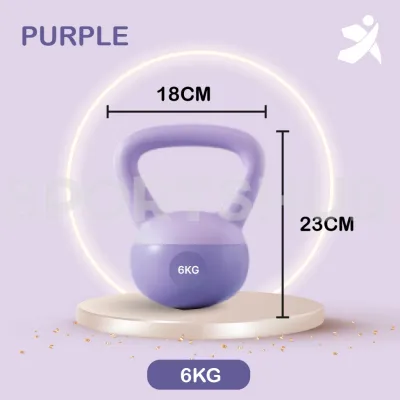
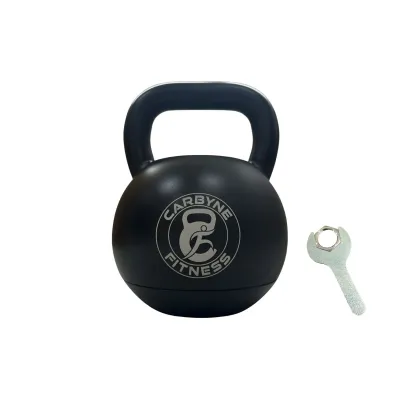
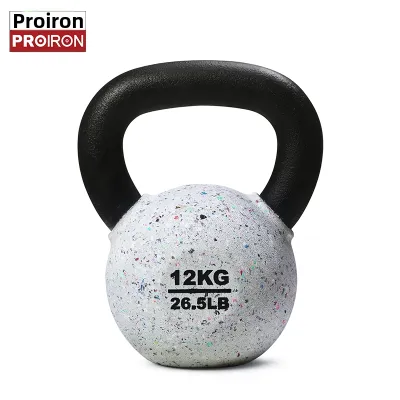
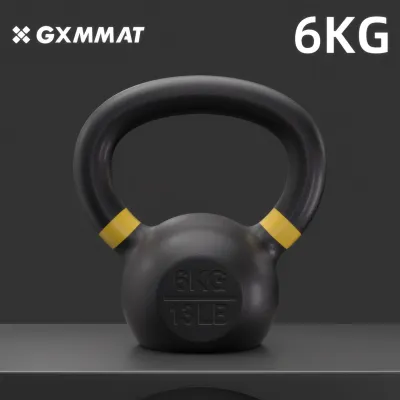
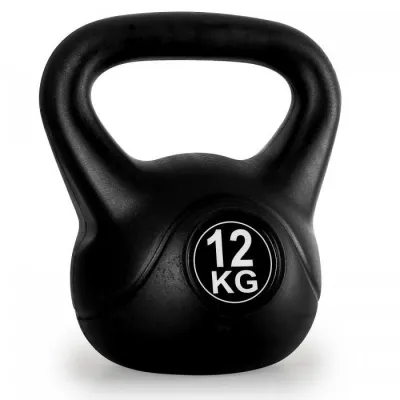
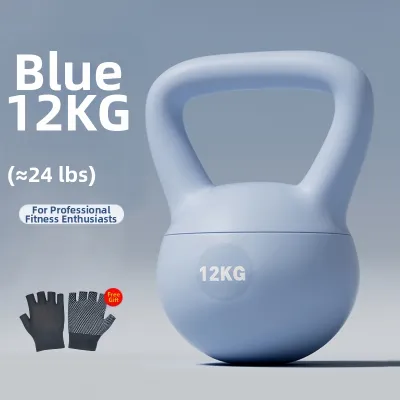
Prices are valid at publication and may change. Please refer to the product page for the latest price.
Material and Casting Methods
The gold standard for kettlebell construction is single-piece casting. This process involves pouring molten metal—typically gray iron, ductile iron, or steel—into a single mold. The entire kettlebell, including the bell and the handle, cools and solidifies as a single, continuous piece of metal. This eliminates any weak points. In contrast, cheaper manufacturing methods often cast the bell and the handle separately, welding them together afterward. Welded joints are inherently prone to cracking under the repeated high-velocity stress of ballistic movements. If a weld fails during a heavy swing or snatch, the heavy bell can fly off, causing severe injury or property damage. When evaluating kettlebell weights, always verify that the manufacturer uses single-piece casting.
Handle Design and Finish
The handle is your only point of contact with the kettlebell, making its design paramount. A high-quality handle should have a consistent diameter—typically around 33mm to 35mm for general fitness kettlebells—to allow for a secure, comfortable grip without overtaxing your forearm muscles. The finish of the handle determines how well it retains chalk and how it slides in your hand. Powder coating is widely considered the best overall finish for cast iron kettlebells. It provides a slightly textured, matte surface that offers excellent grip security and holds chalk exceptionally well, even when your hands are slick with sweat. Enamel or painted finishes, while often cheaper, tend to be glossy and slippery. They can easily chip, leaving behind sharp edges that cut your skin. Chrome-plated handles look premium but can become incredibly slick when wet and are prone to peeling over time.
Base Flatness and Stability
A perfectly flat, machined base is a non-negotiable safety feature for many ground-based exercises. Movements like renegade rows, push-ups on the kettlebell handles, and floor presses require the kettlebell to stand upright on the floor without wobbling. If the base of the kettlebell is uneven or rounded due to poor casting quality, it can suddenly tip over under your body weight, leading to severe wrist sprains or fractures. When inspecting a kettlebell, place it on a completely flat, hard surface and attempt to rock it from side to side. Any noticeable movement indicates a poorly machined base that should be avoided for safety-critical exercises.
Defining Value
True value in fitness equipment is rarely found in the lowest upfront price tag. A budget kettlebell that rusts within months, damages your hands, or becomes unsafe to use represents poor value. Conversely, a slightly more expensive, high-quality kettlebell that lasts a lifetime and maintains its structural integrity is an exceptional investment. When calculating value, consider the durability of the finish, the ergonomics of the handle, the accuracy of the weight calibration, and the warranty support provided by the brand. Investing in a reliable tool upfront saves you the cost and hassle of replacing damaged equipment down the line.
Kettlebell Brand Tiers: Matching Kettlebell Weights to Your Training Needs
The global and local fitness markets offer a wide array of kettlebells, which can be broadly categorized into three distinct tiers. Understanding these tiers allows you to align your specific training goals and budget with the appropriate level of quality.

Premium and Competition-Grade Options
Competition Specifications
Competition kettlebells are engineered to meet strict international standards for kettlebell sport (Girevoy Sport). Regardless of whether the kettlebell weighs 8kg or 48kg, its physical dimensions remain completely identical. This includes the bell diameter, the height, the handle diameter (standardized at 35mm), and the size of the handle window. This uniformity is achieved by using a hollow steel shell. For lighter weights, the interior remains hollow or contains calibrated fillers; for heavier weights, the steel wall is thicker. This design ensures that your lifting mechanics, hand insertion, and resting positions on your forearm remain identical as you progress to heavier weights.
Brand Characteristics
Premium brands in this tier utilize high-grade steel rather than cast iron, which is significantly more resistant to cracking or breaking. They feature highly precise weight calibration, often guaranteeing a tolerance of within +/- 100 grams of the stated weight. The handles are typically left as bare, finely polished steel to allow for smooth rotation in the hand during high-repetition snatches and jerks, while the bells are color-coded according to international standards (e.g., 16kg is yellow, 24kg is green, 32kg is red) using durable powder or polyurethane coatings.
Value Consideration
Because of the complex manufacturing processes and high-grade materials, premium competition kettlebells command a significant price premium. They represent the best value for competitive lifters, advanced strength athletes, or those who perform high-repetition ballistic movements and demand absolute precision. However, for casual home users who primarily perform two-handed swings and basic strength lifts, the high cost and narrow handle windows of competition-grade bells may not be the most practical choice.
Mid-Range Cast Iron for Home Gyms
Classic Cast Iron Features
Mid-range cast iron kettlebells represent the sweet spot for the vast majority of fitness enthusiasts. These are solid, single-piece cast iron weights, typically finished with a high-quality powder coating. Unlike competition kettlebells, their physical size increases as the weight increases. This makes lighter weights highly compact and easy to maneuver, which is a major advantage for double-kettlebell exercises in confined home spaces. The handles of cast iron kettlebells are generally wider and slightly curved, providing ample room for two-handed grips, making them highly versatile for general strength training, CrossFit, and metabolic conditioning.
Brand Positioning
Mid-tier brands focus on delivering exceptional structural quality without the costly calibration and material expenses of competition steel. They offer reliable single-piece casting, smooth handles free of sharp seams, and durable powder coatings that resist chipping. The weight tolerance is typically within a reasonable range (often +/- 2% to 3%), which is perfectly acceptable for general strength and conditioning purposes.
Value Consideration
For most home gym owners in Singapore, this tier offers the absolute best value. You receive an incredibly durable, ergonomically sound tool that can withstand decades of intense use, all at a fraction of the cost of competition-grade steel. It is the most practical choice for mastering foundational movements like swings, cleans, and presses without overspending.
Budget-Friendly and Entry-Level Choices
Entry-Level Materials
At the lower end of the price spectrum, you will find kettlebells made from alternative materials such as vinyl, neoprene, or plastic shells filled with cement or sand. There are also basic cast iron kettlebells coated in thick enamel or paint. While these options are highly accessible, they come with significant trade-offs. Cement-filled plastic kettlebells are notoriously bulky, making proper exercise mechanics difficult to maintain. Neoprene and vinyl coatings can split over time, and if moisture gets trapped underneath, the core can degrade or rust silently.
Quality Verification
If you choose to purchase an entry-level kettlebell, rigorous quality checks are essential to prevent injury. Inspect the handle closely for prominent casting seams. In cheap manufacturing, the two halves of the mold leave a raised ridge of metal along the inside of the handle. Under the friction of a swinging kettlebell, this seam acts like sandpaper, causing painful blisters and tears on your palms. Ensure the handle is wide enough for your hands and that the base is stable. Avoid any kettlebell where the handle feels loosely attached or shows signs of welding.
Value Consideration
Budget-friendly kettlebells are suitable for beginners who want to try kettlebell training without a significant financial commitment, or for individuals using them solely for slow, static movements like goblet squats or deadlifts. However, if you plan to train consistently or progress to ballistic exercises, you will likely outgrow these options quickly. Upgrading to a mid-range powder-coated cast iron kettlebell early on often proves to be more cost-effective than buying a cheap model that you must replace a few months later.
Purchasing and Verifying Kettlebells in Singapore
Buying heavy fitness equipment in Singapore requires a strategic approach to avoid unnecessary expenses and ensure you get a product suited to your home environment.
Navigating Freight and Shipping Costs
Because kettlebell weights are incredibly dense and heavy, shipping costs can heavily influence the final price you pay. Ordering directly from international brands based in the West often incurs freight charges that double or triple the cost of the item itself. To get the best value, look to purchase from local specialized fitness distributors and retailers in Singapore. These distributors import equipment in bulk sea containers, drastically reducing the per-unit shipping cost. Buying locally not only saves you money but also ensures faster delivery times and simplified return processes if any issues arise.
In-Store vs. Online Evaluation
While online shopping on local ecommerce platforms is highly convenient, visiting a physical showroom or sporting goods store in Singapore offers distinct advantages. Physically handling a kettlebell allows you to test the grip diameter and texture against your own hand size. You can feel whether the powder coating is too rough or too slick, and check if the handle window accommodates your hands comfortably. It also allows you to place the kettlebell on the showroom floor to verify its stability firsthand, eliminating the risk of receiving a wobbly product.
Verifying Specifications Upon Delivery
When your kettlebell is delivered to your home, perform a thorough inspection before signing off or discarding the packaging. First, weigh the kettlebell on a reliable home scale to confirm it matches the ordered specification. Be aware of whether the weight is marked in kilograms or pounds; a 16kg kettlebell is roughly 35 lbs, and mixing up these units can disrupt your training progression. Check the entire surface for shipping damage, such as deep gouges or chipped coatings that expose raw metal. Finally, review the merchant’s warranty terms, paying close attention to what is covered regarding finish degradation and structural failures.
Climate and Maintenance
Singapore’s tropical climate presents a unique challenge for gym equipment. With relative humidity levels frequently hovering around 80% to 90%, raw iron and steel will oxidize and rust rapidly if left unprotected. To protect your investment, avoid storing your kettlebells on open balconies, service yards, or damp garages. Keep them in dry, well-ventilated, or air-conditioned indoor spaces. After every training session, wipe down the handle and bell with a clean, dry microfiber cloth to remove sweat and oils, which accelerate corrosion. If you notice minor surface rust forming on chipped areas or bare metal handles, consult the manufacturer’s care instructions before applying a light coat of protective oil or rust-inhibitor.
Frequently Asked Questions (FAQ)
Are adjustable kettlebells a reliable alternative to fixed-weight brands?
Adjustable kettlebells can be an excellent, space-saving solution for Singapore apartments where square footage is at a premium. A single adjustable unit can replace an entire rack of fixed-weight kettlebells, offering great cost-efficiency. However, they do have drawbacks. The internal locking mechanisms, plates, or dials introduce moving parts that can wear out, rattle, or break over time if dropped. Furthermore, the physical shape and weight distribution of an adjustable kettlebell can feel bulky or unbalanced compared to a solid, single-piece cast iron bell, which can interfere with the smooth execution of dynamic, high-velocity movements. They are best suited for users with limited space who focus primarily on slow strength lifts rather than high-repetition ballistic training.
What is the practical difference between cast iron and competition kettlebells?
The primary difference lies in their physical dimensions and handle designs. Cast iron kettlebells increase in physical size as they get heavier, meaning a 24kg bell is much larger than an 8kg bell. Their handles are wider and curved, making them ideal for two-handed exercises like standard swings. Competition kettlebells maintain a uniform size across all weights, utilizing a hollow steel body to adjust the load. Their handles are narrower, straighter, and unpainted, designed specifically for single-handed, high-repetition movements where the bell must rotate smoothly around the wrist. If your goal is general fitness and two-handed swings, cast iron is ideal. If you are training for kettlebell sport or advanced single-arm ballistics, competition steel is the superior choice.
How can I prevent my kettlebell from rusting in a humid climate?
Preventing rust in Singapore’s humid climate requires consistent, proactive maintenance. Always wipe down your kettlebell with a dry cloth immediately after use to remove sweat, which contains corrosive salts. Store your equipment indoors in a dry, well-ventilated room, and avoid exposing it to rain or outdoor humidity on balconies. For kettlebells with bare steel handles or areas where the powder coating has chipped, check the manufacturer’s care instructions first. If permitted, you can periodically apply a very thin layer of mineral oil or 3-in-1 oil to the exposed metal, wiping off any excess thoroughly so the handle does not become slippery or compromise your grip safety during training.
Community discussion
Share your experience or ask a question. Comments are reviewed before publication.