
Selecting the right kicking target for a home gym requires balancing durability, shock absorption, and spatial limits. While some fitness enthusiasts opt for a freestanding boxing machine to practice rapid punching combinations, martial artists training in Muay Thai, kickboxing, or taekwondo need specialized targets capable of withstanding heavy shin, knee, and elbow strikes. The ideal target brand depends on your training intensity, whether you have a consistent training partner, and the structural constraints of your living space.
Key Features to Evaluate Before Buying a Kicking Target
Material Durability
Genuine leather, such as cowhide or buffalo hide, offers unmatched tensile strength and natural elasticity. Under heavy, repetitive shin strikes, leather stretches slightly and recovers, preventing surface cracking and seam split. High-grade synthetic leathers, such as microfiber or heavy-duty polyurethane (PU), have improved significantly and offer a highly durable alternative. Microfiber synthetics closely mimic leather’s grain and durability at a lower weight, while standard vinyl or low-grade PU can tear along the seams under high-velocity kicks.
Filling and Shock Absorption
The interior composition determines how well a target protects both the striker’s shins and the holder’s joints. High-density, multi-layered EVA or latex foam is the industry standard for premium targets. This layering decelerates the impact progressively, dispersing kinetic energy outward rather than reflecting it back into the kicker’s limb. Shredded fabric or compressed rag fillings, often found in traditional heavy bags, provide realistic density but can settle at the bottom over time, creating dangerously hard spots and empty upper sections.
Products mentioned in this guide
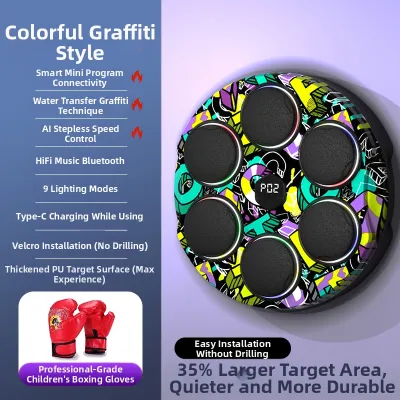
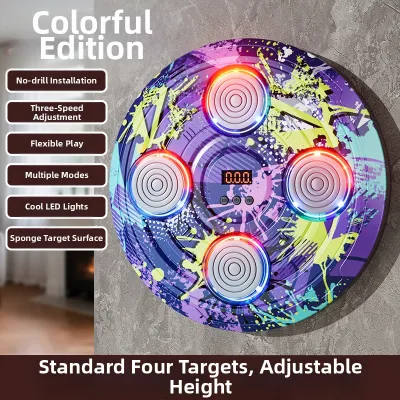
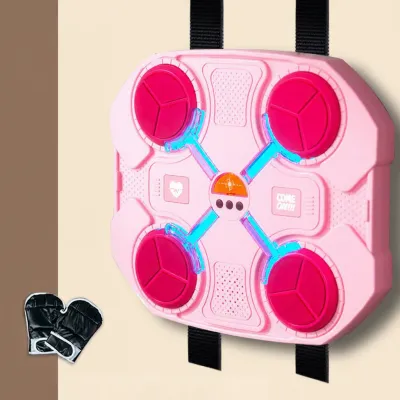
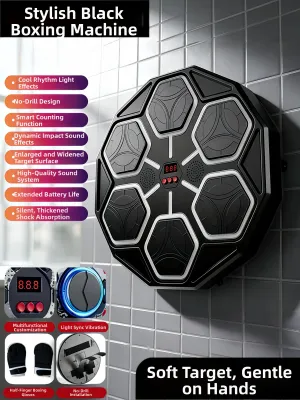

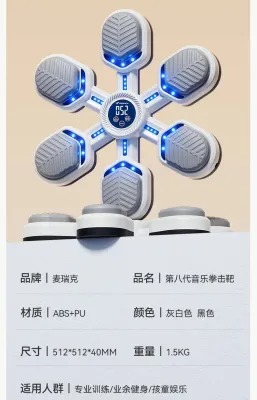
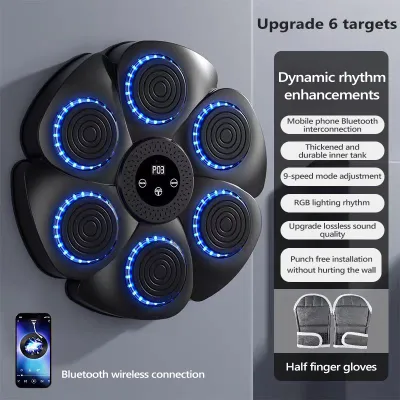
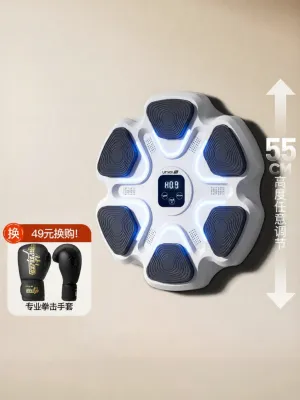
Prices are valid at publication and may change. Please refer to the product page for the latest price.
Shape and Training Application
Different target shapes serve distinct training goals. Long, heavy banana bags (typically 1.8 meters or 6 feet) remain anchored to the floor, making them ideal for practicing low roundhouse kicks, teeps (push kicks), and footwork. Teardrop bags feature an angled, bulbous design that excels for practicing upward knee strikes, clinching drills, and close-range elbows. For dynamic partner training, Thai pads (curved forearm shields) are indispensable, allowing a holder to call out rapid combinations and move realistically to simulate a live opponent.
Space and Mounting Constraints
Installing a kicking target at home requires assessing physical space and structural safety. A hanging heavy bag requires a clear swing radius of at least 1.5 to 2 meters in all directions to prevent collisions with walls or furniture. In typical residential layouts, ceiling heights average around 2.6 meters, meaning hanging straps and chains must be adjustable to keep the target at the correct training height. Freestanding targets eliminate the need for drilling but occupy a larger permanent floor footprint, requiring careful placement to avoid blocking pathways.
Reliable Kicking Target Brands for Home Training
Premium Thai Brands for Authentic Muay Thai Practice
For practitioners dedicated to authentic Muay Thai, heritage brands from Thailand offer unmatched construction quality. Brands like Fairtex and Twins Special are globally recognized for manufacturing professional-grade equipment. Fairtex is particularly famous for its curved Thai pads (such as the KPVG series) and heavy-duty banana bags (like the HB6). These brands utilize premium, thick cowhide leather and dense, multi-layered padding that can withstand years of daily, full-power roundhouse kicks without collapsing.

The structural integrity of these premium Thai targets is reinforced by hand-stitched seams and heavy-duty riveted handles. However, home buyers must consider several practical trade-offs. Premium leather gear carries a higher price tag, often ranging from S$150 to over S$350 per piece or pair. Additionally, the sheer weight of genuine leather and dense foam increases shipping costs significantly. When purchasing through online marketplaces, it is critical to verify seller authenticity, as counterfeit Thai gear is common; look for authorized regional distributors to secure valid product warranties.
Western and Hybrid Brands for Versatile Boxing and Kickboxing
Western and hybrid brands cater to multi-discipline athletes who combine traditional boxing, kickboxing, and functional fitness. Brands such as Ringside, Title Boxing, and Century Martial Arts design targets that prioritize modern material technology and versatile mounting options. Many of these brands utilize advanced engineered synthetics, such as high-grade vinyl or proprietary matrix materials, which resist moisture absorption better than natural leather. This makes them exceptionally easy to clean and highly resistant to sweat-induced degradation.
These hybrid targets often feature softer, more forgiving foam formulations that do not require an extensive break-in period, making them gentler on unconditioned shins. They also frequently ship with user-friendly mounting hardware, such as adjustable nylon straps, door anchors, or wall-mount brackets designed for residential drywall or concrete studs. This accessibility makes them highly practical for multi-purpose home gyms where equipment must be set up or stored away quickly.
Entry-Level Brands for Beginners and Light Practice
Beginners, casual fitness enthusiasts, or those training at lower intensities can find cost-effective solutions among widely available sporting goods brands. Labels like Everlast or house brands from major sports retailers offer highly accessible entry points. These products typically range from S$50 to S$120, making them an attractive option for testing the waters of martial arts training without a major financial commitment.
The lower cost of entry-level targets is achieved through lighter-weight construction, thinner synthetic covers, and softer single-layer foam fillings. While comfortable for light punching and cardio kickboxing, these targets have a significantly reduced lifespan under heavy, conditioned Muay Thai strikes. The seams are prone to splitting under high-impact shear forces, and the soft foam can bottom out, risking shin bruising or joint strain. Beginners should view these as transitional tools, planning to upgrade to intermediate or premium gear as their striking power, technique, and shin conditioning progress.
Kicking Targets vs. Standing Boxing Machines: Which Do You Need?
Understanding the functional differences between traditional kicking targets and a standing boxing machine is essential for making the right investment. A standing boxing machine—typically a freestanding heavy bag mounted on a plastic base with a spring-loaded neck—is designed primarily for solo combination drilling, cardio workouts, and spaces where ceiling suspension is impossible. These units allow users to practice high-volume punching and light kicking without the need for structural modifications to the home.
The stability of a freestanding unit relies heavily on its base, which must be filled with either water or dry sand. While water is easier to fill and empty, it allows the unit to slide or tip under heavy kicks, and the constant sloshing can create a distracting noise. Sand provides much higher density and stability, anchoring the base firmly to the floor, but it is challenging to pack and remove. In contrast, a hanging kicking target or a set of Thai pads held by a partner offers dynamic swinging movement, allowing you to practice timing, distance management, and realistic defensive footwork.
For residents living in compact apartments or rental properties where drilling into concrete ceilings is strictly prohibited, a freestanding standing unit is often the most practical choice. It provides a self-contained training station that can be tucked into a corner when not in use. However, if your primary goal is to develop authentic Muay Thai power, timing, and bone conditioning, hanging targets or partner-held pads remain superior, as they do not slide across the floor or rebound with mechanical spring tension that can disrupt your striking rhythm.
Safe Setup and Maintenance for Home Martial Arts Training
Floor Protection
Heavy striking generates significant kinetic energy that travels directly into your home’s flooring. To protect ceramic tiles, engineered wood, or vinyl floors from cracking or scratching, install a dual-layer flooring system. Begin with a base layer of high-density interlocking EVA foam mats (at least 2 centimeters thick) to absorb low-frequency vibrations. Top this with a dense, heavy rubber gym mat (1 centimeter or thicker) to distribute the weight of freestanding units and prevent slipping during explosive footwork. This setup also significantly reduces noise transmission to neighbors living in multi-story apartment buildings.
Hanging Safety
If you choose to install a hanging kicking target, verifying structural safety is paramount to prevent catastrophic ceiling damage or personal injury. Only mount heavy targets to solid concrete slabs or load-bearing wooden joists using heavy-duty sleeve anchors or dynabolts. Never hang a target from false ceilings, plasterboard, or decorative beams. Always integrate a heavy-duty spring swivel into the hanging chain assembly; this crucial component absorbs vertical shock and prevents the mounting hardware from unscrewing over time. If you notice any hairline cracks developing in the surrounding concrete, or if you are unsure of the ceiling’s load capacity, stop the installation immediately and consult a professional structural engineer.
Climate Care
High humidity levels exceeding 80% pose a constant threat to training gear. Sweat left on leather or synthetic targets creates an ideal breeding ground for mold, mildew, and bacteria, which rapidly degrade stitching and materials. After every training session, wipe down all targets with a damp microfiber cloth and a mild, non-abrasive soap solution. Avoid using harsh chemical disinfectants that strip the natural oils from genuine leather, causing it to dry out and crack. Ensure the training room is well-ventilated, utilizing a dehumidifier or ceiling fan to dry the gear thoroughly out of direct sunlight, as UV rays will accelerate material breakdown.
Partner Safety
Training with a partner using Thai pads requires correct holding technique to prevent acute or chronic injuries. The pad holder must actively participate in the drill rather than acting as a passive target. Keep your elbows tucked close to your ribs and absorb the impact of incoming kicks by pressing slightly forward into the strike at the moment of contact. Never hold the pads flat against your face or body, and avoid keeping your arms completely rigid, which can cause hyperextension of the elbow or shoulder strain. If either partner experiences joint pain or numbness, halt training immediately to assess technique and prevent long-term injury.
Frequently Asked Questions (FAQ)
Can I use a kicking target for solo training without a partner?
Yes, you can adapt certain kicking targets for solo training, though traditional Thai pads are designed strictly for partner use. For solo workouts, hanging heavy bags (such as banana or teardrop bags) and freestanding targets are excellent choices, as they remain stable without assistance. Alternatively, you can install a wall-mounted kicking shield or utilize a freestanding dummy target to practice precise kicks, knees, and elbows. If you only own Thai pads, you will need a dedicated partner to hold them, as attempting to strap them to static objects compromises safety and limits your range of motion.
How do I protect my apartment floor when using heavy kicking targets?
Protecting your apartment floor in multi-story residential buildings requires a combination of shock absorption and load distribution. Lay down high-density interlocking EVA foam mats to act as a primary shock absorber, and place a heavy, non-slip rubber gym mat directly on top. This dual-layer system dampens the impact of heavy kicks, prevents freestanding bases from shifting, and isolates structural vibrations. Additionally, placing acoustic underlayment beneath your mats can further reduce the low-frequency thuds that travel through concrete floors, ensuring your training remains respectful of downstairs neighbors.
Community discussion
Share your experience or ask a question. Comments are reviewed before publication.