
Finding a high-performance kite for adults requires moving away from the mass-produced toys found in department stores and looking toward specialized aerodynamic engineering. For mature flyers, a kite is not merely a plastic sheet on a string; it is a sophisticated aircraft capable of high-speed maneuvers, generating substantial physical pull, or displaying intricate aerial art. The best kite brands for adult flyers—such as Prism Kites, HQ Kites, Ozone, and Premier Kites—focus on structural integrity, advanced materials, and precise control systems that elevate the flying experience from a casual pastime to an engaging, skill-based outdoor sport.
Selecting the right model depends on understanding how adult-grade equipment differs from children’s toys, matching the kite type to your local wind conditions, and choosing a brand that aligns with your specific flying goals. Whether you want the meditative relaxation of a large single-line delta, the lightning-fast reflexes of a dual-line stunt kite, or the intense physical workout of a power foil, choosing high-quality gear ensures safety, durability, and consistent flight performance.
How Adult Kites Differ from Children's Toys
Adult-grade kites are engineered to withstand high wind velocities, perform complex aerodynamic maneuvers, and manage significant physical forces. Unlike children’s toys, which are designed for low cost and minimal assembly, premium kites utilize materials and construction techniques derived from modern aerospace and sailing industries.
Products mentioned in this guide
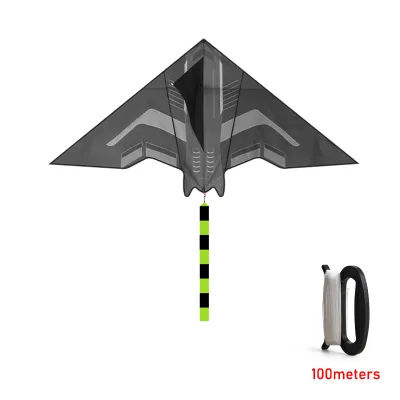
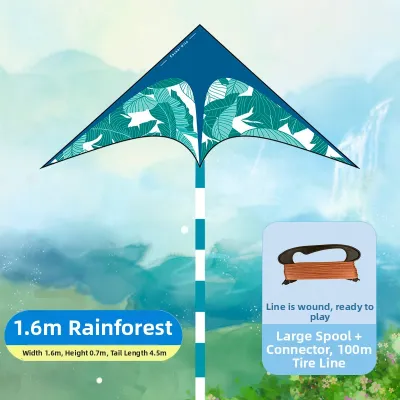
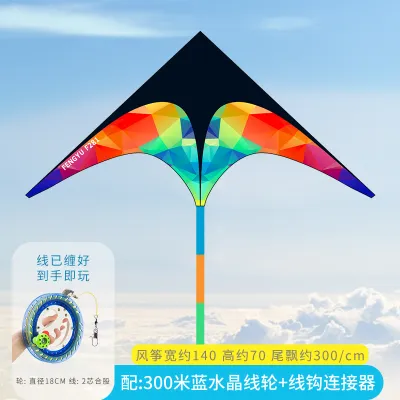
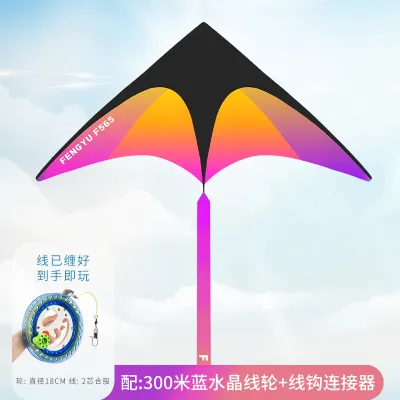

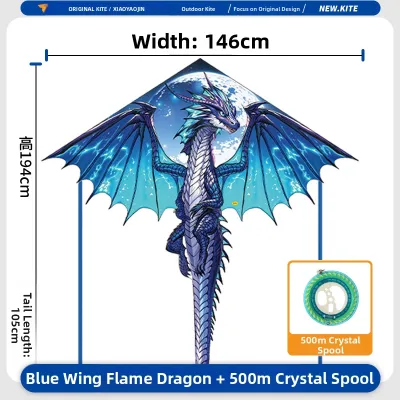
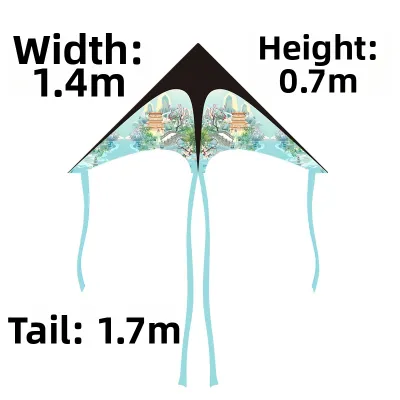
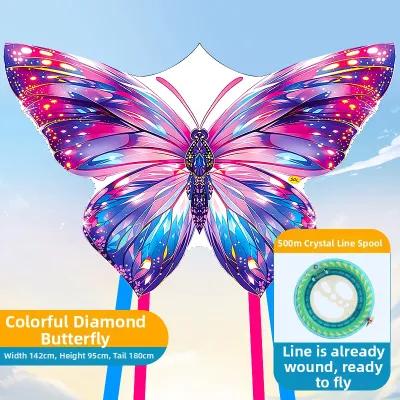
Prices are valid at publication and may change. Please refer to the product page for the latest price.
Frame Materials and Structural Memory
While children’s kites often rely on flexible plastic rods or fragile wooden dowels that bow permanently or snap under pressure, a high-quality kite for adults utilizes carbon fiber or wrapped fiberglass. Carbon fiber offers an exceptional strength-to-weight ratio, allowing the frame to remain rigid in strong winds while providing the precise flex and instant structural recovery required for advanced stunt maneuvers. Wrapped carbon tubes, in particular, provide superior torsional stiffness compared to cheaper extruded carbon, ensuring that steering inputs are transmitted instantly to the sail.
High-Performance Sail Fabrics
Toy kites typically feature thin polyethylene or cheap polyester sheets that stretch out of shape, puncture easily, and degrade rapidly under ultraviolet (UV) sunlight. Adult kites are constructed from high-density ripstop nylon or ripstop polyester, often treated with specialized coatings to minimize air porosity and resist UV damage. Ripstop fabrics incorporate a grid of thicker threads woven at regular intervals, which prevents small punctures from expanding into catastrophic tears during high-velocity impacts or beach landings.
Advanced Bridle and Line Systems
The bridle of an adult kite acts as its suspension and steering geometry, utilizing low-stretch, high-tensile braided lines such as Dyneema or Spectra. These advanced synthetic fibers do not stretch under load, ensuring that control inputs remain crisp and instantaneous even when the kite is hundreds of feet in the air. Many adult kites feature adjustable tow points on the bridle, allowing flyers to tune the angle of attack to match changing wind speeds—a feature entirely absent in basic toy kites.
Physical Pull and Aerodynamic Force
A key differentiator of adult-grade kites is the sheer physical force they can generate. While a child’s kite floats passively, larger adult single-line, sport, and power kites are designed to capture wind energy efficiently, translating it into noticeable drag and lift. This physical feedback requires the flyer to employ proper stance, grip, and occasionally safety harnesses, turning the activity into an active, engaging physical pursuit.
How to Choose the Right Kite for Adults by Flying Style
Selecting a kite requires matching the design to your physical capabilities, your desired level of activity, and the typical weather patterns of your flying venue. Different kite categories offer vastly different experiences, ranging from high-speed athletic challenges to peaceful, low-impact relaxation.

Sport and Stunt Kites for Active Precision
Sport and stunt kites, controlled via two or four lines, are designed for flyers who want an active, skill-based hobby. Dual-line models allow you to perform loops, dives, and high-speed wraps by pulling on alternating lines. Quad-line kites take control a step further, allowing the flyer to control the angle of each wing independently; this enables the kite to hover in mid-air, fly backward, spin on its center axis, and stop instantly with helicopter-like precision. These kites are ideal if you enjoy developing muscle memory, hand-eye coordination, and learning complex technical maneuvers.
Power and Traction Kites for High-Adrenaline Sports
Power and traction kites are specialized sports equipment designed to generate massive pulling force. These kites, which are typically large, multi-line foil designs without rigid frames, are used to pull flyers across land, snow, or water on landboards, kite buggies, or kitesurfing boards. Because these kites can easily lift an adult off the ground, they are classified as high-risk sports equipment rather than recreational toys. Operating them requires strict adherence to safety protocols, specialized safety release systems, and formal training.
Large Single-Line and Soft Foil Kites for Visual Display
If your goal is a relaxing, meditative experience, large single-line kites and soft foils (which use wind pressure to inflate their shape rather than a rigid frame) are the ideal choice. These designs focus on high-altitude stability, visual presence, and ease of launch. Once launched, they can be anchored to the ground, allowing you to sit back and enjoy the visual spectacle. They are highly efficient in steady winds and can lift decorative wind laundry, such as long tails, spinners, and line laundry, creating a dramatic display.
Environmental Matching and Wind Conditions
Before purchasing, you must evaluate the typical wind conditions of your primary flying locations. In Singapore, popular flying spots like East Coast Park, Changi Beach, and the Marina Barrage experience distinct wind profiles. During the monsoon seasons, coastal breezes can be strong and steady, whereas inter-monsoon periods often bring light, variable, or turbulent inland air. For light-wind coastal days or inland flying, an ultra-light (UL) or super-ultra-light (SUL) stunt kite or a lightweight single-line delta is highly recommended, as heavy-wind models or large power foils will struggle to stay aloft or generate consistent flight.
Trusted Kite Brands for Adult Flyers by Category
While brand reputation is a strong indicator of quality control and aerodynamic engineering, buyers must always verify the specific model’s specifications before purchasing. Check the manufacturer’s recommended wind range, line strength, and frame materials on the product label, as performance and handling vary significantly across different models within the same brand.
Top Brands for Sport and Stunt Kites
For dual-line and quad-line stunt flying, two brands stand out for their engineering excellence, spare parts availability, and durable construction.
- Prism Kites: Widely regarded as an industry leader, Prism Kites designs highly responsive sport kites ranging from beginner-friendly dual-line models to competition-level carbon fiber designs. Their entry-level sport models are famous for their crash durability, utilizing smart shock-absorbing frame geometries, while their high-end models offer outstanding precision and trick capabilities in light winds.
- HQ Kites: This brand is highly respected for its German engineering and extensive lineup of dual-line and quad-line sport kites. HQ Kites focuses on robust bridle systems and high-quality ripstop sails that perform consistently across a wide wind spectrum. Their designs are favored by flyers who want predictable handling and excellent tracking during precision maneuvers.
Buying Check: Always verify the minimum wind speed requirement printed on the kite packaging. For light-wind areas like Singapore’s inland parks, look for models rated to fly in winds as low as 3 to 5 km/h to avoid frustration on calm days.
Top Brands for Power and Traction Kites
When stepping into the high-stress world of power kiting, relying on established brands with proven safety records and robust build quality is essential.
- Ozone Kites: Ozone is a world-renowned manufacturer of high-performance foil kites used for land traction, snowkiting, and kitesurfing. Their kites feature sophisticated internal cell structures, optimized air intake valves, and highly durable fabrics designed to withstand extreme aerodynamic loads and hard impacts.
- Peter Lynn (PLKB): A pioneer in traction kiting, this brand is famous for producing highly stable, predictable power foils and buggies. Their designs focus on smooth power delivery and user-friendly handling, making them excellent choices for flyers transitioning from recreational sport kites to high-pull traction sports.
Buying Check & Limitations: Before purchasing a power kite, verify that the control bar or handle system includes a fully functioning, quick-release safety leash. Never attempt to fly a large traction kite without understanding how to instantly depower and flag out the kite in a sudden gust. Purchasing premium gear does not replace the need for professional, hands-on instruction.
Top Brands for Large Display and Single-Line Kites
For those who appreciate structural artistry, high-altitude stability, and massive visual impact, specialized single-line brands offer unmatched craftsmanship.
- Premier Kites: Premier Kites is celebrated for its massive deltas, intricate box designs, and giant inflatable soft foils. They utilize heavy-duty fiberglass or carbon frames, reinforced sail trailing edges to prevent flapping wear, and high-strength attachment points to handle the immense lift generated by large-scale sails.
- Reckless Kites: Known for high-quality construction and striking, high-visibility graphic designs, this brand produces reliable single-line kites that excel in stable, high-altitude flights. Their focus on reinforced seam strength ensures that their large-format designs can fly safely in fresh coastal breezes without structural distortion.
Buying Check: Large single-line kites generate surprising lift. Always check the manufacturer’s recommended line test strength (typically measured in kilograms or pounds) and ensure you use a heavy-duty winding reel and appropriate ground anchoring equipment to prevent runaway flights.
Essential Gear and Safety Rules for Adult Kite Flying
Operating an adult-grade kite requires specialized accessories and a disciplined approach to safety. Because these kites fly faster, pull harder, and cover more airspace than toys, proper preparation prevents equipment damage and personal injury.
Line and Winding Accessories
Using the correct line is critical for both control and safety. Standard cotton or cheap polyester strings will snap under the tension generated by adult kites. Opt for pre-stretched Dyneema or Spectra lines for sport and stunt kites, as their minimal stretch preserves steering sensitivity. For power kites, ensure your lines are rated well above the maximum potential pull of the kite. Always use a high-quality winding reel or flight straps, and never touch a moving kite line with bare hands, as high-tension lines can cause severe friction burns or deep cuts.
Protective Gear
When flying medium-to-high pull kites, wearing specialized kite flying gloves is highly recommended to protect your hands from line friction and sudden jerks. If you are practicing traction sports, such as landboarding or buggy riding, safety gear is non-negotiable. You must wear a certified sports helmet, heavy-duty elbow and knee pads, impact-resistant gloves, and a proper traction harness equipped with an easily accessible quick-release mechanism.
Site Selection and Local Regulations
Adult kites require wide-open spaces free of obstructions, turbulent air, and people. Never fly near power lines, roads, railway tracks, or busy pedestrian paths. In Singapore, airspace safety is strictly regulated by the Civil Aviation Authority of Singapore (CAAS). You must check local aviation guidelines before flying. Generally, kite flying is prohibited within 5 kilometers of military or civil aerodromes (such as Changi Airport, Seletar Airport, Paya Lebar Air Base, Tengah Air Base, and Sembawang Air Base). Outside these restricted zones, the maximum allowable flying height is typically 200 feet (approximately 60 meters) above ground level. Exceeding this limit or flying in restricted areas without a Class 2 Activity Permit is illegal and poses severe risks to aviation safety.
Safety Stops and Boundaries
As an adult flyer, you must establish clear boundaries for when to abort a flight. Immediately pack up your gear if:
- Sudden Wind Shifts: Wind speeds exceed the maximum rated limit of your kite frame or your physical ability to control the pull.
- Equipment Wear: You notice visible fraying on your flying lines, bridle lines, or cracks in the carbon fiber spars.
- Crowd Encroachment: Bystanders, especially children or pets, enter your flying downwind zone, creating a collision risk.
- Airspace Drift: Your kite drifts toward restricted airspace or approaches the CAAS altitude limits.
Remember that owning high-end, professionally branded equipment is never a substitute for proper training, situational awareness, and sound personal judgment.
Frequently Asked Questions (FAQ)
Do I need a permit to fly a large kite in Singapore?
Yes, under specific conditions. The Civil Aviation Authority of Singapore (CAAS) regulates kite flying to ensure airspace safety. You do not need a permit if you are flying a kite outside of restricted zones (which are generally areas within 5 kilometers of military airbases and civil airports) and keeping your flight altitude below 200 feet (approximately 60 meters) above ground level. However, if you plan to fly a large, high-altitude kite that exceeds 200 feet, or if you wish to fly within a restricted zone, you must apply for and obtain a CAAS Class 2 Activity Permit before launching your kite.
Can I use a land power kite for kitesurfing right away?
No, you should not use a standard land power kite for water sports. Most land power kites are open-cell foils, which rely on the wind to inflate internal pockets. If an open-cell foil crashes into the water, the cells will quickly fill with water, causing the kite to become waterlogged, sink, and become impossible to relaunch. This creates an incredibly dangerous situation in the ocean. Kitesurfing requires specialized Leading Edge Inflatable (LEI) kites or closed-cell foil kites designed specifically to float and relaunch from the water’s surface. Additionally, transitioning to water traction sports requires mandatory professional instruction to manage marine hazards safely.
How do I maintain the carbon fiber frame of my stunt kite?
To preserve the structural integrity of your stunt kite’s carbon fiber frame, always rinse the frame spars and connectors with fresh water after flying at the beach to remove corrosive salt, sand, and grit. Allow the entire kite to air-dry completely in a shaded, well-ventilated area before packing it away, as storing a damp kite can cause mold and weaken the sail adhesive. Before every launch, conduct a visual inspection of each carbon rod. Run your fingers gently along the spars to check for micro-fractures, splintering, or loose ferrule connections. If you detect any structural compromise, stop using the kite immediately and replace the damaged spar before flying again.
Community discussion
Share your experience or ask a question. Comments are reviewed before publication.