
To make your first kite-flying experience in Singapore enjoyable rather than frustrating, choosing the right brand is essential. A beginner-friendly brand focuses on specific engineering details that accommodate a novice’s learning curve, ensuring the craft stays airborne with minimal effort. While major sporting goods retailers like Decathlon offer highly accessible and budget-friendly options, specialty brands such as Prism Kites and HQ Kites provide superior aerodynamic performance and durability for those who want to progress in the hobby.
What Makes a Kite Brand Ideal for Beginners?
Flight stability in light-to-moderate winds is the most critical factor for Singapore’s climate. Outside of the monsoon seasons, local winds can be relatively light and variable. Quality beginner brands design their sails to catch gentle breezes easily, keeping the kite aloft without requiring constant running or complex line manipulation.
Ease of assembly is another hallmark of a great beginner brand. Look for brands that offer simple, intuitive structures, such as snap-together spars and pre-threaded bridles. Complicated rigging instructions can quickly ruin an afternoon at the park, so clear, step-by-step guides are a necessity.
Products mentioned in this guide
![[SG Seller]Kids Octopus Pocket Kite Soft Easy Fly Kite for Kids Foldable Octopus Kite Long Tail Octopus Kite](https://img.lazcdn.com/g/p/0aeb1a474f2532634752c00ff2a27851.jpg_400x400q80.jpg_.webp)
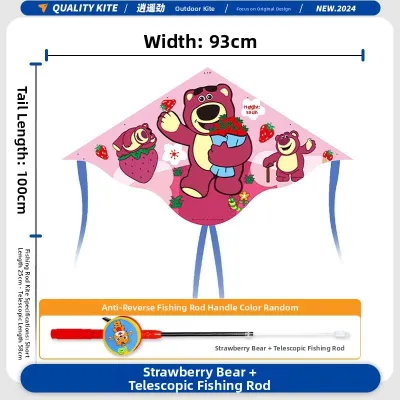
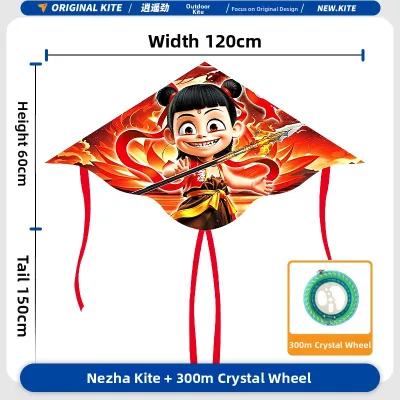
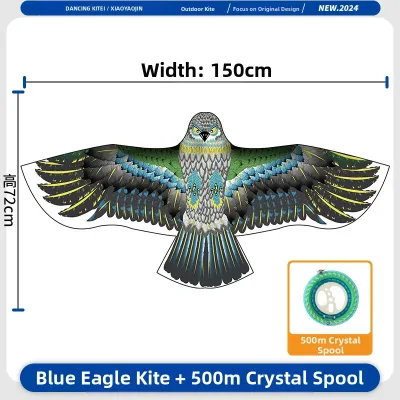
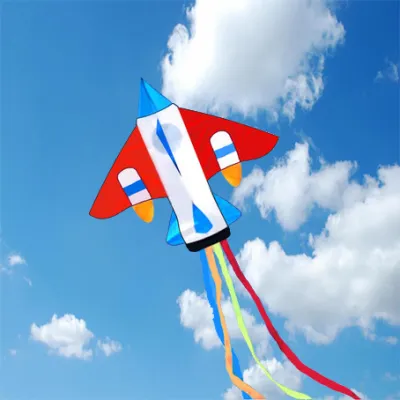
![[Ready Stock] DIY Colouring Kite](https://img.lazcdn.com/g/p/9608fbd0a2fb32622b85b8a4b230b563.jpg_400x400q80.jpg_.webp)
Prices are valid at publication and may change. Please refer to the product page for the latest price.
Durability is vital because every beginner will crash their kite. Reliable brands reinforce high-stress areas, such as the nose pocket and wingtips, to absorb sudden impacts against hard ground or sand. They use flexible, resilient frame materials that bend rather than snap under pressure.
Finally, look for brands that provide complete “ready-to-fly” (RTF) packages. These kits include the kite, pre-measured flying lines, a suitable spool, and sometimes a matching tail. An RTF package ensures that all components are perfectly balanced, eliminating the guesswork of buying separate accessories.
Key Features to Look for in Your First Kite
Before selecting a brand, understanding the core specifications of your first kite will help you make an informed choice. Different shapes, materials, and accessories dramatically alter how a kite behaves in the air.

Kite Shapes For absolute beginners, Delta (triangular) and Diamond shapes are the most forgiving designs. Delta kites feature a wide surface area that generates high lift, allowing them to launch easily in light winds and remain stable with minimal pilot input. Diamond kites offer a classic, time-tested design that is highly stable in steady breezes, making them excellent for children and casual flyers.
Sail Materials The two primary materials used for modern kite sails are ripstop nylon and ripstop polyester. Ripstop nylon is exceptionally lightweight and strong, making it ideal for launching in very light winds, though it can stretch slightly when wet. Ripstop polyester is slightly heavier but offers superior UV resistance and color retention, which is highly beneficial under Singapore’s intense tropical sun. Both materials feature a cross-grid weaving pattern that prevents small punctures or tears from spreading.
Spars (Frame) The frame, or spars, provides the kite with its structural integrity. Fiberglass spars are the standard for beginner kites because they are highly flexible, inexpensive, and capable of surviving hard crashes without breaking. Carbon fiber spars are lighter and stiffer, offering superior performance in low winds, but they are more expensive and can splinter if subjected to high-impact crashes on hard surfaces.
Accessories A successful flight depends heavily on the quality of your flying line and tail. Look for braided Dacron or polyester lines, which offer high strength and minimal stretch compared to cheap twisted cotton strings. An adjustable or attachable tail is not just decorative; it adds essential drag to the rear of the kite, helping to stabilize the craft in shifting coastal breezes.
Reliable Kite Brands and Categories to Consider
When shopping for a beginner kite in Singapore, the market is generally divided into specialty manufacturers, major sporting goods retailers, and budget-friendly traditional options. Each category serves different needs, budgets, and commitment levels.
Specialty Kite Manufacturers (e.g., Prism Kites, HQ Kites)
Specialty brands focus exclusively on wind sports, resulting in superior aerodynamic designs and high-quality construction. Brands like Prism Kites and HQ Kites are highly regarded globally for their engineering and reliability.
Prism Kites is famous for its innovative designs and high-quality materials. Models like the Prism Stowaway Delta are designed specifically for easy assembly, compact travel, and stable flight. They use premium ripstop fabrics and durable fiberglass frames that can withstand repeated impacts. Prism also provides detailed instructional guides and has a robust ecosystem of replacement parts, meaning a broken spar does not mean throwing away the entire kite. However, these premium features come at a higher price point, and you will likely need to purchase them through specialty hobby shops or international online retailers.
HQ Kites, a German brand, is another excellent option for beginners looking for durability and performance. They offer a wide range of single-line kites and entry-level dual-line foil kites, such as the HQ Symphony Beach. Foil kites have no rigid frame to break, making them virtually indestructible during crashes. HQ Kites are engineered to fly in a wide wind range, but like Prism, they require a higher initial investment and are less common in standard local toy stores.
Outdoor and Sporting Goods Retailers (e.g., Decathlon)
For most casual flyers in Singapore, major sporting goods retailers offer the most practical balance of convenience, price, and quality. Decathlon, with its in-house brand Orao, is the most prominent example in this category.
Orao by Decathlon offers an extensive range of beginner-friendly kites, from simple single-line models for young children to basic stunt kites for adults. These kites are designed with simplicity in mind, featuring highly intuitive assembly systems and durable, lightweight materials. The primary advantage of choosing a brand like Orao is its extreme accessibility; you can walk into any major Decathlon experience store in Singapore, inspect the product, and purchase a complete, ready-to-fly kit for a very reasonable price. The limitation is that these designs are basic and may lack the refined aerodynamic performance or high-wind stability of premium specialty brands.
Traditional and Budget-Friendly Options
Traditional, unbranded, or budget-friendly kites are widely available in local neighborhood toy stores, beachside kiosks, and online marketplaces. These options are highly appealing for spontaneous, low-stakes outings due to their very low cost.
While these budget options are highly affordable, they often suffer from inconsistent quality control. Many use fragile wooden or rigid plastic spars that can snap easily during a rough landing, and the included flying lines are often thin, twisted cotton that tangles or breaks under moderate tension. The sails may be made of thin plastic sheets rather than durable ripstop fabric, making them susceptible to tearing. If you choose this route, carefully inspect the flexibility of the frame and the strength of the line before purchasing, and be prepared for a shorter product lifespan.
Where to Buy Kites in Singapore
Finding the right place to purchase your kite depends on whether you prefer to inspect the product physically or browse a wider selection online.
Physical Stores Visiting a physical retail store is highly recommended for beginners. Large outdoor sporting goods stores, such as Decathlon, allow you to handle the packaged kite, check its weight, and verify the ease of assembly. Specialty hobby and wind-sport shops in Singapore also offer the advantage of expert staff who can recommend specific models based on your skill level and where you plan to fly. When shopping in person, always check that the frame pockets are securely stitched and that the spars fit snugly without loose play.
Online Marketplaces E-commerce platforms and online marketplaces offer a vast selection of international brands that may not be stocked locally. When buying online, always read user reviews to check for real-world flight feedback and verify that the listing explicitly states it is a “Ready to Fly” (RTF) package. Ensure the seller packages the kite securely, as long spars can easily bend or break during transit. It is also wise to check the platform’s return and refund policies in case the product arrives damaged or missing key components.
Essential Safety and Flying Tips in Singapore
Kite flying is a fantastic outdoor activity, but Singapore’s dense urban landscape and specific regulations require careful planning to ensure a safe and legal flight.
Location Selection For a successful flight, choose wide-open, coastal spaces that enjoy steady, unobstructed onshore breezes. Marina Barrage is Singapore’s most famous kite-flying destination, offering a massive elevated lawn with excellent wind conditions, though it can become highly crowded on weekends. East Coast Park, Changi Beach Park, and West Coast Park are also outstanding locations with reliable sea breezes. Avoid inland neighborhood parks surrounded by tall HDB blocks or dense trees, as these structures block the wind and create turbulent air currents (rotors) that make launching and maintaining flight extremely difficult.
Regulatory Compliance In Singapore, kite flying is regulated by the Civil Aviation Authority of Singapore (CAAS) to protect airspace safety. It is strictly prohibited to fly kites within 5 kilometers of any military airbase or civilian airport, including Changi Airport, Paya Lebar Air Base, Tengah Air Base, Sembawang Air Base, and Seletar Airport. Additionally, the standard height limit for kite flying across Singapore is 200 feet (approximately 60 meters) above ground level. Flying above this height or within restricted zones without a permit from the CAAS is illegal and carries heavy penalties. Always consult the official CAAS boundary maps before choosing your flying location.
Hazard Avoidance Never fly your kite near overhead power lines, active roads, MRT tracks, or crowded pedestrian walkways. If your kite drifts near a power line, do not attempt to retrieve it yourself; contact the utility provider immediately. Maintain a safe distance from other park users to prevent your flying line—which can become highly abrasive under tension—from causing injuries or tangling with other kites.
Weather Awareness Singapore’s tropical climate is prone to sudden, severe thunderstorms and intense lightning. Always check the local weather forecast or the National Environment Agency (NEA) app before heading out. If you hear thunder or see dark storm clouds approaching, stop flying immediately, wind in your line, and seek shelter. Wet kite lines can conduct electricity, making kite flying during a storm an extreme safety hazard. Furthermore, sudden monsoon gusts can easily overpower beginner equipment, leading to lost or damaged kites.
Frequently Asked Questions (FAQ)
What is the best wind speed for flying a beginner kite?
The ideal wind speed for a beginner kite is a steady light-to-moderate breeze between 6 and 15 miles per hour (approximately 10 to 24 kilometers per hour). You can identify this easily when leaves and small twigs are in constant motion, or when a light breeze is felt consistently on your face. Winds that are too weak will fail to lift the kite, while strong, gusty winds can make control difficult and increase the risk of damaging the frame.
Do I need a permit to fly a kite in Singapore?
You do not need a permit for casual kite flying in designated public open spaces, provided you fly below the maximum height limit of 200 feet (60 meters) and remain outside the 5-kilometer restricted zones around airports and military airbases. However, if you plan to fly a large, heavy kite, fly above 200 feet, or operate within a restricted area, you must apply for a permit from the Civil Aviation Authority of Singapore (CAAS) well in advance.
How do I prevent my kite line from tangling?
To prevent tangles, always wind your line back onto the spool evenly and under slight, consistent tension after each flight. Avoid letting loose line pile up on the ground, especially in windy conditions or on grassy surfaces where it can snag. If your spool design permits, use a figure-eight winding pattern to prevent the line from twisting, and store the spool in a dedicated bag to protect it from unraveling during transport.
Community discussion
Share your experience or ask a question. Comments are reviewed before publication.