
Flying a kite with your child in Singapore is one of the most rewarding outdoor activities you can share. From the breezy shores of East Coast Park to the iconic green roof of Marina Barrage, watching a colorful sail catch the wind brings instant joy. However, choosing the wrong equipment can quickly turn a fun family outing into a frustrating ordeal of tangled lines, broken frames, and tearful moments.
To ensure a successful flight, you need a kite that matches your child’s age, physical strength, and the unique weather conditions of Singapore. The ideal children’s kite must be easy to launch in light tropical breezes, durable enough to survive inevitable crashes on hard grass or sand, and simple enough for small hands to control. By focusing on key design elements and reputable brands, you can find a kite that provides hours of active, screen-free entertainment.
What Makes a Kite Child-Friendly and Suitable for Singapore's Weather
Singapore’s tropical climate presents specific challenges for outdoor toys. The high relative humidity, which frequently exceeds 80 percent, can quickly degrade low-quality materials. Traditional paper and wooden kites are highly susceptible to moisture absorption, which causes the frame to warp and the sail to sag, ruinous to the kite’s aerodynamic balance. For local flying, synthetic materials are vastly superior. Look for sails made of ripstop nylon or high-grade polyester, which resist both moisture and tearing. Frames constructed from flexible fiberglass rods offer the perfect balance of lightweight lift and high impact resistance, bending rather than snapping when the kite crashes.
Products mentioned in this guide
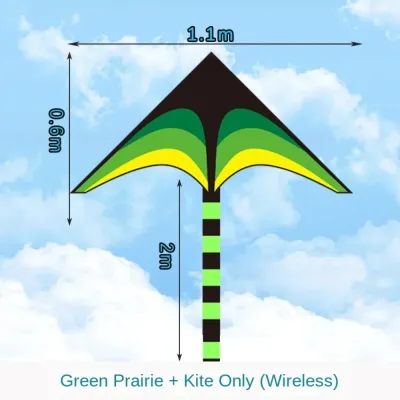
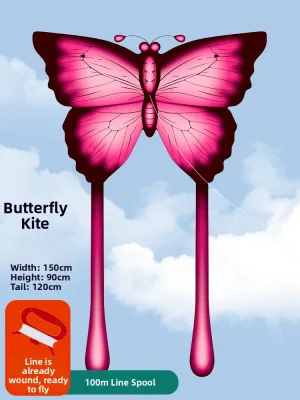
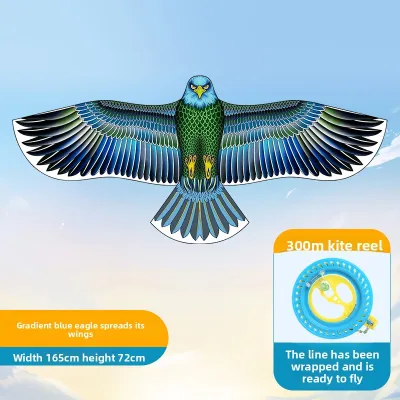
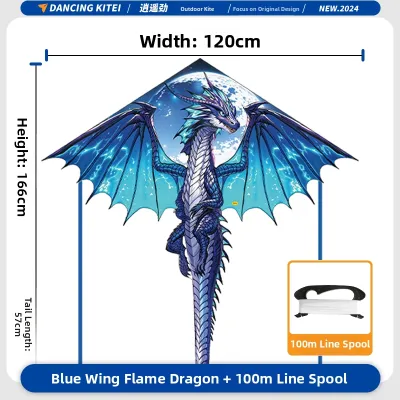
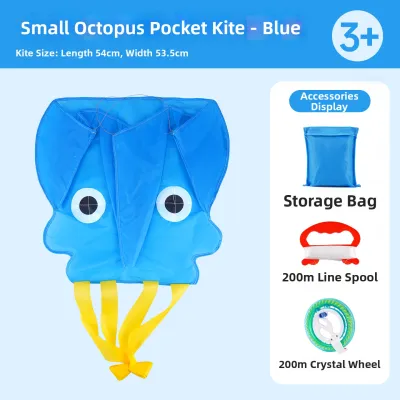
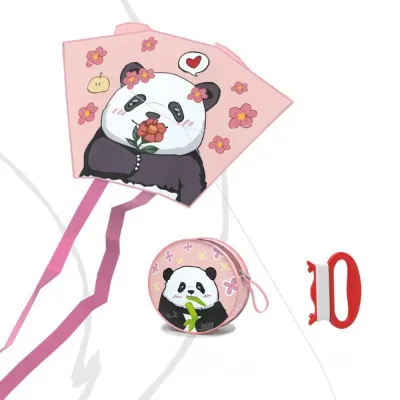
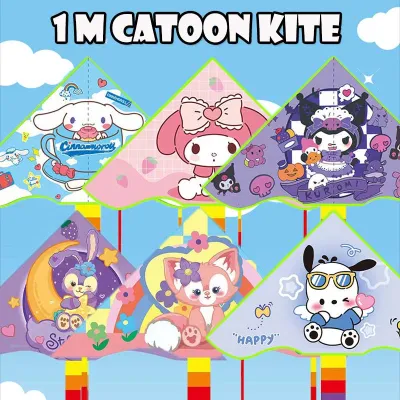
Prices are valid at publication and may change. Please refer to the product page for the latest price.
Wind conditions in Singapore also dictate the type of kite you should buy. Inland areas, such as neighborhood parks and HDB common greens, often experience light, swirling, or highly obstructed winds due to surrounding high-rise buildings. Coastal parks, on the other hand, enjoy more consistent sea breezes. To handle these varied conditions, delta and diamond shapes are the most reliable choices for children. Delta kites, with their triangular shape and wide wingspan, generate excellent lift in light breezes (around 5 to 8 knots) and naturally spill excess wind during sudden gusts, preventing the kite from pulling too hard on a child’s hands. Diamond kites are classic, easy to launch, and highly stable when paired with a long, drag-inducing tail.
Beyond materials and shapes, several child-friendly features are essential for a frustration-free experience. Look for kits that feature anti-tangle lines, which are typically thicker, braided polyester lines rather than thin, monofilament plastic lines that knot easily. Soft-grip spools or hoop-style winders are much easier for small hands to hold and control, reducing the risk of friction burns if the wind suddenly picks up. Bright, high-visibility colors and patterns make it easier for children to track their kite against Singapore’s frequently overcast or bright blue skies. Finally, look for simple assembly mechanisms—such as single-strut designs or pre-framed sails—that allow you to get the kite in the air within minutes of arriving at the park.
Top Reliable Kite Brands for Kids Available in Singapore
Selecting a trusted brand ensures that you are investing in a kite engineered for stable flight and structural integrity, rather than a cheap novelty item that struggles to stay airborne. Several reputable brands are widely available in Singapore, each catering to different age groups, skill levels, and flying styles.

Prism Kites: Best for Beginners and Durability
Prism Designs is globally renowned for engineering high-performance sport and recreational kites. While they cater to advanced flyers, their beginner-friendly models are widely considered the gold standard for older children (typically ages 8 and up) who want to learn true kite control. Prism kites are constructed with premium ripstop nylon sails and resilient fiberglass or carbon fiber frames. This robust build quality ensures the kite can survive repeated high-speed nose dives into the ground without sustaining damage.
For children, the Prism Stowaway Delta or the Prism Synapse (a frameless foil kite) are highly recommended. The Stowaway Delta features a clever design that folds down into a compact carrying case, making it incredibly easy to transport on public transport or pack into a beach bag. Its wide delta shape ensures stable, predictable flight in variable winds, allowing beginners to gain confidence quickly. Because frameless foil kites like the Synapse have no rigid spars to break, they are virtually indestructible, making them an excellent choice for energetic kids.
The primary trade-off with Prism Kites is the price. These are premium products, typically retailing between S$40 and S$120 in Singapore. While they represent a higher upfront investment compared to basic plastic toys, their exceptional durability and superior flight characteristics make them a long-term investment that your family can enjoy for years.
Melissa & Doug: Best for Toddlers and Easy Assembly
For younger children and toddlers (ages 3 to 6), Melissa & Doug offers an excellent range of introductory kites. Known for their high-quality educational toys, this brand designs kites that prioritize visual appeal, ease of use, and immediate success. These kites feature lightweight polyester sails adorned with vibrant, child-friendly patterns such as butterflies, dragons, ladybugs, and rainbows. These eye-catching designs are highly effective at keeping younger children engaged and excited about outdoor play.
Assembly is one of the strongest selling points of Melissa & Doug kites. They typically require minimal setup, often featuring a pre-assembled frame where you only need to insert a single cross-strut and clip on the line. This quick assembly is perfect for parents dealing with short toddler attention spans, allowing you to get the kite airborne almost instantly. The lightweight construction means these kites can launch in very light breezes, requiring very little physical effort from a small child.
However, these kites do have practical limitations. They are designed primarily for light, gentle winds and may become unstable or fold under the pressure of strong coastal gusts. The materials, while durable for casual play, are not designed to withstand aggressive pulling, rough handling, or high-velocity crashes on hard surfaces. They are best suited for gentle, supervised play in calm neighborhood parks.
Hengda Kites: Best for Traditional and Group Flying
If you are looking for a visually spectacular flying experience or a fun collaborative activity for the whole family, Hengda Kites is an outstanding brand to consider. Hengda specializes in large-scale, traditional, and highly creative novelty kites. Their product lineup includes massive, long-tailed octopuses, multi-jointed dragons, giant eagles, and classic diamond kites with elaborate, colorful prints.
The primary appeal of Hengda Kites is their incredible visual impact. Watching a 10-meter-long octopus kite billow and float in the sky at Marina Barrage is a thrilling experience for children and spectators alike. Because these kites are highly affordable—often priced between S$15 and S$40—they are excellent for families on a budget or for group activities like birthday parties and school outings. They are generally constructed from standard polyester fabric and flexible fiberglass rods, offering decent durability for their size.
The trade-off with these larger novelty shapes is that they require more effort and stronger, more consistent winds to fly successfully. A giant octopus or a long-tailed dragon has a large surface area, which generates significant drag and pull. A young child will likely struggle to hold or launch these kites independently. They are best flown as a collaborative effort, where a parent manages the heavy pulling while the child helps launch the kite or holds the line under close supervision.
General Outdoor Toy Brands: Best for Everyday Play
In addition to specialized kite manufacturers, many general outdoor toy brands and department store private labels offer budget-friendly options for everyday play. These kites are widely available in local retail outlets and are perfect for spontaneous park visits or casual weekend outings.
When evaluating generic or store-brand kites, it is important to inspect the build quality carefully before purchasing. Look for models that feature reinforced tow points—the area where the flying line clips onto the kite sail. This point experiences the most stress during flight and is often the first place a cheap kite will tear. Additionally, check if the kite includes tail weights or long ribbon tails, which are essential for providing the aerodynamic drag needed to stabilize budget-friendly designs in uneven winds.
One of the main advantages of buying general brand kites from local physical retailers is the convenience of immediate replacement parts or easy returns if you discover a manufacturing defect. However, always read the packaging details carefully. Some budget-friendly options sell the kite body only, requiring you to purchase the line, spool, and tail separately. Ensure you are buying a complete “ready-to-fly” kit to avoid disappointment when you arrive at the park.
Where to Buy Kids' Kites in Singapore
Finding the right kite in Singapore is straightforward, thanks to a mix of well-stocked physical retailers and online shopping channels. Choosing where to buy depends on whether you prefer to inspect the product in person or enjoy the convenience of home delivery.
For a hands-on shopping experience, major toy retailers like Toys “R” Us and Kiddy Palace are excellent starting points. These stores frequently stock trusted brands like Melissa & Doug, alongside various seasonal outdoor toys. Visiting a physical store allows you and your child to see the actual size of the kite, feel the weight of the materials, and assess the quality of the spool and handle. Large outdoor sporting goods retailers also carry a selection of entry-level and intermediate kites, often located in their beach or outdoor play sections. For unique designs, neighborhood hobby and kite shops—particularly those located near popular flying spots like East Coast Park—offer expert advice and specialized inventory.
If you prefer shopping online, e-commerce platforms and official brand webstores offer an extensive variety of designs and brands. When shopping online, it is crucial to verify the credibility of the seller. Look for official brand stores or highly rated preferred sellers, and read recent customer reviews specifically looking for feedback on real-world durability and ease of assembly. Pay close attention to shipping times to ensure your kite arrives in time for your planned outing.
Regardless of where you purchase, always read the product description and specifications thoroughly. Verify that the package includes all necessary flying components: the kite body, spars (frame rods), flying line, a handle or spool, and any required tails. Check the manufacturer’s recommended age rating and wind range to ensure the kite is appropriate for your child’s physical capabilities and the locations you plan to visit.
Best Spots and Safety Tips for Flying Kites with Kids in Singapore
Once you have selected the perfect kite, choosing the right location is key to a safe and enjoyable flying experience. Singapore offers several beautiful, open spaces specifically suited for kite flying, but it also has strict regulations that you must follow.
- Top Family-Friendly Flying Spots:
- Marina Barrage: This is undoubtedly Singapore's most famous kite-flying location. The spacious, elevated green roof offers panoramic views of the city skyline and enjoys consistent, strong sea breezes year-round. It is an ideal spot for launching larger novelty kites, though it can become highly crowded on weekends, requiring careful line management to avoid tangles.
- East Coast Park: The sprawling lawns and wide sandy beaches of East Coast Park (particularly Areas C, D, and F) offer excellent wind conditions direct from the Singapore Strait. The open coastline provides plenty of room for children to run and launch their kites safely.
- West Coast Park: For those living in the west, the Grand Lawn at West Coast Park is a fantastic, less crowded alternative to Marina Barrage. The massive open field is perfect for beginner flyers, and the park features excellent playground facilities for younger children when they need a break from flying.
- Crucial Safety and Legal Boundaries:
Safety and legal compliance must always come first when flying kites in Singapore. The Civil Aviation Authority of Singapore (CAAS) enforces strict regulations to protect airspace safety. It is illegal to fly kites within 5 kilometers of any military airbase or civilian airport, including Changi Airport, Seletar Airport, Paya Lebar Air Base, Tengah Air Base, and Sembawang Air Base. Unauthorized kite flying in these restricted zones poses a severe hazard to aircraft and carries heavy financial penalties and potential jail time.
Additionally, never fly kites near overhead power lines, MRT tracks, busy roads, or crowded pedestrian walkways. If your kite becomes caught in a power line, do not attempt to retrieve it yourself; contact the utility provider immediately to avoid the risk of electrocution.
- Weather Awareness and Stop Conditions:
Singapore’s tropical weather can change rapidly. Sudden afternoon thunderstorms and heavy downpours are common, especially during the monsoon seasons. Always check local weather forecasts and active lightning alerts via the National Environment Agency (NEA) app before heading out.
Never fly a kite during a thunderstorm or when lightning is detected in the area. A wet kite line can act as a conductor for electricity, posing a lethal hazard. If the wind suddenly becomes exceptionally strong or erratic, or if you feel static electricity on the line, pack up immediately. Equipment cannot replace parental judgment; if your child is struggling to maintain control or is being pulled by the kite, take over the line or wind it in safely to prevent injury.
Frequently Asked Questions (FAQ)
What is the best wind speed for flying a kid's kite in Singapore?
The ideal wind speed for flying most children’s kites is a light to moderate breeze, ranging from 5 to 15 miles per hour (approximately 8 to 24 kilometers per hour or 4 to 13 knots). In this range, kites can fly stably without requiring the child to run constantly, and the pull on the line remains manageable.
To gauge the wind without specialized instruments, perform a simple visual check of your surroundings. If leaves on the trees are rustling and you can feel a gentle breeze on your face, conditions are usually perfect. If large tree branches are swaying wildly or it is difficult to walk comfortably against the wind, the breeze is too strong for a child’s kite, and you should wait for calmer conditions.
Are there any legal restrictions on flying kites in Singapore?
Yes, Singapore has strict laws governing kite flying to ensure aviation and public safety. Under the Air Navigation Order, kite flying is strictly prohibited within designated no-fly zones, which cover a 5-kilometer radius around all military and civilian airports and airbases.
Even outside these restricted zones, you must not fly a kite higher than 200 feet (approximately 60 meters) above ground level without a permit from the Civil Aviation Authority of Singapore (CAAS). Always check local park signage for specific rules, and ensure you fly well away from overhead cables, MRT tracks, and busy pedestrian paths to avoid causing public danger or property damage.
Community discussion
Share your experience or ask a question. Comments are reviewed before publication.