
For beginners in Singapore, finding the right kite brand is the difference between a frustrating afternoon of crashed frames and a rewarding day of watching your sail catch a steady sea breeze. The ideal beginner kite must be durable enough to survive inevitable nose-dives, simple enough to assemble without complex knots, and aerodynamically stable enough to launch in Singapore’s light, variable winds. Brands like Decathlon (Quechua) offer highly accessible, budget-friendly entry points for families, while premium manufacturers like Prism Kites provide engineered stability that excels in low-wind conditions.
When choosing your first model, focusing on user-friendly designs ensures that your initial outings are successful. By selecting a brand that prioritizes high-quality materials and straightforward assembly, you can focus on mastering the basic techniques of launching, steering, and landing. Whether you plan to fly at the iconic Marina Barrage or along the sandy stretches of East Coast Park, understanding what makes a brand reliable will help you make an informed purchase.
Key Features to Look for in Beginner-Friendly Flying Kite Brands
To ensure a smooth introduction to the hobby of flying kite models, you must look closely at the structural components of the kite. The frame, or spars, provides the essential skeleton that keeps the sail taut against the wind. For beginners, flexible and crash-resistant fiberglass spars are highly recommended over stiffer carbon fiber alternatives. While carbon fiber is favored by advanced flyers for its lightweight responsiveness, it is brittle and prone to splintering or snapping upon hard impact with the ground. Fiberglass, on the other hand, bends naturally under pressure, absorbing the shock of repeated crashes without breaking.
Products mentioned in this guide
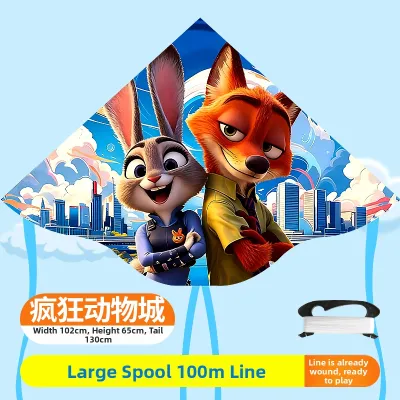
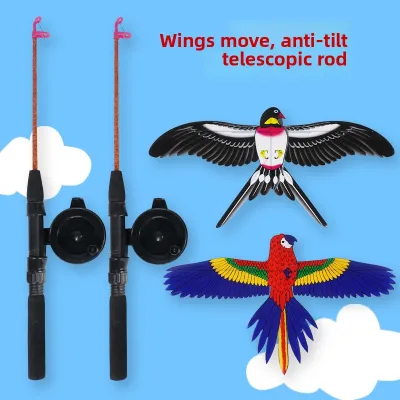
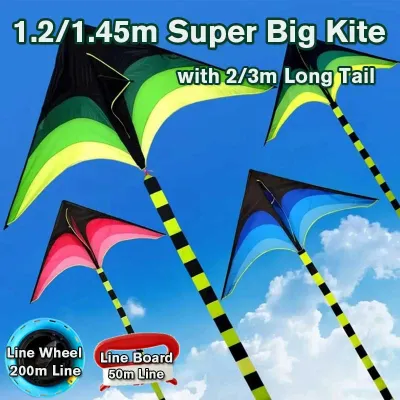
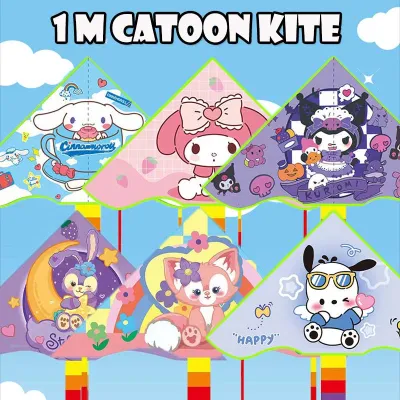
![[Ready Stock] Colourful Triangular Kite (Small)](https://img.lazcdn.com/g/p/eb77ee41c8df620ff188f87e08364260.jpg_400x400q80.jpg_.webp)
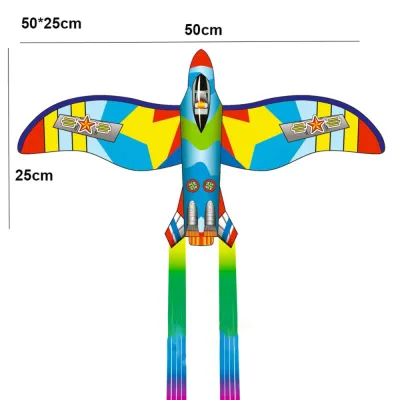
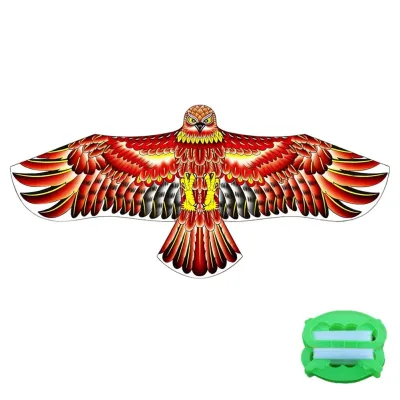
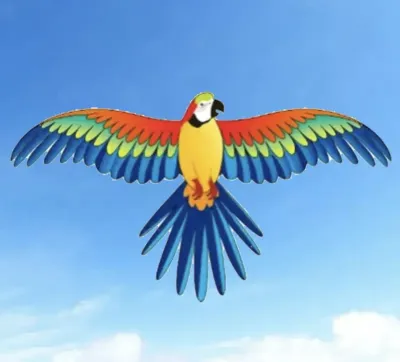
Prices are valid at publication and may change. Please refer to the product page for the latest price.
The sail material is equally critical to the longevity of your gear. High-quality beginner brands construct their sails from ripstop nylon or polyester, which feature a reinforcing grid pattern woven into the fabric. This grid prevents small punctures—such as those caused by dry twigs or sharp grass—from tearing open under wind pressure. In contrast, cheap novelty kites often use thin plastic films that degrade rapidly under Singapore’s intense tropical ultraviolet (UV) rays and can tear completely during a single strong gust.
Assembly mechanisms should be intuitive and require no tools or complex knot-tying. The best beginner brands utilize “snap-together” structures or simple sleeve-and-ferrule designs where the spars slide easily into pre-sewn pockets and connect via durable plastic joints. This minimizes setup time at the field, allowing you to get your kite into the air within minutes. Avoid models with loose, complicated rigging lines that can easily tangle in storage before you even arrive at your flying location.
Finally, do not overlook the quality of the included line and winder. A reliable beginner brand packages its kites with pre-attached, appropriately weighted lines (typically 30- to 50-pound test for single-line kites) wound onto ergonomic hoop or spool winders. Low-quality, generic kites often come with thin, abrasive string that can cut into your fingers and tangle into unmanageable knots. An ergonomic winder allows for smooth, controlled line release and retrieval, which is essential for maintaining tension and keeping your kite stable in shifting air currents.
Reliable Kite Brands for Beginners Available in Singapore
Decathlon (Quechua) for Accessible and Durable Options
Decathlon is a highly popular starting point for outdoor enthusiasts in Singapore, offering several physical experience stores across the island, including major hubs in Kallang, Bedok, and Joo Koon. Their in-house outdoor brands design single-line Delta and Diamond kites specifically tailored for children and absolute beginners. These models are engineered to launch with minimal effort, making them excellent for casual family outings where the primary goal is immediate fun.

The primary advantage of Decathlon’s kites is their exceptional balance of affordability and durability. Constructed with robust fiberglass frames and thick polyester sails, these kites are built to withstand the rough handling and frequent ground impacts typical of novice flyers. They are also highly budget-friendly, with entry-level models typically priced between S$15 and S$35, making them easy to replace if lost. However, their slightly heavier construction means they may struggle to stay aloft in very low wind conditions, and their basic, functional aesthetic designs may not appeal to those seeking a more striking visual presence in the sky.
Prism Kites for Engineered Stability and Easy Assembly
For beginners who are willing to invest a bit more for a superior flight experience, Prism Kites is a globally recognized brand available through local specialty hobby shops and reputable online marketplaces. Prism is renowned for its high-performance designs, translating advanced aerodynamic engineering into user-friendly beginner models. Their entry-level single-line Deltas, such as the Prism Stowaway Delta, are specifically designed to fly beautifully in light breezes that would keep heavier kites grounded.
Prism utilizes premium materials, including lightweight fiberglass frames and high-grade ripstop nylon sails that offer exceptional tear resistance and vibrant, fade-resistant colors. The stability of these kites is highly consistent, allowing beginners to learn how to feel the wind’s pull without constantly fighting erratic movements. While the initial cost is higher—generally ranging from S$50 to over S$120—the longevity of the materials, the inclusion of high-quality braided lines, and the overall ease of flight make Prism an excellent investment for anyone serious about developing their skills.
Hengda and Traditional Brands for Classic Designs
Mass-market manufacturers like Hengda dominate online e-commerce platforms, offering a vast array of traditional Diamond shapes and highly visual novelty designs, including giant octopuses, dragons, and birds. These kites are incredibly popular at local parks due to their striking colors and dramatic silhouettes in the air. They provide excellent visual engagement for young children and serve as a fun, low-cost way to enjoy a windy afternoon.
When purchasing from these mass-market brands, quality control can vary significantly across different online storefronts. It is highly recommended to read customer reviews carefully, paying close attention to feedback regarding frame thickness and sail stitching. Additionally, always verify the product description to confirm if the line and winder are included in the package, as some traditional models are sold as “kite only,” requiring you to purchase a separate flying line before you can head to the park.
Local Specialty Kite Shops for Expert Guidance
Visiting a dedicated local specialty kite shop in Singapore offers invaluable advantages that general retail stores and online marketplaces cannot replicate. These independent retailers are staffed by passionate, experienced flyers who can provide personalized recommendations based on your specific skill level, budget, and preferred flying locations. They can guide you toward the exact models that perform best in Singapore’s unique microclimates and wind patterns.
Furthermore, specialty shops offer hands-on assembly demonstrations, ensuring you understand how to tension the sail and secure the spars correctly before you head out. They also stock essential spare parts, such as replacement fiberglass spars, connectors, and high-quality flying lines. This after-sales support is incredibly valuable, as a single broken rod does not mean you have to discard the entire kite; instead, you can easily obtain a cheap replacement part and continue flying.
Matching Kite Shapes to Singapore's Wind Conditions
Singapore’s tropical climate generally produces light and variable wind conditions, occasionally punctuated by stronger gusts during the monsoon seasons. To have a successful flying experience, you must match your kite’s shape to the prevailing wind conditions of your chosen venue. Selecting the wrong shape can result in a kite that refuses to launch or one that becomes completely uncontrollable in a sudden breeze.
- Delta Kites: The triangular Delta shape is widely considered the ultimate beginner design for Singapore's environment. Deltas feature a wide surface area and a built-in keel that allows them to catch even the faintest breezes, making them ideal for light-wind locations. They are inherently stable, naturally adjusting to minor wind shifts, and require very little active pilot input to remain aloft.
- Diamond Kites: The classic four-pointed Diamond (or Eddy) shape is highly iconic but requires a slightly stronger, steadier breeze to fly reliably compared to a Delta. Diamonds almost always require a long tail to provide directional stability and prevent them from spinning out of control. While highly rewarding to fly, they can be somewhat challenging for absolute novices in turbulent or very light air.
- Parafoil (Soft) Kites: Parafoils are completely frameless kites that rely on the wind to inflate internal fabric cells, giving the kite its aerodynamic shape. Because they have no rigid spars, they are virtually indestructible and can survive high-velocity crashes without any damage. They are also highly portable, packing down into a small pouch. However, they require a consistent, moderate breeze to stay inflated; if the wind drops suddenly, the cells collapse, and the kite will fall to the ground.
To help you decide which shape best suits your immediate needs, refer to the comparison matrix below:
| Kite Shape | Minimum Wind Required | Assembly Difficulty | Crash Durability |
|---|---|---|---|
| Delta | Low (6–12 km/h) | Very Easy (Few spars) | High (Flexible frame) |
| Diamond | Medium (10–20 km/h) | Easy (Cross-braced) | Moderate (Spars can snap) |
| Parafoil | Medium to High (12–25 km/h) | Extremely Easy (No spars) | Maximum (No frame to break) |
Where to Buy and Singapore's Kite Flying Rules
When you are ready to purchase your gear, you have several reliable channels in Singapore. For immediate, budget-friendly options, physical sports megastores allow you to inspect the product in person before buying. If you prefer specialized gear and expert advice, visiting a local specialty kite shop is highly recommended. For the widest variety of designs and brands, reputable e-commerce platforms offer convenient delivery, though you should always check seller ratings, shipping times, and return policies to ensure a smooth transaction.
Before heading out to fly, you must familiarize yourself with the strict regulations established by the Civil Aviation Authority of Singapore (CAAS) to ensure public safety and avoid heavy penalties. Under local aviation laws, recreational kite flying is generally restricted to a maximum height of 60 meters (approximately 200 feet) above ground level. Furthermore, flying kites is strictly prohibited within 5 kilometers of any military airbase or civilian airport, including Changi Airport, Paya Lebar Air Base, Seletar Airport, Sembawang Air Base, and Tengah Air Base. These “no-fly zones” cover a significant portion of the island, so you should always consult the official CAAS boundary maps before launching.
Fortunately, Singapore offers several excellent, legally compliant locations with wide-open spaces and favorable wind corridors. Marina Barrage is arguably the most famous spot, featuring a spacious green roof that catches smooth, consistent winds blowing off the sea. West Coast Park offers a massive grand lawn that is perfect for families, while the designated open fields at East Coast Park (such as Area C) provide excellent wind conditions alongside the coastline. Always check your surroundings and ensure you are well away from crowded pathways, active barbecue pits, and beachgoers.
To ensure a safe and enjoyable session, always run through a quick safety checklist before launching your kite:
- Check the Weather: Never fly during a thunderstorm or when lightning warnings are active. Singapore's tropical storms develop rapidly, and a wet kite line can conduct electricity.
- Avoid Obstacles: Ensure there are no overhead power lines, tall trees, lampposts, or busy roads nearby. If your kite becomes entangled in a power line, do not attempt to retrieve it yourself; contact the utility provider immediately.
- Respect Others: Keep a safe distance from other park users. A falling kite or a taut nylon line can cause serious cuts or impact injuries to unsuspecting pedestrians and cyclists.
- Monitor Wind Limits: If the wind becomes exceptionally strong or gusty, pack up your gear. High winds can strain the line, leading to snaps or loss of control.
Frequently Asked Questions (FAQ)
What is the ideal wind speed for flying a kite in Singapore?
For beginner-friendly single-line kites, the ideal wind speed range is generally between 8 and 24 km/h (approximately 5 to 15 mph). You can visually estimate this by observing your surroundings: a gentle breeze that rustles leaves and makes small twigs move is perfect. If the leaves are completely still, there is likely insufficient wind to keep a standard beginner kite aloft. Conversely, if large tree branches are swaying violently or umbrellas are turning inside out, the wind is too strong, and flying should be avoided to prevent damage to your gear.
Do I need a permit to fly a kite in Singapore?
No, you do not need a permit for standard recreational kite flying in Singapore, provided you adhere to the safety limits. You must fly your kite below the maximum allowable height of 60 meters above ground level and remain outside the designated 5-kilometer no-fly zones surrounding local airports and military airbases. If you plan to fly a giant kite, organize a large-scale kite festival, or wish to exceed the 60-meter height limit, you must apply for a temporary aerial activities permit through the official CAAS portal well in advance.
How do I prevent my kite line from tangling during storage?
To prevent frustrating tangles, always use a proper figure-eight winding technique when wrapping your line back onto the spool or hoop winder. Avoid wrapping the line in a tight, continuous circular motion, as this twists the fibers and creates loops that easily knot during your next launch. Once the line is fully retrieved, secure the loose end to the winder using a small piece of tape, a rubber band, or a built-in line clip. Store your kite and line in a cool, dry place inside a protective bag to prevent mold and mildew from developing in Singapore’s highly humid climate.
Community discussion
Share your experience or ask a question. Comments are reviewed before publication.