
Inline skating offers an exhilarating way to explore park connectors, but the sport carries an inherent risk of falls. Whether you are navigating the smooth paths of East Coast Park or commuting through the bustling Civic District, choosing the right knee pad skate equipment is essential to protect yourself from painful impact injuries and severe abrasions. The ideal protective gear must match your specific skating style, skill level, and local weather conditions to ensure both safety and comfort.
While helmets and wrist guards are widely recognized as critical gear, high-quality knee pads are equally vital for maintaining your physical well-being. A proper knee pad does more than just cushion a direct blow; it is engineered to slide along the pavement, dispersing kinetic energy and preventing sudden joint-jarring stops. By understanding the key technical features, fit requirements, and maintenance needs of modern skate pads, you can confidently select the perfect set to support your skating journey.
Why Inline Skating Requires Specific Knee Pads
The physics of a fall during inline skating differ significantly from those of other sports. Because inline skates position your feet on a narrow line of wheels, any loss of balance, contact with debris, or sudden deceleration tends to pitch your center of gravity forward. This forward momentum almost always results in a forward fall, where your hands and knees are the primary points of impact with the ground.
Products mentioned in this guide
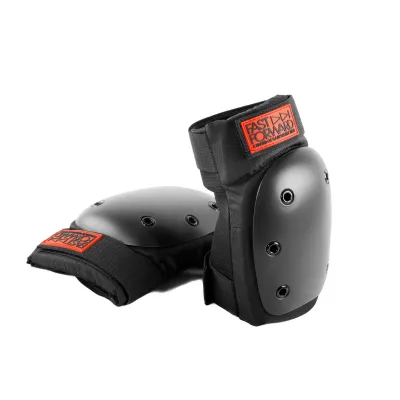
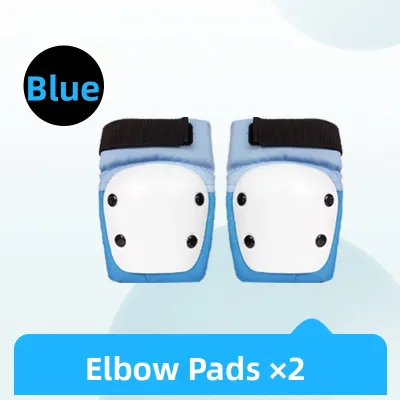
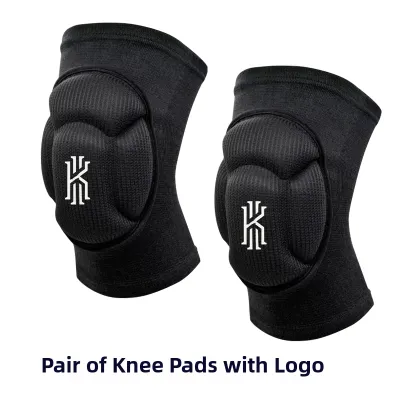
Prices are valid at publication and may change. Please refer to the product page for the latest price.
When you strike the ground while moving forward, your safety depends on your ability to slide out the momentum. Falling on unforgiving surfaces like asphalt, concrete, or rough pavement creates immense friction. If your knee pads are made of soft, high-friction materials, they will grip the ground instantly upon contact. This sudden stop transfers all the kinetic energy directly to your knee joints, hips, and lower back, significantly increasing the risk of ligament tears, joint dislocations, and fractures.
This slide requirement is why generic athletic pads are entirely unsuitable for inline skating. For instance, volleyball knee pads are designed with soft, exposed fabric cushions intended to absorb low-velocity impacts on smooth wooden indoor courts. If worn on outdoor asphalt, the fabric will shred instantly upon contact, exposing your skin to severe friction burns and leaving your joints unprotected. Similarly, construction or work knee pads are built for prolonged kneeling rather than active sliding; they often feature high-grip rubber faces and lack the secure, slip-free strapping systems required to keep the pads in place during a high-speed slide. Specialized inline skating knee pads feature durable, low-friction hard plastic caps and heavy-duty ballistic nylon sleeves that are specifically engineered to survive high-speed pavement slides.
Key Features to Evaluate Before Buying
To choose the right knee pads, you must evaluate several critical design dimensions that directly affect protection, comfort, and usability.

Cap Design
The primary choice in cap design is between hard plastic shells and soft, flexible impact-absorbing pads. Hard plastic caps, typically constructed from high-density polyethylene (HDPE) or ABS plastic, are the standard for outdoor inline skating. These caps allow you to slide safely on rough surfaces, converting high-impact energy into linear motion. Conversely, soft pads often utilize advanced, rate-sensitive materials like non-Newtonian foams. These foams remain soft and flexible during normal movement but instantly harden upon impact to absorb shock. While soft pads offer a highly discreet, low-profile fit, they must be paired with a highly abrasion-resistant outer fabric layer if they lack a hard plastic slide cap. For most recreational and street skaters, a hard plastic shell provides the most reliable protection against road rash.
Coverage Area
Standard knee pads focus strictly on protecting the patella and the immediate surrounding joint area. This compact design is highly popular among fitness skaters who prioritize mobility and breathability. However, if you participate in aggressive street skating, ramp riding, or high-speed downhill descents, you should look for extended-coverage pads. These models feature elongated foam structures that extend down the shin or wrap around the lower thigh, shielding your legs from stray skate frames, metal rails, and sharp pavement edges during complex maneuvers.
Strap and Closure Systems
The way a knee pad attaches to your leg determines how well it stays in place during a dynamic fall. Sleeve-style pads feature a continuous elastic or neoprene tube that you slide up your leg before putting on your skates. This design offers an incredibly secure, slip-free fit and minimizes bulk, but it can be inconvenient if you need to remove your pads without taking off your skates. Dual-strap systems with open-back designs, often referred to as butterfly closures, allow you to wrap the pad directly around your knee using wide, overlapping neoprene flaps secured by heavy-duty hook-and-loop straps. This system offers excellent adjustability and convenience, making it easy to put on or remove the pads at any time.
Climate Adaptability
In Singapore’s tropical, high-humidity climate, heat dissipation is a critical factor in gear compliance. If your protective gear is too hot, heavy, or suffocating, you are far more likely to leave it at home, leaving yourself vulnerable to injury. To stay cool and dry, prioritize knee pads that feature perforated EVA foam padding, moisture-wicking internal liners, and open-back strap configurations. These features maximize airflow around the knee joint, helping to wick sweat and prevent painful skin chafing, heat rashes, and unpleasant odors during long skating sessions in the tropical heat.
Selecting the Right Knee Pad Skate Gear by Skating Style
Not all inline skaters have the same safety needs, and matching your gear to your specific skating discipline is essential for balancing protection with mobility.
Best for Beginners and Fitness Skating
Recreational and fitness skaters who primarily stick to flat, predictable park connectors and paved paths require lightweight, comfortable protection that does not hinder their stride. For this style of skating, sleeve-style pads or simple dual-strap models with moderate hard caps are highly recommended. These designs focus on ease of use and flexibility, allowing beginners to practice basic skating postures, turning, and stopping techniques without feeling restricted.
The lightweight construction of fitness pads ensures that they do not add unnecessary weight to your legs, which helps prevent premature muscle fatigue during longer fitness rolls. Many of these pads incorporate breathable mesh backings and soft interior fabrics that feel comfortable against bare skin, making them ideal for skaters who prefer wearing shorts in warm weather.
However, recreational pads have clear performance limits. They are engineered to absorb low-to-moderate impacts from typical tip-over falls at moderate speeds. They do not possess the thick foam padding or reinforced stitching required to withstand high-velocity impacts, repetitive ramp slides, or aggressive street tricks. If your skating progresses to jumping stairs or riding skatepark bowls, you must upgrade to heavier-duty gear.
Best for Aggressive and Street Skating
Aggressive and street skating involve high-impact jumps, grinds on metal rails, and vertical ramp riding. Skaters in this discipline require maximum impact absorption and heavy-duty sliding capabilities to protect their joints from severe trauma. For this style, heavy-duty knee pads featuring thick, high-density EVA foam and wide, robust, and often replaceable hard plastic caps are the industry standard.
These pads are built to take direct, vertical impacts from significant heights. The wide hard caps provide a massive sliding surface, allowing you to slide down ramp transitions safely on your knees—a fundamental safety technique for park skaters. Additionally, many aggressive pads feature extended coverage that wraps around the sides of the knee joint and extends down the upper shin, protecting against painful frame-bites and missed grinds.
The primary trade-off of aggressive skate pads is their bulk and weight. The thick layers of protective foam and heavy plastic shells create a wide profile that can slightly restrict deep knee bends and reduce overall leg agility. Furthermore, the dense, heavy-duty materials trap heat and sweat, making them significantly warmer to wear, particularly during intense sessions under the tropical sun.
Best for Urban Commuting and Freeride
Urban freeriding and city commuting require a versatile balance of robust protection, high mobility, and a streamlined profile. City skaters must navigate unpredictable environments, including uneven sidewalks, traffic intersections, tactile paving, and sudden obstacles. To handle these challenges, look for low-profile knee pads with flexible, articulated hinges and secure butterfly strap systems.
These pads are designed to move naturally with your leg, allowing you to perform quick crossovers, sudden stops, and curb jumps without restriction. The low-profile hard caps provide reliable slide protection on rough city asphalt while keeping the overall bulk to a minimum. This streamlined shape allows urban skaters to wear the pads comfortably either over or under casual clothing, making them highly practical for daily commutes.
The limitation of urban freeride pads lies in their intermediate protective capacity. While they offer far more impact absorption and sliding durability than lightweight fitness pads, they do not match the extreme impact protection or coverage area of dedicated aggressive ramp pads. They are designed for emergency protection during street falls rather than repetitive, high-impact park riding.
Comparing Knee Pad Features by Skating Style
To help you quickly identify the best option for your specific skating activities, the following table summarizes the key design characteristics of the three primary knee pad categories.
| Skating Style | Cap Type | Coverage Area | Strap System | Breathability | Best Use Case |
|---|---|---|---|---|---|
| Beginner / Fitness | Slim Hard Cap or Soft Pad | Standard Knee | Sleeve or Simple Dual-Strap | High (Mesh & Perforated) | Park connectors, flat paved paths, recreational rolling |
| Aggressive / Street | Wide, Replaceable Hard Cap | Extended (Shin & Thigh) | Butterfly Closure + Elastic Straps | Low (Thick Foam & Heavy Fabrics) | Skateparks, halfpipes, handrails, high-impact tricks |
| Urban / Freeride | Low-Profile Hard Cap | Standard to Semi-Extended | Butterfly Closure or Sleeve | Medium (Articulated & Open-Back) | City commuting, street freeriding, obstacle navigation |
How to Achieve a Secure and Comfortable Fit
No matter how advanced a knee pad’s protective technology is, it cannot safeguard your joints if it shifts or slides out of position during a fall. Achieving a precise, secure fit is the most critical step in configuring your safety gear.
To determine your correct size, use a flexible sewing tape measure to take three key measurements: the circumference of your thigh approximately 10 centimeters above the center of your kneecap, the circumference directly across the center of your kneecap, and the circumference of your calf approximately 10 centimeters below your kneecap. Always measure your legs while standing up with your muscles relaxed. Compare your measurements directly to the manufacturer’s sizing chart for the specific model you are considering, as sizing standards vary widely between safety gear brands.
Once you receive your knee pads, perform the “bend and walk” test before taking them out for a skate. Put the pads on, secure the straps comfortably, and walk around your room. Next, drop down into a deep, low skating stance, bending your knees to a 90-degree angle. The center of the hard plastic cap must remain perfectly centered over your kneecap throughout the entire range of motion. If the pad slips downward, twists to the side, or leaves a portion of your kneecap exposed when your leg is bent, the size is too large or the strap system is not adjusted correctly.
When adjusting the straps, aim for a secure, snug fit that does not restrict your blood circulation. Over-tightening the straps can compress nerves, cause premature muscle cramping in your calves, and lead to painful skin chafing behind the knee joint. Conversely, leaving the straps too loose will allow the pad to slide down your leg the instant it makes contact with the ground during a fall, rendering the protective hard cap useless. Ensure that the foam padding fits flush against your skin with no visible gaps when your knee is fully bent.
Care and Maintenance for Skate Pads
Proper care and maintenance are essential for extending the lifespan of your knee pads and preventing the buildup of unpleasant odors caused by sweat and bacteria. Because protective gear is subjected to intense physical use and outdoor elements, regular cleaning and inspection are vital safety practices.
To clean your knee pads safely, always hand-wash them in cool water using a mild, non-detergent soap or specialized sports wash. Gently scrub the fabric lining and straps with a soft-bristled brush to remove embedded dirt and sweat salt. Avoid machine-washing your pads; the aggressive tumbling, spinning, and high water temperatures of a washing machine can warp the plastic hard caps, degrade the shock-absorbing structure of the internal EVA foam, and permanently stretch out the elastic straps, ruining the pad’s fit and protective capabilities.
After washing, gently press out excess water without wringing or twisting the pads. Hang them to air-dry in a shaded, well-ventilated indoor or outdoor area. Never place your knee pads in a clothes dryer, and avoid leaving them to dry in direct, intense sunlight. High heat and ultraviolet (UV) radiation will rapidly break down the synthetic fibers, weaken the adhesives holding the foam layers together, and make the plastic hard caps brittle and prone to cracking.
Before every skate session, conduct a quick visual inspection of your knee pads using the following checklist:
- Hard Caps: Check for deep cracks, structural fractures, or areas where the plastic has worn dangerously thin from previous slides.
- Stitching and Seams: Inspect all seams, especially around the strap attachment points and cap borders, for fraying, tearing, or loose threads.
- Fasteners: Verify that the hook-and-loop straps still grip firmly and do not peel open easily under tension.
- Internal Foam: Press the foam padding to ensure it still feels resilient and rebounds quickly; if the foam feels permanently compressed, hard, or crumbly, it can no longer absorb impacts effectively.
If your pads fail any of these inspection points, replace them immediately to ensure your safety on the pavement.
Frequently Asked Questions (FAQ)
Can I use volleyball or mountain biking knee pads for inline skating?
It is highly discouraged to use volleyball or mountain biking knee pads for inline skating because they are engineered for entirely different impact dynamics. Volleyball pads feature soft fabric covers designed for indoor wooden courts; they will tear instantly on outdoor asphalt, offering no sliding capability and leaving your skin exposed to severe road rash. Mountain biking pads are designed for linear, dirt-trail impacts and often lack the wide, low-friction hard plastic caps required to safely slide out forward-fall momentum on concrete and asphalt surfaces.
How often should I replace my inline skating knee pads?
There is no fixed calendar timeline for replacing skate pads, as wear depends heavily on your fall frequency, skating style, and storage conditions. You should replace your knee pads immediately if you observe any signs of structural compromise. These signs include cracked or severely gouged hard plastic caps, permanently compressed or crumbling internal foam, frayed stitching at load-bearing seams, or elastic straps that have lost their elasticity and can no longer hold the pad securely in place during movement.
Should knee pads be worn over or under my pants?
Whether to wear knee pads over or under your pants depends on the specific design of the pad and your clothing. Low-profile, sleeve-style pads can be worn comfortably under loose-fitting pants, which helps protect the pad’s fabric from minor scuffs. However, larger knee pads with hard plastic caps and butterfly strap closures are designed to be worn over your pants. Wearing them on the outside allows the hard plastic shell to make clean, unobstructed contact with the pavement during a fall, enabling you to slide safely without tearing your clothing or pulling the pad out of position.
Community discussion
Share your experience or ask a question. Comments are reviewed before publication.