
Quick Answer: Finding the Right Knee Support for Women
Finding the right knee support brand in Singapore requires looking beyond generic sizing. The ideal choice depends on three main pillars: anatomical fit, the specific activity level, and material breathability suitable for a tropical climate. Because joint structures and lifestyle demands vary, there is no single universal brand that suits every woman.
Instead, the most reliable approach is to match your specific joint stability needs with a brand’s specialized product category, verify your measurements against their specific sizing charts, and purchase through authorized local channels to ensure authenticity. Taking the time to assess these factors prevents common issues like brace slippage, skin irritation, and inadequate joint stabilization.
Why Women-Specific Fit Matters in Knee Braces
Women often have a more pronounced taper from the thigh to the calf compared to men. Standard unisex sleeves designed with a straight cylindrical cut frequently slip down the thigh or pinch tightly around the upper calf, leading to constant adjustments and skin irritation during movement. A contoured design that mirrors the natural shape of the female leg is essential for maintaining consistent compression.
Products mentioned in this guide
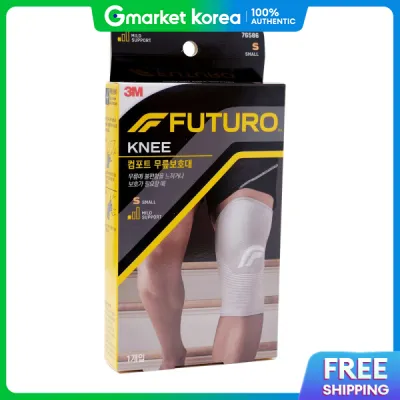
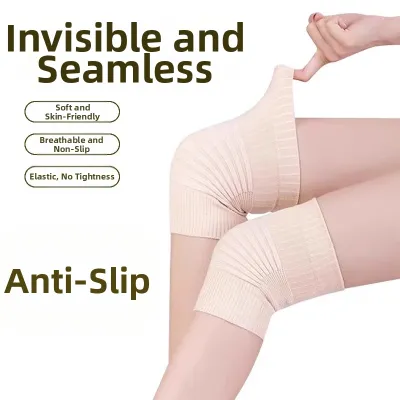
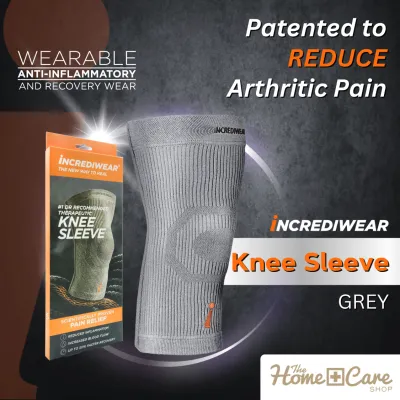
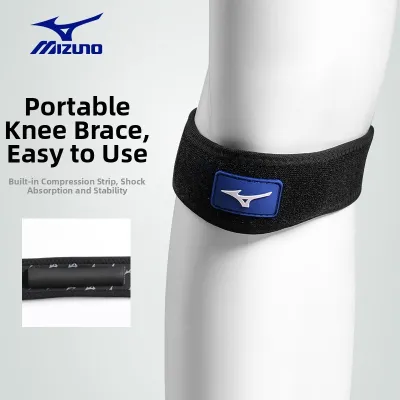
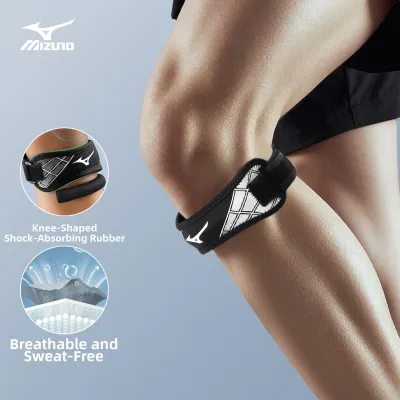
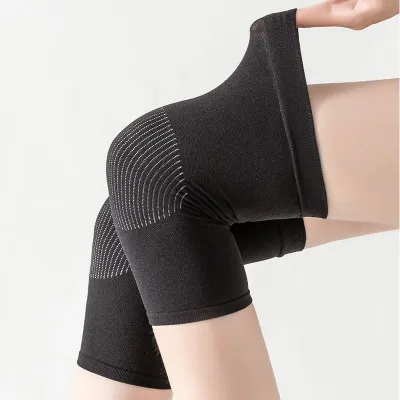
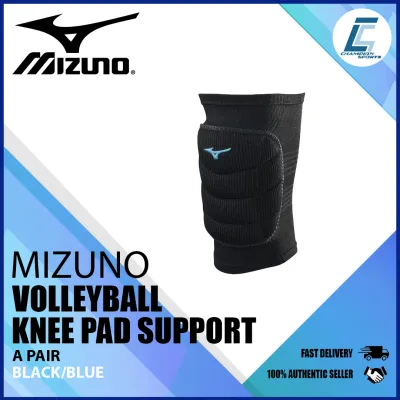
Prices are valid at publication and may change. Please refer to the product page for the latest price.

Another critical factor is the Q-angle, which is the angle formed by the intersection of the quadriceps muscle pull and the patellar tendon. This angle is typically wider in women due to a wider pelvis. This anatomical variation directly influences patellar tracking, making women more prone to lateral patellar misalignment, anterior knee pain, and conditions like runner’s knee. A well-designed knee support must account for this lateral pull, often utilizing targeted gel inserts, lateral stabilizers, or asymmetrical strapping to keep the kneecap properly aligned.
Generic braces often bunch up behind the knee in the popliteal fossa, restricting circulation and causing chafing during flexion. Women-tailored or highly adjustable designs use contoured knitting and flexible side stabilizers that mirror the natural curvature of the leg. This ensures the brace stays secure during dynamic movements without restricting blood flow or causing painful pinching behind the joint.
Matching Brand Specialties to Your Activity and Support Level
High-Impact Sports & Agility
For activities common in Singapore like netball, running, or racket sports, look for brands that specialize in dynamic stabilization. These products often feature lightweight compression fabrics combined with flexible spiral stays or dual-lateral hinges. The goal is to prevent lateral twisting of the joint while allowing a full range of forward and backward motion. Look for brands that emphasize lightweight, breathable weaves that do not retain excess water when sweating, ensuring the brace remains light and supportive throughout your workout.
Daily Wear & Mild Compression
If you require support for long hours in air-conditioned offices or light walking around urban spaces, prioritize brands known for low-profile, seamless circular-knit sleeves. These brands focus on medical-grade compression that stimulates blood flow and reduces minor swelling without being visible under work trousers or skirts. The fabric should feel like a second skin, with flat-stitched borders to prevent digging into the thigh and calf muscles during prolonged sitting.
Post-Injury & Rehabilitation
For recovering from ligament sprains, meniscus tears, or managing chronic joint issues, target brands that specialize in medical-grade orthopedic braces. These manufacturers design products with rigid, adjustable hinges, heavy-duty hook-and-loop straps, and targeted patella rings. These features mechanically limit harmful joint movements, allowing tissues to heal safely. When evaluating these brands, check for adjustable strapping systems that let you customize the tension to accommodate fluctuating joint swelling throughout the recovery process.
Sizing, Measurement, and Climate Adaptation
To find a supportive fit, you must take precise measurements rather than relying on standard clothing sizes. Stand with your leg slightly bent at a 30-degree angle, as measuring while sitting or with a fully straight leg can lead to incorrect sizing. Use a flexible measuring tape to measure three key areas:
- Upper Thigh Circumference: Typically 12 to 15 centimeters above the center of the kneecap.
- Knee Center: Directly over the middle of the patella.
- Calf Circumference: Usually 10 to 12 centimeters below the center of the kneecap.
Sizing is not standardized across manufacturers. A medium size in an athletic compression brand might correspond to a small or large in a medical orthopedic brand. Always compare your physical measurements in centimeters against the specific size chart provided by the manufacturer before making a purchase.
Singapore’s tropical climate demands specific material choices to prevent skin issues. Heavy neoprene braces, while supportive, trap heat and sweat, which can lead to heat rashes or contact dermatitis. Look for open-patella designs to allow heat dissipation from the front of the joint. Choose moisture-wicking synthetic blends, such as nylon and spandex, that dry quickly. Additionally, ensure the brand incorporates medical-grade, hypoallergenic silicone wave bands at the top cuff; these non-slip grips prevent the sleeve from sliding down when the skin becomes sweaty.
Where to Buy and Verify Authenticity in Singapore
Purchasing your knee support through the correct channels ensures you receive a genuine product that offers the intended level of support. Visiting local physiotherapy clinics, sports pharmacies, or specialized orthopedic stores allows you to receive professional fitting advice. A physiotherapist or trained staff member can assess if the brace matches your specific joint anatomy and movement patterns, reducing the risk of buying an unsuitable model.
If you prefer the convenience of online shopping, verify that you are purchasing from official brand storefronts or authorized local distributors on major e-commerce platforms. Avoid unauthorized third-party sellers offering prices that are significantly lower than the standard retail price. For example, a medical-grade brace listed at a fraction of its typical S$80 to S$150 retail cost is a strong indicator of a counterfeit product.
Always check the product packaging for official holographic security seals, batch numbers, and included warranty registration cards. Genuine brands will also provide clear local distributor contact details or a physical address in Singapore for customer support, ensuring you can easily resolve any sizing or manufacturing issues.
Frequently Asked Questions (FAQ)
Can I wear a knee support all day, or only during exercise?
Mild compression sleeves are generally safe for extended wear during daily activities, as they promote circulation and provide sensory feedback to the joint. However, they should still be removed during sleep to allow the skin to breathe and prevent any restriction in resting circulation. In contrast, rigid, hinged, or highly restrictive braces should only be worn during specific physical activities, rehabilitation exercises, or as directed by a healthcare professional. Wearing a highly supportive brace continuously without medical supervision can cause the surrounding stabilizing muscles to weaken over time, as they rely on the external structure rather than their own strength. Always consult a physiotherapist to establish a safe wear schedule tailored to your recovery.
How do I wash and maintain my knee brace to prevent skin irritation?
To maintain hygiene and preserve the elastic properties of your knee support in Singapore’s humid climate, regular washing is essential. Hand-wash the support in cool or lukewarm water using a mild, chemical-free detergent or baby shampoo. Avoid fabric softeners, bleach, or harsh detergents, as these can degrade the elastic fibers and damage non-slip silicone grips. Gently squeeze out excess water without wringing or twisting the fabric. Air-dry the brace flat or hang it in a well-ventilated indoor area away from direct sunlight and heat sources like dryers, which can warp plastic stabilizers or melt silicone bands. Ensure the brace is completely dry before wearing it again to prevent fungal or bacterial skin irritation.
When should I replace my knee support?
A knee support should be replaced as soon as it shows visible signs of structural wear or a noticeable loss of compression. Key indicators include stretched-out fabric that no longer hugs the joint snugly, peeling or cracking silicone grip strips, frayed stitching, and hook-and-loop fasteners that no longer hold securely. For active individuals using compression sleeves multiple times a week for high-impact sports, the elastic fibers typically begin to degrade within six to twelve months of regular use. Occasional daily wear for mild support may last longer. Continuing to wear a compromised brace offers little therapeutic benefit and can lead to joint instability or skin chafing from loose material.
Community discussion
Share your experience or ask a question. Comments are reviewed before publication.