
Selecting the right gym gloves from Li-Ning’s extensive athletic gear lineup requires aligning the glove’s structural design with the specific physical demands of your training regimen. Whether you are performing high-repetition Olympic lifts, heavy powerlifting presses, or navigating a general machine-based circuit in a local Singapore fitness center, the ideal glove serves as a critical interface between your hands and the steel. A mismatch can lead to bunching fabric, compromised grip, or premature wear. By identifying your primary workout style, you can select a Li-Ning glove designed with the exact balance of palm padding, wrist stability, and ventilation required for your fitness goals.
Quick Guide: Match Your Li-Ning Gloves to Your Training Style
Matching your glove design to the specific mechanical demands of your training is essential for preventing friction injuries, protecting your skin from painful blisters, and optimizing overall grip performance. Different exercises place unique stresses on your hands and wrists. For instance, heavy weightlifting requires rigid wrist support and dense palm padding to distribute massive loads safely. Conversely, dynamic CrossFit or high-intensity functional training (HIFT) demands maximum flexibility, exceptional breathability, and an uncompromised “bar feel” to execute rapid, multi-joint movements. If your routine focuses on general fitness, your primary needs are lightweight comfort, basic blister prevention, and easy hygiene management.
Li-Ning offers a diverse range of glove styles tailored to these distinct training categories. When browsing official brand stores or major e-commerce platforms, having a clear understanding of these archetypes allows you to filter through options efficiently. Instead of searching for a universal glove that attempts to do everything, focusing on your primary training style ensures you select a design that supports your movement patterns and enhances your safety.
Products mentioned in this guide
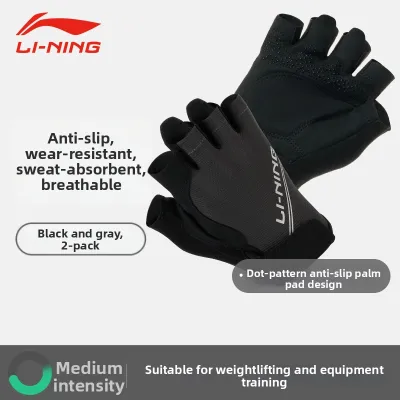
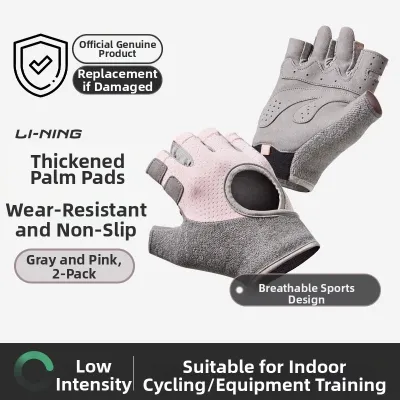
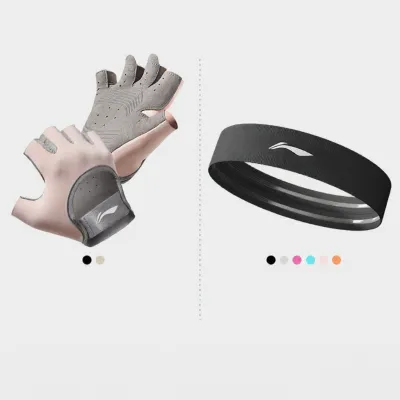
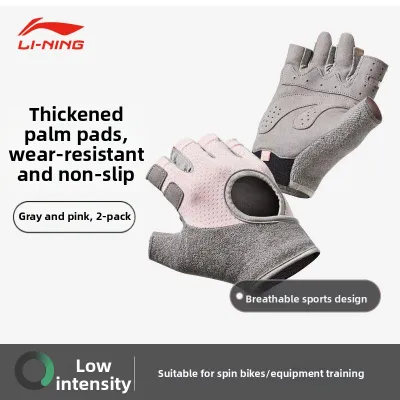
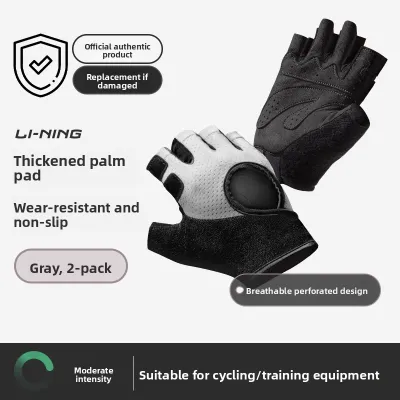
Prices are valid at publication and may change. Please refer to the product page for the latest price.
What to Look for When Choosing Li-Ning Gym Gloves
To make an informed decision when selecting protective gear from Li-Ning’s lineup, you must evaluate several core features, materials, and structural elements.

Palm Material and Grip
The palm is the primary contact point with the weights, making its material composition critical. Li-Ning gloves typically utilize synthetic leather, microfiber, or silicone-printed surfaces. Silicone-printed grips excel at providing high-friction traction on smooth barbell shafts and pull-up bars, making them ideal for preventing slippage. On the other hand, heavy-duty synthetic leather offers superior durability and abrasion resistance under heavy, repetitive loads. Before finalizing a purchase, check the product labels or manufacturer instructions to verify the abrasion resistance rating and material composition, ensuring they match your training intensity.
Wrist Support Mechanisms
Wrist stability is a major factor in preventing hyperextension injuries during pressing movements. Standard gym gloves often feature simple elastic cuffs that offer basic containment and a snug fit but minimal joint support. For heavier lifting, look for Li-Ning styles that incorporate extended, adjustable Velcro wrist wraps. These wraps act like built-in wrist rollers, providing external compression and joint stability. Some specialized lifting gloves also feature integrated lifting straps or pull tabs, which loop directly around the bar to assist with grip fatigue during heavy pulling exercises like deadlifts.
Breathability and Moisture Management
In Singapore’s hot and highly humid climate, moisture management is not just about comfort—it is a critical hygiene and safety factor. Sweat-slicked hands inside a glove can cause the glove to slip internally, leading to friction blisters and a compromised grip. Look for Li-Ning gloves constructed with breathable mesh backings, perforated palms, and moisture-wicking inner liners. These features facilitate constant airflow, helping to dissipate heat and evaporate sweat quickly during intense sessions in both air-conditioned commercial gyms and open-air ActiveSG facilities.
Fingerless vs. Full-Finger
While full-finger gloves offer maximum skin coverage, half-finger (fingerless) designs remain the industry standard for most gym environments. Half-finger gloves provide superior tactile feedback, allowing you to feel the knurling of the bar directly with your fingertips while protecting the highly vulnerable palm and lower knuckle areas. Additionally, fingerless designs offer significantly better heat dissipation, which is crucial for maintaining comfort during long workouts in tropical climates.
Best Li-Ning Glove Designs for Specific Workouts
To help you navigate the brand’s catalog, we have categorized Li-Ning’s glove designs into three primary archetypes based on specific training demands. Understanding these styles will help you identify the right product specifications on retail listings.
Weightlifting and Powerlifting: Prioritize Wrist Support
For athletes focused on heavy compound movements such as bench presses, overhead presses, and deadlifts, the primary requirement for a gym glove is structural reinforcement. Li-Ning gloves designed for this category feature extended, heavy-duty wrist wraps made from high-tensile elastic and nylon blends. These wraps secure tightly with wide Velcro closures, allowing you to customize the level of compression and joint immobilization. This external support helps keep your wrists in a neutral alignment under load, reducing the risk of strain.
In addition to wrist stability, these weightlifting gloves incorporate thick, high-density foam or gel padding across the palm and the base of the fingers. This padding is strategically placed to absorb shock and distribute the crushing pressure of heavy barbells and dumbbells across a larger surface area, preventing deep tissue bruising and calluses.
However, this level of protection comes with a clear trade-off. The thick padding and rigid wrist wraps significantly limit your hand and wrist mobility. This stiffness can make these gloves unsuitable for dynamic movements like front squats, cleans, or kettlebell snatches, where a rapid change in wrist angle is required. Before purchasing, verify the wrap length and padding thickness in the product specifications to ensure they align with your lifting style.
CrossFit and HIFT: Focus on Flexibility and Breathability
CrossFit and high-intensity functional training involve rapid transitions between cardiovascular exercises, gymnastics, and Olympic lifting. For these workouts, heavy, padded gloves are a liability. Instead, look for minimalist Li-Ning glove designs that prioritize flexibility, lightweight materials, and a snug, second-skin fit. These gloves typically feature ultra-thin, highly flexible palm materials—such as high-grade microfiber—that mimic the natural contours of your hand.
Maintaining a direct “bar feel” is essential for safety and control during complex movements like clean and jerks, snatches, and kettlebell swings. Overly thick padding can alter your grip diameter, making the bar feel thicker and accelerating forearm fatigue. Minimalist Li-Ning gloves protect your skin from friction tears without separating you from the knurling of the bar.
A primary limitation of standard gloves in this category is their performance during high-repetition gymnastics movements on the pull-up bar, such as chest-to-bar pull-ups or toes-to-bar. The friction generated during these movements can cause standard glove fabric to bunch up, which actually increases the risk of skin tears. If your training is heavily weighted toward gymnastics, look for Li-Ning styles featuring reinforced grip zones or consider transitioning to specialized gymnastics grips designed specifically for bar work.
General Fitness: Opt for Lightweight Blister Protection
If your fitness routine consists of a mix of resistance machines, dumbbell exercises, and cardio equipment, your primary goal is likely comfort, hygiene, and basic skin protection. For this use case, standard half-finger Li-Ning gloves with moderate, evenly distributed padding are the ideal choice. These gloves are typically constructed with lightweight, highly breathable mesh backings that keep your hands cool and dry.
An important feature to look for in general fitness gloves is convenience. Many of Li-Ning’s everyday gym gloves include integrated finger loops or quick-removal tab pulls on the middle and ring fingers. These tabs make it incredibly easy to pull the damp gloves off your hands after a sweaty workout, facilitating quick transitions between different exercise stations or machine circuits.
It is important to set realistic expectations for these general-purpose styles. They are not designed to withstand the extreme forces of heavy powerlifting or the intense friction of high-repetition barbell work. The moderate padding and lighter stitching may degrade prematurely if subjected to constant heavy knurling. However, for the everyday gym-goer seeking a hygienic barrier against shared gym equipment and basic blister prevention, these lightweight designs offer the perfect balance of comfort and utility.
Compare Li-Ning Glove Features Across Training Styles
To help you quickly visualize the differences between these glove styles, the following table compares key design dimensions across the three primary training categories discussed.
| Training Style | Ideal Palm Thickness | Wrist Support Level | Breathability | Best For | Primary Limitation |
|---|---|---|---|---|---|
| Weightlifting & Powerlifting | Thick (Gel/High-Density Foam) | High (Extended Velcro Wraps) | Moderate to Low | Heavy presses, deadlifts, and bench work | Restricts wrist mobility and hand flexibility |
| CrossFit & HIFT | Thin (Microfiber/Minimalist) | Low (Standard Elastic Cuff) | High (Perforated Palm/Mesh) | Olympic lifts, kettlebell swings, dynamic movements | Less load distribution for heavy stationary presses |
| General Fitness | Moderate (Standard Foam) | Low to Medium (Basic Strap) | High (Full Mesh Backing) | Resistance machines, light dumbbells, cardio | Not suitable for extreme loads or high-friction bar work |
By identifying where your workout routine falls on this spectrum, you can narrow down your search to the specific Li-Ning glove archetype that will best support your training goals.
How to Measure and Choose the Right Li-Ning Glove Size
An improperly fitting gym glove can cause more problems than it solves. If a glove is too loose, the excess fabric will bunch up under your palm, creating friction points that lead to severe blisters. If it is too tight, it will restrict blood circulation, limit your hand’s natural range of motion, and cause premature hand fatigue during your workout.
To find your correct size, you must measure your hand accurately. Use a flexible fabric measuring tape to measure your hand circumference. Wrap the tape around the widest part of your palm, just below your knuckles, excluding your thumb. Keep your hand flat and your fingers slightly spread. Next, measure your hand length by placing the tape at the base of your palm (at the wrist crease) and measuring up to the tip of your middle finger.
Once you have these measurements, consult the specific Li-Ning size chart provided on the product page. If your measurements fall between two sizes, consider your training style to make the final decision:
- Size Down if you are purchasing flexible, minimalist gloves for CrossFit or dynamic training. A snugger fit prevents the material from shifting and bunching during high-repetition movements.
- Size Up if you are choosing heavy weightlifting gloves with integrated wraps, or if you frequently train in Singapore's humid conditions, as hands naturally swell slightly when warm.
Always refer to the manufacturer’s specific size chart for the exact model you are purchasing, as sizing standards can vary slightly between different production batches and materials.
How to Clean and Maintain Your Gym Gloves
Proper maintenance is essential for extending the lifespan of your Li-Ning gym gloves and keeping them hygienic and odor-free. Because gloves absorb sweat, skin cells, and bacteria from both your hands and shared gym equipment, neglecting care can lead to unpleasant odors and material degradation.
To clean your gloves safely, follow these low-risk steps:
- Hand Wash Only: Fill a basin with lukewarm water and add a small amount of mild liquid detergent or soap. Avoid harsh chemicals, bleach, or fabric softeners, which can break down synthetic fibers.
- Gently Scrub: Submerge the gloves and gently massage the palm and finger areas to loosen dirt and sweat buildup. Pay special attention to the grip zones.
- Rinse Thoroughly: Rinse the gloves in clean, cold water until all soap residue is removed. Do not wring or twist the gloves aggressively, as this can damage the stitching and deform the padding.
- Air Dry: Gently press the water out using a clean towel. Hang the gloves to air dry in a well-ventilated indoor area, away from direct sunlight and heat sources like radiators, which can dry out and crack synthetic leather and degrade Velcro.
For daily odor management between washes, spray your gloves with a mild antibacterial fabric spray and store them in a well-ventilated area. Never leave damp gloves trapped inside a closed gym bag, especially in Singapore’s humid climate, as this creates an ideal breeding ground for bacteria and mold.
Replace your gloves when you notice compressed or torn palm padding, failing Velcro straps that no longer stay secure under load, persistent odors that survive washing, or stretched-out elastic cuffs that compromise the glove’s fit.
Frequently Asked Questions (FAQ)
Do I need lifting straps if my Li-Ning gloves have wrist wraps?
No, because wrist wraps and lifting straps serve completely different mechanical purposes. Wrist wraps are designed to provide joint stability, compression, and support for your wrist bones during heavy pressing or squatting movements, keeping the joint aligned. In contrast, lifting straps are long bands that loop around the barbell or dumbbell to mechanically bind your hand to the weight, assisting your grip during heavy pulling exercises like deadlifts or rows. While some specialized Li-Ning glove styles feature integrated wraps for wrist support, they do not replace lifting straps. You should only use lifting straps when grip fatigue is the primary factor limiting your pulling performance.
Are standard gym gloves suitable for outdoor calisthenics?
Standard indoor gym gloves can provide basic protection for outdoor calisthenics, but they are not the ideal choice for long-term outdoor use. The metal and wooden bars found at outdoor fitness corners and parks in Singapore are often rougher, more abrasive, and exposed to the elements, which accelerates fabric wear. Standard gym gloves, especially those with thin mesh backings, may tear or wear out quickly under these conditions. If outdoor calisthenics is your primary training style, look for Li-Ning glove designs that feature reinforced, heavy-duty synthetic leather palms and double-stitched seams to withstand the high friction of outdoor bars.
Community discussion
Share your experience or ask a question. Comments are reviewed before publication.