
Choosing the right lifting strap can transform your strength training, helping you bypass grip limitations and target your major muscle groups more effectively. In Singapore’s warm and humid climate, sweaty palms frequently cause premature grip failure during heavy pulls, long before your target muscles are fully fatigued. Whether you are training in a fully air-conditioned commercial gym or a naturally ventilated local fitness corner, integrating a high-quality lifting strap into your routine ensures you can safely overload your back, hamstrings, and traps.
However, there is no single lifting strap that excels in every training environment. Powerlifters chasing a maximal deadlift require vastly different equipment than CrossFit athletes performing high-rep, dynamic Olympic lifts. Understanding how different materials, designs, and safety features align with your specific fitness goals is the first step toward selecting the perfect pair.
How to Choose the Right Lifting Straps for Your Training
The primary function of a lifting strap is to transfer the load of a barbell, dumbbell, or cable attachment from your fingers directly to your wrists. This mechanical assistance bypasses the smaller, easily fatigued muscles of your forearms, allowing you to train larger muscle groups to failure. It is crucial to remember that lifting straps are training accessories, not replacements for natural grip development. Relying on them for every set can lead to a lag in your forearm strength, so they are best reserved for your heaviest or highest-volume working sets.
Products mentioned in this guide
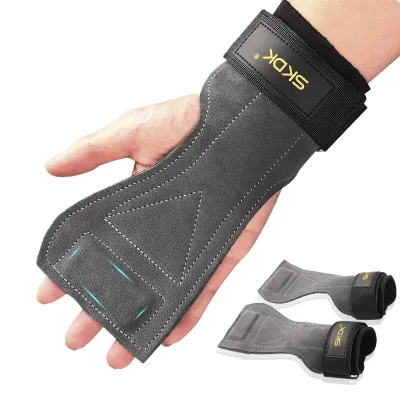
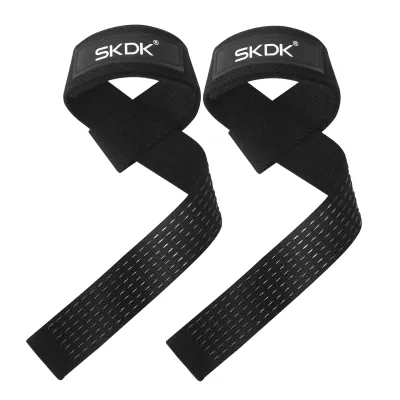
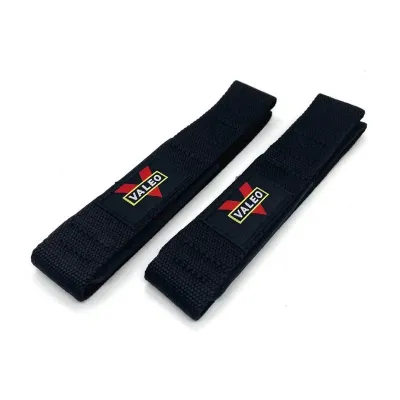
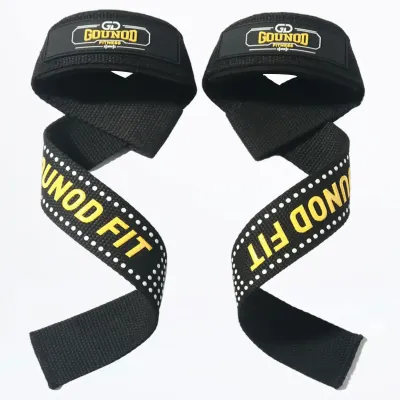
Prices are valid at publication and may change. Please refer to the product page for the latest price.
When evaluating lifting straps, your first decision point is the material, which dictates durability, comfort, and grip security:
- Cotton: This is the most comfortable and pliable material, requiring virtually no break-in period. Cotton is highly sweat-absorbent, making it an excellent choice for managing moisture in Singapore's humid gyms. However, cotton is more prone to fraying under extreme loads over time.
- Nylon: Known for its exceptional durability and resistance to stretching, nylon is incredibly tough and can withstand years of heavy abuse. The trade-off is that nylon is naturally slicker than cotton, meaning it often requires the application of gym chalk to prevent slipping on smooth barbell shafts.
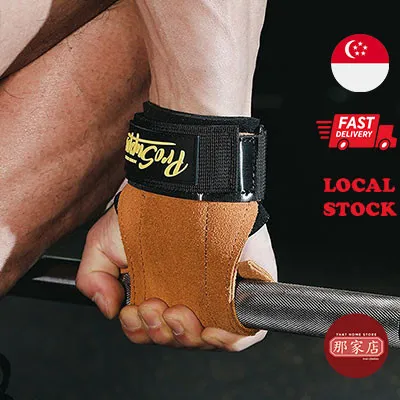
- Leather: Offering a premium, robust feel, leather straps gradually mold to the unique shape of your wrist and the barbell knurling. They are highly durable but require a dedicated break-in period to lose their initial stiffness. Leather can also become slippery when saturated with sweat, requiring regular drying.
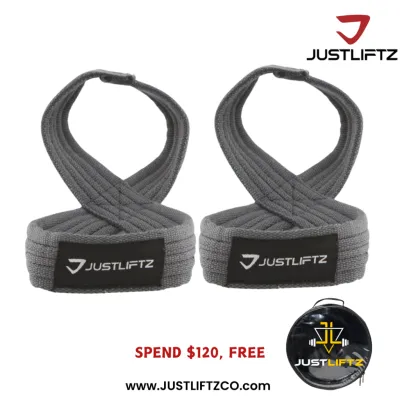
Beyond materials, the physical design of the strap determines how quickly you can set up and how easily you can release the bar in an emergency. The standard lasso loop is the most versatile for general strength training, while padded options protect sensitive skin from friction. Specialized designs like single-loop speed straps cater to dynamic lifting, whereas figure-8 straps offer maximum security for heavy, static deadlifts.
To determine your ideal style, consider your primary training focus. Hypertrophy-focused lifters performing high-rep rows and pulldowns benefit most from padded cotton lasso straps. Powerlifters pulling heavy deadlifts should opt for thick, unpadded nylon or leather. Olympic weightlifters and CrossFit athletes require thin, unpadded single-loop straps that allow for a rapid, safe release.
Best Lifting Straps for Beginners and General Fitness
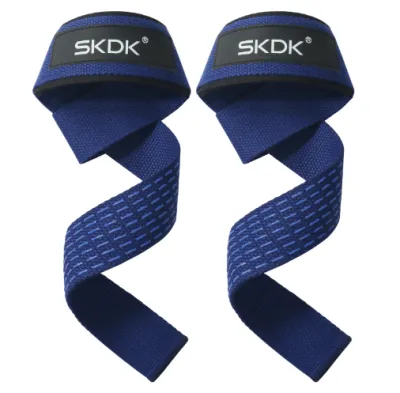
If you are new to using lifting straps or primarily focus on moderate-weight hypertrophy, machine-based exercises, and general physical conditioning, comfort and simplicity should be your top priorities. For these scenarios, standard lasso-style cotton or nylon straps featuring built-in wrist padding are highly recommended. The padding—typically made of neoprene or gel—cushions the delicate skin of your wrist against the pulling force of the weight, preventing painful bruising and chafing during high-rep sets.

These padded lasso straps are incredibly user-friendly. The loop design ensures the strap remains securely anchored around your wrist even if you temporarily release your grip on the barbell or dumbbell. This design makes it easy for beginners to practice wrapping the tail of the strap around the bar without worrying about the entire unit falling off.
- Pros: Exceptional immediate comfort, easy to learn, highly affordable, and widely available across Singapore.
- Cons: The added padding can feel bulky on smaller wrists and can slightly reduce your tactile connection to the barbell.
For general fitness enthusiasts in Singapore, highly accessible options include the Domyos Padded Weightlifting Straps available at local Decathlon stores, which offer an excellent entry-level cotton design at a budget-friendly price point. Another widely available option is the Harbinger Padded Cotton Lifting Straps, which can be found in specialty fitness retail outlets and official brand online stores. These feature a generous neoprene pad and extended strap length for a secure wrap around standard bars.
Best Lifting Straps for Heavy Powerlifting and Bodybuilding
When handling maximal loads on exercises like deadlifts, rack pulls, or heavy shrugs, the requirements shift dramatically. Under extreme weight, soft gel or neoprene padding can compress unevenly, causing the barbell to shift or tilt in your hands. Powerlifters and serious bodybuilders require heavy-duty, unpadded or minimally padded straps made of thick cotton, reinforced nylon, or premium leather. These materials provide a rigid, non-stretch connection between your wrist and the bar, ensuring maximum security.
Heavy-duty straps are built to endure intense friction and immense pulling forces. Because they lack thick padding, they keep your hands closer to the barbell, preserving your grip mechanics and allowing you to feel the knurling of the bar. However, these materials are initially very stiff and require a break-in period of several weeks before they become pliable enough to wrap tightly and comfortably.
- Pros: Maximum load-bearing capacity, minimal stretch, long-lasting durability, and superior bar feel under extreme weight.
- Cons: Can be uncomfortable on the wrists initially, require a break-in period, and lack quick-release safety features.
For lifters in Singapore looking to handle heavy loads, options like SBD Lifting Straps—crafted from a heavy-duty, proprietary weave designed specifically for strength athletes—are highly sought after and available through local authorized powerlifting distributors. Another exceptional choice is the IronMind Strong-Enough Straps, widely regarded as the industry standard for extreme strength sports due to their industrial-strength nylon webbing. Always perform a quick safety check before attempting a heavy set: inspect the stitching around the loop joint and look for any signs of material thinning or tearing.
Best Lifting Straps for Olympic Weightlifting and CrossFit
Olympic weightlifting movements like the snatch and clean, along with high-intensity CrossFit workouts, introduce a unique safety challenge. In these dynamic exercises, the barbell is pulled rapidly overhead or caught on the shoulders. If you miss a lift or lose your balance, you must be able to let go of the barbell instantly. Traditional lasso straps can trap your wrists against the bar, dragging you down with a falling weight and risking severe injury to your wrists, elbows, or shoulders.
To mitigate this risk, Olympic lifters and CrossFit athletes use specialized single-loop (or “speed”) straps. These consist of a simple, short loop of webbing sewn together at the ends. Because the strap does not loop back through itself to choke your wrist, letting go of your hand grip immediately releases the barbell from your hands.
- Pros: Instant, safe release on missed lifts, minimal bulk, and excellent tactile feedback from the barbell knurling.
- Cons: Provide minimal wrist support and require a stronger active hand grip to keep the strap in place during the setup.
Excellent options available to the Singapore fitness community include Rogue Olympic Lifting Straps, which are short, unpadded nylon straps designed specifically for quick wrapping and instant release. Another premium option is the Eleiko Weightlifting Straps, constructed from a thin, durable cotton-nylon blend that provides competitive weightlifters with an unmatched feel of the bar. For hot, humid CrossFit boxes in Singapore, Warm Body Cold Mind (WBCM) Cotton Straps are highly favored for their excellent sweat absorption and robust single-loop design.
How to Wrap, Use, and Maintain Lifting Straps Safely
Using lifting straps correctly is essential for preventing injuries and ensuring the longevity of your equipment. Incorrect wrapping can place dangerous torque on your wrist joints or cause the strap to slip mid-lift, potentially leading to dropped weights.
Step-by-Step Wrapping Guide
- Position the Strap: Thread the tail of the strap through the loop to create a circle. Slide your hand through this circle. The tail of the strap should lie flat against your palm, running directly in line with your thumb.
- Approach the Bar: Place your hand on top of the barbell. The strap should hang down between your hand and the bar.
- Wrap the Tail: Pass the tail of the strap under the barbell, wrapping it away from your body. Bring it up and over the top of the bar.
- Secure the Wrap: Wrap the strap in a clean, spiral pattern around the bar. Avoid overlapping the strap onto itself excessively, as this creates a bulky grip that is difficult to hold.
- Tighten the Slack: Once wrapped, place your hand over the wrapped strap. Rotate the barbell toward you (similar to revving a motorcycle throttle) to pull all the slack out of the strap, locking your wrist securely to the bar.
Strict Safety Boundaries
Always inspect your straps before every training session. If you notice any fraying, loose stitching, or structural wear, do not use them. Stop your exercise immediately if you feel the strap slipping, hear a stitch pop, or experience numbness or tingling in your hands, which indicates the strap is compressing a nerve. Never use lifting straps for pressing exercises like the bench press, overhead press, or dumbbell shoulder press. Straps offer no benefit for pushing movements and prevent you from safely discarding the weight in an emergency.
Maintenance and Longevity
In Singapore’s humid climate, sweat, dead skin, and gym chalk accumulate rapidly in the fibers of your straps. This buildup can lead to bacterial growth, unpleasant odors, and premature degradation of the material.
For cotton and nylon straps, hand wash them regularly in warm water using a mild soap. Avoid harsh detergents and never place them in a tumble dryer, as extreme heat can warp nylon fibers or shrink cotton. Instead, hang them to air dry completely in a well-ventilated indoor area away from direct sunlight. For leather straps, wipe them down with a damp cloth after use to remove sweat. Every few months, apply a small amount of specialized leather conditioner to keep the material supple and prevent cracking. Always check the manufacturer’s care labels and instructions before washing or applying any maintenance products.
Frequently Asked Questions (FAQ)
What is the difference between lifting straps and wrist wraps?
Lifting straps and wrist wraps serve entirely different mechanical purposes. Lifting straps are pulling accessories designed to secure your grip to the barbell, transferring the load to your wrists so your forearms do not fatigue during exercises like deadlifts or rows. Wrist wraps, on the other hand, are stiff bands wrapped tightly around the wrist joint to provide compression and structural support during heavy pressing movements, such as the bench press or overhead press, preventing the wrist from hyperextending.
At what weight or training age should I start using lifting straps?
There is no specific weight or age threshold for introducing lifting straps. Instead, you should focus on building a strong foundation of natural grip strength during your first few months of training. Introduce straps only when your grip becomes the limiting factor in your workouts—for example, if your hamstrings and back can handle more weight on a deadlift, but your fingers slip before you complete your target repetitions. Use them selectively on your heaviest or highest-volume working sets, and perform warm-ups and lighter sets without straps to continue developing your natural grip.
Are figure-8 straps better than traditional loop straps?
Figure-8 straps are not universally better; they are highly specialized. They offer the absolute highest level of grip security because they double-loop around your wrist and under the bar, making it virtually impossible to drop the weight. This makes them the premier choice for heavy, static deadlifts, rack pulls, and strongman events. However, they lack versatility. You cannot easily adjust your grip once locked in, and they do not have a quick-release safety mechanism, making them unsuitable and dangerous for Olympic weightlifting, dumbbell work, or dynamic pulling movements.
Community discussion
Share your experience or ask a question. Comments are reviewed before publication.