
Selecting the correct swimwear and accessories is essential for clear vision, safety, and performance in the water. For swimmers evaluating the Mad Wave lineup, the ideal pair of goggles depends on your specific swimming environment, skill level, and training goals. Whether you are preparing for a competitive meet, completing structured lap workouts, or navigating open-water currents, matching the design features of your goggles to your activity ensures both physical comfort and optimal hydrodynamics. This guide breaks down how to select the right Mad Wave goggles for your routine, examining the critical differences in frame profiles, lens technologies, gasket materials, and fit adjustments.
Choosing Your Mad Wave Goggles: The Core Decision Framework
To select the most effective swim goggles, you must first define your primary swimming environment and goals. Swimming generally falls into three categories: high-speed competitive racing, daily fitness or lap training, and recreational or open-water swimming. Each of these categories demands a different balance between hydrodynamic efficiency and long-term wearing comfort.
The physical profile of the goggle frame is the first major design element to consider. Goggles are typically categorized into low-profile, mid-profile, and high-profile designs. Low-profile frames sit close to the eye sockets, minimizing water resistance and drag, which is critical for shaving fractions of a second off race times. Mid-profile frames offer a balanced compromise, providing a wider field of view and thicker padding for daily training. High-profile frames, often resembling small masks, prioritize wide peripheral vision and a highly cushioned seal, making them ideal for casual swimming and navigating open water.
Products mentioned in this guide
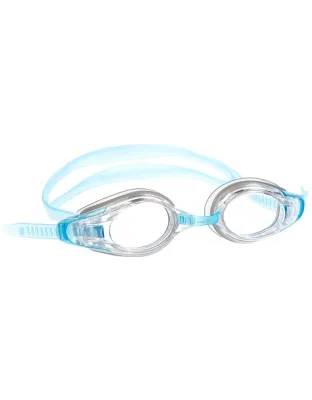
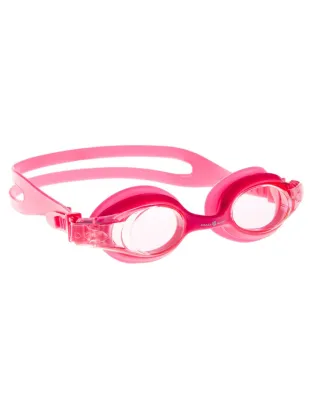
Prices are valid at publication and may change. Please refer to the product page for the latest price.
Lens selection is another critical factor, particularly when swimming in varied lighting conditions. In tropical environments like Singapore, where outdoor pools are exposed to intense, direct sunlight and high UV radiation, lens tint is paramount. Mirrored lenses reflect bright light and reduce glare, making them highly suitable for midday outdoor sessions. Polarized lenses go a step further by filtering out the horizontal glare reflecting off the water’s surface, which is crucial for open-water safety. Conversely, clear or lightly tinted lenses (such as blue or yellow) are best reserved for indoor facilities or early morning and evening sessions where maximizing light transmission is necessary for clear visibility. Always check the manufacturer’s product label to verify the specific UV protection rating and lens category before purchasing.
The interface between the goggle frame and your skin—the gasket—determines how long you can wear the goggles comfortably. Hard-seal goggles, sometimes called Swedish style, have minimal or no gasket material, relying on a precise fit against the bone structure of the eye socket. They offer maximum stability during high-speed starts but can cause discomfort over extended periods. Soft silicone gaskets, on the other hand, distribute pressure more evenly across the delicate skin surrounding the eyes, preventing fatigue and deep red marks during long workouts. When choosing your goggles, verify the gasket material specifications on the packaging to ensure they use high-grade, hypoallergenic liquid silicone or thermoplastic rubber for a reliable, comfortable seal.
Optimizing Performance: Mad Wave Goggles for Competitive Racing
Competitive racing demands equipment that can withstand extreme forces while offering minimal resistance to water flow. During dive starts and high-speed flip turns, water exerts significant pressure on a swimmer’s face. If a goggle frame is too bulky, this pressure can catch the edges, causing the goggles to shift, leak, or fill with water instantly.

To prevent this, competitive swimmers prioritize low-profile, rigid-frame goggles. These designs sit deep within the eye socket, aligning closely with the natural contours of the face to allow water to stream smoothly over the head. Because performance is the primary goal, racing goggles often trade off the plush, cushioned comfort of fitness models for a highly secure, rigid fit. The hard seal or micro-gasket construction ensures that the frame does not compress or deform under the sudden impact of diving off the blocks.
Mad Wave’s competition-oriented lines are specifically engineered to meet these demands. When evaluating these low-profile models, look for features such as low-drag nose bridges and streamlined side arms that position the strap attachment points further back on the head to enhance hydrodynamics. A secure strap mechanism is equally vital. Competitive models typically utilize a dual-strap or split-strap design made of high-tensile silicone. This allows you to position one strap higher on the crown of your head and the other lower, anchoring the goggles firmly against your swim cap.
For outdoor competitions, mirrored lenses are highly recommended to prevent temporary blindness from the sun when swimming backstroke or breathing to the side. Before race day, it is essential to perform a physical fit test. Press the goggles firmly against your eye sockets without using the strap; a properly fitting rigid frame should create a brief, natural suction on your skin, indicating that the shape matches your facial bone structure. If the goggles fall off immediately, the frame shape or the nose bridge width may need adjustment to prevent leaking during your race.
Balancing Comfort and Durability: Mad Wave Goggles for Fitness and Lap Training
For fitness enthusiasts and lap swimmers who spend hours in the pool each week, comfort and durability are the primary considerations. Unlike a brief competitive race, a daily training session involves repetitive, sustained movement over forty-five minutes to an hour or more. Under these conditions, rigid racing goggles can cause eye socket fatigue, headaches, and skin irritation.
To avoid these issues, look for mid-profile or comfort-fit goggles equipped with soft, flexible silicone gaskets. These gaskets cushion the delicate skin around your eyes, distributing the pressure of the strap evenly. High-quality liquid silicone gaskets adapt dynamically to your facial movements, maintaining a watertight seal even as your facial muscles relax or tense during long sets.
Customization is key to achieving a leak-free fit during extended workouts. Look for Mad Wave training models that feature adjustable or interchangeable nose bridges. Facial structures vary widely, and a nose bridge that is too wide or too narrow will cause the gaskets to sit unevenly, leading to persistent leaks. Models with multiple nose bridge sizes allow you to tailor the distance between the lenses to your exact facial dimensions.
Daily exposure to chlorinated pool water is highly corrosive to swim gear. Over time, chlorine can degrade low-grade plastics and silicone, causing them to become brittle, yellow, or lose their elasticity. When selecting training goggles, verify the quality of the silicone straps and gaskets on the product specifications. Additionally, pay close attention to lens coatings. A reliable anti-fog treatment is essential to prevent your vision from clouding over mid-workout, while UV protection is a must for those swimming in outdoor pools under the sun. Check the product label to ensure these protective coatings are built into the lenses.
Maximizing Vision and Comfort: Mad Wave Goggles for Leisure and Open Water
Recreational swimming and open-water adventures present unique environmental challenges that differ significantly from the controlled conditions of a standard swimming lane. Whether you are swimming casually in a backyard pool, snorkeling along a coastline, or participating in an open-water swim event, your goggles must prioritize panoramic vision, environmental protection, and sustained comfort.
For casual, recreational pool swimming, high-profile or panoramic lenses are highly beneficial. These designs feature curved lenses that wrap around the sides of the frame, offering an expanded field of vision. This allows you to stay aware of your surroundings, avoid other swimmers, and enjoy a more relaxed, natural view of the water. The frames are typically larger and feature wide, plush silicone seals that sit further away from the eye sockets, reducing pressure and providing a comfortable fit for casual splashing or light exercise.
Open-water swimming, however, requires specialized features to handle unpredictable natural elements. One of the greatest challenges in open water is solar glare. Sunlight reflecting off moving waves can be blinding, making it difficult to sight navigation buoys, spot hazards, or maintain a straight course. For these conditions, polarized lenses are highly recommended, as they contain a special filter that blocks intense reflected light. Heavily tinted or mirrored lenses also help manage bright daylight.
When selecting open-water goggles, look for models within Mad Wave’s leisure or open-water categories that feature robust, wide-view frames. Safety is the absolute priority when swimming in open natural bodies of water. Always verify that your chosen goggles provide adequate visibility and UV protection. Furthermore, equipment cannot replace proper safety training or situational judgment; open-water swimmers should always pair their goggles with a highly visible safety buoy, monitor local weather and current conditions before entering, and swim with a partner or under professional supervision. If water conditions deteriorate or visibility drops, exit the water immediately. Keep in mind that high-profile recreational goggles create more drag than racing models, making them less suitable for high-speed sprint training, but their comfort and safety benefits make them indispensable for open-water environments.
Frequently Asked Questions (FAQ)
How do I prevent my Mad Wave goggles from fogging up?
The anti-fog coatings applied to the inside of swim goggles are highly delicate and can be easily damaged or wiped away. To preserve this coating, never rub, wipe, or touch the inside of the lenses with your fingers, towels, or cloths. After every swim session, rinse your goggles thoroughly with cool, fresh tap water to remove residual chlorine, salt, or organic debris, and allow them to air dry completely in a shaded area. Before applying any aftermarket anti-fog sprays or solutions, always check the manufacturer’s care instructions on the packaging to ensure compatibility with your specific lens material.
Can I use Mad Wave racing goggles for everyday fitness swimming?
While you can technically use racing goggles for daily fitness swimming, it is generally not recommended for extended sessions. Racing goggles utilize low-profile designs and hard seals or minimal gaskets to prioritize hydrodynamics and stability during high-speed starts. Over a long workout, this rigid construction puts intense, localized pressure on the bone structure of your eye sockets, which can lead to discomfort, headaches, and deep skin creases. For regular lap swimming, it is highly beneficial to reserve your racing goggles for competitive meets or short, high-intensity sprint sets, and use softer, cushioned training goggles for your daily workouts.
How should I clean and store my Mad Wave swim goggles to extend their lifespan?
To maintain the structural integrity of your goggles, rinse them with clean, fresh water immediately after exiting chlorinated pools or saltwater environments. Once rinsed, let them air dry completely before storing them. Always store your goggles in a hard protective case to prevent the soft silicone gaskets from being crushed, warped, or scratched by other gear inside your swim bag. Finally, protect your goggles from extreme heat and direct sunlight; leaving them on hot car dashboards, sunny balconies, or exposed pool decks will rapidly degrade the silicone straps and break down the protective lens coatings.
Community discussion
Share your experience or ask a question. Comments are reviewed before publication.