
Climbing demands focus, precision, and reliable gear. When you are high on a wall or working a difficult boulder problem, the last thing you want to worry about is losing your grip or spilling your chalk. The magnetic chalk bag has emerged as a highly functional alternative to traditional drawstring designs, offering quick access and automatic closure. Finding the right brand depends heavily on your primary climbing discipline, as bouldering and sport climbing present vastly different demands on your equipment.
Before diving into gear specifications, it is vital to remember that climbing is an inherently high-risk sport. No piece of equipment, including a premium chalk bag, can replace proper training, safety checks, and sound personal judgment. Always inspect your harness, ropes, and protection before leaving the ground, and ensure you are climbing within your physical and technical limits. A chalk bag is designed solely to manage moisture on your hands; it plays no role in fall arrest or structural safety.
In Singapore’s warm and highly humid tropical climate, managing sweat is a constant battle for climbers. Whether you are training in air-conditioned indoor bouldering gyms or tackling the natural granite routes at Dairy Farm Quarry, a reliable chalk bag is essential. The magnetic closure system is particularly useful here, as it allows for rapid, one-handed sealing to protect your chalk from absorbing ambient moisture or spilling onto the mats during a fall.
Products mentioned in this guide
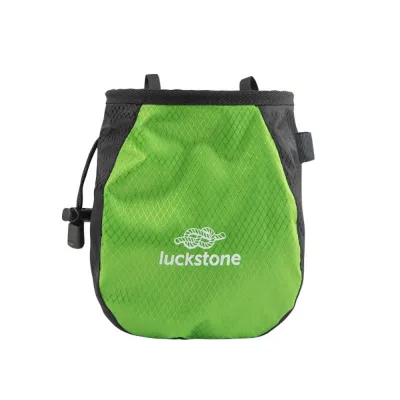
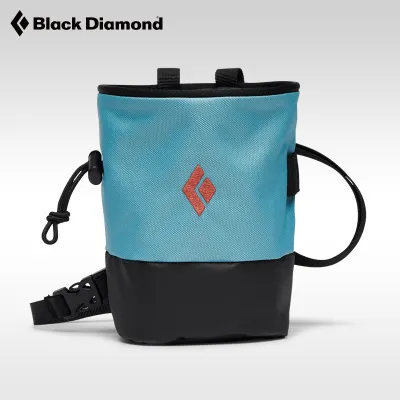
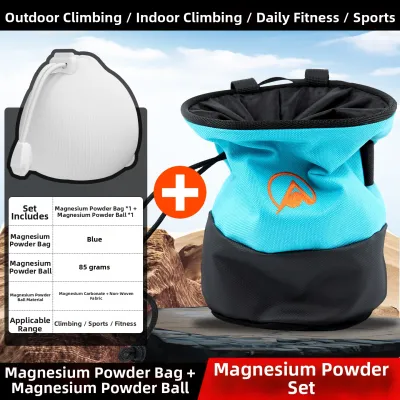
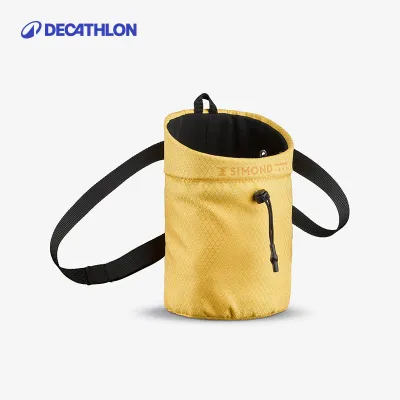
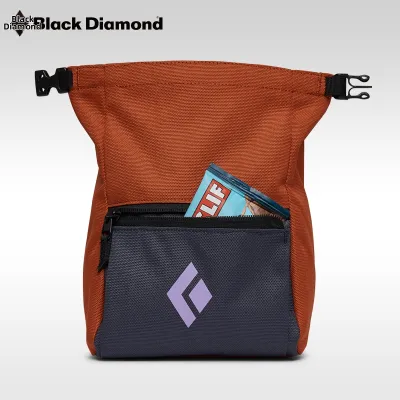
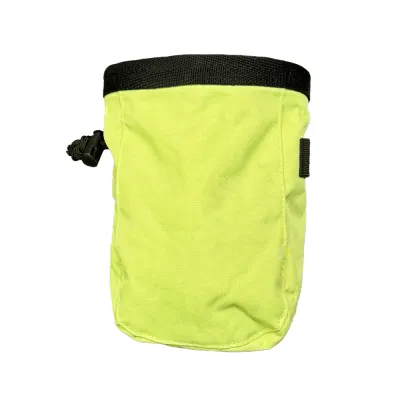
Prices are valid at publication and may change. Please refer to the product page for the latest price.
How to Match Magnetic Chalk Bag Features to Your Climbing Style
To choose the ideal magnetic chalk bag, you must first analyze how and where you climb. Bouldering and sport climbing require different movement patterns, safety protocols, and gear setups, which directly influence how a chalk bag should perform.
Bouldering is characterized by short, intense sequences of movements close to the ground, protected by crash pads. Because you are not wearing a harness, your chalk bag typically sits on the floor or the mats rather than on your waist. For this discipline, a bouldering-specific magnetic chalk bucket is the standard. These bags require a wide, stable opening that allows you to chalk both hands simultaneously. The magnetic closure must be exceptionally strong; if a climber falls or knocks the bag over on the mats, the magnets should instantly snap shut to prevent a massive cloud of chalk from escaping. Additionally, boulderers rely heavily on brushes to clean grease and rubber off holds, making integrated brush loops or pockets a critical feature.
Sport climbing, by contrast, involves scaling longer vertical routes while tied into a rope and harness. Here, your chalk bag must be worn around your waist, hanging behind your back. Weight, aerodynamics, and ease of one-handed access are the primary concerns. A sport climbing magnetic chalk bag must be lightweight and compact to avoid interfering with your harness gear loops or snagging on rock features. The closure mechanism must prevent chalk dust from leaking during dynamic movements, high-angle climbs, or when you are hanging upside down. It must also allow you to slip a single hand inside, grab chalk, and withdraw it without the bag twisting or resisting.
The underlying mechanism of these bags relies on small, powerful magnets sewn into the rim of the opening. When you squeeze the rim or let it snap shut, the magnets align to seal the fabric. The engineering challenge lies in balancing magnet strength with overall weight. Stronger magnets provide a more secure seal but add weight and can make the bag stiffer to open. Hybrid designs address this by combining a lightweight magnetic strip for quick, temporary closure during a climb with a traditional drawstring or roll-top closure for secure transport in your gear bag.
When evaluating options, establish a clear decision framework. Prioritize your primary climbing style first. If you spend eighty percent of your time on boulder problems, a dedicated ground-based magnetic bucket is your best choice. If you prefer sport climbing or multi-pitch routes, look for a harness-compatible, lightweight waist bag. Climbers who split their time equally between both disciplines may need to invest in two distinct bags or select a highly versatile hybrid model.
Notable Magnetic Chalk Bag Brands by Climbing Discipline
Several reputable climbing gear manufacturers have developed innovative magnetic chalk bags to address the specific needs of different climbers. These brands approach the design challenge with distinct philosophies, utilizing varied materials, closure strengths, and structural shapes.

While these brand profiles highlight common design directions, you should always verify specific model specifications, dimensions, and material compositions on the manufacturer’s official website or through authorized local retailers in Singapore before making a purchase. Product lines frequently evolve, and hands-on testing at a local climbing shop can help you confirm that a bag’s opening size matches your hand dimensions.
Design Profiles Suited for Bouldering
Brands that focus heavily on bouldering gear, such as Moon Climbing, Trango, and Organic Climbing, design their magnetic bags to serve as stable, durable ground stations. These manufacturers prioritize ruggedness and high capacity over weight savings.
A defining characteristic of bouldering-focused magnetic bags is a rigid or semi-rigid base. This structural design ensures the bag remains upright when placed on uneven crash pads or gym floors. Moon Climbing and Organic Climbing, for example, often utilize heavy-duty ballistic nylon or upcycled cordura fabrics that resist abrasion from rough rock and dirt. The magnetic closures in these bouldering buckets are typically long, continuous strips that snap shut with significant force. This ensures that even if the bag is kicked or dropped from the top of a boulder, the opening seals instantly to contain the chalk.
Auxiliary features are also a major focus for these brands. You will frequently find multiple dedicated slots for climbing brushes of various sizes, zippered pockets for storing finger tape, sandpaper, and keys, and even elastic loops for securing small towels. The emphasis is on keeping all your bouldering essentials organized in a single, easily transportable package.
Design Profiles Suited for Sport Climbing
For climbers who spend their time on the rope, brands like Black Diamond, Petzl, and Edelrid offer magnetic chalk bags designed specifically for harness compatibility and vertical efficiency. These brands focus on minimizing weight and ensuring smooth, one-handed operation while climbing.
Sport climbing magnetic bags generally feature tapered, cylindrical, or ergonomic shapes that contour to the lower back. This minimizes the profile of the bag, reducing the likelihood of it snagging on quickdraws, bolts, or rock protrusions. Black Diamond and Petzl often employ lightweight, weather-resistant synthetic fabrics that keep the overall weight of the bag to a minimum.
To prevent chalk leakage during dynamic movements on the wall, these brands frequently utilize hybrid closure systems. These systems combine a magnetic rim for quick, mid-route chalking with a secondary drawstring or folding closure that can be tightly sealed when the climb is finished or during transport. The attachment points on these bags are robust, featuring durable webbing loops or integrated belts that keep the bag centered on your waist and prevent it from flipping or twisting when you reach back to chalk up.
Key Specifications to Compare Before Buying
When comparing different magnetic chalk bags, looking past brand marketing and focusing on verifiable physical specifications is essential. Evaluating these key metrics will help you determine which bag fits your hand size, climbing venue, and carrying preferences.
The table below outlines the general design archetypes you will encounter in the market. Use this as a guide to understand how different specifications align with specific climbing needs. Always check the manufacturer’s product label or official documentation for exact dimensions and volume capacities before purchasing.
| Climbing Discipline Focus | Opening Size/Shape | Closure Type | Capacity/Volume | Attachment Method |
|---|---|---|---|---|
| Dedicated Bouldering | Wide, square or oval (dual-hand access) | Heavy-duty magnetic strip or roll-top magnetic | Large (typically 2 to 5 liters) | Grab handles (no waist belt) |
| Dedicated Sport Climbing | Medium, round or tapered (single-hand access) | Lightweight magnetic rim | Small to Medium (0.5 to 1.5 liters) | Removable webbing belt or carabiner loops |
| Hybrid / All-Rounder | Medium-wide, ergonomic oval | Magnetic rim plus secondary drawstring | Medium (1 to 2 liters) | Removable webbing belt and brush loops |
Choosing the right capacity is a balance between your hand size and how frequently you need to chalk. If you have larger hands, a small sport climbing bag may feel restrictive, causing you to struggle to get your hand in and out quickly mid-route. Conversely, an oversized bag adds unnecessary bulk and weight to your harness. For long sport routes, a medium-capacity bag that holds enough chalk for multiple pitches without requiring constant refills is ideal.
You must also evaluate the attachment system. Most sport climbing bags come with a removable webbing belt secured by a plastic buckle. This system allows you to adjust the height and position of the bag on your waist. Alternatively, some climbers prefer to clip the bag directly to their harness haul loop using a small accessory carabiner. If you prefer this method, ensure the bag has robust, reinforced loops that can withstand the friction of a carabiner without fraying.
Maintenance, Cleaning, and Safety Boundaries
A magnetic chalk bag is an investment in your climbing convenience, and proper care is required to maintain its functionality and ensure your safety. Over time, fine chalk dust can interfere with the magnetic closure and degrade the bag’s materials.
Cleaning and Fabric Care
To keep your magnetic chalk bag functioning optimally, you must perform regular maintenance. Fine chalk dust inevitably accumulates around the magnetic seals. If left uncleaned, this dust creates a physical barrier that prevents the magnets from making full contact, significantly weakening the closure’s grip and leading to accidental spills.
Follow these low-risk, reversible steps to clean your bag:
- Empty all loose chalk from the bag into a storage container.
- Turn the bag inside out, if the fabric allows, and gently shake it to remove residual dust.
- Use a clean, dry toothbrush or a soft-bristled brush to gently sweep away caked chalk from the magnetic seams and fabric folds.
- If the fabric or magnetic housing is heavily soiled, wipe the affected areas with a slightly damp microfiber cloth. Avoid soaking the magnets or submerging the entire bag in water, as excessive moisture can cause chalk to form a hard, abrasive paste inside the seams or potentially degrade the internal magnetic housing over time.
- Allow the bag to air dry completely in a well-ventilated, shaded area before refilling it with chalk.
Inspection and Wear Checks
Regularly inspect your chalk bag for signs of wear and tear. Pay close attention to the stitching around the magnetic housing; if the fabric frays or tears, a magnet could slip out, rendering the closure useless. Check the waist belt attachment loops and plastic buckles for cracks or fraying. If you notice any structural damage to the attachment points, repair them or replace the bag to prevent it from falling off mid-climb.
Safety Boundaries and Magnetic Interference
Because these bags utilize strong permanent magnets to achieve a secure seal, you must observe important safety precautions. Strong magnetic fields can interfere with medical devices and sensitive electronics.
- Medical Devices: Keep magnetic chalk bags away from pacemakers, implantable cardioverter-defibrillators (ICDs), insulin pumps, and other active medical implants. The magnetic field can disrupt the normal operation of these life-saving devices. If you or your climbing partners use any of these devices, consult a medical professional or the device manufacturer before handling a magnetic chalk bag.
- Electronics and Cards: Avoid storing your smartphone, smartwatches, mechanical watches, credit cards, or hotel keycards in close proximity to the magnetic closure. The magnets can demagnetize magnetic strips on cards or temporarily disrupt electronic sensors and screens. Use the bag's zippered pockets only if they are physically isolated from the magnetic rim, or store your electronics in a separate compartment in your climbing pack.
Frequently Asked Questions (FAQ)
Can I use a bouldering magnetic chalk bag for sport climbing?
While you can physically attach a bouldering magnetic bag to your waist using a strap, it is generally not recommended for sport climbing. Bouldering-specific bags are significantly bulkier, heavier, and lack the streamlined shape needed to sit comfortably against your harness. Their wide openings are also more prone to leaking chalk when you are moving dynamically or climbing at steep angles on a rope. For sport climbing, it is highly recommended to use a dedicated, lightweight waist bag designed to minimize bulk and prevent dust leakage.
Do magnetic chalk bags prevent chalk spills better than drawstring bags?
Magnetic chalk bags excel at preventing sudden, catastrophic spills on the ground. If a bouldering bucket is knocked over on a gym mat, the magnetic rim snaps shut instantly, containing the vast majority of the chalk. Traditional drawstring bags often remain partially open unless manually pulled tight. However, for sport climbing, a traditional drawstring bag or a hybrid bag (combining magnets with a drawstring) often provides a tighter, more dust-proof seal during transport inside a stuffed backpack, where continuous pressure can force magnetic seams open.
How do I safely clean chalk buildup around the magnets?
To clean chalk buildup safely, use a clean, dry toothbrush or a soft-bristled brush to gently sweep the fine dust out of the magnetic seams. Avoid using wet wipes, soap, or submerging the bag in water, as moisture can cause the chalk to clump into a hard paste that is much harder to remove and can accelerate wear on the fabric. If a deeper clean is necessary, use a slightly damp cloth to wipe the surface, then ensure the bag is completely dry before refilling.
Community discussion
Share your experience or ask a question. Comments are reviewed before publication.