
To relieve foot pain effectively, the best recovery tool is not a single universal product, but rather one chosen specifically for your foot structure, pain type, and recovery needs. In Singapore, where concrete pavements, long commutes on public transit, and active running lifestyles place high physical demands on our feet, finding the correct massage ball for foot recovery can make the difference between lingering discomfort and active mobility. The ideal choice depends on balancing material density, size, and surface texture to match your specific symptoms, whether you are dealing with acute heel stiffness or general arch fatigue.
Selecting an inappropriate tool can sometimes aggravate existing injuries rather than relieve them. For instance, using an overly hard ball on an acutely inflamed plantar fascia can worsen micro-tears, while a ball that is too soft will fail to reach deeper muscle layers. By understanding the physical characteristics of different recovery tools, you can make an informed decision that supports your long-term foot health and keeps you moving comfortably.
Understanding Foot Pain and the Role of Massage Balls
The human foot is a complex biomechanical structure containing 26 bones, 33 joints, and a dense network of muscles, tendons, and ligaments. At the center of many foot pain complaints is the plantar fascia, a thick band of connective tissue that runs along the bottom of the foot, connecting the heel bone to the toes. This tissue acts as a natural shock absorber, supporting the medial arch during walking, running, and standing. When subjected to repetitive stress, the plantar fascia can develop micro-tears, leading to irritation, localized inflammation, and the characteristic sharp, stabbing pain often felt during the first steps in the morning.
Products mentioned in this guide
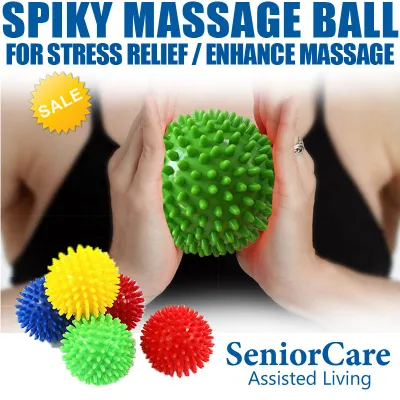
![[Ready Stock] TPE Heavy and Hard Massage Ball / Yoga Ball /Acupressure massage ball / Foot Body Relieve Muscle Fatigue](https://img.lazcdn.com/g/p/b0f628be0d070162f1de88eb59d07cad.png_400x400q80.png_.webp)
Prices are valid at publication and may change. Please refer to the product page for the latest price.
Repetitive impact on hard urban surfaces is a major contributor to foot strain. In Singapore, runners frequently log miles on asphalt park connectors, while retail, hospitality, and healthcare workers spend long shifts standing on hard tiled floors. Furthermore, the tropical climate often encourages the use of thin, unsupportive footwear like sandals or flip-flops, which forces the muscles of the foot to work harder to maintain stability. Over time, this constant strain leads to chronic tightness in the arch and heel, reducing overall foot flexibility and increasing the risk of injury.
It is crucial to differentiate between different types of foot discomfort before beginning any self-treatment. Muscle fatigue typically presents as a dull, aching sensation across the entire sole after a long day of activity. Fascial tightness often manifests as stiffness, particularly in the arch or heel, which improves slightly as the foot warms up with movement. In contrast, joint pain is usually localized to a specific articulation, feeling sharp or grinding during movement, which may indicate an issue that a massage ball cannot resolve. Identifying these differences helps ensure you use the correct recovery protocol.
Using a targeted massage ball for foot recovery facilitates myofascial release, a manual therapy technique that applies sustained pressure to the connective tissue. Unlike bulky foam rollers, which are too large to contour to the narrow arch of the foot, a small massage ball concentrates your body weight onto a tiny surface area. This focused pressure helps break up localized tissue adhesions, increases localized blood flow, and delivers oxygen and nutrients to fatigued muscles, accelerating the natural recovery process.
Key Selection Criteria for a Massage Ball for Foot
Material and Density: Rubber, Silicone, and Thermal
The density of a massage ball determines how deeply the pressure penetrates into your foot muscles. High-density rubber, such as vulcanized or solid natural rubber, offers an unyielding surface that does not compress under body weight. This is highly effective for deep tissue work, allowing you to reach deep-seated muscle knots, though it can feel intensely painful if your feet are already inflamed. It requires careful pressure control to avoid over-irritating the target area.

Silicone represents a more moderate, forgiving material option. It provides a slight give under pressure, making it an excellent choice for beginners, individuals with sensitive feet, or those recovering from recent, acute soreness. Silicone also offers a high-grip surface that prevents the ball from slipping away on slick tiled floors, which are common in many Singaporean homes. This material is also exceptionally easy to clean with mild soap and water, ensuring good hygiene.
Thermal materials, which typically feature a solid core or a gel-filled interior, are engineered to retain heat or cold. These specialized balls allow you to combine myofascial release with temperature therapy, helping to constrict blood vessels to reduce swelling (cold therapy) or dilate them to promote relaxation and blood flow (heat therapy). Cold therapy is particularly beneficial after a long run or a demanding day on your feet to calm acute inflammation.
When purchasing any recovery tool, always check the manufacturer’s specifications regarding material safety, density ratings, and weight limits. Avoid relying on generic marketing claims of “maximum durability” and instead verify that the material is hypoallergenic, easy to wash, and rated for your intended use, particularly if you plan to apply full standing body weight. Checking these details ensures the tool remains safe and effective over hundreds of recovery sessions.
Size and Shape: Standard Spheres vs. Double Balls
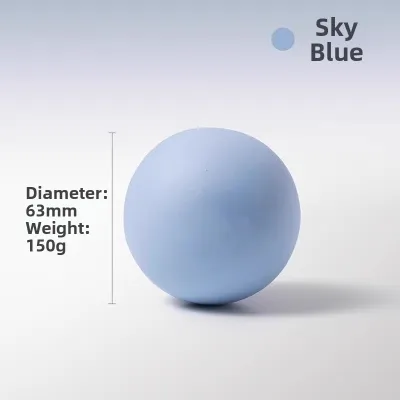
The physical dimensions of a massage ball dictate which areas of the foot it can target effectively. Standard spheres, which typically measure between 6 and 7 centimeters in diameter (similar to a lacrosse ball), are highly versatile. This size is ideal for general rolling across the main arch, rolling the outer edges of the foot, and covering the heel area where the plantar fascia inserts. It provides a stable base that is easy to control underfoot.
Smaller diameters, ranging from 4 to 5 centimeters, are designed for highly localized, precise trigger point therapy. These compact spheres can easily navigate the tight spaces between the metatarsal bones at the front of the foot, allowing you to address specific, deep-seated knots that larger balls simply roll over. However, they require more balance and control to keep in place during a session.
Double or “peanut” shapes feature two spheres joined by a central bridge. This design is highly effective for cradling the contours of the heel and arch, distributing pressure evenly along the medial and lateral sides of the foot. By avoiding direct, concentrated pressure on the central spine of the foot or sensitive bony prominences, peanut balls offer a more stable and comfortable rolling experience for those with acute heel pain.
Surface Texture: Smooth vs. Spiked for Trigger Points
The texture of a massage ball alters how your nervous system and muscle tissues respond to the pressure. Smooth surfaces provide a consistent, broad contact area, making them ideal for long, sweeping strokes along the entire length of the plantar fascia. This uniform pressure is excellent for general warming up, general relaxation, and introducing sensitive tissues to myofascial release without causing sudden spikes of discomfort.
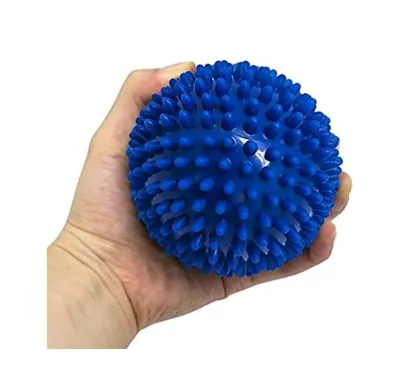
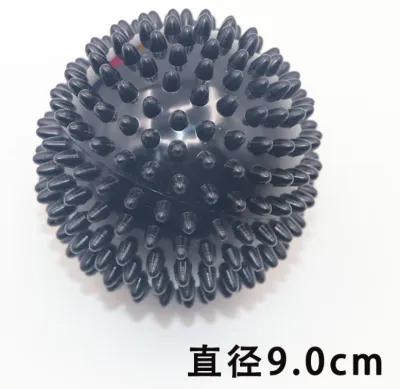
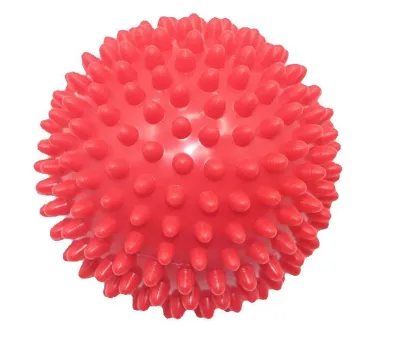
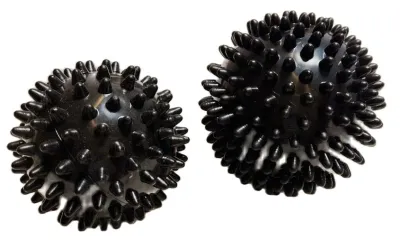
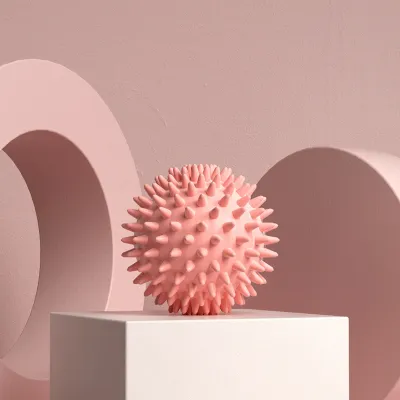
Spiked, nodular, or textured surfaces are designed to dig into specific, stubborn trigger points. The raised nodules stimulate localized nerve endings, which can help desensitize chronic pain pathways and increase sensory feedback. This texture is particularly useful for waking up the muscles of the feet before athletic activity or addressing deep, localized knots. The sensory stimulation can also provide a pleasant, invigorating sensation to tired soles.
However, users must exercise caution with highly aggressive spikes. Applying heavy pressure with a hard, spiked ball on inflamed, bruised, or highly sensitive tissue can cause micro-trauma and worsen inflammation. If you are experiencing acute pain, stick to smooth or gently textured surfaces until the initial inflammation subsides. Always prioritize comfort and tissue safety over intense sensations.
Recommended Types of Massage Balls for Foot Recovery
Firm Rubber Balls for Deep Plantar Fascia Release
- Ideal for: Individuals experiencing chronic plantar fasciitis, runners with thick, dense foot tissue, and athletes who require deep, sustained pressure to release stubborn muscle knots.
- What to look for: Seek out high-density, vulcanized natural rubber balls with a non-slip, matte finish to ensure the ball remains stable underfoot. A diameter of approximately 6 to 6.5 centimeters is recommended to provide a balanced surface area that supports the foot arch without slipping.
- Limitations: These balls can be exceptionally painful for beginners or anyone dealing with acute, highly inflamed tissues. They require a gradual adaptation period and strict control of your body weight to avoid bruising.
Spiked Texture Balls for Targeted Surface Relief
- Ideal for: Waking up the sensory receptors in the soles of the feet before a workout, addressing superficial muscle tension, and stimulating blood circulation in tired feet.
- What to look for: Look for balls made from firm yet slightly flexible plastics or rubbers, where the spikes have a small amount of give. An ergonomic design or a texture that does not flatten under moderate pressure is essential for effective sensory stimulation.
- Limitations: Spiked balls are not designed for deep, structural fascia stretching. Using them with excessive force or on bare skin for prolonged periods can lead to skin irritation, friction burns, or localized bruising.
Thermal and Cold Therapy Balls for Inflammation
- Ideal for: Managing acute foot pain, reducing post-run swelling, and calming inflammatory flare-ups where temperature modulation can accelerate recovery.
- What to look for: Choose gel-filled or solid steel/ceramic core designs that are rated to hold their temperature for at least 15 to 20 minutes. Ensure the outer shell is highly durable, leak-proof, and designed to withstand extreme temperature shifts without cracking.
- Limitations: The therapeutic effects of temperature are temporary and do not replace the need for physical stretching or structural recovery. Users must strictly follow the manufacturer's safety instructions regarding skin contact times to prevent frostbite or thermal burns.
Double or Peanut Balls for Arch and Heel Contours
- Ideal for: Simultaneously targeting both the inner and outer arches of the foot while avoiding direct, painful pressure on the sensitive central fascia or the heel bone.
- What to look for: Look for a fixed, stable distance between the two spheres that matches your foot width comfortably. A seamless, high-density construction is preferred to prevent the ball from bending or splitting under pressure.
- Limitations: These dual-sphere designs are less versatile for isolating single-point trigger zones. Additionally, their fixed width means they may not perfectly align with the anatomy of individuals with exceptionally narrow or wide feet.
Step-by-Step Guide to Rolling Your Feet Safely
Before using a massage ball for foot recovery, always check the product’s label and your footwear or orthotic manufacturer’s instructions to ensure self-massage is appropriate for your specific condition. If you have an undiagnosed foot injury, or if instructions from your healthcare provider conflict with general rolling techniques, stop immediately and consult a professional. Taking this initial step protects you from inadvertently worsening a more serious injury.
Preparation Begin by lightly warming up your feet to prepare the tissues for pressure. Walking around slowly for a few minutes or soaking your feet in warm water can increase tissue elasticity, making the myofascial release safer and more comfortable. Never apply deep, aggressive pressure to cold, stiff muscles, as this increases the risk of tissue irritation.
Positioning Always start your rolling session in a seated position on a stable chair. This allows you to use your hands to support your posture and carefully control the amount of weight you press down onto the ball. Only progress to a standing position if you are completely pain-free while seated and require more body weight to reach deeper tissues. Standing prematurely can lead to loss of balance or excessive pressure.
Technique Place the massage ball under the sole of your foot and roll it slowly from the base of your toes down to the heel. Focus on slow, deliberate movements, taking about 10 to 15 seconds to travel the length of your foot. When you encounter a tender spot or a localized knot, do not roll rapidly back and forth, as this can irritate the fascia; instead, pause on the spot, apply gentle, static pressure, and breathe deeply for 20 to 30 seconds to allow the muscle to release.
Duration Keep your rolling sessions short and focused. Spending 1 to 2 minutes per foot is highly sufficient to stimulate blood flow and release tension. Over-rolling can over-irritate the nerves and fascia, leading to increased soreness the following day. It is far better to perform short, gentle sessions consistently than one long, aggressive session.
Post-care After completing your rolling session, follow up with gentle, static stretches. Gently stretch your calves, Achilles tendons, and toes to maintain the length and flexibility gained during the massage. Drinking water afterward can also help support tissue recovery. If you experience any mild soreness, allow the tissues to rest before your next session.
Safety Limits and When to Seek Professional Care
While using a massage ball for foot recovery is generally safe, you must listen to your body and recognize when self-care is no longer appropriate. Immediately cease rolling if you experience sharp, shooting pain, numbness, tingling, or if you notice visible swelling, redness, or bruising on your feet. These symptoms can indicate nerve compression, acute tearing, or other structural injuries that pressure will only worsen.
There are several strict contraindications to using a foot massage ball. Avoid rolling directly over suspected stress fractures, open wounds, severe bunions, acute ligament sprains, or areas with compromised blood circulation (such as in cases of severe diabetic neuropathy). Applying high-pressure massage to these conditions can lead to severe tissue damage or delay healing. When in doubt, always err on the side of caution.
If your foot pain persists for more than two weeks despite consistent, gentle self-care, or if the pain is severe enough to alter your normal walking gait, stop self-treatment. Altering your gait can introduce secondary injuries to your ankles, knees, or lower back. In these cases, consult a qualified physiotherapist or podiatrist in Singapore to receive a personalized clinical diagnosis and treatment plan.
Frequently Asked Questions (FAQ)
Can I use a standard tennis or golf ball instead of a dedicated massage ball?
While using household items is a common practice, they have significant limitations compared to dedicated recovery tools. A standard tennis ball is generally too soft and large to provide the deep, targeted pressure required to release a tight plantar fascia, though it can serve as a gentle, low-pressure option for beginners. Conversely, a golf ball is extremely hard and small; while it can target precise points, its lack of surface grip and unyielding surface significantly increase the risk of slipping underfoot, bruising the tissue, or aggravating acute inflammation. Investing in a dedicated massage ball for foot recovery ensures you have the correct density, grip, and safety profile for effective therapy.
How often and how long should I roll my feet for plantar fasciitis?
For managing plantar fasciitis, short and consistent rolling sessions are far more effective and safer than long, aggressive, or infrequent sessions. A general guideline is to roll each foot for 1 to 2 minutes once or twice daily, such as in the morning to relieve waking stiffness, or after a long run or workday. Always listen to your body’s pain signals and adjust the frequency or pressure based on your daily comfort levels. Remember that a massage ball is a supplementary recovery tool designed to manage symptoms; it is not a standalone cure, and chronic conditions should always be evaluated by a healthcare professional.
Community discussion
Share your experience or ask a question. Comments are reviewed before publication.