
Finding a reliable grip on the club is one of the biggest challenges when playing golf in tropical heat. When hands sweat heavily, standard gloves can quickly become slippery, lose their shape, or deteriorate from salt and moisture. The ideal glove for these conditions is not a single universal model, but rather one that successfully balances breathability, moisture-wicking capabilities, and wet-weather tackiness for your specific swing. Evaluating materials, structural designs, and care routines allows you to build a shortlist of men’s golf gloves that perform consistently in hot and humid climates.
How Tropical Humidity Affects Glove Performance
High relative humidity and elevated temperatures create a demanding environment for golf gear, particularly the glove. When you swing a club, the friction and pressure concentrate heat in your palm and fingers, triggering rapid perspiration. As moisture accumulates inside the glove, natural fibers and untreated materials absorb the liquid, causing the fibers to swell and stretch. This stretching alters the glove’s fit, leading to micro-slippage between your skin and the inner lining, which ultimately compromises your control over the club face.
Beyond immediate slippage, the chemical composition of sweat poses a long-term threat to glove durability. Perspiration contains sodium chloride and other minerals. As the water evaporates after your round, these salt crystals remain embedded within the material fibers. Over time, the salt dries out natural leather, stripping away its natural oils and causing the material to become stiff, brittle, and prone to cracking. This crystallization also targets the stitching, weakening the threads along high-stress seams like the thumb and palm pad, which can lead to sudden tears during a swing.
Products mentioned in this guide
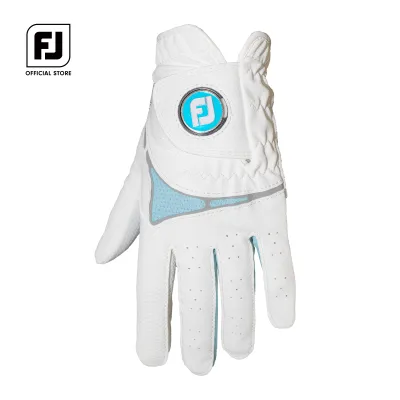
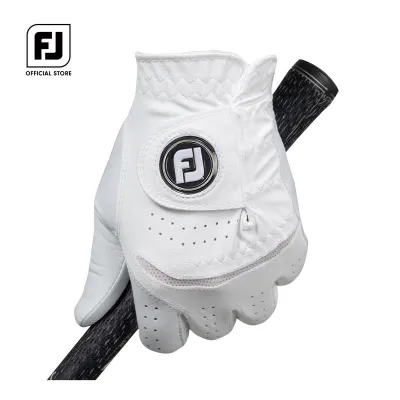
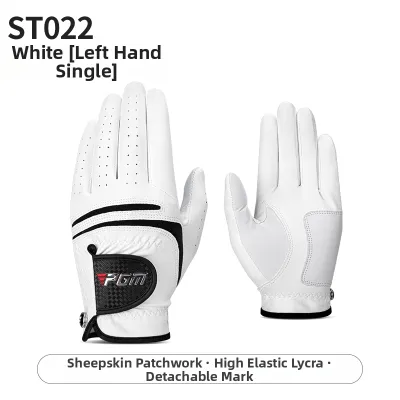
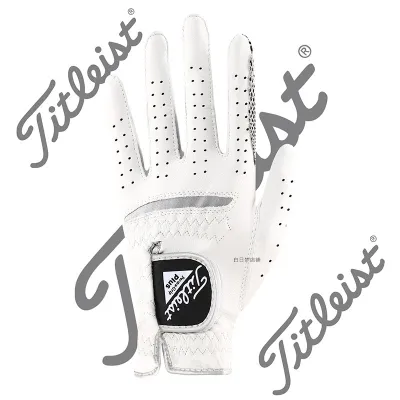
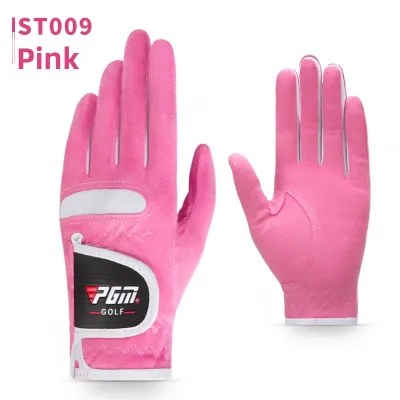
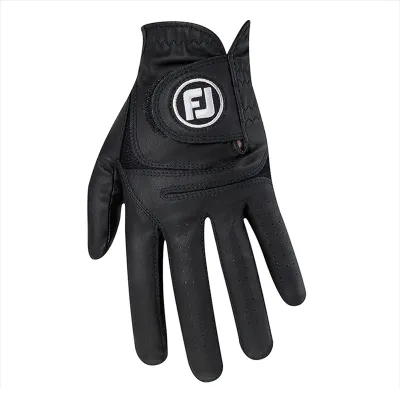
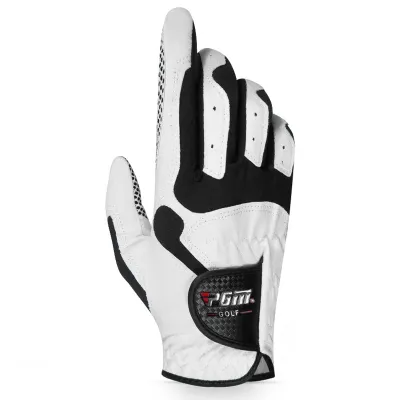
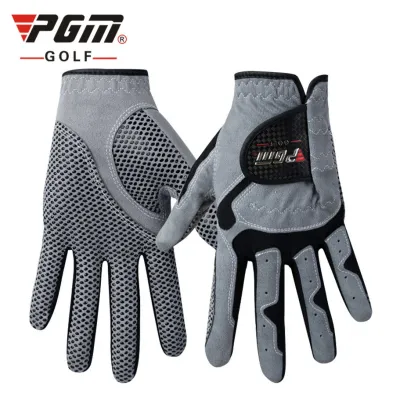
Prices are valid at publication and may change. Please refer to the product page for the latest price.
Golfers must also navigate a fundamental design trade-off when selecting gear for humid conditions. Traditional gloves designed for maximum dry tackiness often utilize solid, thick leather panels that seal out air. While this provides an exceptionally secure grip in dry, cool conditions, it traps heat and sweat in tropical climates, quickly turning the glove into a slick, heavy barrier. Conversely, highly breathable gloves featuring extensive mesh or lightweight synthetics allow excellent airflow but may offer less structural resistance and a different tactile feedback. Balancing these two performance characteristics is essential for maintaining a consistent swing.
Material and Design Features for Tropical Climates
To combat the constant presence of moisture, modern golf gloves incorporate specific structural elements designed to manage sweat and maintain a stable fit. A key feature to look for is a moisture-wicking lining, often positioned along the wristband or the back of the hand. These specialized fabrics pull sweat away from the skin and transport it to the outer surface of the glove, where the ambient air can evaporate it more rapidly. This continuous transfer helps keep your palm dry and prevents the heavy, waterlogged sensation that leads to grip slippage.

Another critical design element is the adjustable closure system. In hot weather, blood flow increases to your extremities, causing your hands to swell slightly during a round. A high-quality hook-and-loop closure allows you to adjust the tension of the glove dynamically as you play. This flexibility ensures that the glove remains snug without restricting circulation or causing discomfort. When evaluating a glove, check that the closure tab is securely anchored and positioned to pull the material evenly across the palm, eliminating any loose pockets of fabric.
Synthetic Blends vs. Cabretta Leather
Choosing between synthetic materials and premium Cabretta leather is one of the most significant decisions when selecting a golf glove for humid conditions. Synthetic gloves, often constructed from polyurethane, nylon, or microfiber blends, excel at handling heavy moisture. These materials are engineered to resist stretching when wet, meaning they maintain their structural integrity and snug fit even during the sweatiest rounds. Additionally, synthetics are highly durable and can withstand frequent hand washing to remove salt buildup without stiffening or cracking, making them a practical, long-lasting choice for regular practice sessions.
Cabretta leather, sourced from sheep that grow hair rather than wool, is highly regarded for its soft feel, exceptional flexibility, and natural grip. However, standard Cabretta leather is highly susceptible to water damage and stretching. To make leather viable for tropical climates, manufacturers often apply specialized water-resistant or quick-dry chemical treatments during the tanning process. These treatments help the leather repel external moisture and resist the damaging effects of sweat. When shopping, look for product descriptions that explicitly mention weather-resistant, tanned-in tackiness, or moisture-repellent leather properties.
Ultimately, the choice depends on your playing frequency and personal preference. Many golfers opt for a hybrid approach, utilizing synthetic gloves for high-humidity practice sessions at the driving range where sweat volume is high and continuous. They then save their treated Cabretta leather gloves for competitive rounds where maximum tactile feedback and feel are prioritized. Regardless of your choice, verifying the material composition on the packaging is essential to ensure the glove matches your performance expectations.
Mesh Panels and Perforation Patterns
Ventilation is a primary defense against heat buildup, and manufacturers achieve this through strategic mesh panels and perforation patterns. Mesh inserts are typically placed in non-contact, high-flex zones such as the knuckles, the back of the hand, and the gussets between the fingers. This placement allows cool air to enter the glove and hot air to escape with every hand movement, significantly reducing the rate of perspiration. Because these mesh zones do not directly contact the club grip, they provide cooling benefits without reducing traction.
Perforations, or tiny pinholes punched directly into the leather or synthetic panels, offer additional breathability across the fingers and palm. While these micro-perforations are excellent for airflow, they can compromise the structural strength of the material if they are too dense or poorly positioned. High-stress areas, such as the thumb pad and the base of the palm, should have minimal perforations to prevent the material from tearing under the torque of a high-speed swing. A well-designed glove balances these ventilation holes to ensure both cooling and durability.
When inspecting a glove’s ventilation features, pay close attention to the seam reinforcement and binding around the edges of the mesh panels. The transition zones where elastic mesh meets solid leather or synthetic material are common failure points. Look for double-stitching or reinforced binding tape along these seams. This construction prevents the mesh from pulling away from the main body of the glove when you stretch your hand or pull the glove on tightly, ensuring the accessory survives multiple rounds in demanding conditions.
Evaluating Grip Retention and Fit When Sweating
Maintaining a secure hold on the club when your hands are wet requires specific grip-enhancing features. Many synthetic and hybrid gloves feature textured palm patterns, suede-like microfiber finishes, or silicone grip overlays. These textures increase the coefficient of friction between the glove and the club grip, even when a layer of moisture is present. Suede-like materials actually become slightly tackier when damp, making them highly effective for players who sweat profusely. When selecting a glove, run your fingers over the palm to verify the presence of these textured surfaces.
Achieving a “second skin” fit is critical when dealing with high humidity. A glove that fits perfectly in an air-conditioned store will often feel loose once you step onto a humid course and begin to sweat. To counteract the natural stretching that occurs when materials absorb moisture, you should select a glove that feels slightly tight initially. The fingers should be snug without restricting movement, and there should be no excess material at the fingertips. When you close your hand into a fist, the material across the back of your hand should stretch tautly without binding.
Proper finger length and knuckle alignment are also essential for preventing friction-induced injuries. In humid conditions, wet skin is much more susceptible to blistering. If a glove’s fingers are too long, the excess material will bunch up in the creases of your hand as you grip the club, creating friction points that quickly turn into painful blisters. Ensure that the knuckles of the glove align precisely with your hand’s natural joints, and that the palm lies flat against your skin without bubbling. Taking the time to verify these fit parameters prevents discomfort and preserves your swing mechanics.
Maintenance and Drying Practices for Humid Environments
Proper post-round maintenance is essential for extending the lifespan of your golf gloves in a damp, tropical climate. The care routine begins the moment you finish your round. Never pull the glove off by tugging on the fingers, as this stretches the material out of shape and weakens the seams. Instead, gently peel the glove back from the wrist, working it off your hand inside-out if necessary, and then carefully push the fingers back through to restore its original shape. Smooth out any wrinkles in the palm and fingers before storing it.
How you dry your glove determines whether it remains soft and usable or becomes stiff and brittle. Always air-dry your glove in a cool, well-ventilated indoor space. You must strictly avoid exposing the glove to direct sunlight, car trunks, or artificial heat sources like hair dryers or radiators. High heat bakes the moisture out too quickly, causing natural oils in leather to evaporate and synthetic fibers to degrade, leaving the glove cracked and unusable. Hanging the glove from your golf bag using a dedicated glove hanger or towel clip is an excellent way to ensure even airflow.
Cleaning your gloves regularly helps remove the salt and dirt that accelerate material breakdown. For synthetic gloves, you can hand wash them in cool water with a mild liquid soap, gently rubbing the soiled areas before rinsing thoroughly and laying them flat to dry. Leather gloves require a more delicate touch; avoid submerging them in water. Instead, use a damp cloth to wipe away surface dirt and sweat residue immediately after play. Always consult and strictly follow the manufacturer’s care labels, as specific material blends may have unique cleaning restrictions.
Building Your Shortlist: In-Store and Online Checks
When building your shortlist of golf gloves, practical purchasing strategies can significantly improve your on-course experience. For players who sweat heavily, relying on a single glove for an entire round is rarely effective. Instead, consider purchasing multi-packs so you can rotate through two or three fresh gloves during a single 18-hole round. Swapping your glove every four to six holes gives the damp glove time to air-dry on the side of your bag, ensuring you always have a dry, secure grip when standing over the ball.
If you are purchasing online, carefully verify the product specifications listed by the manufacturer. Look for detailed material composition percentages, paying close attention to the ratio of synthetic fibers to natural leather. Search for specific climate-adapted technologies, such as quick-dry coatings, moisture-management linings, or specialized ventilation patterns. Reading user reviews from golfers playing in similar tropical climates can also provide valuable insights into how the glove performs under real-world sweat conditions.
Finally, always check the retailer’s return or exchange policies before making a purchase, especially when buying in bulk. Because fit is highly subjective and materials behave differently once exposed to moisture, you want the flexibility to exchange an unused glove if the initial fit is not perfect. Keep in mind that once a glove has been worn during a round and exposed to sweat, it is typically no longer eligible for return. Testing the fit carefully at home before heading to the course is the best way to protect your investment.
Frequently Asked Questions (FAQ)
Should I wear a glove on both hands in humid weather?
Wearing a glove on both hands can be highly beneficial for golfers who experience excessive sweating or struggle to maintain a secure grip with their non-dominant hand. Dual gloves provide a consistent, high-friction surface on both hands, reducing the need to grip the club too tightly, which can tense your forearms and disrupt your swing tempo. This setup is also excellent for preventing friction blisters on both hands during long practice sessions. However, the primary trade-off is a reduction in tactile feedback and club feel, as well as increased heat retention across both hands. If you value maximum feel around the greens, a single-glove setup remains the traditional choice.
How often should I replace my golf glove in a tropical climate?
The replacement frequency of a golf glove in a tropical climate depends heavily on your playing frequency, sweat volume, and maintenance habits. You should inspect your glove regularly for clear signs of degradation, such as thinning or wearing through the palm and thumb pads, stretched-out fingers that no longer fit snugly, or leather that has hardened and cracked despite proper drying. Stitching that begins to fray or pull apart along the seams is another clear indicator that the glove’s structural integrity is compromised. In high-humidity environments, these wear indicators appear much faster than in dry climates, making regular inspection essential for maintaining a safe and effective grip.
Community discussion
Share your experience or ask a question. Comments are reviewed before publication.