
Finding the right gym gloves is a critical decision for any fitness enthusiast in Singapore. The combination of intense workouts and high tropical humidity means your hands are constantly subjected to sweat, friction, and heavy loads. For men looking to protect their hands, improve bar control, and stabilize their wrists, a high-quality pair of half-finger gym gloves is an essential accessory. The ideal pair must not only protect against painful calluses and blisters but also manage moisture effectively to prevent dangerous slips during heavy lifts.
When shopping for gym gloves men half options, the market offers a wide variety of designs tailored to different training styles. Whether you are a powerlifter moving heavy iron in a commercial gym, a functional fitness athlete tackling high-rep pull-ups, or a casual trainer working out in a non-air-conditioned neighborhood fitness corner, your gear needs will differ. This guide breaks down the essential features to evaluate, categorizes the top choices by training style, and provides actionable maintenance tips to keep your gloves fresh and functional in Singapore’s climate.
Key Features to Evaluate in Gym Gloves for Men (Half-Finger)
Selecting the perfect pair of half-finger gloves requires looking beyond aesthetics. You must analyze how the materials, construction, and design elements align with your specific workouts and physical anatomy.
Products mentioned in this guide
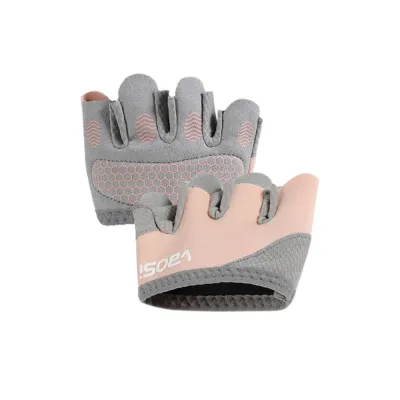
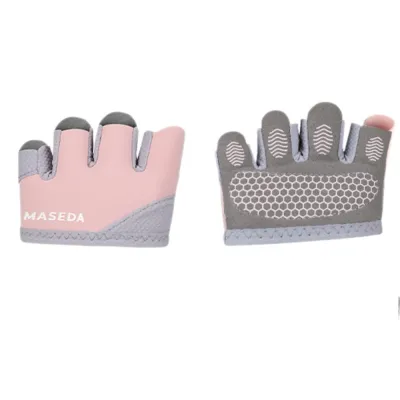
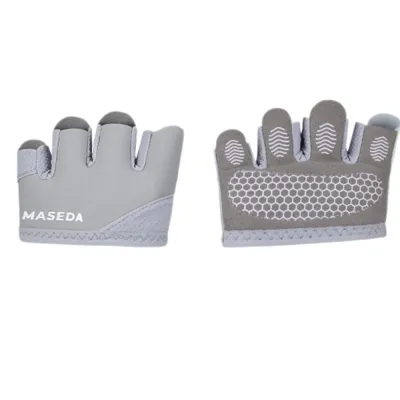
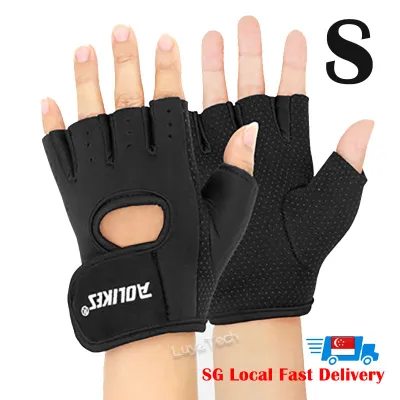
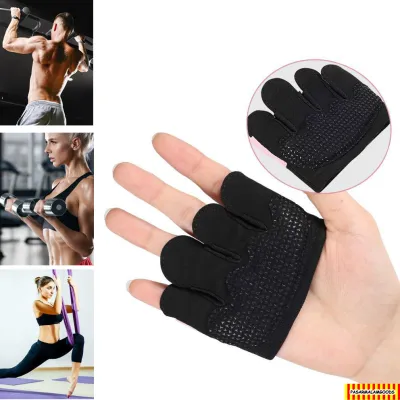
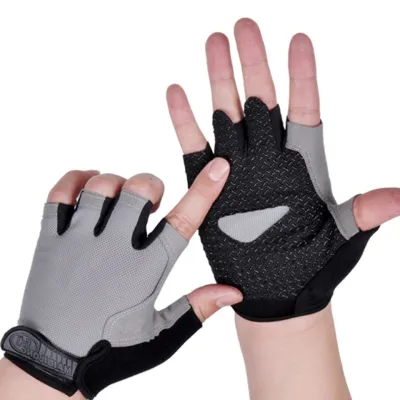
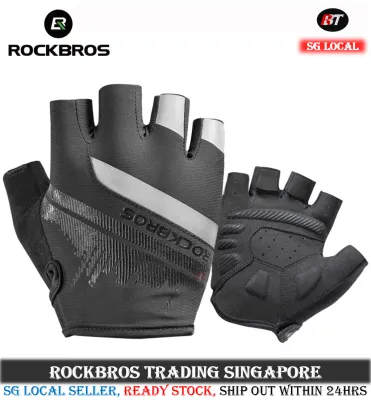
Prices are valid at publication and may change. Please refer to the product page for the latest price.
Grip Material and Texture The palm material is your direct interface with the barbell, dumbbell, or pull-up bar. Common choices include synthetic leather, genuine leather, and silicone-infused fabrics. Genuine leather offers exceptional durability and naturally molds to the shape of your hand over time, making it a favorite for traditional weightlifters. However, leather can become stiff and rough if exposed to repeated sweat and improper drying. Synthetic leather (often polyurethane-based) provides a more consistent, flexible feel and handles moisture better without hardening. Silicone prints or overlays on synthetic backings offer high immediate friction, making them excellent for gripping smooth metal handles, though they may wear down faster under the abrasive knurling of heavy barbells.
Palm Padding vs. Tactile Feedback There is a direct trade-off between the thickness of your glove’s padding and the tactile feedback you receive from the bar. Thick gel or high-density foam padding is highly effective at absorbing shock and distributing pressure, which prevents calluses and reduces discomfort during heavy pushing movements like the bench press. However, thick padding increases the effective diameter of the bar. This can make it harder to wrap your fingers securely, leading to premature grip fatigue during pulling exercises like deadlifts or rows. For pulling movements, a thinner palm with a textured grip is often superior, as it preserves your natural grip mechanics while still offering a protective barrier for the skin.
Wrist Support Mechanisms Wrist stability is a major safety consideration, especially during heavy overhead or pressing exercises. Gloves generally feature either a simple elastic cuff or an extended, adjustable Velcro wrist wrap. Standard elastic cuffs offer a low-profile, lightweight fit that allows maximum wrist mobility, making them ideal for high-tempo circuit training, kettlebell swings, and bodyweight exercises. In contrast, integrated wrist wraps feature a thick, non-elastic strap that wraps tightly around the wrist joint. This design acts as an external ligament, limiting joint hyperextension under heavy loads and reducing the risk of strain. If your routine focuses on heavy compound lifts, prioritizing integrated wraps can significantly enhance safety and lifting confidence.
Breathability and Climate Adaptation In Singapore’s tropical climate, heat and humidity are constant challenges. Training in a non-air-conditioned gym or outdoor fitness park can quickly turn your gloves into sweat-soaked sponges if they lack proper ventilation. Excess moisture inside the glove not only causes discomfort but also allows your hand to slip within the glove, compromising safety. Look for gloves that feature open-weave mesh backings, perforated palms, and moisture-wicking fabric linings. These design elements facilitate airflow, accelerate sweat evaporation, and help maintain a secure, dry grip throughout your session.
Sizing and Fit for Men A poorly fitting glove can cause more harm than good. If a glove is too loose, the excess material will bunch up in the palm under the pressure of a bar, creating friction points that lead to severe blisters. If it is too tight, it can restrict blood circulation, cause hand cramping, and limit your range of motion. To find your correct size, use a flexible tape measure to measure the circumference of your dominant hand just below the knuckles, excluding the thumb. Compare this measurement against the manufacturer’s specific size chart, as sizing can vary significantly between brands.
Top Half-Finger Gym Gloves Categorized by Training Style
Different workouts place unique demands on your hands and wrists. To help you find the right match, we have categorized the leading half-finger glove designs by their primary training applications.

Best for Heavy Lifting and Maximum Wrist Support
This category is designed specifically for powerlifters, strength athletes, and anyone focusing on low-rep, high-weight compound movements where joint stability is paramount.
For heavy pressing movements like the bench press, overhead press, and heavy dumbbell work, your wrists are subjected to extreme compressive forces. Gloves in this category feature integrated, heavy-duty wrist wraps that can be tensioned to provide rigid support. The palms are typically reinforced with dense foam or gel padding positioned over key pressure points to cushion the hands against heavy knurling.
The primary benefit of these gloves is the substantial reduction in wrist strain and localized palm pain, allowing you to focus entirely on executing the lift. However, the trade-off is a bulkier profile and reduced tactile feedback. The thick materials also tend to retain more heat, making them run warmer during intense sessions.
When choosing a heavy-duty glove, look for models like the Harbinger Men’s Wristwrap Gloves. Verify that the wrist strap is wide (typically 2 inches or more) and long enough to wrap around the wrist at least once and a half. Ensure the palm utilizes double-stitched leather or high-grade synthetic equivalents to withstand high shear forces.
Safety Warning: While wrist-supporting gloves provide excellent stability, they are a training aid and not a cure for poor lifting form or underlying joint weakness. Always warm up properly, and do not rely on wraps to mask chronic joint pain. If you experience sharp or persistent pain, stop lifting immediately and consult a medical professional.
Best for High-Volume Training and Callus Protection
This style is optimized for functional fitness athletes, CrossFit participants, and bodybuilders who engage in high-rep machine circuits, pull-ups, and dumbbell complexes.
High-volume training requires rapid transitions between different exercises, demanding a glove that offers a balance of protection, flexibility, and ease of movement. These gloves feature moderate, strategically placed padding that protects the base of the fingers and the upper palm—the primary zones for callus formation—without compromising hand flexibility. The back of the hand is usually constructed from flexible, lightweight materials like spandex or light neoprene.
The main advantage of this design is its versatility. It protects your hands from tearing during high-rep pull-ups or kettlebell snatches while allowing your fingers to flex naturally. The low-profile wrist closure ensures your range of motion is completely unrestricted. The downside is that they do not offer the rigid joint support needed for maximum-effort 1-rep-max lifts.
When shopping, look for options such as the Nike Essential or Under Armour Men’s Power Strap gloves. Prioritize models with reinforced stitching in the high-wear web between the thumb and index finger. Additionally, look for integrated pull-tabs on the fingers, which make removing sweaty gloves much easier at the end of a grueling circuit.
Best for Breathability in Humid Climates
This category is tailored for general fitness enthusiasts, circuit trainers, and individuals who train in warm, humid environments, such as outdoor fitness corners or non-climate-controlled gyms in Singapore.
If your primary struggle is excessive hand sweat, a lightweight, highly ventilated glove is essential. These designs minimize material coverage, featuring ultra-breathable mesh backings, open-finger designs, and highly perforated palms. The padding is kept to a minimum, focusing only on the most critical contact points to keep the glove as light and cool as possible.
The key benefit of these gloves is superior moisture management. They allow sweat to evaporate quickly, keeping your hands dry and preventing the glove from slipping on the bar. They are also incredibly lightweight and dry rapidly after washing. However, they offer minimal protection against heavy weight loads and provide no wrist stabilization.
Look for lightweight models such as the Harbinger Power Gloves or specialized mesh-backed fitness gloves. Check the material specifications to ensure the backing is made of polyester mesh or nylon blends that promote maximum airflow. Verify that the palm material, even if thin, features a reliable non-slip texture to maintain grip security when damp.
Comparing the Top Picks: Features, Materials, and Fit
To help you quickly identify the right design for your workout routine, the table below summarizes the key differences in construction, support, and suitability across the primary training categories.
| Training Style / Category | Primary Grip Material | Wrist Support Type | Breathability Level | Best Suited For |
|---|---|---|---|---|
| Heavy Lifting / Powerlifting | Genuine or Reinforced Synthetic Leather | Integrated, Adjustable Velcro Wrist Wrap | Moderate | Heavy compound presses, powerlifting, maximum load training |
| High-Volume / Functional Fitness | Flexible Synthetic Leather with Silicone Overlays | Low-Profile Elastic Cuff or Short Strap | High | CrossFit, high-rep dumbbell circuits, pull-ups, machine work |
| Humid Climate / General Fitness | Perforated Synthetic Leather or Textured Fabric | Minimal Elastic Band | Very High | Circuit training, outdoor workouts, hot/humid gym environments |
By analyzing this matrix, you can align your purchase with your primary gym activities. If your routine is highly varied, a high-volume functional glove offers the best middle ground. If you focus almost exclusively on heavy bench presses or overhead lifts, prioritizing a model with an integrated wrist wrap is the safest and most effective choice.
How to Clean and Prolong the Life of Your Gym Gloves
Gym gloves are exposed to a harsh mix of sweat, friction, chalk, and bacteria. Without regular care, they can quickly develop unpleasant odors and deteriorate prematurely, especially in Singapore’s humid climate.
Routine Cleaning To maintain hygiene and preserve the integrity of the materials, hand-washing is the highly recommended method. Fill a sink or basin with lukewarm water and add a small amount of mild, pH-neutral detergent. Submerge the gloves and gently massage the fabric, paying close attention to the palm and the finger pockets where sweat accumulates. Avoid using harsh bleach, fabric softeners, or strong chemical solvents, as these can break down synthetic fibers, dissolve grip coatings, and dry out genuine leather. Rinse the gloves thoroughly in clean, cold water to remove all soap residue.
Drying Best Practices Proper drying is crucial to prevent the growth of mold and mildew. After rinsing, gently squeeze out excess water—do not wring or twist the gloves, as this can stretch the seams and distort the fit. Lay the gloves flat or hang them up in a well-ventilated indoor area away from direct sunlight. Never place gym gloves in a tumble dryer or expose them to direct heat sources like hair dryers, as extreme heat will shrink genuine leather, melt silicone grips, and degrade the elasticity of wrist wraps.
Odor Control Because of the high humidity in Singapore, gloves can sometimes retain a stubborn musty smell even after washing. To combat this, you can lightly dust the inside of the dry gloves with baking soda, which naturally neutralizes acidic odors; shake out the excess powder before your next workout. Alternatively, use a specialized, non-corrosive sports gear spray designed to eliminate odor-causing bacteria. Always allow the gloves to dry completely between workouts rather than leaving them balled up inside a dark, damp gym bag.
Inspection and Replacement For your safety during lifts, regularly inspect your gloves for signs of wear and tear. Check the integrity of the stitching along the palm seams and around the fingers. Inspect the Velcro closures to ensure they still grip tightly and won’t slip mid-lift. If you notice the palm padding has worn paper-thin, the seams are tearing open, or the grip texture has worn smooth, it is time to replace your gloves. Using compromised gear increases the risk of sudden slippage, which can lead to serious injury under heavy weights.
Frequently Asked Questions (FAQ)
Do half-finger gloves weaken grip strength?
Using gloves does not inherently weaken your grip strength, but thick palm padding can alter your grip mechanics. Thick padding increases the effective diameter of the barbell or dumbbell handle, requiring your forearm muscles to work harder to maintain a secure hold, which can lead to faster grip fatigue. However, gloves protect your skin from painful tears and calluses, allowing you to sustain a higher volume of training. To ensure your grip strength continues to develop naturally, incorporate dedicated grip-strengthening exercises—such as deadlifts, farmer’s carries, and plate pinches—into your routine while using gloves as a protective tool for high-volume sessions.
How tight should gym gloves fit?
Gym gloves should fit snugly, acting like a supportive second skin, without restricting your blood circulation or finger mobility. When you open your hand, the material should lie flat against your palm with minimal slack. When you make a tight fist, the fabric should stretch comfortably over your knuckles without pinching your fingers or causing your hand to cramp. If there is excess fabric bunching up in the palm when you grip a bar, the glove is too large and will likely cause friction blisters. When purchasing online, always refer to the brand’s precise measurement chart and check their return or exchange policy to ensure you can swap them if the fit is not perfect.
Are half-finger gloves better than full-finger for weightlifting?
For the vast majority of indoor weightlifting and gym workouts, half-finger gloves are highly superior to full-finger designs. The open-finger design provides critical tactile feedback, allowing your fingertips to feel the bar’s knurling and position securely. Furthermore, half-finger gloves offer vastly superior ventilation, which is essential for keeping your hands cool and dry in Singapore’s warm climate. They are also significantly easier to pull off when your hands are damp with sweat. Full-finger gloves are generally reserved for outdoor sports like cycling, obstacle course racing, or cold-weather training where full-hand abrasion and thermal protection are required.
Community discussion
Share your experience or ask a question. Comments are reviewed before publication.