
Selecting the best mesh bag swimming solution requires balancing rapid ventilation with gentle material protection. Premium swim gear—including high-end elastane swimsuits, technical racing goggles, and molded silicone caps—represents a significant financial investment. Standard plastic bags or heavy, unventilated gym duffels trap moisture, chemical residues, and heat, creating a destructive environment that rapidly degrades these delicate materials. A high-quality mesh bag solves this by promoting continuous airflow, which accelerates drying and prevents the accumulation of mold, mildew, and corrosive pool chemicals.
In tropical climates like Singapore, where high humidity and warm temperatures are constant, proper ventilation is not just a convenience; it is an absolute necessity for gear preservation. Leaving wet swimwear or damp goggles sealed in a non-breathable bag for even a few hours can lead to irreversible fabric rot, ruined lens coatings, and persistent, unpleasant odors. By understanding the specific engineering features of specialized mesh storage, you can select a bag that keeps your premium swim accessories in pristine, high-performance condition.
Why Premium Swimwear and Goggles Need Specialized Mesh Storage
Premium swim gear is engineered for hydrodynamic efficiency, comfort, and durability, but the very materials that provide these benefits are highly vulnerable to environmental damage. High-end swimwear often utilizes a blend of nylon and elastane (commonly known as Spandex or Lycra) to deliver a snug, compressive fit. While elastane offers excellent stretch, it is highly sensitive to chlorine, body oils, sunscreen, and heat. When you leave a wet swimsuit compressed inside a sealed plastic bag, the trapped chlorine residue acts as a chemical solvent, slowly breaking down the polyurethane bonds within the elastane fibers. Over time, this chemical degradation causes the fabric to lose its elasticity, leading to thinning, sagging, and eventual fabric failure.
Products mentioned in this guide

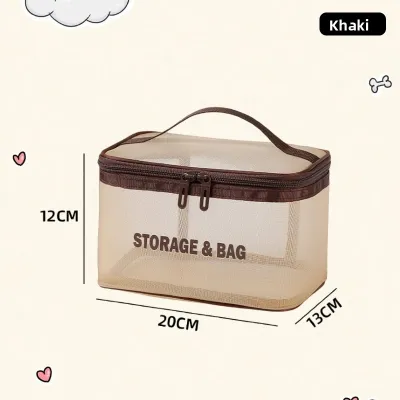
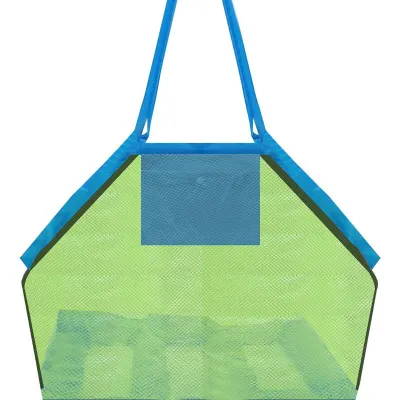
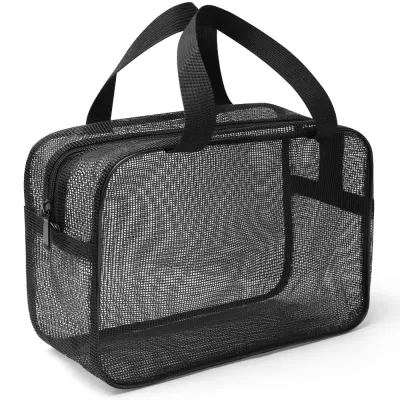
Prices are valid at publication and may change. Please refer to the product page for the latest price.
Similarly, premium swim goggles are highly precise optical instruments. The inner surface of the lenses is treated with a delicate, hydrophilic anti-fog coating that absorbs moisture to prevent condensation. If goggles are stored in a damp, sealed environment, this coating remains saturated for an extended period, causing it to soften, bubble, or peel away entirely. Furthermore, the silicone gaskets and straps of goggles, along with silicone swim caps, are susceptible to cross-contamination. When stored wet in a dark, stagnant enclosure, silicone can attract black mold spores. This mold not only leaves unsightly black spots that are virtually impossible to remove without damaging the material but also degrades the structural integrity of the silicone, making it brittle and prone to tearing.
The environmental conditions in Singapore amplify these risks significantly. With average relative humidity levels frequently hovering around 80% to 90% and ambient temperatures consistently exceeding 30 degrees Celsius, stagnant moisture becomes a breeding ground for bacteria and fungi. A standard gym bag made of heavy canvas or dense polyester acts as an incubator under these conditions. In contrast, a specialized mesh bag swimming accessory allows ambient air to flow freely through the fabric. This continuous ventilation initiates the evaporation process immediately after your swim, lowering the internal humidity of the bag and preventing the stagnant, warm conditions that microbes require to thrive. By facilitating rapid drying, a mesh bag actively protects your investment in premium branded swim gear.
Essential Features for Protecting Delicate Swim Accessories
Not all mesh bags are created equal. To ensure your premium gear receives the highest level of protection, you must evaluate several key design elements. A great swim bag must offer more than just a porous exterior; it must feature thoughtful material selection and structural details tailored to fragile accessories.

Balancing Mesh Density and Fabric Softness
The primary trade-off when selecting a mesh bag is the balance between ventilation efficiency and fabric texture. Coarse, stiff mesh made of heavy PVC-coated nylon is exceptionally durable, retains its shape, and allows water to drain almost instantly. However, this rough, abrasive texture can act like sandpaper against delicate items. When your bag moves during transit, the friction of coarse mesh rubbing against premium swimwear can cause surface pilling, snagging, and fiber breakage. It can also easily scratch the external surface of plastic goggle lenses.
To protect your gear, look for bags constructed from soft-knit polyester mesh or those featuring a dual-mesh design. Soft polyester mesh has a silkier texture that glides smoothly over fabrics, preventing micro-abrasions while still offering excellent breathability. Additionally, pay close attention to the construction of the interior seams. High-quality bags feature bound edges, where the raw, scratchy cut ends of the mesh are wrapped in soft fabric bias tape and secured with flatlock stitching. This prevents abrasive edges from coming into contact with your swimsuit or snagging the delicate edges of your silicone cap.
Goggle Protection and Compartmentalization
Goggles are the most fragile component of your swim kit, and tossing them into a single, large compartment with the rest of your gear is a common mistake. When loose inside a bag, goggles are subjected to constant friction and impact. The hard edges of training paddles, zippers, or even the rough texture of other gear can scratch the lenses, ruin the anti-fog coating, or warp the soft silicone eye gaskets.
To mitigate this risk, look for a mesh bag that incorporates dedicated, isolated compartments. Many premium designs feature a raised, zippered pocket lined with soft microfiber or fleece specifically designed to cradle goggles. Other advanced options include integrated semi-rigid or hard-shell EVA (ethylene-vinyl acetate) cases that clip directly onto the bag or sit in a dedicated top compartment. By isolating your goggles from the main chamber, you eliminate the risk of crushing and ensure that the delicate lenses never rub against rough surfaces. If a bag lacks a built-in hard case, ensure it has at least one small, elevated zippered pouch that keeps your goggles suspended away from the heavy, wet items settling at the bottom of the bag.
Capacity, Closure Durability, and Wet Gear Handling
The mechanical components of a swim bag must be highly resistant to the corrosive effects of chlorinated pool water and sea salt. Metal zippers, even those labeled as rust-resistant, are prone to oxidation and corrosion over time, which can cause the zipper teeth to seize or break. For maximum longevity, choose bags equipped with heavy-duty, molded plastic zippers, such as YKK plastic coil zippers, or rust-proof composite pullers. Alternatively, drawstring closures secured with spring-loaded plastic toggles offer excellent durability and are virtually immune to chemical corrosion, though they provide slightly less structural sealing than a zipped compartment.
Capacity is another critical factor that directly influences how well your gear dries. Overstuffing a mesh bag compresses the wet items inside, eliminating the air gaps required for effective ventilation. When a wet swimsuit, cap, and towel are packed tightly together, moisture remains trapped in the center of the bundle, leading to slow drying times and musty odors. For a minimalist kit consisting of a swimsuit, cap, goggles, and a compact travel towel, a bag with a capacity of 10 to 15 litres is generally sufficient. If you regularly carry training aids such as kickboards, pull buoys, and hand paddles, opt for a larger 25 to 35-litre gear bag with distinct structural zones to ensure that air can still circulate freely around each item.
Recommended Mesh Bag Designs for Your Swim Routine
The ideal mesh bag configuration depends largely on your personal swimming routine, how much gear you carry, and your transit habits. Different structural designs offer unique advantages and trade-offs.
Multi-Compartment Totes for Full Gear Sets
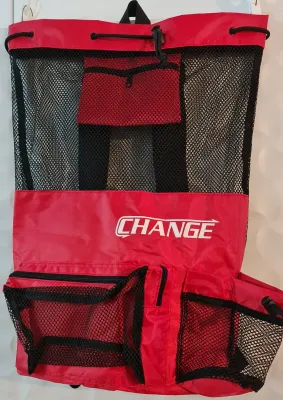
Tote-style mesh bags are highly versatile and ideal for recreational swimmers, families, or those who visit public pools and condo clubhouses. These bags typically feature a large, open mesh main compartment surrounded by multiple smaller pockets on the exterior and interior. The primary advantage of a multi-compartment tote is its ability to organize a complete swim kit, including towels, toiletries, and dry clothing, alongside your wet gear.
Many premium swim totes incorporate a wet/dry segregation system. This often consists of a waterproof-lined base compartment or a sealed, water-resistant interior pocket made of TPU (thermoplastic polyurethane). You can store your dry clothes, smartphone, and wallet in the waterproof section, while your wet swimsuit, cap, and microfiber towel drip dry in the main ventilated mesh section. This dual-zone design eliminates the need to carry multiple bags. The main limitation of these totes is their bulk; they can be cumbersome to carry on public transport or fit into narrow gym lockers, making them best suited for swimmers who drive or prefer a comprehensive, all-in-one carrying solution.
Drawstring Sacks with Integrated Hard Cases
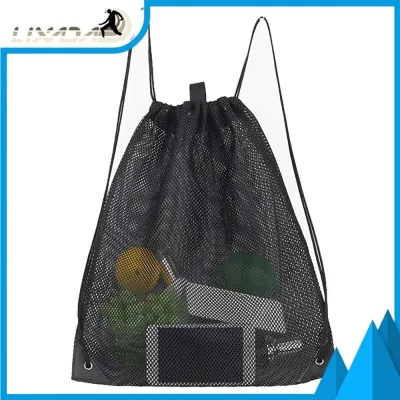
Drawstring mesh sacks are the classic choice for competitive squad swimmers, lap swimmers, and triathletes. These bags are exceptionally lightweight, highly breathable, and can be worn comfortably as a backpack. The open-mesh construction allows maximum airflow, making them excellent for carrying wet gear directly from the pool deck.
The standout feature of modern, high-end drawstring sacks is the integration of a dedicated hard-shell EVA case. This case is typically designed to hold goggles and is either permanently built into the top of the bag or attached via a secure clip system. This design allows you to enjoy the lightweight, quick-drying benefits of a classic mesh sack while ensuring your expensive racing goggles remain completely shielded from external impacts and crushing forces. The primary trade-off of this design is its lack of internal organization; aside from the goggle case and perhaps a small zippered pocket for keys or nose clips, the main compartment is a single large chamber, requiring you to pack mindfully to avoid clutter.
Compact Pouches for Minimalist Swimmers
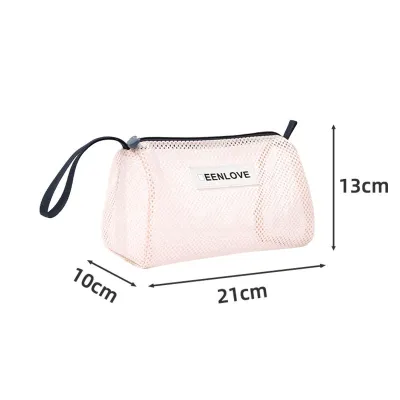
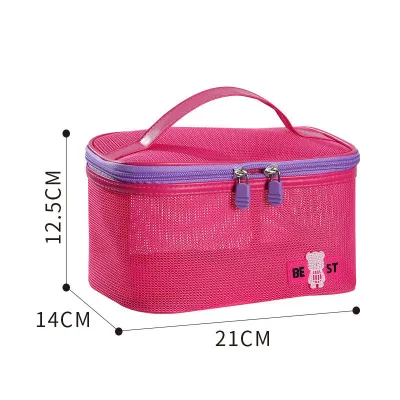
For swimmers who prefer a highly streamlined setup, a compact mesh pouch is an excellent option. These small pouches, typically ranging from 2 to 5 litres in volume, are designed strictly to hold the bare essentials: a pair of goggles, a silicone cap, earplugs, and a damp swimsuit. They are ideal for triathletes who transition quickly or lap swimmers who leave their larger towels and dry clothes in a secure locker.
The primary benefit of a compact pouch is its extreme portability and modularity. You can place your delicate wet accessories inside the ventilated pouch and then slip the entire pouch into an external pocket of your everyday work backpack or gym duffel. This keeps your high-value swim accessories isolated and protected from the rest of your belongings without requiring you to carry a separate, bulky wet bag. However, because of their limited capacity, these pouches cannot accommodate towels or training aids, meaning they must be used as part of a larger, multi-bag system if you carry more than just the essentials.
Packing Strategies and Maintenance for Humid Climates
Owning a high-quality mesh bag is only half the battle; how you pack and maintain it determines how well your gear is protected, especially in humid environments. Following a systematic routine will extend the lifespan of both your bag and your expensive swim accessories.
When packing your mesh bag after a swim, follow a logical order to minimize physical stress on your gear. Always place heavier or rigid items, such as training paddles, kickboards, or a hard goggle case, at the bottom of the bag or in their designated side compartments. This creates a stable base and prevents heavy objects from shifting and crushing softer items during transit. Next, prepare your premium swimwear and silicone cap. Never wring out your swimsuit aggressively, as the twisting motion snaps the delicate elastane fibers and stretches the seams. Instead, gently press the excess water out by rolling the suit in a clean towel, then fold or roll it loosely before placing it on top of the rigid items in your bag. Ensure your silicone cap is completely dry on the inside, or insert a small piece of dry cloth inside to prevent the inner silicone surfaces from sticking together and trapping moisture.
Post-swim maintenance is crucial for preventing the chemical degradation of your gear. Chlorinated pool water and sea salt are highly corrosive; as water evaporates, it leaves behind concentrated chemical residues that slowly eat away at synthetic fibers, zipper tracks, and goggle coatings. After every swim session, make it an absolute habit to rinse your entire mesh bag—along with your swimwear, cap, and the exterior of your goggles—under clean, cool running tap water. This simple step dilutes and removes the harmful chemicals, preserving the elasticity of your swimwear and the structural integrity of the mesh fabric.
Once rinsed, proper drying is essential, particularly in humid tropical climates. Hang your mesh bag to dry in a well-ventilated, shaded indoor area or a covered balcony. While direct sunlight is effective at killing bacteria, the intense UV rays can rapidly degrade synthetic materials, causing the mesh fibers to become brittle, colors to fade, and plastic closures to warp. Never place a synthetic mesh bag in a tumble dryer or use a hair dryer on it, as the high heat can easily melt or warp the delicate polyester or nylon threads. Finally, always consult the manufacturer’s care labels on both your mesh bag and your swim gear before using any cleaning agents or specialized washes. If instructions conflict, always prioritize the gentlest manual cleaning method to avoid accidental damage.
Frequently Asked Questions (FAQ)
Can I put wet swimwear and dry clothes in the same mesh bag?
No, placing wet swimwear directly alongside dry clothing in an unpartitioned mesh compartment is not recommended. Because mesh is highly porous, moisture will easily transfer from your wet swimsuit to your dry clothes, resulting in damp, water-stained garments, potential color bleeding, and an ideal environment for mold and mildew to develop.
If you need to carry both wet and dry items in a single bag, look for a specialized mesh tote that features a built-in, waterproof-lined compartment made of TPU or heavy-duty PVC. This dry zone acts as an impermeable barrier, keeping your clean clothes and electronics completely dry while allowing your wet gear to ventilate in the mesh section. Alternatively, you can pack a separate, lightweight dry bag or a reusable silicone wet pouch inside your main mesh bag to isolate the wet items completely, ensuring your dry belongings remain clean and dry throughout your commute.
How do I clean a mesh bag that smells like chlorine?
Over time, mesh bags can accumulate chlorine odors, sweat, and mildew, especially when used frequently in humid climates. To clean your bag safely without damaging the synthetic fibers, follow a gentle hand-washing method. Fill a basin or sink with cool water and add a small amount of mild, pH-neutral, non-bleach laundry detergent or a specialized chlorine-removing sports wash.
Submerge the mesh bag and gently agitate it with your hands, paying close attention to the seams, handles, and zipper tracks where sweat and chemical salts tend to build up. Let the bag soak for 10 to 15 minutes to allow the detergent to break down the residues. Avoid using harsh chemical bleaches, fabric softeners, or machine washing on a heavy cycle, as these can chemically degrade the synthetic polyester or nylon fibers and destroy the zipper mechanisms. Rinse the bag thoroughly with cold water until all soap residue is removed, then hang it to air-dry in a cool, shaded, and well-ventilated location. Before using any cleaning agents, always check the applied product’s label and the treated item’s manufacturer instructions.
Community discussion
Share your experience or ask a question. Comments are reviewed before publication.