
Selecting your first fishing metal jig can feel overwhelming given the sheer variety of shapes, weights, and colors hanging on tackle shop walls. For beginners starting their angling journey in Singapore, the key is finding reliable, highly productive, and budget-friendly brands that perform consistently without a steep learning curve. Highly regarded brands such as Major Craft, Shimano, Daiwa, and Storm offer exceptional entry-level metal jigs that are widely available locally, providing predictable underwater actions and durable finishes at accessible price points.
By focusing on established manufacturers with dedicated saltwater research and development, you ensure that your lures possess the correct weight distribution and balance required to trigger strikes. Investing in these trusted brands helps you avoid the common pitfalls of generic lures, such as off-center weights that fail to swim properly or cheap hooks that bend under the pressure of a strong local fish.
Navigating Singapore's Jigging Waters and Target Species
To select the right metal jig, you must first understand the unique marine environments surrounding Singapore. Most local jigging adventures take place around the Southern Islands—including Lazarus Island, St. John’s Island, Sisters’ Islands, and Pulau Hantu—as well as the deeper shipping channels in the Singapore Strait, the offshore reefs near Changi, and various coastal drop-offs. These locations present distinct underwater topography, ranging from shallow coral fringes to steep sandy drop-offs.
Products mentioned in this guide
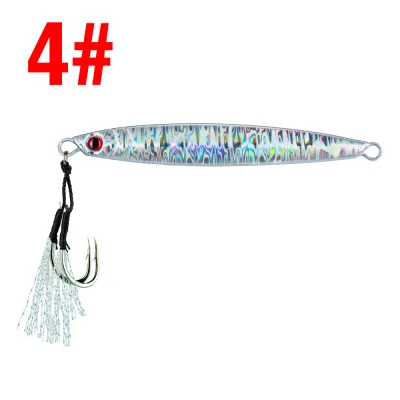
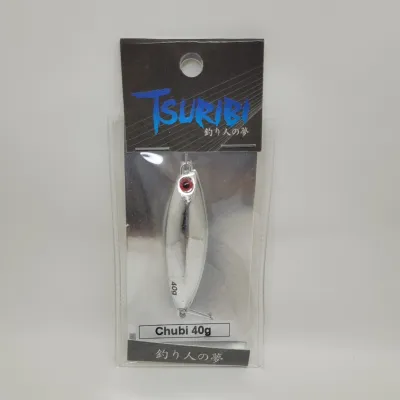
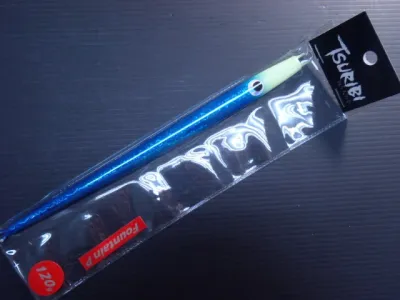
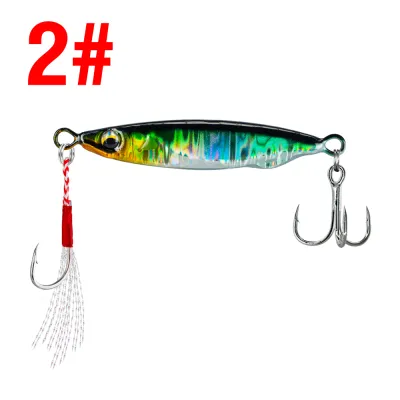
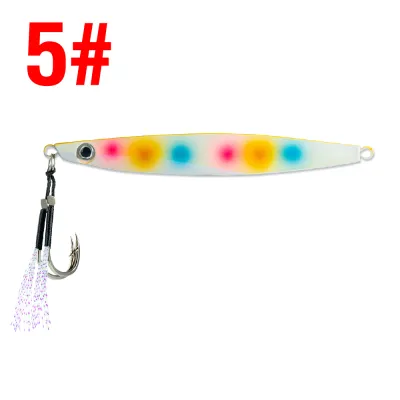
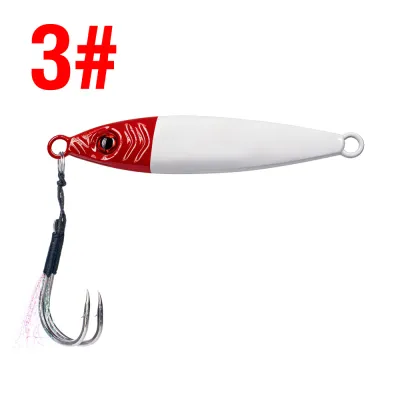
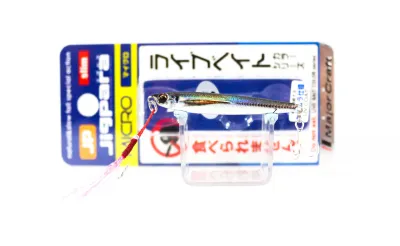
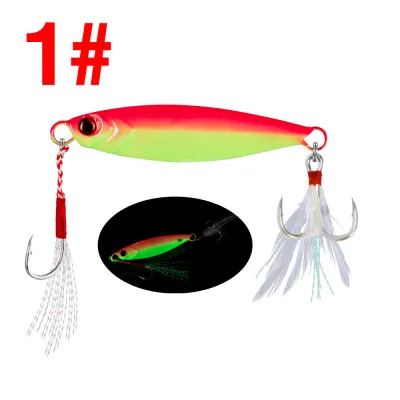
Prices are valid at publication and may change. Please refer to the product page for the latest price.
Water depths in these angling zones typically range from a shallow 15 meters near coastal structures to over 60 meters in the deep shipping lanes. Along with depth, Singapore’s semi-diurnal tides create powerful, fast-moving currents that can easily sweep a light lure far away from your boat. To fish effectively, your jig must be heavy and streamlined enough to cut through these currents and reach the strike zone near the seabed.
Your choice of jig is also heavily dictated by your target species, which generally fall into two categories:
- Demersal Species (Bottom Dwellers): Groupers (such as the Orange-spotted Grouper), Coral Trout, and Snappers (locally known as Ang Cho or Red Snapper) inhabit rocky crevices and reef structures. They are opportunistic ambush predators that respond best to slow-fluttering jigs presented close to the bottom.
- Pelagic Species (Mid-Water to Surface Hunters): Queenfish, Golden Trevally, Spanish Mackerel (Tenggiri), and Yellowtail Scad (Kaman) patrol the water column. These fast, aggressive predators are highly attracted to rapid, erratic jig movements that mimic fleeing baitfish.
Core Selection Criteria for Your First Fishing Metal Jig
Understanding the technical specifications of a fishing metal jig is crucial for making an informed purchase. Rather than relying on marketing claims, you can evaluate any jig based on its weight, shape, color, and hook configuration to determine if it suits your immediate fishing needs.

Weight and Depth Matching
A fundamental rule of thumb for jigging is to use approximately 1.5 to 2 grams of jig weight for every meter of water depth under calm conditions. However, because Singapore’s tidal currents are often swift, you will regularly need to scale up to 3 or even 4 grams per meter to maintain a near-vertical line presentation. If your line scopes out at a wide angle, you lose direct contact with the lure, making it incredibly difficult to detect subtle bites and significantly increasing your chances of snagging on the bottom.
Jig Shapes and Actions
The physical profile of a metal jig dictates how it behaves in the water column when pitched or retrieved:
- Long Jigs: These are highly streamlined, slender lures designed to sink rapidly with minimal water resistance. They are ideal for high-speed vertical jigging (fast jigging) targeting fast-moving pelagic fish, though they require more physical effort to work.
- Short and Asymmetrical Jigs: These jigs feature a wider, leaf-like shape with one side flatter or heavier than the other. This uneven weight distribution causes the jig to flutter, slide, and fall horizontally when you slacken your line. This slow-pitch design is highly forgiving for beginners because the lure does most of the work on the drop, mimicking a wounded baitfish with minimal physical exertion required from the angler.
- Center-Balanced Jigs: Offering a middle ground, these jigs are balanced in the center, providing a wobbling action on both the retrieve and the fall, making them highly versatile all-rounders.
Color Patterns
While presentation and action are paramount, selecting the right color pattern helps maximize your hook-up rate under varying water conditions:
- Natural Baitfish Patterns: Silver, blue, and green hues that mimic local baitfish like tamban (sardines) are highly effective in clear water and bright daylight.
- Luminous and Glow Patterns: Jigs featuring zebra-glow stripes or fully luminous bellies are essential for deep-water jigging (over 40 meters) or murky coastal waters where sunlight cannot penetrate.
- High-Visibility Contrast Patterns: Bright pink, gold, and orange combinations work exceptionally well in green-tinted or turbid waters, with gold-red being a classic favorite among Singaporean anglers for bottom-dwelling species.
Hook and Assist Cord Setup
Unlike traditional lures that utilize treble hooks, metal jigs are rigged with assist hooks. These consist of single or double hooks tied to a flexible, braided assist cord, which is then attached to a solid ring at the top of the jig. This configuration allows the hook to move independently, drastically improving hook-up ratios while preventing fish from using the weight of the jig as leverage to throw the hook. For beginners, using a single or double assist hook at the top of the jig is highly recommended, as it minimizes the risk of snagging on rocky reef bottoms compared to running hooks at both ends.
How to Evaluate Metal Jig Brands for Value and Reliability
When shopping at local tackle shops or browsing online catalogs, evaluating brands based on material quality, price-to-performance ratio, and local availability will help you build a reliable starter collection without overspending.
Build Quality and Materials
Most entry-level metal jigs are constructed from lead alloys, which provide the necessary density and weight at an affordable price. Premium jigs may use tungsten, which is denser and sinks faster, but tungsten is significantly more expensive and represents a costly loss for beginners who frequently snag. When inspecting a lead jig, pay close attention to the paint finish. Reputable brands apply multiple layers of protective epoxy or clear topcoats over their holographic foils to prevent the paint from chipping off easily when the jig knocks against rocky seabeds or encounters toothy predators.
Price-to-Performance Ratio
As a beginner, losing lures to underwater snags is an inevitable part of the learning curve. Therefore, buying top-tier, hand-painted artisan jigs costing upwards of S$30 apiece is rarely practical. Instead, look for reliable entry-level product tiers from established tackle manufacturers. Excellent beginner-friendly jigs typically retail between S$6 and S$15. In this price bracket, brands like Major Craft (with their legendary Jigpara series) offer exceptional finishes, durable construction, and highly effective actions that rival much more expensive options.
Availability and Ecosystem
A great jig is only useful if you can easily replace it when lost. Opt for brands that are consistently stocked across Singapore’s prominent tackle hubs, such as the shops along Beach Road, Geylang, or Clementi. Choosing a brand with a strong local footprint ensures you can quickly walk into a shop and purchase the exact weight and color you need for an upcoming trip, rather than waiting weeks for international shipping.
Brand Verification
Always purchase jigs from recognized saltwater tackle manufacturers rather than unbranded, ultra-cheap bulk packs found on generic online marketplaces. Reputable brands design their jigs with precise weight distributions that guarantee a enticing swim action. Conversely, generic unbranded jigs often suffer from poor casting, unbalanced swimming behaviors, and are frequently rigged with low-grade, brittle hooks that will rust instantly or bend straight under the weight of a decent-sized fish.
Recommended Jig Profiles for Common Local Scenarios
To help you prepare for your first few outings, here are three highly effective jig profiles tailored to common fishing scenarios encountered in Singapore’s waters.
Shallow Reef Jigging (Under 30m)
When fishing shallow reef edges around the Southern Islands or casting from seawalls, you want to target active mid-water predators like small trevallies and queenfish. For this scenario, select a light, center-balanced micro-jig weighing between 10g and 40g. A slim, symmetrical profile allows for quick, erratic darting actions when retrieved with short, sharp rod sweeps. Pair this with natural silver or pink-silver color patterns to mimic small baitfish swimming in the sunlit upper water column.
Deep Water Bottom Bouncing (30m to 60m+)
If you are targeting bottom-dwelling groupers and snappers in deeper channels or around offshore structures, your main challenge is reaching the seabed quickly and staying there. Choose a wide, asymmetrical, leaf-shaped slow-pitch jig weighing between 60g and 120g. This profile is designed to fall with a slow, horizontal fluttering action, giving slow-moving bottom predators plenty of time to strike. Opt for high-contrast colors like gold-red or patterns featuring heavy zebra-glow stripes to ensure the lure remains highly visible in the dim, deep water.
Current-Heavy Drifts
During spring tides or when fishing in the deep, fast-moving shipping lanes of the Singapore Strait, maintaining a vertical presentation is incredibly difficult. In this scenario, select a streamlined, tail-weighted jig weighing between 80g and 150g. The tail-heavy design ensures the jig sinks rapidly and straight, cutting through strong cross-currents with minimal line drag. A fast, vertical retrieve with occasional pauses is highly effective here, and a silver-blue or green-gold pattern works well to mimic fast-swimming pelagic baitfish fighting the current.
Smart Purchasing and Essential Jig Maintenance
Building your tackle box safely and maintaining your gear properly will save you money and ensure your equipment performs flawlessly when you hook into a prized fish.
Where to Buy
For beginners, visiting a physical brick-and-mortar tackle shop in Singapore is highly advantageous. Local shop staff and fellow anglers can provide invaluable, up-to-the-minute advice on which weights and colors are currently producing fish in specific local spots. Additionally, you can physically inspect the build quality of the jigs before buying. If you choose to buy online, stick to reputable local tackle distributors to avoid counterfeit products that look identical but are rigged with substandard, easily bent split rings and hooks.
Post-Trip Care
Saltwater is highly corrosive and will quickly ruin your jigs and hooks if left unchecked. Establish a mandatory post-trip maintenance routine to maximize the lifespan of your gear:
- Rinse Thoroughly: As soon as you return home, rinse all used jigs, assist hooks, and split rings under warm, running freshwater to dissolve salt deposits.
- Dry Completely: Lay the jigs out on a clean towel in a well-ventilated, shaded area. Allow them to dry completely before packing them away. Storing damp gear traps moisture and accelerates rust.
- Inspect and Sharpen: Check your assist hooks for any signs of corrosion, bluntness, or structural weakness. Run the hook point gently across your thumbnail; if it slides without catching, it is blunt and should be sharpened with a hook file or replaced.
Storage Solutions
To keep your jigs in pristine condition, avoid tossing them loosely into a plastic tackle box where they will constantly bang against each other, leading to chipped paint and tangled hooks. Instead, invest in a dedicated jig roll or a jig wallet featuring individual vinyl or mesh pockets. This keeps each jig isolated and protected during transport. Additionally, place a few silica gel packets inside your storage bags to absorb any residual moisture and prevent rust from forming on your hooks and split rings.
Frequently Asked Questions (FAQ)
Can I use the same metal jig for both slow pitch and fast jigging?
While you can physically attempt both techniques with any jig, specialized jigs are engineered for specific movements, and using them incorrectly leads to poor performance and rapid angler fatigue. Fast-jigging lures are streamlined to cut through water quickly with high-speed, vertical retrieves. Slow-pitch jigs are wide and designed to flutter slowly on the fall. Attempting to fast-jig a wide slow-pitch lure creates massive water resistance, tiring you out quickly, while slow-pitching a streamlined fast-jig results in a lifeless, rapid plunge without the enticing horizontal flutter. Beginners should prioritize slow-pitch jigging first, as it is highly effective for local bottom species and much less physically demanding.
How do I prevent my metal jig's paint from chipping after catching toothy fish?
Toothy local species like Spanish Mackerel (Tenggiri) will inevitably scratch and chip a jig’s paint finish over time. To prolong the life of your lure’s finish, you can apply a thin coat of clear epoxy resin or specialized UV-cure clear coat over new jigs before using them. Choosing jigs that feature molded-in holographic foils rather than simple surface-printed designs also helps preserve reflectivity even after minor scratches. Ultimately, accept that some wear and tear is normal; a battle-scarred jig with minor scratches often remains highly effective as long as its overall reflective flash and swimming action are preserved.
What is the best way to store metal jigs to prevent rust and tangling?
The most effective storage solution is a specialized jig wallet or roll up bag with individual mesh or vinyl slots. This keeps each jig separated, preventing the painted bodies from chipping each other and stopping the assist hooks from tangling into a frustrating mess. Always store your assist hooks dry, and consider keeping spare hooks in small, resealable plastic bags with a silica gel packet to eliminate moisture. Never mix used, unwashed jigs with fresh ones, as even a tiny amount of salt residue will quickly spread rust to your entire tackle collection.
Community discussion
Share your experience or ask a question. Comments are reviewed before publication.