
When you are cycling around Singapore, carrying a reliable mini pump bicycle accessory can mean the difference between a quick roadside fix and an expensive taxi ride home. Whether you are commuting along the Park Connector Network (PCN), pushing high speeds on the coastal stretches of Changi, or navigating the muddy trails of Bukit Timah, a flat tire can happen at any moment. Choosing the right portable pump requires understanding how your specific riding style, tire volume, and valve type interact with different pump designs.
In Singapore’s unique tropical environment, factors like high humidity, sudden heavy downpours, and intense heat also play a significant role in how well your gear performs over time. A pump that works perfectly in a dry climate might seize up or suffer from degraded rubber seals when exposed to local elements. This comprehensive guide breaks down the essential design profiles, mechanical trade-offs, and maintenance steps to help you select and preserve the ideal compact pump for your cycling routine.
How to Choose the Right Mini Pump Bicycle Companion for Your Riding Style
Every cycling discipline places distinct demands on inflation gear. A pump designed to inflate a high-volume mountain bike tire will struggle immensely to reach the high pressures required for a road bike, while a road-specific pump will take an exhausting number of strokes to fill a wide tire. Understanding these mechanical differences is the first step in making an informed purchase.
Products mentioned in this guide
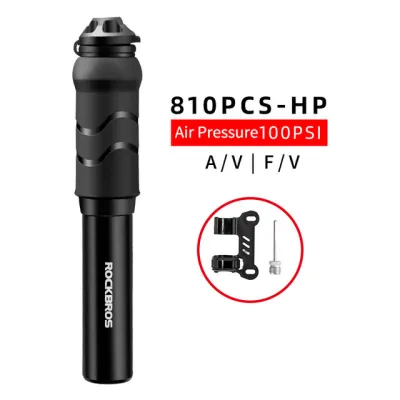
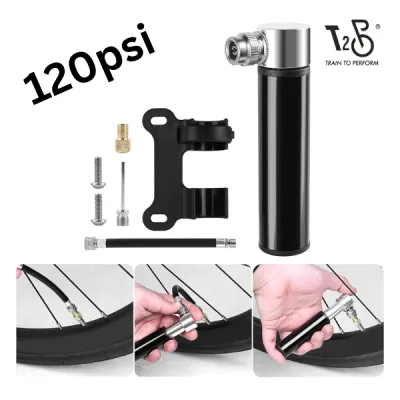
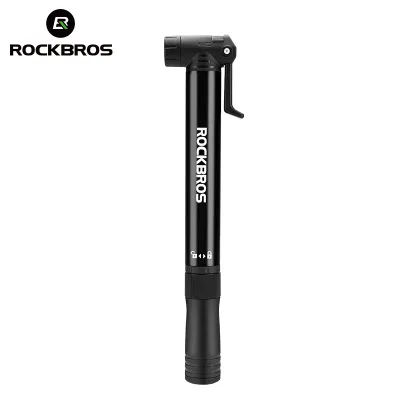
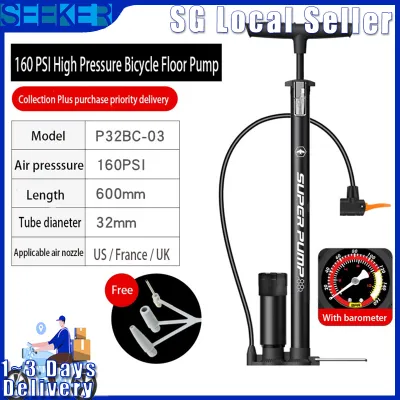
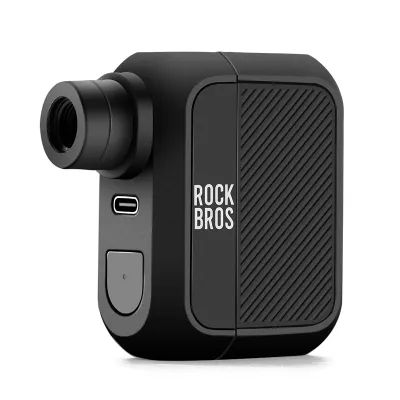
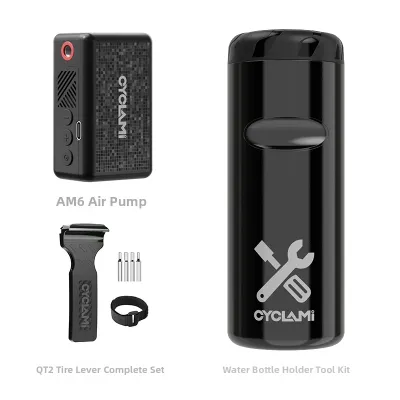
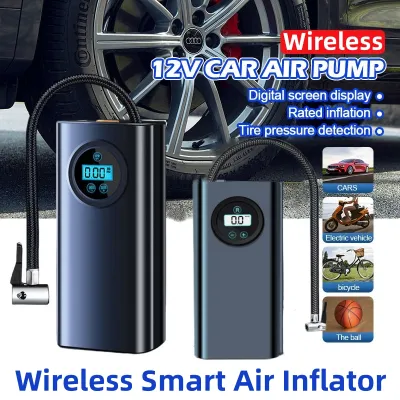
![[SG 24H Ship]12000mAh Nitrogen Cordless Car Air Pump 150PSI Portable Tire Inflator for Car Motorcycle Bike](https://img.lazcdn.com/g/p/db8d65465d4e56efe7ecd2e3046fe2d8.jpg_400x400q80.jpg_.webp)
Prices are valid at publication and may change. Please refer to the product page for the latest price.
Pressure (PSI) vs. Volume The fundamental trade-off in portable pump design lies between maximum pressure (measured in pounds per square inch, or PSI) and air volume per stroke. Road bike tires are narrow and operate at high pressures, typically between 80 and 110 PSI for standard tubed setups, and slightly lower for tubeless. To reach these pressures manually without requiring extreme physical strength, road pumps utilize a narrow internal barrel. This narrow cylinder reduces the surface area of the piston, making it physically easier to push down at high pressures, but it moves a very small amount of air with each stroke. Conversely, mountain bike and gravel tires are wide and operate at much lower pressures, usually between 20 and 45 PSI. These tires require a high volume of air to fill. Mountain bike pumps use a much wider barrel to push a large volume of air per stroke, allowing you to fill a large tire quickly, though pushing this wider piston becomes extremely difficult if you try to exceed 50 or 60 PSI.
Valve Compatibility Bicycle tubes generally feature one of two valve types: Presta or Schrader. Presta valves are long, narrow, and feature a lock nut at the tip; they are standard on most road, gravel, and high-performance mountain bikes. Schrader valves are wider, identical to those found on car tires, and are highly common on utility bikes, children’s bikes, and the shared bicycles found across Singapore’s urban spaces. Before selecting a pump, you must verify which valves your household fleet uses. Many modern portable pumps feature smart heads that automatically adjust to either valve, while others require you to unscrew the pump head and flip an internal rubber seal and plastic pin. If you frequently ride a mix of high-end sports bikes and casual commuter or shared bikes, a dual-head or easily reversible system is highly beneficial.
Portability and Mounting Options How you carry your pump affects both your riding comfort and the lifespan of the tool. The three primary carrying methods are frame-mounting, saddlebag storage, and jersey pocket carriage. Frame mounts typically bolt directly beneath your water bottle cage, keeping the pump easily accessible and saving valuable storage space. However, this leaves the pump fully exposed to road spray, sweat, rain, and grit. Saddlebag storage keeps the pump protected from the elements, but requires a larger bag that might interfere with rear lights or dropper seatposts. Carrying the pump in a jersey pocket is popular among road cyclists who prefer a clean bike aesthetic, but a rigid metal pump resting against your spine can pose a safety hazard in the event of a crash.
Climate Considerations Singapore’s tropical climate is notoriously harsh on mechanical accessories. With average relative humidity levels often hovering around 80% to 90% and frequent, sudden downpours, any exposed metal on your bicycle is vulnerable to accelerated oxidation. Cheap steel components inside a pump can rust within months, leading to internal air leaks or complete mechanical seizure. To combat this, look for pumps constructed from anodized aluminum, high-grade carbon fiber, or impact-resistant composite plastics. Furthermore, the intense tropical heat can cause standard rubber seals and internal O-rings to dry out, crack, and lose their airtight properties. High-quality pumps utilize durable synthetic rubber seals (such as nitrile or silicone) that resist thermal degradation.
Best Mini Pump Designs for Urban Commuting
For daily commuters navigating Singapore’s roads and the PCN, a mini pump needs to be highly portable, reliable, and easy to use in a hurry. Commuters often prioritize space-saving designs and multi-functional tools that reduce the overall weight of their daily carry.

Ultra-Compact Aluminum Pumps
Minimalists and daily commuters who prefer to ride without heavy backpacks often turn to ultra-compact aluminum pumps. These micro-pumps are typically sub-150mm in length and weigh less than 100 grams, allowing them to disappear easily into a small frame bag, top tube bag, or even a trouser pocket.
- Portability: Their diminutive size makes them exceptionally easy to carry, ensuring you never leave home without an emergency inflation option.
- The Stroke Trade-Off: Because the internal barrel is incredibly short, these pumps move a minuscule amount of air with each stroke. If you suffer a flat tire on your commute, prepare to perform several hundred strokes just to reach a rideable pressure. They are strictly designed as emergency tools rather than comfortable everyday pumps.
- Valve Versatility: Given that urban commuters might ride a high-end commuter bike one day and a shared rental bike the next, it is wise to select an ultra-compact model with a reversible chuck or a dual-valve head that handles both Presta and Schrader valves without requiring external adapters.
Multi-Tool Integrated Pumps
For riders who despise carrying multiple loose items in their bags, multi-tool integrated pumps offer an elegant, consolidated solution. These designs build essential roadside repair tools directly into the pump’s handle, body, or mounting bracket.
- Integrated Toolkits: Many of these models house a slide-out or fold-out tool chamber containing common hex keys (such as 3mm, 4mm, 5mm, and 6mm), Torx keys, tire levers, and sometimes even a compact chain breaker.
- Rattle Prevention: When riding along the PCN or crossing tiled pedestrian pathways, loose tools can create an annoying, persistent rattle. High-quality integrated pumps feature tight mechanical tolerances, rubber dampeners, or magnetic locking mechanisms to ensure the tools remain silent and securely stowed during transit.
- Leverage Limitations: While highly convenient, the tools integrated into a pump body are almost always shorter than standalone multi-tools. This short profile limits your leverage, making it physically difficult to apply high torque to stubborn bolts, such as a tight wheel axle or a seized pedal. They are excellent for quick adjustments but should not completely replace a dedicated workshop tool set for major repairs.
Top Mini Pump Designs for Road Cycling and High PSI
Road cycling in Singapore often involves long, fast-paced loops around coastal routes. When a puncture occurs, road riders need to inflate their high-pressure tires quickly to rejoin their group or maintain their training pace.
Dual-Action High-Pressure Pumps
To minimize the physical exhaustion of manual roadside inflation, dual-action high-pressure pumps are an exceptionally efficient option. Unlike standard single-action pumps that only compress air when you push the handle in, dual-action pumps feature internal valving that compresses and expels air on both the push and pull strokes.
- Double the Efficiency: By utilizing both directions of the pumping stroke, these devices cut the time and physical effort required to inflate a tire roughly in half. This is incredibly valuable when trying to reach high pressures above 80 PSI on a hot, humid morning.
- Size and Weight Considerations: The dual-action mechanism requires a slightly more complex internal piston and valving system, which can add minor bulk and weight compared to a bare-bones single-action pump. However, premium manufacturers manage to keep these designs slim enough to fit neatly into a standard road jersey pocket or a sleek saddlebag.
- Threaded Valve Connections: When pumping at high pressures, any movement of the pump can cause air to leak from the valve interface. Opt for models that feature a flexible, threaded hose that screws securely onto the Presta valve stem. This threaded connection ensures a completely airtight seal and prevents you from accidentally bending or snapping the delicate Presta valve core during vigorous pumping.
Hybrid CO2 and Hand Pumps
For competitive road cyclists, racers, or those who simply value speed above all else, hybrid CO2 and hand pump systems offer the ultimate combination of speed and safety. These devices function as both a rapid CO2 inflator and a standard manual pump.
- Instant Inflation: The primary inflation method utilizes a small, pressurized CO2 cartridge (typically 16 grams for standard road tires). When threaded into the pump's integrated inflator head, it can fully inflate a flat road tire to over 90 PSI in a fraction of a second, allowing you to resume your ride instantly.
- The Manual Backup: CO2 cartridges are strictly single-use. If you suffer a second puncture during your ride, or if you accidentally misalign the inflator and waste the gas, you would normally be stranded. The hybrid design solves this by incorporating a miniature manual hand pump into the body, providing a reliable fail-safe to get you home.
- Safety and Heat Risks: CO2 cartridges must be handled with extreme care. When the pressurized gas is released, the cartridge and inflator head instantly drop to freezing temperatures, which can cause severe frostbite if touched with bare skin. Always use an insulated sleeve or wear cycling gloves during operation. Additionally, storing pressurized gas cartridges in high-temperature environments—such as inside a car boot parked under direct Singapore sunlight—can be hazardous. Always store your cartridges in a cool, shaded place, and practice using the piercing mechanism at home before relying on it during a roadside emergency.
Best Mini Pump Designs for Mountain Biking and High Volume
Off-road riding at dedicated venues like the Bukit Timah Mountain Bike Trail or Ketam MTB Park on Pulau Ubin presents a completely different set of challenges. Mountain bike tires are wide, run tubeless setups, and require high volumes of air at precise, low pressures.
High-Volume Pumps with Flexible Hoses
When dealing with wide, tubeless-ready mountain bike tires, a high-volume pump with an integrated flexible hose is the safest and most efficient manual option.
- Protecting Delicate Valves: Pumping a high-volume tire to 30 PSI requires a large number of rapid, forceful strokes. If the pump head is locked rigidly onto the valve stem, this vigorous physical motion puts immense lateral stress on the valve. On mountain bikes, this can easily bend or snap fragile Presta valves, or damage the airtight seal around the valve base on expensive carbon rims. A flexible, stowable hose completely decouples the pump's movement from the valve stem, eliminating lateral stress.
- Wide Barrel Mechanics: These pumps feature a significantly wider barrel diameter compared to road-specific models. With each stroke, they push a much larger volume of air into the tire, making the inflation process of a 2.4-inch or 2.6-inch trail tire surprisingly fast and efficient.
- Storage and Carrying: Because of their wider barrels and longer bodies, high-volume mountain bike pumps are noticeably bulkier and heavier than their road counterparts. They are rarely comfortable to carry in a jersey pocket. Instead, they are best stored securely inside a hydration pack, trail backpack, or mounted to the frame using heavy-duty rubber strap brackets that can withstand violent trail vibrations.
Rugged Pumps with Inline Pressure Gauges
In mountain biking, tire pressure is a critical performance variable. Running just 2 or 3 PSI too high can cause your tires to deflect off wet roots and rocks, severely reducing traction and control. Running too low can cause the tire to “burp” air or damage the rim on hard impacts.
- Precision Tuning: Guessing tire pressure by squeezing the tread with your thumb is highly inaccurate. A rugged mini pump equipped with an inline or fold-out analog pressure gauge allows you to dial in your exact target PSI right on the trailside, ensuring your suspension and tires perform exactly as intended.
- Mud and Water Resistance: Trail riding in Singapore often involves navigating wet, muddy terrain, especially during the monsoon seasons. Cheap, unsealed pressure gauges will quickly allow muddy water to seep behind the lens, clouding the dial and ruining the internal spring mechanism. Look for rugged pumps that feature sealed, water-resistant gauge faces and robust dust caps that protect the dial from trail grime.
- Dirt-Sealed Valve Heads: Trail grit can easily find its way into an exposed pump head, tearing the internal rubber gaskets or jamming the locking lever. Ensure your chosen pump features a secure, integrated rubber dust cap that completely covers the valve opening when the pump is stowed.
Quick Comparison: Mini Pump Specs by Riding Style
To help you quickly identify the ideal pump category for your specific cycling discipline, the following matrix compares the key functional specifications and trade-offs of each primary design profile.
| Riding Style | Recommended Pump Profile | Target PSI / Volume | Key Feature | Main Limitation |
|---|---|---|---|---|
| Urban Commuting | Ultra-Compact or Multi-Tool Integrated | 40 – 60 PSI / Medium Volume | Dual-valve compatibility, space-saving integrated tools | Shorter tool leverage, high stroke count for full inflation |
| Road Cycling | Dual-Action High-Pressure or Hybrid CO2 | 80 – 120 PSI / Low Volume | High-pressure efficiency, near-instant CO2 inflation | Requires high physical effort at top PSI, recurring cartridge costs |
| Mountain Biking | High-Volume with Flexible Hose & Gauge | 20 – 35 PSI / High Volume | Flexible hose protects valves, precise inline gauge | Bulky and heavy, difficult or impossible to reach high PSI |
Maintaining Your Mini Pump in Singapore's Tropical Climate
A mini pump is an emergency tool that often sits unused on your bicycle frame for months at a time. However, when you finally suffer a puncture, you need it to work flawlessly. Singapore’s high humidity, salt-laden coastal air, and frequent rain can quietly degrade your pump if it is left neglected. Follow these low-risk, practical maintenance steps to ensure your pump remains in perfect working order.
Post-Ride Cleaning After riding in wet weather or traversing muddy trails, your pump will likely be covered in road grime, salt spray, or trail grit.
- Wipe down the exterior of the pump with a clean, damp microfiber cloth.
- If the pump is heavily soiled, rinse it gently under low-pressure tap water.
- Warning: Never blast high-pressure water directly into the pump head, valve openings, or collar seals. High pressure can force water past the seals into the main air chamber, washing away essential internal lubricants and trapping moisture that will cause internal corrosion.
- Dry the pump thoroughly with a clean towel before storing it.
O-Ring Lubrication The airtight seal of any bicycle pump relies on internal rubber O-rings. Singapore’s intense tropical heat can dry out these rubber components over time, causing them to crack, shrink, and leak air during use.
- Every six months, carefully unscrew the main collar of the pump and slide the piston shaft out of the barrel.
- Inspect the rubber O-rings for any signs of wear, cracking, or dryness.
- Apply a very small, pea-sized amount of pure silicone grease directly to the O-rings and the inner walls of the barrel.
- Warning: Never use petroleum-based lubricants (such as standard WD-40 or heavy bearing grease) on rubber O-rings. Petroleum products will chemically degrade and swell synthetic rubber, permanently ruining the pump's seals.
- Reassemble the pump and compress it a few times to spread the lubricant evenly.
Corrosion Checks If you use a frame-mounting bracket, your pump is constantly exposed to sweat, rain, and road salt.
- Periodically inspect the steel mounting bolts that secure the bracket to your frame, as well as any internal springs or metal levers on the pump head.
- If you notice any orange or brown oxidation (rust), clean it off immediately using a soft brush and a mild rust remover.
- To prevent future corrosion, consider replacing standard steel mounting bolts with high-grade stainless steel or titanium hardware.
- Apply a tiny drop of light bicycle chain lube to any external metal pivot points or spring mechanisms on the pump head to keep them moving smoothly.
Storage Where you keep your bicycle plays a massive role in the lifespan of your accessories.
- Avoid leaving your pump permanently mounted on a bicycle that is stored outdoors, on an open-air HDB corridor, or in areas exposed to direct sunlight and rain.
- The continuous exposure to UV radiation will degrade plastic brackets, fade anodized finishes, and dry out internal seals rapidly.
- When your bike is parked for extended periods, remove the pump and store it in a cool, dry, shaded indoor cupboard or drawer.
Frequently Asked Questions (FAQ)
Can I use a road mini pump for mountain bike tires?
Yes, you can physically use a road-specific mini pump to inflate a mountain bike tire, provided the pump head is compatible with your valve type (typically Presta). However, doing so is highly impractical. Road pumps are engineered with very narrow barrels to achieve high pressures, meaning they push a minuscule volume of air with each stroke. Trying to fill a wide, high-volume mountain bike tire with a road pump will require hundreds of strokes, leading to extreme physical fatigue and taking up an excessive amount of your riding time.
Do I need a mini pump with a flexible hose?
A flexible hose is highly recommended if you ride a bicycle with delicate Presta valves, carbon rims, or tight wheel clearances (such as disc-brake wheels with high spoke counts). The flexible hose absorbs the physical movement and vibration of your hands while pumping, preventing you from putting lateral leverage on the valve stem, which can easily bend or snap it. For standard commuter bicycles with sturdy Schrader valves and robust aluminum rims, a direct-mount rigid pump head is usually sufficient, more compact, and slightly lighter.
Are frame-mounted mini pumps safe from theft in Singapore?
While Singapore has a reputation for safety and low crime rates, leaving any easily detachable accessory on a bicycle parked in public spaces—such as MRT station bike racks, bus stops, or outside shopping malls—presents an opportunistic theft risk. Frame-mounted pumps can be slipped out of their plastic brackets in a matter of seconds. If you must lock your bike outdoors, it is highly recommended to remove the pump and carry it with you in your bag, or simply store it inside a secure saddlebag that can be locked or easily detached.
Community discussion
Share your experience or ask a question. Comments are reviewed before publication.