
Finding the best mobile phone holder bike mount for navigating Singapore’s Park Connector Network (PCN) depends heavily on your specific bicycle type, how often you ride, and how you protect your device from sudden tropical downpours. Rather than a one-size-fits-all solution, the ideal mount is one that balances quick accessibility with robust physical security. Keeping your hands safely on the handlebars while maintaining clear navigation visibility is essential for a safe, enjoyable ride along these scenic paths.
Understanding the PCN Cycling Environment
Singapore’s tropical climate presents unique challenges for bicycle accessories. High relative humidity, intense equatorial heat, and sudden monsoon downpours mean that a mount must withstand moisture and UV exposure without degrading. If you ride during the afternoon, direct sunlight can create severe screen glare, making it difficult to read GPS maps and causing your phone to heat up rapidly.
The physical terrain of the PCN also demands careful gear selection. While paths are generally paved and smooth, cyclists frequently encounter concrete speed bumps, drainage grates, and curb transitions. These surfaces introduce constant low-amplitude vibrations and occasional sharp jolts. Without proper damping, these forces travel directly up the handlebars, potentially loosening the mount or damaging sensitive internal phone components over time.
Products mentioned in this guide
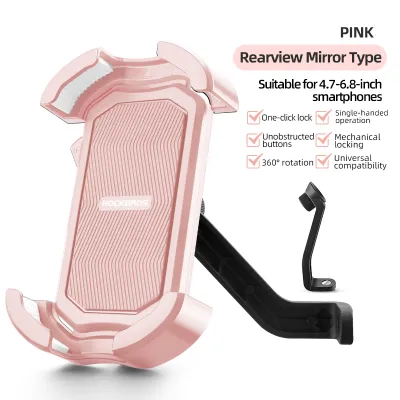
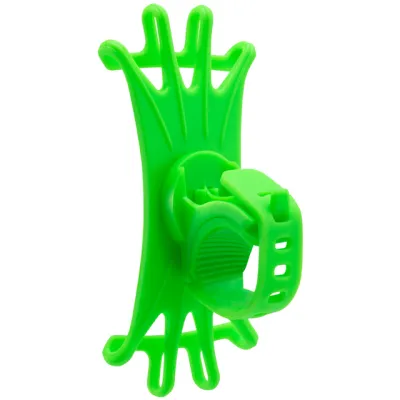
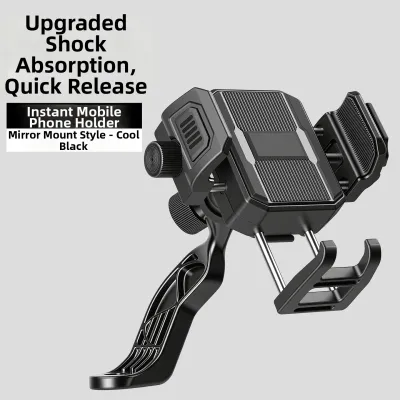
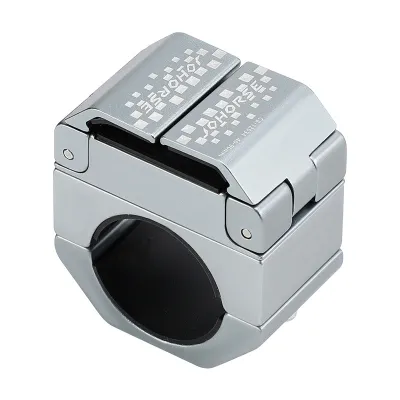
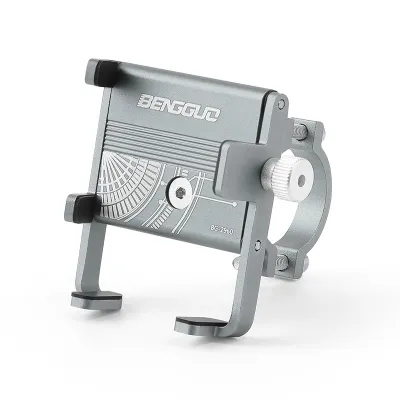
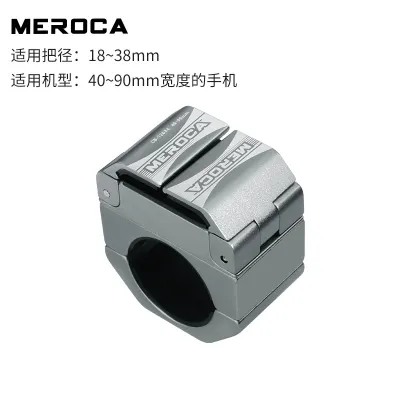
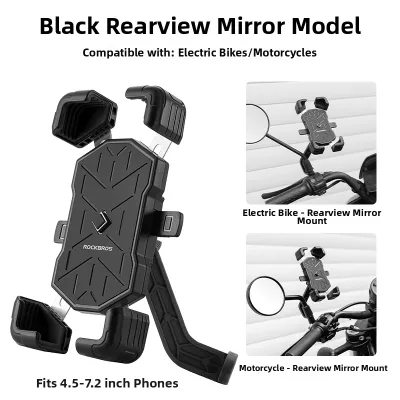
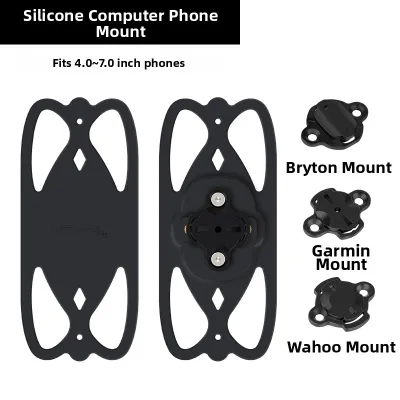
Prices are valid at publication and may change. Please refer to the product page for the latest price.
Additionally, the PCN is a highly social and practical transit corridor. Commuters often stop at park cafes, hawker centres, or MRT stations. In these scenarios, a mount must allow for rapid attachment and detachment. If you leave your bicycle locked up briefly to grab a drink, having a phone holder that either detaches instantly or features a discreet, secure profile reduces the risk of opportunistic theft.
Key Features to Look for in a PCN Mobile Phone Holder Bike Mount
Mounting Mechanism and Handlebar Compatibility
Before purchasing, verify that the mount fits your specific handlebars. Standard mountain bikes, hybrid commuter bikes, and folding bikes feature varying handlebar diameters, typically ranging from 22.2mm to 31.8mm. Shared bicycles available along the PCN often utilize proprietary, thicker handlebar designs that may not accommodate standard aftermarket clamps.

Mechanical clamps made of aluminum or high-grade polycarbonate offer the most rigid connection, using screws to lock onto the bar. Silicone strap mounts provide a flexible, universal fit that can stretch over non-standard bar shapes, making them highly versatile for riders who switch between personal and shared rental bikes. Always check the manufacturer’s specified clamping range and compare it to your handlebar’s diameter to ensure a secure, slip-free fit.
Weather Protection and Visibility
Singapore’s sudden weather shifts mean your mount must be prepared for torrential rain. If you plan to ride through the monsoon seasons, look for enclosed pouch mounts or dedicated waterproof cases. Do not rely on generic claims of water resistance; instead, check the product packaging or manufacturer documentation for verified Ingress Protection (IP) ratings, such as IPX6 or IPX7, which indicate resistance to high-pressure water sprays.
Visibility under the bright Singapore sun is another critical factor. Enclosed bag mounts often feature clear plastic windows that catch intense glare, making the screen unreadable. Look for mounts that include a built-in sun visor or allow you to adjust the tilt angle dynamically to deflect direct reflections. Ensure that any protective plastic layer retains high touch-screen sensitivity, allowing you to swipe or tap your navigation app without removing the phone from its protective enclosure.
Vibration Damping and Security
Modern smartphones are equipped with delicate optical image stabilization (OIS) systems in their cameras, which rely on tiny gyroscopes and magnetic actuators. Prolonged exposure to high-frequency vibrations from rough pavement or drainage grates can damage these mechanisms, leading to blurry photos or camera failure. To prevent this, look for premium mounting systems that offer optional or integrated vibration isolation modules. These modules use dampening silicone inserts to absorb road vibrations before they reach your device.
Physical security is equally vital to prevent your phone from ejecting on a sudden bump. High-quality mounts feature dual-stage locking mechanisms that require a deliberate physical action—such as pressing a lever while twisting—to release the phone. When mounting your device, always listen for an audible click or feel for a positive tactile engagement to verify that the locking mechanism is fully and securely closed.
Top Mobile Phone Holder Bike Mount Types for PCN Commuters
Hard Case with Mechanical Lock
For daily commuters and fitness cyclists who ride personal bikes, a hard case with a mechanical locking base offers the most streamlined and secure experience. These systems utilize a dedicated, slim phone case featuring a proprietary receptacle on the back that interfaces with a matching handlebar mount. Popular mechanical systems use a twist-and-lock or magnetic-mechanical push-to-click design, allowing you to mount or remove your phone with one hand in less than two seconds.
The primary benefit of this design is its absolute rigidity; there are no straps to stretch or bags to flutter, resulting in a completely rattle-free ride even over rough PCN transitions. However, this setup requires you to use the brand’s proprietary phone case as your daily case, which adds some bulk and aesthetic uniformity. Additionally, if you upgrade your phone model in the future, you will need to purchase a new compatible case to fit your existing handlebar mount.
Silicone Strap and Bag Mounts
Casual weekend riders and those who frequently use shared bikes on the PCN will find silicone strap mounts and waterproof bag mounts to be highly practical alternatives. Silicone web mounts feature flexible elastic bands that stretch around the four corners of almost any smartphone, holding it flat against a simple handlebar base. Because these mounts use stretch-to-fit bands, they are completely universal, accommodating various phone sizes and handlebar shapes without requiring a specific case.
Waterproof pouch mounts, on the other hand, feature a fully enclosed zippered bag that clamps to the handlebars. This design provides excellent protection against heavy tropical downpours, keeping your phone completely dry. The trade-offs for these flexible options include reduced touch responsiveness through thick pouch plastic and the tendency of sealed bags to trap heat, which can cause your phone to overheat and shut down during hot afternoon rides. Additionally, silicone straps are susceptible to UV degradation over time, requiring regular inspection for micro-tears.
Stem Cap and Out-Front Mounts
If you use the PCN for fitness training or long-distance endurance rides on a road, gravel, or hybrid bike, stem cap and out-front mounts offer a clean, aerodynamic cockpit. An out-front mount extends forward from the handlebars, positioning your phone directly in your line of sight. This setup reduces the distance you have to look down to check your route, helping you maintain a safer, more upright neck posture while riding at higher speeds.
Stem cap mounts replace the existing top cap of your bicycle’s headset stem, placing the phone directly over the center steering column. This keeps the handlebars uncluttered, leaving plenty of room for front lights, bells, and cycle computers. The limitation of these integrated mounts is their compatibility; they generally require standard threadless headset stems and are not suitable for folding bikes with proprietary folding stems, shared bikes, or handlebars with integrated, non-standard cable routing.
Installation and Setup Tips for a Secure Ride
Proper installation is just as important as choosing the right mount. Before purchasing, measure your handlebar’s diameter at the exact spot where you plan to install the clamp. You can do this accurately using digital calipers or by wrapping a flexible tape measure around the bar. If your mount includes rubber sizing shims, use them to achieve a tight, slip-free fit without over-tightening the mounting bolt.
Position the mount carefully to ensure it does not interfere with your bicycle’s control cables, brake levers, gear shifters, or your front safety light. A clear cockpit is essential for safety, especially when navigating the PCN at dusk or dawn when you need unobstructed access to your brakes and lights. Adjust the tilt angle of the mount so that the screen is angled slightly downward or away from the direct vertical path of the sun. This simple adjustment significantly reduces glare and prevents the screen from acting as a mirror reflecting the bright sky directly into your eyes.
Once installed, always perform a low-risk stationary shake test. Grab your bicycle’s handlebars and shake them vigorously while holding your hand closely underneath the phone to catch it in case of a failure. If the phone remains secure, conduct a short, slow test ride on a flat, quiet path before heading out onto the main PCN routes. If your bicycle features carbon fiber handlebars or a proprietary integrated stem, consult the manufacturer’s torque specifications before tightening any metal clamps. Overtightening a metal bolt on carbon fiber can crush the material, leading to catastrophic handlebar failure during a ride.
Maintaining Your Phone Mount in a Tropical Climate
Singapore’s high humidity and coastal air can accelerate wear on outdoor gear. To prolong the lifespan of your phone holder, establish a simple maintenance routine. After riding through rain, sweat, or dusty paths, wipe down the mount with a damp cloth and fresh water to remove salt and grit. Allow the mount to air dry completely in a shaded, well-ventilated area rather than leaving it parked in direct sunlight, as prolonged UV exposure can embrittle plastic and degrade silicone straps.
Regularly inspect all silicone bands, rubber pads, and plastic hinges for signs of wear, such as micro-cracks, discoloration, or a loss of elasticity. Replace any flexible components at the first sign of degradation to prevent sudden failure on the road. For mounts with metal hinges, springs, or locking pins, check periodically for surface rust or corrosion. If the mechanism feels stiff, apply a tiny drop of dry-film lubricant to the moving parts, ensuring you wipe away any excess to avoid attracting dirt or getting lubricant on the phone-gripping surfaces. If your mount features a waterproof pouch, clean the clear plastic window with a soft microfiber cloth to prevent scratches that can impair screen visibility.
Frequently Asked Questions (FAQ)
Can I use a standard phone mount on a folding bike?
Yes, but you must check the clearances carefully. Folding bikes often feature non-standard handlebar stems, narrower flat bars, and complex cable routing that can limit mounting space. When choosing a mount, ensure its clamping mechanism fits the specific diameter of your folding bike’s bars. Additionally, verify that the mount’s position does not interfere with the folding hinges or compress the brake cables when the bike is folded. Compact, quick-release mounts or stem-cap options are often the most practical choices for keeping the folding mechanism unobstructed.
Do I need a waterproof case if my phone is already water-resistant?
Yes, a dedicated waterproof case or pouch is highly recommended for cycling in heavy rain. While modern smartphones often carry water-resistance ratings (such as IP68), these tests are conducted under static, controlled laboratory conditions. When you are riding a bicycle through a tropical downpour, the combination of forward riding speed and wind creates dynamic water pressure that can easily force moisture past your phone’s seals. Furthermore, road spray from your front wheel can carry fine grit and acidic road grime that can damage charging ports and speaker grates. A protective pouch or waterproof mount shield provides an essential physical barrier against these dynamic forces.
Community discussion
Share your experience or ask a question. Comments are reviewed before publication.