
A truly multi-purpose air pump for home use in Singapore must balance pressure capability, volume output, and valve compatibility. For most households, the choice comes down to a high-quality manual floor pump equipped with an auto-selecting “smart head” or a portable, battery-powered digital electric inflator. These two options cover the vast majority of domestic inflation needs, from high-pressure bicycle tires to low-pressure sports balls and high-volume pool floats.
The primary trade-off lies in physical effort versus speed and volume. Manual floor pumps are exceptionally reliable, require no electrical power, and easily generate the high pressures needed for road and hybrid bicycles. However, using a manual pump to inflate large pool floats or air mattresses is physically demanding and time-consuming. Conversely, portable electric inflators offer hands-free convenience and high-volume air delivery, making them perfect for large inflatables and quick tire top-ups, though they require regular battery maintenance and are subject to electronic wear.
Key Specifications to Check Before Buying
To select an air pump that safely and efficiently services all your household gear, you must understand several critical technical specifications. Checking these parameters beforehand prevents damage to your equipment and ensures you do not purchase a tool ill-suited for your specific needs.
Products mentioned in this guide
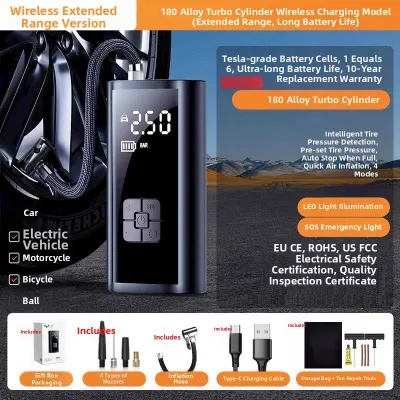
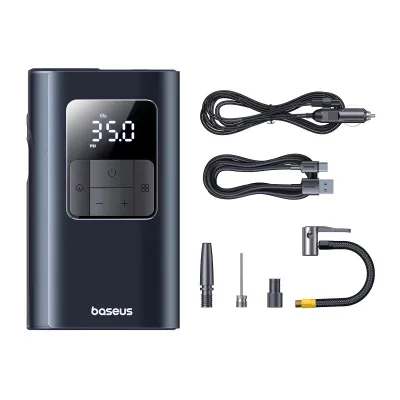
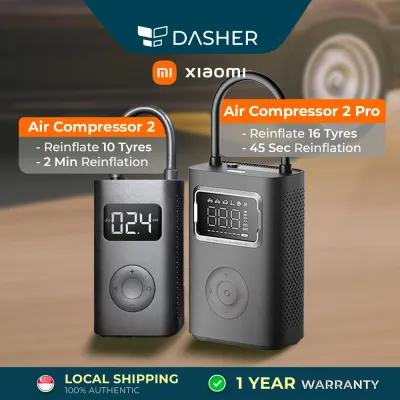
![[LH7W] Bike Air Pump Portable Bicycle Pump Hand Air Pumps with Schrader Valve for Bike Tires Balls Balloons](https://img.lazcdn.com/g/p/a25ed6b70dc7d6221dfcf03b31a98d23.jpg_400x400q80.jpg_.webp)
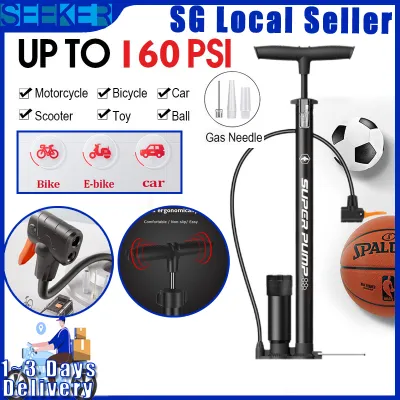
Prices are valid at publication and may change. Please refer to the product page for the latest price.
Valve Compatibility and Adapters The connection between the pump and the inflatable item is the most critical point of failure. Most household items utilize one of four standard valve types, and your chosen pump must accommodate them either natively or via included adapters.
- Schrader Valves: These are wide, threaded valves identical to those found on car tires. They are standard on mountain bikes, city hybrid bikes, children's bicycles, and some heavy-duty inflatable kayaks.
- Presta Valves: These are narrower, taller valves with a small locking nut at the top. They are standard on road bicycles, gravel bikes, and high-performance racing gear. Because they operate under higher pressures, they require a precise, airtight seal.
- Needle Valves: These are thin, hollow metal needles used exclusively for inflating sports balls, such as basketballs, footballs, netballs, and rugby balls.
- Wide Plastic Cone Adapters: These are tapered plastic nozzles designed to press fit into the simple rubber or plastic pinch valves found on pool floats, beach balls, and air mattresses.
Pressure (PSI) vs. Volume (L/min) Inflation tasks generally fall into two distinct physical categories: high-pressure/low-volume or low-pressure/high-volume. Understanding this distinction is vital to avoid damaging your gear or burning out your pump’s motor.
- High-Pressure, Low-Volume: Bicycle tires, especially road bikes, require high pressure (often 80 to 110 PSI) but contain a relatively small volume of air. To reach these pressures safely, the pump must have a narrow piston chamber (in manual pumps) or a high-torque motor (in electric pumps).
- Low-Pressure, High-Volume: Large pool floats, inflatable pools, and air mattresses require a massive volume of air but operate at extremely low pressures, typically under 2 PSI. Using a high-pressure bicycle pump for these items is highly inefficient; the narrow airflow passage means it will take hundreds of strokes or cause an electric motor to overheat. Conversely, a high-volume pump designed for air mattresses cannot generate the pressure required to inflate a bicycle tire.
Power Source Trade-offs Choosing between manual and electric power sources involves weighing long-term reliability against immediate convenience. Manual pumps rely entirely on physical effort, meaning they are always ready for use, require no battery charging, and have no electronic components that can fail due to Singapore’s high humidity. Electric pumps, powered by rechargeable lithium-ion batteries, offer digital convenience, automatic pressure shutoff, and effortless inflation, but they require regular charging cycles and their batteries will naturally degrade over several years.
Build Quality and Storage Footprint For residents living in Singapore’s HDB flats or condominiums, storage space is a premium consideration. A multi-purpose pump should be compact enough to fit into a utility closet, shoe cabinet, or bomb shelter without cluttering the home. For manual floor pumps, look for models with a heavy, stable base made of steel or cast iron rather than light plastic, which can tip over during use. The hose should be made of thick, flexible rubber that resists kinking, and the pump should feature integrated storage clips to keep the hose and various nozzle adapters organized and prevent them from getting lost.
Best Types of Multi-Purpose Pumps for Home Use
Different pump designs excel at different tasks. To help you decide which style fits your household’s physical capabilities and storage constraints, we analyze the three most effective form factors for multi-purpose home use.

Smart-Head Floor Pumps (Manual)
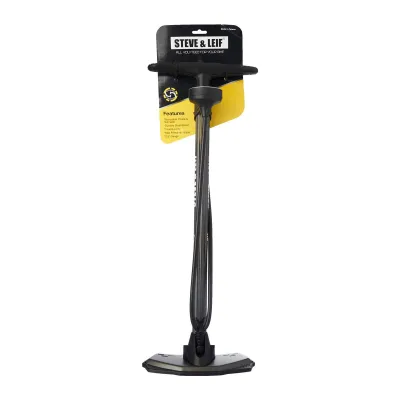
Manual floor pumps remain the gold standard for bicycle enthusiasts and households prioritizing long-term durability. Modern floor pumps often feature a “smart head” or “auto-select head” that automatically adjusts to fit both Schrader and Presta valves without requiring you to disassemble the nozzle to flip internal rubber seals. This eliminates a major pain point for families with a mix of road bikes, mountain bikes, and children’s toys.
These pumps are highly efficient for high-pressure tasks. Because you use your body weight to push down on a wide T-handle, generating 80 to 100 PSI requires minimal physical strain compared to using a hand pump. They also feature large, highly visible analog pressure gauges mounted either at the base or high up on the barrel, allowing you to monitor pressure levels in real-time.
The primary limitation of a manual floor pump is high-volume inflation. While it is excellent for topping up bicycle tires and inflating basketballs in seconds, using it to inflate a large family pool float or a double-sized air mattress is an exhausting physical workout. The narrow air chamber is optimized for pressure rather than volume, meaning you will need to pump continuously for ten to fifteen minutes to fill a large inflatable, which can be highly impractical.
Portable Electric Inflators (Battery-Powered)
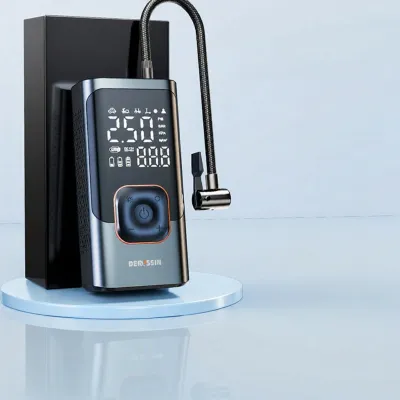
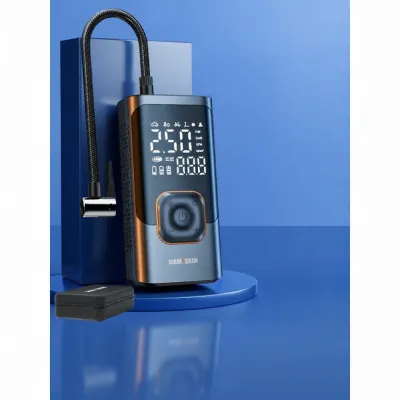
Portable electric inflators have become increasingly popular due to their compact size and hands-free operation. These devices are typically powered by rechargeable lithium-ion batteries and feature digital screens where you can select preset pressure levels for bicycles, motorbikes, cars, and sports balls. Once connected, the pump inflates the item to the exact preset and automatically shuts off, eliminating the risk of over-inflation.
These cordless devices are highly versatile. They easily fit into a backpack or a bicycle frame bag, making them convenient to carry for outdoor activities at East Coast Park or Sentosa. They come equipped with a variety of screw-on or clamp-on adapters, allowing you to switch from a Presta bike valve to a sports ball needle or a plastic float nozzle in seconds.
However, battery-powered inflators have distinct limitations. Their internal motors generate significant heat during operation, meaning they usually require a cooling-off period after ten minutes of continuous use. Inflating a large, high-volume pool float from scratch can drain a significant portion of the battery and strain the motor. Furthermore, lithium-ion batteries require active maintenance; if stored completely empty or exposed to high ambient temperatures, the battery capacity will degrade rapidly, rendering the device unusable.
Dual-Action Hand or Foot Pumps
For casual users who only need to inflate sports balls, small pool toys, or camping gear occasionally, dual-action hand pumps or foot-operated pumps offer a compact and budget-friendly alternative. A dual-action hand pump is designed to push air into the inflatable on both the push and the pull strokes, effectively doubling the inflation speed and reducing the time spent pumping.
Foot pumps utilize a spring-loaded pedal mechanism, allowing you to use your leg muscles rather than your arms to generate pressure. These pumps are highly portable and take up very little storage space, easily sliding into a drawer or a gym bag. They are excellent for quick setups of soccer balls, basketballs, and small inflatable cushions.
The trade-off with these compact pumps is their physical and mechanical limits. Foot pumps can be unstable on smooth tiled floors common in Singaporean homes, requiring you to carefully balance on one foot while pumping to prevent the device from slipping. Hand pumps require continuous manual effort and lack the leverage of floor pumps. Additionally, both styles generally have lower maximum pressure limits, typically capping out around 40 to 50 PSI, which makes them completely unsuitable for high-pressure road bicycle tires.
How to Match Your Pump to Bikes, Balls, and Inflatables
To avoid damaging your recreational gear, you must match the pump’s output and your inflation technique to the specific requirements of each item. Under-inflation leads to poor performance and physical damage, while over-inflation can cause catastrophic failures.
Bicycles
Bicycle tires vary widely in their pressure and volume requirements. Road bicycles utilize narrow tires that operate at high pressures (typically 80 to 110 PSI) to minimize rolling resistance and protect the rims from impact damage. Mountain bikes and city hybrid bikes use wider tires that require lower pressures (typically 30 to 50 PSI) but contain a larger volume of air.
Before inflating, always check the tire sidewall, where the manufacturer prints the recommended PSI range. Use an accurate pressure gauge to monitor the inflation process. Under-inflating a bicycle tire increases the risk of “pinch flats” (where the inner tube is pinched between the rim and the ground when riding over a bump) and causes sluggish handling. Over-inflating can stretch the tire casing, damage the wheel rim, or cause a sudden, dangerous blowout while riding.
Sports Balls
Sports balls, including basketballs, footballs, soccer balls, and netballs, require very low pressure, typically ranging between 8 and 12 PSI. The correct pressure is usually stamped directly onto the ball’s surface near the inflation valve.
When inflating sports balls, always use a dedicated metal needle valve. It is critical to lubricate the needle with a drop of silicone oil, glycerin, or even water before gently inserting it into the ball’s rubber valve. Inserting a dry needle can tear the internal rubber valve or push the valve housing entirely inside the ball, causing permanent, unrepairable air leaks. Never inflate a sports ball until it is rock-hard; it should have a slight amount of give when squeezed firmly, ensuring optimal bounce and preventing the seams from splitting.
Pool Floats and Inflatables
Large inflatables, such as pool floats, inflatable pools, and air mattresses, are constructed from vinyl, PVC, or TPU materials. These items are designed to hold a large volume of air at extremely low pressure, typically less than 2 PSI.
To inflate these items safely, use a wide plastic cone adapter that fits snugly into the item’s wide-mouth valve. This allows maximum airflow to enter the chamber quickly. Never attempt to use a high-pressure metal needle or a narrow bicycle pump head directly, as the concentrated, high-pressure stream can puncture the delicate material or tear the valve stem away from the main body. Stop inflating when the item is fully formed and the major wrinkles along the seams have smoothed out; the inflatable should feel firm but still yield slightly to a firm squeeze. Over-inflation, combined with exposure to the hot Singapore sun, will cause the air inside to expand, leading to ruptured seams.
Maintenance and Safety Tips for Long-Term Use
Proper maintenance and adherence to safety guidelines will significantly extend the lifespan of your air pump and ensure safe operation in a home environment.
Manual Pump Care
Manual floor and foot pumps require minimal but regular maintenance to perform optimally. Once a year, unscrew the top cap of the main cylinder barrel and apply a thin layer of silicone grease or light machine oil to the internal plunger O-ring. This keeps the seal airtight and ensures smooth pumping action. Periodically inspect the rubber hose for micro-cracks, stiffness, or dry rot, which can develop over time due to Singapore’s humid climate. Keep the pump head’s internal rubber gaskets clean and free of dirt, sand, or grit that could prevent a proper seal on tire valves.
Electric Pump Battery Care
Rechargeable electric pumps require careful battery management to prevent premature failure. Store the pump with a battery charge level of approximately 50% to 70% if you do not plan to use it for several weeks; storing a lithium-ion battery completely empty or fully charged for long periods accelerates capacity loss. Avoid storing the device in areas exposed to extreme heat, such as sun-drenched balconies, metal utility boxes, or inside a car parked outdoors. High temperatures can cause the battery to degrade rapidly or even present a thermal safety hazard. Charge the battery at least once every three to six months to maintain cell health.
Safety Boundaries
Always prioritize safety by checking the manufacturer’s instructions for both the pump and the item you are inflating. Never exceed the maximum PSI rating printed on the item’s label. Do not rely solely on the pump’s maximum pressure capability; instead, monitor the physical rigidity of the item as it inflates. If the manufacturer’s instructions conflict with your pump’s settings, or if the item is unidentified and lacks clear pressure markings, stop inflating immediately and consult a professional or contact the manufacturer directly to prevent damage or injury.
Frequently Asked Questions (FAQ)
Can I use a car tire inflator for my bicycle and pool floats?
While some high-power car tire inflators can reach the pressures required for bicycle tires, they are designed specifically for high-pressure, low-volume output. Using them on delicate bicycle tires carries a high risk of over-inflation and blowing the tire off the rim if not monitored with extreme care. For large pool floats, car inflators are highly inefficient because their narrow hoses and low volume flow rate (measured in liters per minute) make the inflation process incredibly slow, and they rarely include the wide plastic adapters required for utility valves.
How do I know if my air pump gauge is accurate?
Analog pressure gauges can drift or lose calibration over time due to physical impacts or wear. To verify your pump’s accuracy, cross-reference its reading with a standalone, high-quality digital pressure gauge. If the pump’s dial sticks, fails to return to zero when disconnected, or shows visible moisture or condensation behind the glass face—a common issue in humid tropical climates—the gauge is likely compromised and should be repaired or replaced.
Is a manual or electric pump better for Singapore's climate?
Singapore’s high relative humidity and ambient heat present unique challenges for both pump types. Electric pumps contain lithium-ion batteries and electronic circuit boards that are highly sensitive to moisture and heat; storing them in non-air-conditioned spaces like outdoor service yards or balconies can lead to rapid battery degradation or corrosion. Manual pumps are more resilient but are prone to rust on steel shafts and bases if exposed to damp utility areas. To maximize lifespan, store both types of pumps indoors in a dry, climate-controlled environment, and periodically wipe down metal shafts with a light protective oil.
Community discussion
Share your experience or ask a question. Comments are reviewed before publication.