
Quick Answer: Is There a Single Best Non-Slip Yoga Mat?
No single brand or model holds a monopoly on the title of the absolute best yoga mat non slip solution. Slip resistance is not a static feature; it is an active relationship between the mat’s material, its thickness, the level of moisture present, and your specific practice style.
While premium brands design excellent mats, their performance varies significantly across different thicknesses and environments. For instance, a thin, open-cell polyurethane (PU) mat excels in high-sweat environments like hot yoga by absorbing moisture to maintain traction. Conversely, a thicker, textured natural rubber or closed-cell polyvinyl chloride (PVC) mat is better suited for slower, dry restorative practices where joint cushioning is the priority and dynamic sliding is less of a risk. To find your ideal match, you must look past the brand logo and evaluate the physical properties of the mat’s materials and thickness.
How Thickness Affects Grip and Stability
Thickness is often discussed in terms of comfort, but it has a direct, mechanical impact on your grip, balance, and overall stability. When you press your hands and feet into a mat, the material compresses. This compression alters your center of gravity and the feedback your joints receive from the floor.
Products mentioned in this guide
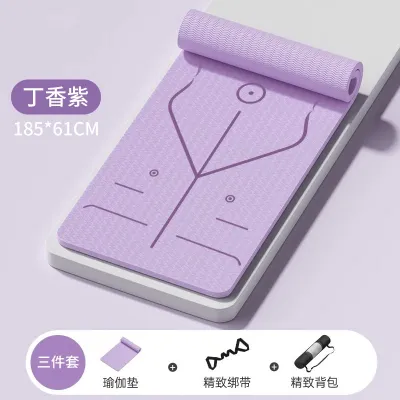
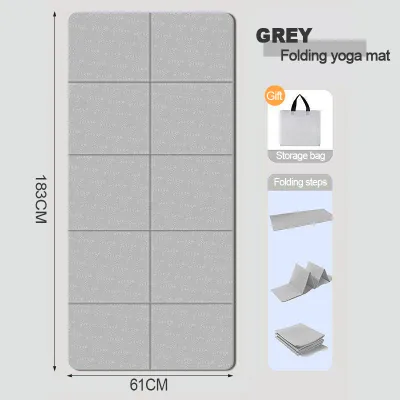
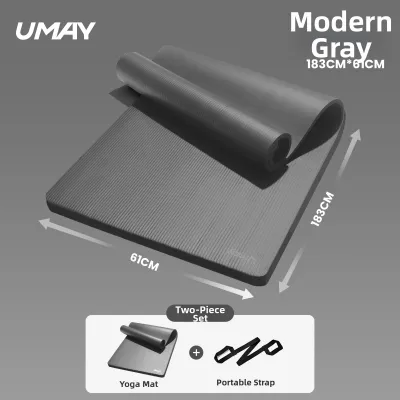
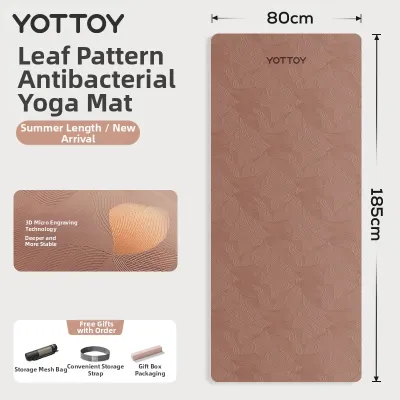
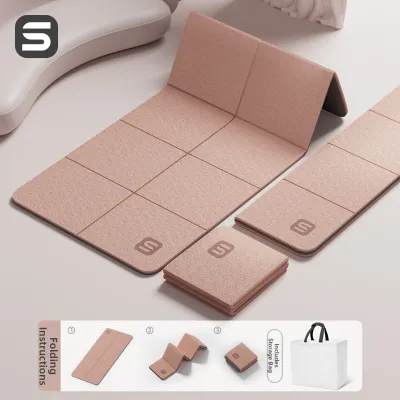
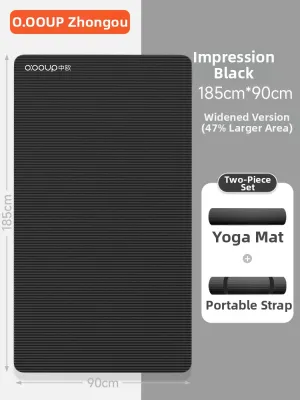
Prices are valid at publication and may change. Please refer to the product page for the latest price.

Thin Mats (1mm – 3mm)
Thin mats, often categorized as travel mats, prioritize ground connection and portability. Because there is minimal cushioning material to compress, your hands and feet remain in close contact with the hard floor beneath. This lack of lateral shifting makes thin mats exceptionally stable for standing balance poses like Warrior III or Tree Pose.
However, because there is virtually no foam to sink into, the slip resistance of a thin mat depends entirely on its surface material. If the surface lacks inherent traction, you will feel the slide immediately. These mats are highly portable and easy to roll or fold into a travel bag, making them a popular choice for practitioners on the go or those who prefer to layer their own hygienic surface over a studio-provided mat.
Standard Mats (4mm – 5mm)
The 4mm to 5mm range is widely considered the industry standard because it strikes a practical balance between joint cushioning and sensory feedback. These mats provide enough density to protect sensitive knees and elbows during floor postures while remaining stable enough for active transitions.
Grip dynamics in this category depend heavily on the rate of foam compression. If the mat is made of low-density foam that collapses easily under weight, your hands and feet may slide laterally during dynamic movements like Downward-Facing Dog. High-quality standard mats use dense natural rubber or structured synthetic blends that resist excessive compression, ensuring your foundation remains firm and secure during active Vinyasa flows.
Thick Mats (6mm and above)
Thick mats, measuring 6mm or more, offer maximum impact absorption and joint protection. They are highly favored by practitioners with sensitive joints, injuries, or those who primarily engage in Yin, Restorative, or Pilates-based movements.
However, this extra cushioning introduces a significant trade-off in terms of stability and grip. The thick, soft foam can create a “squishy” feeling underfoot, which forces the stabilizing muscles in your ankles and wrists to work harder to maintain balance. Furthermore, while the top surface may feel secure, a thick mat’s overall weight and bulk can cause the entire mat to slide on polished studio floors if the bottom base lacks a high-traction, textured grip.
Material vs. Brand: What Actually Determines Yoga Mat Non Slip Performance?
Many consumers assume that purchasing a premium brand guarantees a slip-free experience. In reality, a brand’s marketing cannot override basic material science. The true driver of a yoga mat non slip surface is the combination of its raw materials, cell structure, and surface texture.
Polyurethane (PU) and Open-Cell Materials
Polyurethane (PU) combined with an open-cell structure represents the gold standard for wet grip. Open-cell materials contain microscopic pores that act like a sponge, drawing moisture and sweat away from the surface. This prevents a slick barrier of water from forming between your skin and the mat.
If you practice in warm, humid climates like Singapore, or frequently attend hot yoga sessions, an open-cell PU mat offers exceptional traction even when wet. The primary trade-off is durability and maintenance; because these mats absorb sweat, oils, and dirt, they require regular, careful cleaning to prevent bacterial growth and material degradation over time.
Natural Rubber
Natural rubber is harvested from rubber trees and offers an inherently high-traction, dry grip. It provides a dense, supportive feel and excellent floor adhesion, ensuring the mat does not bunch up or slide during practice.
Natural rubber mats perform exceptionally well in dry to moderately sweaty conditions. However, they are significantly heavier than synthetic alternatives, which can make commuting to a studio more taxing. Additionally, because they are made from natural latex, individuals with latex sensitivities must avoid them entirely. They also carry a distinct, earthy smell when new, which gradually dissipates with ventilation.
Closed-Cell PVC and TPE
Polyvinyl Chloride (PVC) and Thermoplastic Elastomer (TPE) are popular closed-cell materials. Closed-cell construction means the surface is completely sealed; it does not absorb moisture, sweat, or oils. This makes these mats highly hygienic, incredibly durable, and easy to sanitize.
The major drawback of closed-cell mats is their wet grip. When you sweat, the moisture pools on top of the sealed surface, creating a slippery film. To maintain traction on a closed-cell PVC or TPE mat during a sweaty practice, you must pair it with a specialized microfiber yoga towel. Without a towel, your hands and feet will struggle to find purchase.
Cork
Cork mats feature a natural cork veneer laminated to a rubber or TPE base. Cork contains a natural waxy substance called suberin, which actually becomes grippier when exposed to moisture.
This unique property makes cork mats an excellent choice for practitioners who sweat moderately. If your hands are completely dry, a cork mat can feel somewhat slick initially; many users lightly mist their hands or the top of the mat with water before starting their practice to activate the grip. Cork is also naturally antimicrobial, though it requires gentle handling to prevent the surface from cracking over time.
Comparing Yoga Mat Profiles Across Thickness Categories
To help you navigate the market, we have broken down how different thickness and material combinations perform under real-world conditions. Understanding these profiles allows you to match your mat to your specific physical needs, practice environment, and carrying preferences.
Travel and Thin Mats (1mm – 3mm)
Thin mats are designed for maximum portability and ground feedback. In this category, natural rubber and thin PU overlays dominate the non-slip market.
- Primary Use Case: Travel, outdoor practice, or as a hygienic topper over studio mats.
- Grip Profile: Extremely high dry grip due to the dense rubber base. If using an open-cell PU travel mat, wet grip is also excellent.
- Stability: Outstanding. Because your feet are virtually flat on the floor, there is zero lateral wobble, making this the safest category for advanced balance postures.
- Limitations: Minimal joint protection. Practicing on a 1.5mm mat on a hard tile or concrete floor can cause discomfort in kneeling poses like Anjaneyasana (Low Lunge). You may need to fold the mat over or slide a blanket under your knees for support.
- Carrying Method: Highly convenient. Many 1mm to 2mm mats can be folded into a neat square and placed inside a standard backpack or tote bag, making them ideal for commuting on public transit in Singapore.
Everyday Standard Mats (4mm – 5mm)
This is the most versatile category, serving as the daily driver for the vast majority of yoga practitioners.
- Primary Use Case: Vinyasa flow, Hatha, Ashtanga, and general studio classes.
- Grip Profile: Highly variable depending on the material. Open-cell PU surfaces in this thickness offer the most reliable "sticky" grip for both dry and wet hands. Natural rubber options provide a solid, dry grip but can become slick under heavy sweat unless textured.
- Stability: Balanced. The dense core provides a stable foundation that compresses just enough to cushion bony prominences without compromising your balance during standing sequences.
- Limitations: Closed-cell PVC models in this thickness will require a companion towel if you sweat easily, as moisture will pool on the surface.
- Carrying Method: Moderately portable. These mats are typically rolled and carried using a shoulder strap or a dedicated mat bag. Natural rubber models in this thickness can weigh upwards of 2.5kg to 3kg, which is worth considering if you walk long distances to your studio.
Restorative and Thick Mats (6mm and above)
Thick mats prioritize comfort and joint protection above all else, making them a specialized choice for specific styles of practice.
- Primary Use Case: Yin yoga, Restorative yoga, Pilates, and therapeutic or rehabilitative practices.
- Grip Profile: Surface grip is often textured (such as ribbed or cross-hatched patterns) to compensate for the synthetic closed-cell materials (like TPE or thick PVC) commonly used in this category.
- Stability: Reduced. The thick, plush foam compresses significantly under weight. While comfortable for your joints, this compression makes standing balance poses much more challenging, as your feet sink into the material.
- Limitations: The high level of compression can place strain on the wrists during extended weight-bearing poses like Plank or Downward Dog, as the hand sinks while the wrist joints are pushed into a deeper angle. Additionally, ensure the bottom of the mat has a high-traction pattern to prevent the entire mat from sliding across polished floors.
- Carrying Method: Bulky and heavy. These mats are best suited for home use or dedicated studio spaces where they do not need to be transported frequently.
How to Verify Non-Slip Claims Before and After Purchase
With almost every brand claiming to offer the ultimate non-slip experience, it is crucial to know how to cut through the marketing copy and verify these claims independently.
Pre-Purchase Verification
Before making an investment—which can range from S$50 for basic synthetic mats to over S$150 for premium natural rubber or PU models—always read the product specifications carefully.
- Check the Cell Structure: Look explicitly for "open-cell" if you need wet grip for sweaty practices, or "closed-cell" if you prioritize easy cleaning and durability for dry practices.
- Examine Texture Close-ups: Look for physical texturing on the surface. A completely smooth synthetic mat is highly likely to become slippery when wet, whereas a textured pattern helps channel moisture away and provides mechanical traction.
- Read User Feedback for Specific Conditions: Search online reviews specifically for terms like "sweat," "hot yoga," or "humidity." This is particularly important for practitioners in tropical climates like Singapore, where ambient humidity can affect how quickly moisture evaporates from the mat's surface.
At-Home Testing Protocols
Once your mat arrives, perform these safe, reversible checks on a clean, dry floor before taking it to a class.
- The Downward Dog Test: Set up the mat on your floor. Enter Downward-Facing Dog and hold the pose for 30 seconds. Pay close attention to whether your hands or feet begin to creep outward.
- The Moisture Simulation: Lightly mist your hands with water and repeat the Downward Dog test. This simulates sweat and will immediately reveal whether the mat maintains its traction (typical of open-cell PU or cork) or becomes a slip hazard (typical of untextured closed-cell TPE or PVC).
- The Base Traction Check: Step onto the very edge of the mat and push laterally with your foot. The bottom of the mat must grip the floor securely without shifting, bunching, or sliding. If the base slides on your home floor, it will likely do the same on a polished studio floor.
Maintenance and the Break-In Period
Many high-quality mats, particularly those made of natural rubber or premium PVC, arrive with a thin layer of factory residue or release agent left over from the manufacturing process. This film can make a brand-new mat feel surprisingly slippery.
Always consult the manufacturer’s care instructions before attempting to clean or break in your mat. Some brands recommend a gentle wipe-down with a damp cloth, while others may suggest a mild, diluted dish soap solution. Never use harsh household chemicals, bleach, or heavy essential oils, as these can permanently clog the pores of open-cell mats, degrade natural rubber, and ruin the inherent grip of the material.
Decision Framework: Choosing Your Ideal Non-Slip Mat
To simplify your decision, use this conditional framework to match your practice style, physical needs, and environmental conditions to the correct mat profile.
- Choose a Thin Mat (1mm – 3mm) with an Open-Cell PU or Natural Rubber Surface if: You practice hot yoga, power Vinyasa, or sweat heavily; you prioritize ground connection, stability, and precise balance; and you commute frequently, travel, or want a lightweight topper for studio-provided mats. Limit: Avoid if you have chronic knee or wrist pain, unless you are prepared to use additional padding like a yoga blanket.
- Choose a Standard Mat (4mm – 5mm) with a Dense Rubber or High-Traction Synthetic Core if: You want a versatile, all-purpose mat for daily practice at home and in the studio; you require a balance of joint cushioning and standing stability; and you practice a mix of dynamic flows (Ashtanga, Vinyasa) and static holds (Hatha). Limit: If choosing a closed-cell model for hygiene, remember to keep a microfiber towel handy for sweaty sessions.
- Choose a Thick Mat (6mm and above) with a Textured Surface and High-Traction Base if: Your practice consists primarily of floor-based, slow-paced styles like Yin, Restorative, or gentle therapy; you have sensitive joints, knees, or wrists that require maximum impact absorption; and you primarily practice at home and do not need to carry a heavy, bulky mat on your daily commute. Limit: Be prepared for a slight reduction in stability during standing balance poses, and step off the mat onto the floor if necessary to find your footing.
Critical Material Checks Before Buying
- Latex Allergies: If you have a known latex allergy, completely avoid natural rubber mats. Opt for high-quality TPE or specialized PU mats instead.
- Vegan Preferences: While most synthetic mats are vegan, always verify with the manufacturer that the adhesives and processing agents used do not contain animal-derived components.
Frequently Asked Questions (FAQ)
Why is my new yoga mat slippery?
New yoga mats often have a microscopic film of factory residue or release agent left over from manufacturing. This film acts as a barrier to traction. To resolve this, check the manufacturer’s specific care instructions; most recommend wiping the surface with a damp cloth or a very mild, diluted soap solution, then allowing it to air dry completely before your first practice.
Do I need a yoga towel if my mat is non-slip?
It depends on your mat’s material cell structure. If you use an open-cell PU or natural rubber mat, the material naturally absorbs moisture or provides enough inherent traction to keep you stable without a towel. However, if you use a closed-cell PVC or TPE mat, sweat will pool on the surface, making a microfiber yoga towel essential to absorb moisture and prevent slipping.
How do I clean a non-slip yoga mat without ruining the grip?
To preserve the grip, avoid harsh chemical cleaners, bleach, and heavy essential oils, which can clog open-cell pores or degrade natural rubber. Clean the mat using a soft cloth dampened with water and a tiny drop of mild dish soap, or use a manufacturer-approved mat wash. Always hang the mat to air dry completely out of direct sunlight, as UV rays can break down natural materials rapidly.
Community discussion
Share your experience or ask a question. Comments are reviewed before publication.