
Setting up a home gym in a Singapore HDB flat requires a smart approach to spatial design. Because space is at a premium, choosing the right fitness gear is the difference between a highly functional workout zone and a cluttered, unusable living room. If you are looking to integrate onetwofit equipment into your home, the key is prioritizing multi-functional, foldable, and low-profile designs. By selecting gear like adjustable dumbbells, folding utility benches, compact squat stands, and slim walking pads, you can build a highly effective fitness routine without sacrificing your valuable living area.
To make this setup work, you must balance your fitness goals with the physical realities of your flat. This guide outlines how to assess your space, choose the most space-efficient equipment categories, and plan your layout for safe, distraction-free workouts.
Assessing Your HDB Space Constraints for a Home Gym
Typical Singapore HDB flats, especially newer Build-To-Order (BTO) units, present distinct spatial challenges. Master bedrooms and common rooms often measure around 9 to 11 square meters, while living areas must accommodate dining tables, sofas, and television consoles. Dedicating a permanent, unyielding footprint to bulky gym machines is rarely practical. Instead, home fitness enthusiasts must design dynamic spaces where workout equipment can be quickly deployed and easily stowed away.
Products mentioned in this guide
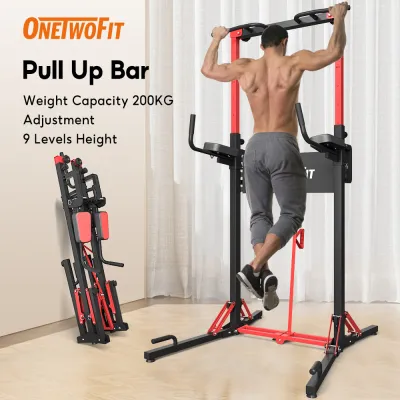
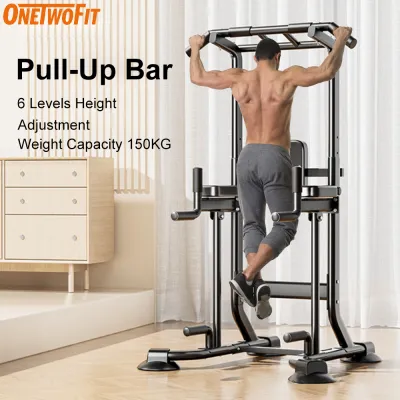
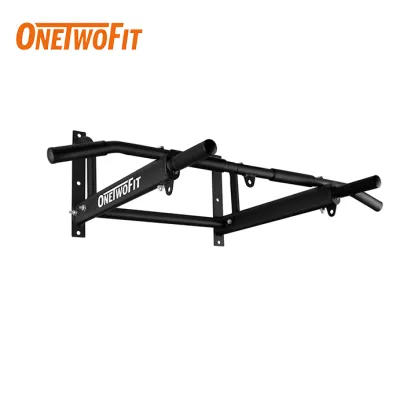
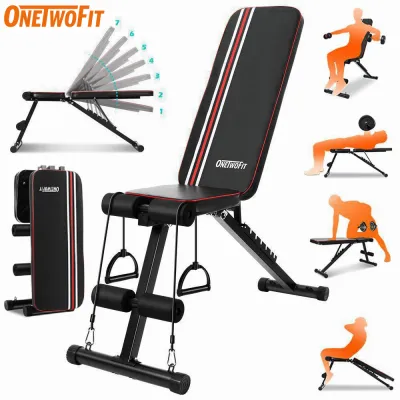
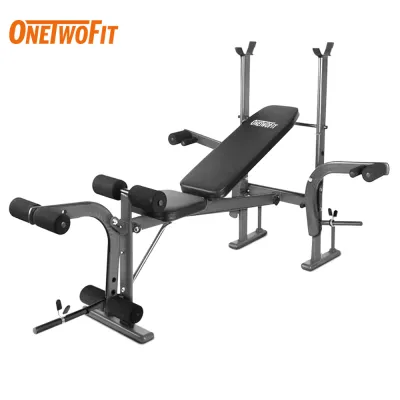
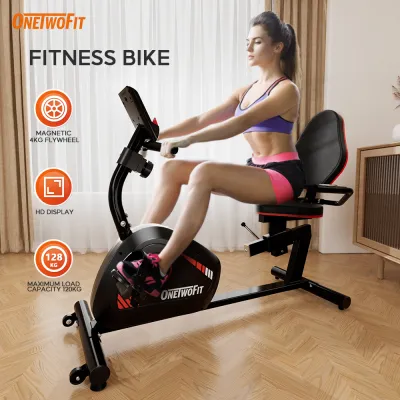
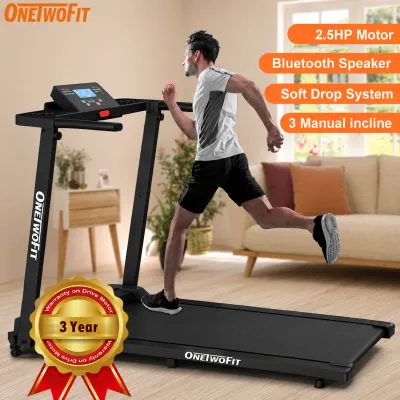
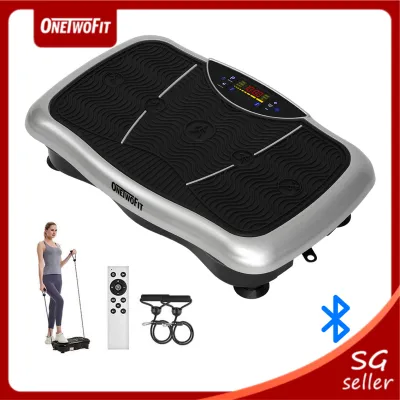
Prices are valid at publication and may change. Please refer to the product page for the latest price.
Physical dimensions are the first hard constraint you will encounter. Standard HDB ceiling heights typically range from 2.6 to 2.8 meters. While this is sufficient for daily living, it restricts overhead exercises like pull-ups, clean and presses, or standing overhead dumbbell presses. If you are tall, your hands or the equipment can easily strike the ceiling or light fixtures. Additionally, internal door widths—often measuring between 80 and 90 centimeters—can make moving pre-assembled, rigid equipment between rooms highly difficult.
Beyond physical dimensions, structural and communal factors must guide your setup. HDB floors are designed to support standard residential live loads, typically rated at 1.5 kilonewtons per square meter (kN/m²), which translates to roughly 150 kilograms per square meter. While this is adequate for typical furniture, a heavy squat rack combined with a loaded barbell and your body weight can concentrate a significant point load on a small surface area. Furthermore, concrete structures are highly efficient transmitters of impact noise. The vibration from a running treadmill or the clatter of a set of dumbbells can easily travel down to your neighbors, making noise mitigation a critical part of your planning.
Best Space-Saving OneTwoFit Equipment Categories for Compact Flats
When selecting onetwofit equipment, focus on items designed specifically to minimize their physical footprint when idle. The brand offers several categories of gear that deliver high training versatility relative to the space they occupy.

Foldable Power Racks and Squat Stands
For strength training enthusiasts, a squat stand is the centerpiece of a home gym. Traditional four-post power cages are generally too large and heavy for standard HDB bedrooms. Foldable squat stands or wall-mounted folding racks from onetwofit offer a practical alternative. These systems feature hinge mechanisms or space-saving bases that allow the uprights to fold inward or roll away against the wall when your workout is complete.
Before purchasing, always check the manufacturer’s product label for specific dimensions. Pay close attention to the folded depth—the distance the rack protrudes from the wall when stowed—and the maximum weight capacity. You must also verify that your floor space can accommodate the wide base legs required for lateral stability during heavy lifts.
Safety is paramount when installing any load-bearing strength equipment. Wall-mounted folding rigs must be anchored into solid, structural concrete walls. Never attempt to mount a heavy squat rack or pull-up rig to non-structural partition walls, drywall, or hollow bricks. These materials cannot support dynamic physical loads and will fail, risking catastrophic injury and structural damage to your home.
Adjustable Dumbbells and Compact Benches
If you want to maximize your exercise variety while minimizing clutter, a pair of adjustable dumbbells is one of the most efficient investments you can make. A traditional set of fixed dumbbells requires a massive, heavy multi-tier rack to hold weights ranging from 2 kg to 24 kg. Adjustable dumbbells consolidate this entire weight range into a single pair of handles that sit in compact storage cradles, taking up no more space than a shoebox.
To complement your dumbbells, select a foldable utility bench. Look for models that can fold completely flat or stand vertically on their end. When folded, these benches can easily slide under a standard bed frame or stand upright inside a utility closet, leaving your floor completely clear during the day.
Before buying, measure your intended storage gap and cross-reference it with the bench’s folded height and the dumbbell cradle’s physical footprint. Ensure the locking mechanisms on the adjustable dumbbells are robust and that you always return the weights securely to their cradles to prevent accidental rolling or toe injuries.
Foldable Cardio Machines and Walking Pads
Cardiovascular equipment is notoriously bulky, but modern designs have made indoor cardio highly accessible for small spaces. If you prefer running or walking, you must choose between a traditional foldable treadmill and a low-profile walking pad. Walking pads are ultra-slim, often lack bulky handrails, and can be folded in half to slide directly under a sofa or bed. Foldable treadmills offer higher speed limits and sturdier frames but require more vertical or horizontal storage space.
When evaluating these machines, you must verify both the active footprint and the folded footprint. The active footprint is the total space required to operate the machine safely, which includes a mandatory safety clearance zone behind the treadmill belt in case of slips or falls. The folded footprint is the space occupied during storage.
Always check the height of the machine when folded. If you plan to lean a foldable treadmill vertically against a wall, ensure it features a reliable locking pin and is positioned away from high-traffic walkways where children or pets could accidentally knock it over.
How to Measure and Plan Your HDB Workout Zone
A successful home gym setup relies on accurate spatial planning. The most common error is conflating “storage footprint” with “active footprint.” The storage footprint is simply where the equipment sits when it is not in use. The active footprint is the dynamic three-dimensional space required to perform exercises safely and with a full range of motion.
To map out your active workout zone, use this step-by-step measuring checklist:
- Ceiling Clearance: Stand in your designated workout area and extend your arms fully overhead. Measure the distance from your fingertips to the ceiling. You must ensure sufficient clearance for exercises like pull-ups (where your head must clear the bar) and overhead dumbbell presses. Always factor in the height of your fitness bench or squat stand base.
- Lateral Clearance: Extend both arms straight out to your sides. You need at least 30 to 50 centimeters of clear space beyond your fingertips on both sides. This buffer prevents you from striking walls, glass sliding doors, or furniture when performing lateral raises, dumbbell flyes, or wide-grip barbell movements.
- Rear and Front Clearance: For bench presses and squats, ensure you have enough room to safely load and unload weight plates onto the barbell sleeves. There should be no obstacles behind your utility bench that prevent you from safely stepping back or exiting the rack.
In addition to physical clearance, account for daily living factors. Ensure your active zone does not block internal door swing paths, access to built-in wardrobes, or primary walking routes through the flat. Most importantly, never set up your active zone directly beneath a spinning ceiling fan or close to low-hanging light fixtures, as this presents an immediate and severe safety hazard during dynamic movements.
Common Sizing Mistakes to Avoid in Small Flats
Setting up a home gym in a compact space is an exercise in precision. Avoiding a few common logistical and spatial oversights will save you from costly returns and safety hazards.
First, do not ignore your ceiling height limits. Purchasing a tall power cage or a high-clearance pull-up bar without measuring your ceiling can render the equipment completely unusable for overhead movements. Always calculate your height, the equipment’s height, and your dynamic movement path before finalizing a purchase.
Second, never forget to measure the delivery path. Your equipment must travel from the delivery truck, through the HDB lift lobby, into the elevator, through your main metal gate, and down your internal hallway. If a large, heavy box containing a semi-assembled treadmill or squat stand cannot clear these tight corners or door frames, you may face expensive delivery rejection fees or find yourself stuck with a massive crate in your living room.
Third, do not overlook the necessity of protective flooring. Placing heavy metal equipment directly onto HDB vinyl, laminate, or ceramic tile flooring will cause permanent damage, such as deep dents, scratches, or cracked tiles. Furthermore, bare floors do nothing to dampen the acoustic vibrations generated by your workouts, which will inevitably lead to noise complaints from downstairs neighbors.
Frequently Asked Questions (FAQ)
Can I install a wall-mounted OneTwoFit rig in an HDB flat?
Installation depends entirely on the structural composition of the specific wall. HDB flats feature both structural concrete walls (such as columns, beams, and bomb shelter walls) and non-structural partition walls (such as lightweight concrete or drywall). Wall-mounted rigs must only be anchored into solid, structural concrete walls capable of supporting dynamic physical loads. You must consult HDB renovation guidelines and engage a qualified professional contractor to identify safe mounting points and perform the installation. Never attempt to mount load-bearing gym equipment to non-structural partition walls.
How do I protect HDB floors from heavy gym equipment?
To protect your floors, lay down high-density rubber tiles or interlocking foam mats over your workout area. For heavy equipment like squat stands and dumbbell racks, use heavy-duty rubber mats with a thickness of at least 15mm to 20mm. These mats effectively distribute concentrated point loads, preventing cracks in ceramic tiles and indentations in vinyl or laminate flooring. Additionally, high-density rubber absorbs impact energy and dampens low-frequency vibrations, significantly reducing the transmission of noise to the units below.
Community discussion
Share your experience or ask a question. Comments are reviewed before publication.