
Choosing the right parallettes for home calisthenics is a decision that directly impacts your training safety, wrist comfort, and floor preservation. While these miniature parallel bars appear simple, their construction material dictates how they perform under load, how they handle moisture, and how they interact with your home flooring. There is no single universal option that suits every athlete; instead, the ideal choice depends on your hand sweat levels, joint sensitivity, and the specific flooring in your living space.
For most indoor home workouts, wood parallettes offer the most reliable natural grip and are the gentlest on delicate floors. Metal parallettes provide unmatched structural durability and stability for high-impact or weighted movements, though they require high-quality rubber feet to prevent floor damage. Foam-grip parallettes offer immediate wrist and palm cushioning for beginners or those in rehabilitation, but they suffer from faster wear and hygiene challenges in warm, humid environments. Understanding these material trade-offs will help you select the setup that best supports your calisthenics journey.
Wood Parallettes: Natural Grip and Home-Friendly Design
Wooden parallettes are highly favored in the calisthenics community, particularly for indoor training. The primary advantage of wood is its natural porosity. Unlike non-porous materials, wood absorbs microscopic amounts of moisture from your palms during a workout. In warm or humid climates, such as Singapore’s tropical weather, hand sweat can quickly turn a training session into a slippery safety hazard. Wood maintains a reliable, high-friction grip even when your hands become damp, reducing or entirely eliminating the need for athletic chalk, which can leave a messy white residue on your furniture and floors.
Products mentioned in this guide
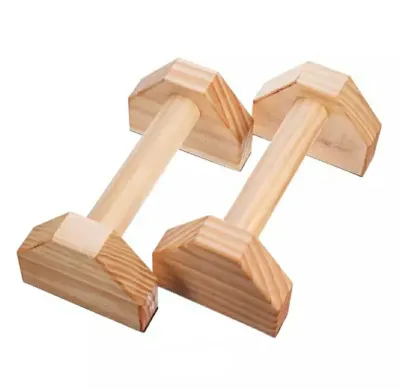
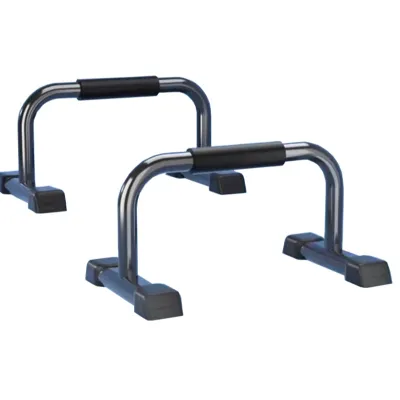
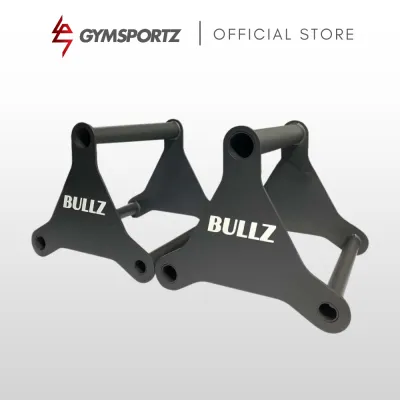
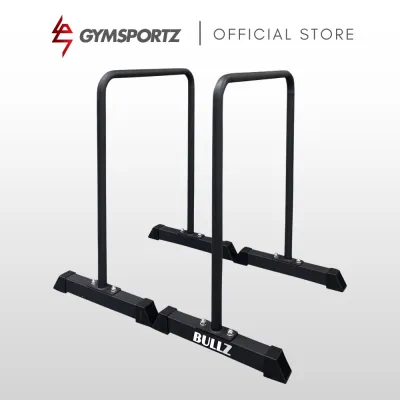
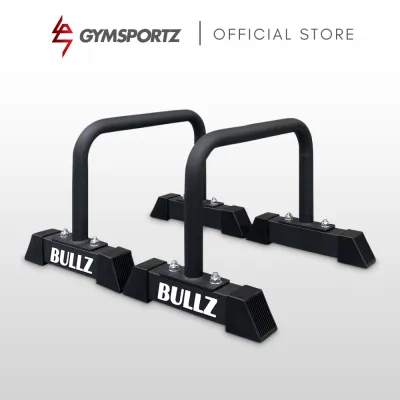
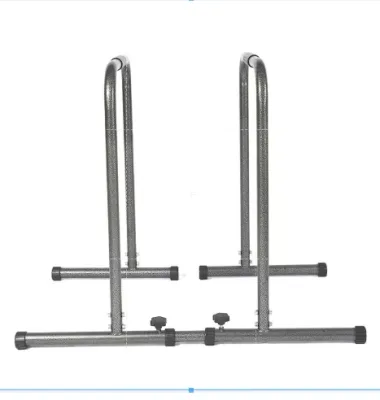
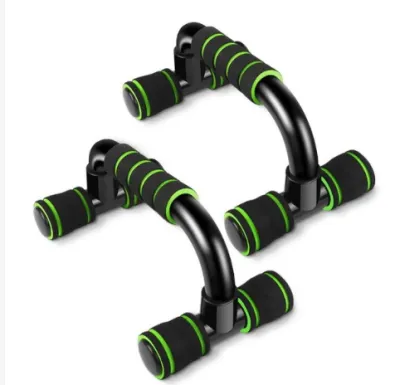
Prices are valid at publication and may change. Please refer to the product page for the latest price.
Beyond grip quality, wood offers superior protection for home flooring. Most wooden parallettes are crafted with smooth, rounded edges and are significantly lighter than their solid steel counterparts. If you train in a compact apartment or an HDB flat with polished parquet, laminate, or vinyl flooring, accidentally dropping or dragging a wooden parallette is far less likely to cause deep gouges, chips, or scratches. The natural aesthetic of wood also blends seamlessly into modern residential spaces, looking less like industrial gym gear and more like a minimalist home accessory.
However, wooden equipment comes with specific maintenance requirements that you must consider before purchasing. Because wood is an organic material, it is sensitive to environmental changes. If exposed to high humidity, direct sunlight, or pooled sweat over long periods, wood can warp, crack, or develop mold. To keep wooden parallettes in safe working condition, you must periodically wipe them down with a dry or slightly damp cloth after use and store them in a dry, well-ventilated indoor space. Over years of heavy use, the wood grain may raise or become rough; a quick, light sanding with fine-grit sandpaper is usually required to restore the smooth, splinter-free finish.
Furthermore, wood is generally unsuitable for outdoor training unless it has been specifically sealed with a weather-resistant varnish. Unfinished wood will rapidly degrade if placed on wet grass, damp concrete, or left exposed to rain. When choosing wooden parallettes, look for high-quality hardwoods like beech, birch, or maple, which offer superior density and splinter resistance compared to cheaper softwoods like pine.
Best For: Handstands, L-sits, static holds, and athletes training indoors on delicate flooring who prefer a clean, chalk-free grip.
Metal Parallettes: Durability, Stability, and Heavy-Duty Use
Metal parallettes, typically constructed from heavy-duty steel or lightweight aluminum, are built for maximum longevity and structural rigidity. If your training regimen involves high-impact dynamic movements, explosive transitions, or weighted calisthenics (such as weighted dips or push-ups), metal provides a level of structural security that wood and plastic simply cannot match. High-quality steel parallettes do not flex, bend, or creak under heavy loads, giving you absolute confidence when balancing your entire body weight upside down.

While metal is virtually indestructible, its surface texture presents unique grip challenges. Bare or polished metal becomes exceptionally slippery when exposed to even a small amount of sweat. To address this, manufacturers apply various surface treatments. Powder-coated finishes are the most common, providing a textured, matte surface that improves friction. Some premium metal models feature knurling—a cross-hatched pattern cut directly into the metal—similar to an Olympic barbell. While knurling offers outstanding mechanical grip, it can be highly abrasive on unconditioned hands and may cause calluses to tear during high-repetition workouts. If you opt for metal, you must be prepared to use athletic chalk to maintain a safe grip during intense, sweaty sessions.
Another critical consideration for home use is the interaction between heavy metal bases and your floors. Metal parallettes are heavy and rigid. If they lack adequate protection, the hard metal edges can easily scratch, dent, or mark tiles, vinyl, or hardwood floors during dynamic movements. When purchasing metal parallettes, you must verify the quality of the rubber feet or base pads. Look for thick, non-marking, slip-resistant rubber caps that wrap securely around the metal base. Cheap, thin plastic end caps can crack over time, exposing the raw metal underneath and posing a direct threat to your home’s flooring.
Additionally, metal parallettes are highly versatile for outdoor training. Unlike wood, powder-coated steel or aluminum is highly resistant to moisture, dirt, and rough surfaces like concrete or asphalt. If you enjoy taking your workouts to local parks or outdoor fitness corners, a durable pair of metal parallettes can withstand being placed on rough ground without sustaining structural damage, provided you wipe away dirt and moisture afterward to prevent rust on any exposed steel parts.
Best For: Advanced athletes, dynamic progressions (such as planches and handstand push-ups), weighted calisthenics, and those who split their training between indoor and outdoor environments.
Foam-Grip Parallettes: Joint Relief and Sweat Management
Foam-grip parallettes feature a cushioned sleeve made of closed-cell or open-cell foam, or sometimes a soft rubberized compound, wrapped around a core of metal or PVC plastic. The defining benefit of foam-grip models is immediate comfort. The soft, yielding surface cushions the palms of your hands, distributing your body weight more evenly and reducing localized pressure on the sensitive pisiform bone and wrist joints. This makes foam-grip options highly appealing to beginners, older adults, or individuals recovering from wrist strain or carpal tunnel issues.
Despite the initial comfort, foam grips present significant long-term durability and hygiene challenges, especially in warm, humid climates. Open-cell foam acts like a sponge, absorbing sweat, oil, dead skin cells, and bacteria from your hands during every workout. Over time, this sweat saturation leads to unpleasant odors and can become a breeding ground for bacteria if not meticulously cleaned. Furthermore, constant friction and shear forces from twisting or adjusting your hands will cause the foam to degrade. You can expect the foam to eventually peel, tear, crack, or harden, requiring you to either replace the grip sleeves or buy a new set of parallettes entirely.
From a performance perspective, the compression of the foam can also affect your stability during advanced movements. While a cushioned grip feels comfortable for basic push-ups, the slight shifting and lack of a rigid surface make it harder to find a solid, locked-in hand position for balance-heavy exercises like handstands or planches. Your fingers cannot dig into a soft foam surface the way they can grasp solid wood or textured metal, which can compromise your balance and control.
Additionally, many budget-friendly foam-grip parallettes are built with lightweight steel or PVC frames. While highly portable and easy to store in tight spaces, these lighter models often have a narrower footprint. Without a wide, stable base, lightweight parallettes are prone to tipping over if your center of gravity shifts too far to one side during dynamic or unilateral exercises. If you choose a foam-grip model, it is crucial to verify that the underlying frame is robust and has a wide enough base to prevent accidental tipping.
Best For: Beginners, wrist rehabilitation, high-repetition basic push-ups, and users who prioritize immediate palm comfort over long-term durability.
Material Comparison Matrix for Home Workouts
To help you quickly compare the three primary parallette materials, the table below summarizes their performance across key decision-making dimensions for home training.
| Feature | Wood Parallettes | Metal Parallettes | Foam-Grip Parallettes |
|---|---|---|---|
| Grip Quality (Dry Hands) | Excellent (Smooth, warm feel) | Moderate (Requires texture/powder coat) | Good (Cushioned grip) |
| Grip Quality (Sweaty Hands) | Excellent (Absorbs moisture naturally) | Poor to Moderate (Slippery; requires chalk) | Moderate (Can slip when fully saturated) |
| Floor Safety & Scratch Risk | High Safety (Lightweight, rounded edges) | Moderate Risk (Requires thick rubber feet) | High Safety (Lightweight, soft materials) |
| Durability & Lifespan | High (Requires basic indoor care) | Maximum (Virtually indestructible) | Low to Moderate (Foam degrades over time) |
| Maintenance Required | Low to Moderate (Occasional sanding/drying) | Low (Wipe down to prevent rust) | High (Frequent sanitizing to prevent odors) |
| Joint & Palm Comfort | Moderate (Rigid but ergonomic) | Low to Moderate (Rigid; can be abrasive) | High (Cushioned surface reduces pressure) |
| Ideal Calisthenics Moves | Handstands, L-sits, static holds | Planches, weighted dips, dynamic moves | Push-ups, basic dips, rehab exercises |
| Approximate Price Band | Mid to High (S$50 – S$120) | Mid to High (S$40 – S$100) | Low to Mid (S$20 – S$50) |
How to Choose Based on Your Home Environment and Training Style
Selecting the right parallettes requires balancing your personal physical needs with the physical constraints of your living space. By evaluating your flooring, workout style, and sweat levels, you can make an informed decision that ensures safety and longevity.
Assess Your Home Flooring and Space Constraints
If you live in an apartment or HDB flat with delicate flooring like natural parquet, polished marble, or modern vinyl planks, your primary concern should be preventing scratches and dents. Wood parallettes are inherently safer because they are lighter and lack sharp edges. However, if you choose metal parallettes for their superior stability, you must verify that the rubber feet are made of high-quality, non-marking rubber. To protect your floors and reduce noise transmission to neighbors living below you, consider placing a dense rubber workout mat or a puzzle-piece gym mat underneath your parallettes, regardless of the material you choose.
Match the Material to Your Sweating Tendencies
Your body’s natural response to exercise should play a major role in your choice. If you have hyperhidrosis (excessive hand sweating) or train in a room without air conditioning, metal without chalk will quickly become unusable and dangerous. Foam will absorb the sweat but will rapidly degrade and develop odors. In this scenario, premium unfinished wood is the most practical choice because it maintains friction when damp. If you prefer metal, ensure you have a block of athletic chalk on hand, and be prepared to clean up the chalk dust after your workout.
Align the Equipment with Your Skill Level and Exercises
Your current skill level and training goals dictate the physical demands placed on the equipment:
- Choose Wood if your focus is on handstands, L-sits, and mastering bodyweight balance. The rigid, non-slip surface provides the sensory feedback your hands need to make micro-adjustments during handstands.
- Choose Metal if you are an advanced athlete performing explosive movements, weighted calisthenics, or high-load progressions like the planche. The absolute rigidity of steel ensures the bars will not flex under extreme lateral or vertical forces.
- Choose Foam-Grip if you are a beginner looking to build basic pushing strength through elevated push-ups and dips, or if you require wrist cushioning due to minor joint discomfort.
Critical Safety Verifications Before You Buy
Before finalizing your purchase, always check the manufacturer’s specifications for the following details:
- Weight Capacity: Ensure the stated weight limit safely exceeds your body weight, factoring in any additional weight vests or belts you plan to wear.
- Base Width and Height: A taller parallette allows for deeper range of motion but requires a wider base to remain stable. Ensure the base-to-height ratio is sufficient to prevent tipping during lateral movements.
- Manufacturer Care Instructions: Always read the included care instructions. If the manufacturer's guidelines conflict with general advice (for example, regarding specific cleaning agents or outdoor use), prioritize the manufacturer's instructions to preserve your warranty and ensure structural safety.
Frequently Asked Questions (FAQ)
Do I need parallettes for handstand practice at home?
While you can practice handstands directly on a flat floor, parallettes offer significant advantages for home training. First, they alleviate wrist strain. Doing a handstand on the floor requires your wrists to bend at a sharp 90-degree angle under your full body weight, which can cause discomfort or injury over time. Parallettes allow your wrists to remain in a neutral, straight alignment, reducing joint stress. Second, they provide better gripping leverage, allowing your fingers to wrap around the bar to control your balance more effectively. However, they are not a strict requirement; you can begin your handstand journey on the floor and transition to parallettes as your training volume increases.
Can I use metal parallettes on vinyl or laminate flooring without scratching?
Yes, you can use metal parallettes on vinyl or laminate flooring, but you must take active precautions to prevent damage. Before every workout, inspect the rubber feet of your metal parallettes to ensure they are clean, free of trapped grit or sand, and have not worn down to expose the metal frame. Because dynamic calisthenics movements can cause the parallettes to micro-shift, even high-quality rubber feet can rub against the floor and leave scuff marks. To guarantee floor protection and prevent the equipment from sliding, always place a thick, non-slip exercise mat or utility rubber mat underneath the parallettes during use.
How do I clean and maintain foam-grip parallettes?
To keep foam-grip parallettes hygienic and prolong their lifespan, you must clean them regularly. After each workout, gently wipe the foam grips with a microfibre cloth dampened with warm water and a tiny drop of mild dish soap. Do not soak or submerge the foam, as trapped water inside the core can cause rust on metal frames or ruin the adhesive holding the foam in place. Avoid using harsh chemicals, bleach, or alcohol-based sanitizers, as these substances break down the foam’s cellular structure, causing it to crumble, harden, or peel. Allow the grips to air dry completely in a well-ventilated indoor area away from direct sunlight before your next training session.
Community discussion
Share your experience or ask a question. Comments are reviewed before publication.