
Finding the ideal phone holder bicycle setup for Singapore’s Park Connector Network (PCN) requires balancing stability, accessibility, and climate resilience. The PCN offers a scenic, mostly paved path spanning hundreds of kilometers, connecting coastal parks, residential estates, and nature areas across the island. However, selecting a mount is not as simple as picking the cheapest plastic clip. The ideal mount must withstand the unique physical layout of the connectors—ranging from smooth asphalt to repetitive concrete expansion joints—while surviving Singapore’s intense heat and sudden tropical downpours.
Whether you are navigating the scenic loops of Rower’s Bay, commuting along the Ulu Pandan PCN, or taking a long weekend ride down the Rail Corridor, keeping your phone secure and visible is essential. A reliable mount ensures you can follow GPS routes, track your fitness metrics, and capture quick photos without risking a costly drop. To make the best choice, you must understand how Singapore’s specific riding conditions influence the type of gear you need.
What Makes PCN Cycling Unique for Phone Mounts?
While the PCN is generally smoother than rugged off-road mountain bike trails, it presents distinct physical challenges that can easily rattle a loose phone holder. The paths are primarily paved with concrete slabs or asphalt. Concrete paths feature regular expansion joints—small gaps designed to allow the concrete to expand in the tropical heat. Riding over these joints at speed creates a continuous, high-frequency vibration that transfers directly up your bike’s fork and handlebars.
Products mentioned in this guide
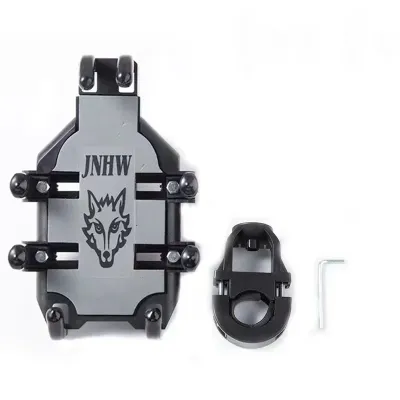
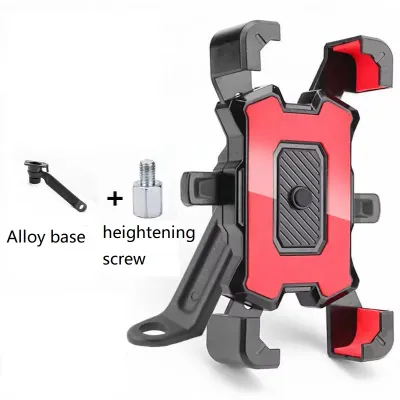
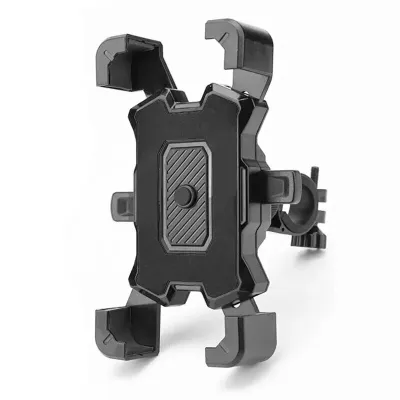
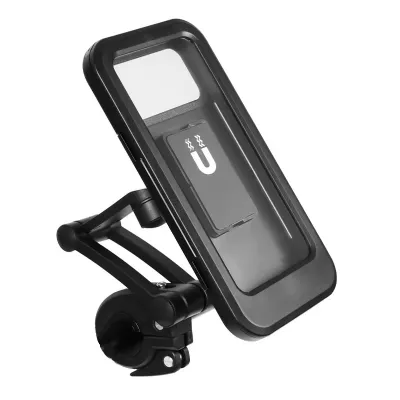
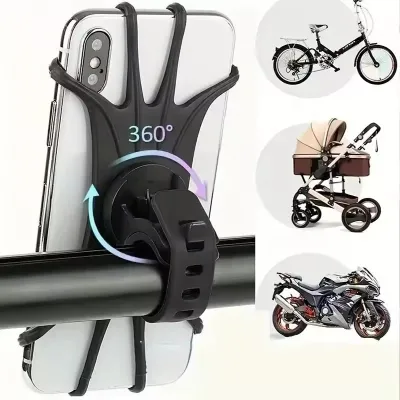
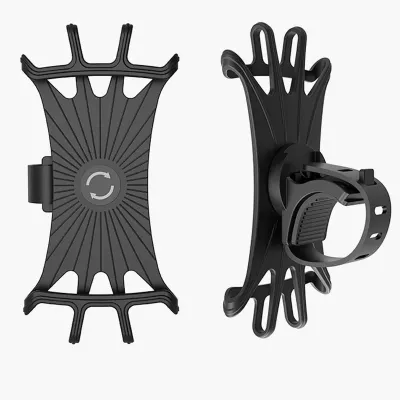
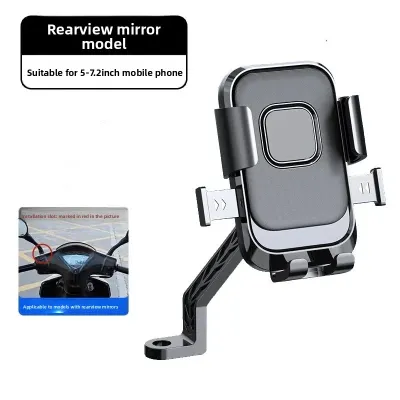
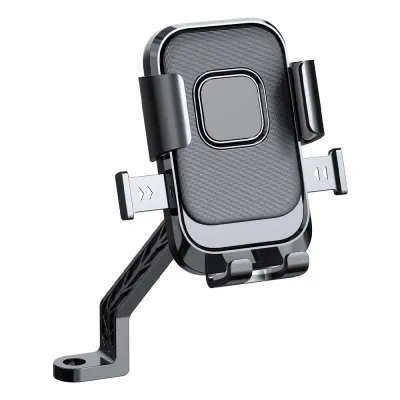
Prices are valid at publication and may change. Please refer to the product page for the latest price.
Additionally, PCN routes feature frequent pedestrian crossings marked by yellow tactile warning tiles, speed bumps near busy park intersections, and occasional loose gravel near park transitions. These sudden bumps can jar a poorly secured phone loose from its mount. The constant transition between smooth asphalt and bumpy tactile paving requires a holder with a secure, positive lock rather than one that relies solely on friction.
Singapore’s tropical weather is another critical factor that dictates your gear choice. A phone mounted on your handlebars is fully exposed to intense midday UV radiation, high humidity, and sudden, torrential downpours. These environmental conditions demand a phone holder that resists both physical loosening from vibrations and material degradation from intense sun and moisture exposure.
Essential Features for Park Connector Rides
To choose a mount that will last, you need to translate these PCN environmental challenges into specific, actionable product features.

Vibration Dampening and Camera Protection
Modern smartphones feature sensitive optical image stabilization (OIS) systems that rely on tiny gyroscopes and magnetic coils to keep the camera lens steady. The continuous, high-frequency buzz from concrete expansion joints can wear down or permanently damage these delicate components over time, leading to blurry photos and broken autofocus.
To protect your device, prioritize a phone holder bicycle mount that incorporates integrated vibration dampening modules. These modules use specialized silicone or elastomer inserts to absorb high-frequency vibrations before they reach your phone. If a mount does not have built-in dampening, check if the manufacturer offers a compatible add-on shock absorber. Furthermore, opt for mechanical locking systems—such as dual-stage twist locks or spring-loaded clamps with manual safety locks—rather than simple elastic bands, which can stretch and fail under constant vibration.
Weather Resistance and Material Durability
The materials used in your mount must withstand Singapore’s harsh climate. Cheap plastics can quickly become brittle under intense UV light, while low-grade metal screws will rust rapidly in high humidity and salty coastal air, especially along the East Coast Park or Changi segments of the PCN.
Look for mounts constructed from high-grade engineering plastics, such as glass-filled nylon, or corrosion-resistant metals like anodized aluminum and stainless steel. If you choose an enclosed waterproof case, verify its IP (Ingress Protection) rating. A rating of IP66 or higher is recommended to shield your phone from sudden, heavy downpours. For open mounts, ensure the silicone or rubber grips are UV-stabilized so they do not degrade, crack, or become sticky over time.
Quick Release and Trail Accessibility
Recreational riding on the PCN is highly social and scenic. You will likely want to stop frequently to take photos at picturesque spots like Marina Barrage, grab a bite at a park cafe, or quickly detach your phone when entering a convenience store.
A mount with a quick-release mechanism or a one-handed mounting design is highly beneficial. Look for systems that allow you to attach or detach your phone with a simple 90-degree twist or a single button press. This convenience also becomes a safety feature during sudden rainstorms, allowing you to quickly slip your phone into a waterproof pocket or bag without fumbling with complex clamps.
Choosing the Right Mounting Style for Your Bike
Your bicycle type and cockpit layout will largely determine which mounting style is most practical and secure for your rides.
Handlebar Mounts for City and Folding Bikes
Handlebar mounts are the most common and versatile option, making them highly popular for flat-bar city bikes, hybrid bikes, and folding bikes frequently seen on the PCN. These mounts clamp directly onto the handlebar tubing, placing the phone in a highly visible position.
- Compatibility: Always measure your handlebar's outer diameter before purchasing, as standard sizes range from 22.2mm to 31.8mm. Most quality mounts include rubber shims to accommodate different diameters.
- Cockpit Space: Keep in mind that handlebars can quickly become cluttered with bells, front lights, cycle computers, and shifters. You must plan your layout carefully to ensure the phone does not block your safety lights.
- Vibration: Because handlebar mounts sit far out from the center of the steering axis, they tend to transfer more direct steering vibration to the phone compared to stem mounts.
Stem Mounts for Hybrids and Road Bikes
For riders with hybrid, road, or gravel bikes, a stem mount offers a sleek, integrated alternative. This style mounts directly onto the bicycle’s stem cap or replaces the stem top cap entirely, positioning the phone directly in the center of your cockpit.
- Central Alignment: This central position keeps your handlebars free of clutter, improves weight distribution, and places the phone in a natural line of sight for navigation.
- Vibration Reduction: Because the stem is located directly over the steerer tube, it experiences slightly less lateral vibration compared to the outer ends of the handlebars.
- Adjustability Limit: Stem mounts are generally less adjustable in angle compared to handlebar ball-joint mounts, so you must ensure the fixed angle provides good screen visibility while in your typical riding posture.
Frame Bags and Top-Tube Alternatives
If you prefer maximum protection over instant screen access, a top-tube bag with a clear, touch-compatible phone sleeve is an excellent option. These bags strap onto the top tube and stem, placing the phone just behind the handlebars.
- Protection: This setup completely shields your phone from direct sunlight and sudden rain showers, and many bags offer extra storage space for keys, a power bank, or snacks.
- Visibility Trade-off: Looking down at a top-tube bag requires shifting your gaze far from the path ahead, which can be dangerous on a busy PCN. To check navigation safely, you must pull over to the side of the path and stop completely.
- Clearance Check: Some riders find that wider top-tube bags can rub against their knees while pedaling, especially when standing up on climbs or accelerating.
Safe Installation and Pre-Ride Checks
Proper installation is key to preventing both your phone and your bicycle from sustaining damage. Always read the manufacturer’s installation instructions carefully before mounting the bracket.
Matching Specifications and Protecting Carbon Parts
If your bicycle features carbon fiber handlebars or a carbon steerer tube, exercise extreme caution. Carbon fiber is highly sensitive to clamping pressure and can easily crack if overtightened.
- Torque Limits: Always use a torque wrench to tighten the mounting bolts to the manufacturer's exact specifications, which typically range between 2 to 5 Nm.
- Use Shims: Never clamp a metal mount directly onto carbon fiber; always use the provided plastic or rubber shims to distribute the pressure evenly.
- Seek Professional Help: If you are unsure about the material of your handlebars or do not own a torque wrench, stop and consult a professional mechanic at your local bike shop to prevent costly structural damage.
Security Tests and Cockpit Visibility
Once installed, perform a comprehensive physical check before setting off on your PCN journey.
- The Shake Test: With your phone securely locked into the mount, perform a physical "shake test" by firmly grasping the handlebars and shaking the bike to ensure nothing wobbles or slips.
- Clearance Check: Turn the handlebars fully to the left and right to verify that the phone holder does not pinch any brake or shifter cables, and ensure it does not hit your knees when pedaling.
- Sunlight Visibility: Singapore's bright tropical sun can cause severe glare on smartphone screens. Adjust the angle of the mount slightly downward or consider using an anti-glare matte screen protector to maintain clear visibility of your map without needing to squint.
Maintaining Your Gear in a Tropical Climate
Singapore’s high humidity, coastal salt air, and your own sweat can quickly corrode metal fasteners and degrade plastics. To extend the lifespan of your phone holder bicycle mount, establish a simple post-ride maintenance routine.
After a long ride along coastal routes like the Round Island Route or East Coast Park, remove your phone and gently rinse the mount with fresh, low-pressure water to wash away salt residue, sweat, and road dust. Avoid using high-pressure hoses, which can force water into sealed dampening modules.
Periodically inspect the mount’s silicone bands, rubber shims, and plastic hinges for signs of cracking, dry rot, or a sticky texture, which indicate UV damage. If the mechanical hinges or quick-release tracks begin to feel stiff, apply a single drop of plastic-safe, bicycle-specific lubricant to the moving parts. Avoid petroleum-based multi-purpose sprays, as they can rapidly degrade and weaken plastic and rubber components.
Frequently Asked Questions (FAQ)
Do I need a vibration dampener for PCN cycling?
Yes, a vibration dampener is highly recommended if you ride frequently on the PCN. Although the park connectors are paved and free of mountain-bike-style rocks, the repetitive impact of concrete expansion joints and yellow tactile paving tiles creates high-frequency vibrations. Over time, these micro-shocks can damage the delicate optical image stabilization (OIS) systems in modern smartphone cameras. Investing in a mount with a dampener helps safeguard your phone’s camera hardware.
Are silicone strap mounts safe for long park connector rides?
Silicone strap mounts are lightweight, highly affordable, and easy to swap between bikes, but they are not ideal for long or frequent PCN rides. The intense Singapore sun and high humidity cause silicone to degrade, stretch, and lose its elasticity over time, increasing the risk of tearing. While they work fine for occasional, short rides, a mechanical locking mount offers far superior security, durability, and protection against sudden bumps or emergency stops.
Community discussion
Share your experience or ask a question. Comments are reviewed before publication.