
Selecting the right exercise chair for home workouts can transform your fitness routine, offering a compact yet highly versatile platform for strength, balance, and mobility. Originally designed by Joseph Pilates to double as functional living room furniture, the modern Pilates chair is one of the most efficient pieces of resistance equipment available. For beginners, however, navigating the transition from a fully equipped commercial studio to a self-guided home setup requires careful evaluation of safety, space, and equipment engineering.
The best Pilates exercise chair brands for beginners starting a home workout routine are Balanced Body, Merrithew, Peak Pilates, and Align-Pilates. These established manufacturers prioritize precise spring calibration, structural rigidity, and intuitive adjustment systems. Investing in a recognized brand ensures that your equipment behaves predictably, which is essential for maintaining proper alignment and preventing injury when practicing without the direct supervision of an instructor.
In Singapore, where residential spaces like HDB flats and condominiums require smart spatial planning, choosing an exercise chair for home use is a highly efficient way to build a personal studio. By understanding the mechanical differences between professional studio gear and home-friendly models, you can select a high-quality chair that fits your living space and supports your long-term fitness progression.
Products mentioned in this guide
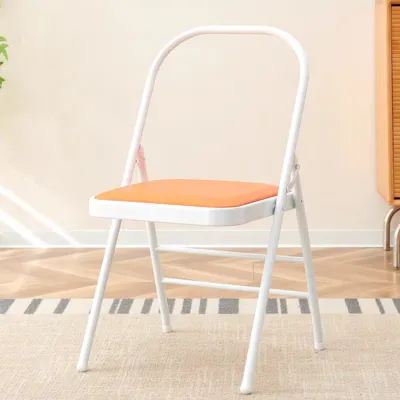
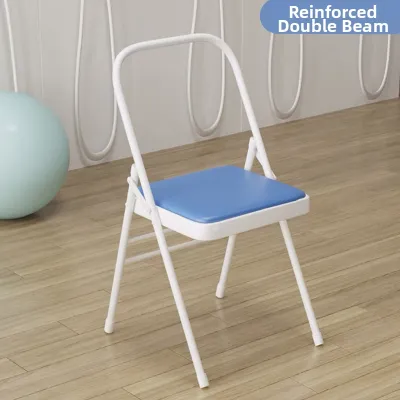
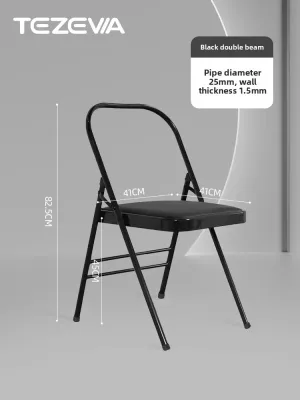
Prices are valid at publication and may change. Please refer to the product page for the latest price.
What Makes an Exercise Chair for Home Workouts Beginner-Friendly?
When transitioning from a commercial Pilates studio to a home environment, the physical demands placed on your equipment change. Studio chairs are built to withstand continuous, heavy-duty use by dozens of clients daily, often resulting in massive wooden or steel frames that are difficult to move. A beginner-friendly exercise chair for home use must balance structural integrity with practical home considerations, such as a manageable physical footprint, reasonable unit weight, and quiet operation.
The heart of any Pilates chair lies in its spring resistance system. Unlike weight machines that rely on gravity, Pilates chairs utilize coiled springs that follow Hooke’s Law, meaning the resistance increases progressively as the spring stretches. For beginners, calibrated and highly predictable spring tension is vital. High-quality springs support your joints at their weakest points and challenge your muscles at their strongest. If a spring is poorly calibrated or lacks smooth tension transitions, it can cause sudden, jerky movements that compromise your form and risk straining your muscles or joints.
Structural stability is another non-negotiable safety factor for home practice. During standing exercises, such as step-ups or lunges, your entire body weight is distributed dynamically across the pedal and the top platform. A beginner-friendly chair must feature a wide, weighted base that prevents tipping or sliding during these movements. Verifying the manufacturer’s specified base weight and maximum user weight limit is a critical first step before attempting any standing or balancing exercises.
For those practicing without an instructor, the equipment’s learning curve must be as gentle as possible. Beginner-friendly chairs feature intuitive adjustment mechanisms, such as clearly marked spring hook positions or color-coded resistance levels. These visual aids allow you to replicate exercise setups accurately, reducing the risk of using too much or too little resistance. Proper resistance is not just about difficulty; in Pilates, a lighter spring setting often makes an exercise significantly harder by demanding more core stabilization, while a heavier spring provides more physical support.
Essential Specifications to Verify Before Buying
Before finalizing your purchase, you must analyze the mechanical specifications of the chair to ensure it matches your physical needs and home environment. Paying close attention to these details prevents the common mistake of buying a chair that is either too advanced to use safely or too bulky to store.

Pedal Design
Pilates chairs are available with either single-pedal or split-pedal mechanisms. A single-pedal chair moves as a unified platform, which is excellent for symmetrical bilateral movements like double-leg pumps. However, a split-pedal design offers far greater versatility for beginners. Split pedals can be unlinked to move independently, allowing you to perform reciprocal movements (similar to walking) and isolate unilateral weaknesses. Because most beginners have natural left-right strength imbalances, split pedals help identify and correct these discrepancies before they lead to compensatory movement patterns. Most high-quality split-pedal chairs include a locking slider bar or pin, allowing you to convert the unit back into a single pedal whenever needed.
Handle Placement and Adjustability
Handles provide essential stability during balancing, standing, and high-support exercises. Look for chairs with handles that offer quick-release height adjustments to accommodate your specific torso and arm length. The locking mechanisms must be robust, such as threaded pull-pins, to ensure the handles do not slip under load. Additionally, check the grip material; high-density foam or textured rubber grips prevent slipping, especially during intense workouts or in warm, humid home environments.
Footprint and Storage
Space optimization is a primary concern for home fitness enthusiasts. Measure your designated workout area carefully, keeping in mind that you will need clearance space around the chair. Some home-focused models feature built-in transport wheels, allowing you to roll the chair into a closet or corner when not in use. Other models offer stackable frames or removable handles to minimize their physical storage height.
To help you evaluate these technical specifications, use the following quick-reference checklist when reviewing product spec sheets:
| Feature | What to Check on Spec Sheet | Why It Matters for Beginners |
|---|---|---|
| Pedal Mechanism | Split-pedal option with a secure locking pin or slider bar | Allows for unilateral training to correct muscle imbalances while maintaining single-pedal stability when locked. |
| Spring System | Number of springs (typically 2 to 4), attachment levels, and color-coding | Ensures precise, progressive resistance adjustments and easy replication of studio workout setups. |
| Handle Adjustability | Height adjustment ranges, locking pin style, and removable design | Provides customized support for standing and balance exercises; removable handles facilitate easier storage. |
| Footprint & Mobility | Total dimensions (L x W x H) and presence of integrated transport wheels | Confirms the unit fits your living space and can be easily moved by a single person without scratching floors. |
| Base Weight & Stability | Total weight of the chair and certified maximum user weight capacity | Prevents the unit from shifting, sliding, or tipping during dynamic, off-center, or standing movements. |
Leading Pilates Brands for Home Beginners
Investing in a recognized Pilates brand guarantees mechanical precision and long-term durability. While generic fitness brands offer cheaper alternatives, they often compromise on spring quality, frame welding, and alignment accuracy. In contrast, established brands use specialized manufacturing processes to ensure their chairs deliver smooth, silent resistance. When shopping in Singapore, check with authorized local fitness distributors to verify current stock, shipping rates, and local warranty coverage.
Balanced Body
Balanced Body is widely regarded as a pioneer in modern Pilates equipment manufacturing. For home beginners, their modular designs are exceptionally practical. The Balanced Body Combo Chair and the Balanced Body EXO Chair are two outstanding options for home use.
- Modular and Space-Saving Designs: The EXO Chair is particularly famous for its compact footprint and lightweight construction, making it easy to move and store in smaller apartments without sacrificing structural integrity.
- Color-Coded Spring Systems: Balanced Body utilizes a highly intuitive, color-coded spring system (typically featuring black, blue, and yellow springs of varying strengths). This makes resistance adjustments straightforward for beginners, eliminating the guesswork often associated with uncolored steel springs.
- Build Quality: Their chairs are constructed using premium materials, including sustainable multi-ply maple wood or high-grade aluminum, ensuring a quiet, rattle-free workout experience.
Merrithew (STOTT PILATES)
Merrithew is globally recognized for its focus on biomechanical precision and rehabilitation-friendly equipment designs. Their Split-Pedal Stability Chair is an excellent investment for home users who prioritize joint care and mindful movement.
- Biomechanical Precision: Merrithew designs their equipment with a strong focus on spinal alignment and joint mechanics. The resistance curves of their springs are engineered to provide gentle, progressive loading, making them ideal for beginners or those recovering from minor injuries.
- Ergonomic Padding: The chair features high-density EVA foam padding wrapped in heavy-duty, non-slip upholstery. This provides superior comfort and joint protection during kneeling, sitting, or prone exercises.
- Robust Construction: Built with heavy-gauge steel frames, Merrithew chairs offer exceptional stability, ensuring the base remains completely stationary even during high-force movements.
Peak Pilates and Align-Pilates
For those who prefer a traditional, classical Pilates experience adapted for home durability, Peak Pilates and Align-Pilates offer outstanding options.
- Peak Pilates: Known for their elegant wood finishes and classical designs, Peak Pilates also offers modern, space-saving solutions like the MVe Chair. The MVe Chair features a sleek, stackable aluminum frame, allowing multiple units to be stacked vertically—a highly useful feature if you have limited floor space.
- Align-Pilates: This brand excels at delivering commercial-grade durability at a highly competitive price point. Their Combo Chair models feature robust steel frames, adjustable handles, and straightforward spring hook systems. They are designed to deliver a authentic studio feel while remaining highly durable and easy to maintain at home.
Risks of Unbranded or Budget Alternatives
While budget-friendly, unbranded exercise chairs found on general online marketplaces may seem appealing, they carry significant long-term risks. These units often use low-grade steel springs that can lose tension rapidly or, worse, snap unexpectedly under load. Furthermore, cheap frames may suffer from poor welding, leading to wobbling or structural failure during standing exercises. Finally, budget brands rarely offer replacement parts; if a spring or pad wears out, you may have to discard the entire chair. Investing in an established brand ensures you have access to replacement springs, straps, and accessories for years to come.
Safe Setup and Usage Guidelines for Home Workouts
Practicing Pilates at home requires a proactive approach to safety. Without an instructor present to scan your environment and correct your form, you must establish clear safety boundaries and perform routine equipment checks to prevent accidents.
Space Planning
To practice safely, you must provide adequate clearance around your exercise chair. Ensure there is a minimum of 1 to 1.5 meters of open space on all four sides of the chair. This clearance is necessary for full arm and leg extensions during exercises like the “Swan” or “Teaser,” and ensures you can mount and dismount the equipment safely. Additionally, check your ceiling height if you plan to perform standing step-ups, ensuring your head will not contact light fixtures or ceiling fans at the peak of the movement.
Flooring Requirements
Always place your Pilates chair on a flat, level, and non-slip surface. Hardwood, laminate, or tiled floors can be slippery and susceptible to scratching. To protect both your floors and your safety, place a high-density, low-pile fitness mat underneath the chair. Avoid using thick, squishy yoga mats, as they can compress unevenly under the chair’s feet, compromising the stability of the base. The mat must lie completely flat without any curled edges that could present a tripping hazard.
Safety Boundaries and Stopping Conditions
Equipment-based workouts should never push your body to the point of joint pain or structural instability. Pilates is designed to build control and precision, not to cause muscular exhaustion. You must stop an exercise immediately if you experience any of the following:
- Sharp, shooting, or localized joint pain (as opposed to normal muscular fatigue).
- A sudden loss of core engagement or abdominal control.
- Dizziness, lightheadedness, or loss of physical balance.
- Inability to control the descent of the pedal (the pedal should never slam against the frame).
If you are recovering from an injury, managing a chronic condition, or are completely new to resistance training, consult a certified Pilates instructor or physical therapist to establish a safe movement protocol before practicing independently.
Routine Equipment Checks
Develop the habit of performing a quick, two-minute visual and physical inspection of your chair before every workout. This routine check is your primary defense against mechanical failure:
- Inspect the Springs: Look closely at the coils for any gaps, rust, or uneven deformation. If a spring shows signs of wear, replace it immediately and do not use the chair.
- Verify Hook Security: Ensure the springs are fully seated in their designated hooks or eyelets and that the safety clips (if present) are securely closed.
- Check Locking Pins: Confirm that the handle adjustment pins and pedal-linking pins are fully engaged and locked in place.
- Wipe Down Surfaces: Given Singapore's tropical, humid climate, sweat and moisture can accelerate the corrosion of metal components. Wipe down the vinyl upholstery, handles, and metal springs with a dry microfiber cloth after every session to maintain hygiene and prevent rust.
Purchasing and After-Sales Considerations
Buying a high-quality Pilates chair is a significant financial investment, with entry-level and mid-range models from reputable brands typically ranging from S$1,000 to S$2,500. To protect your investment, you must navigate the purchasing process carefully.
Choosing the Right Buying Channels
Always purchase your equipment directly from the manufacturer’s official website or through authorized local fitness equipment distributors. Authorized distributors in Singapore can provide local delivery, professional assembly, and direct warranty support. Avoid purchasing high-end fitness equipment from unauthorized third-party sellers on general online marketplaces. These listings often feature counterfeit products, lack proper safety certifications, and almost always void the manufacturer’s warranty.
Warranty Verification
Before checking out, read the warranty terms thoroughly. A standard manufacturer’s warranty is typically split into different coverage periods:
- Frame Integrity: Usually covered by a long-term warranty (often 5 to 10 years, or even a lifetime warranty for residential use).
- Mechanical Components: Springs, pedals, and adjustment mechanisms are typically covered for 1 to 2 years.
- Wear Items: Upholstery, foam grips, and straps often have limited coverage (typically 90 days to 1 year) as they are subject to natural wear and tear.
Be sure to register your product online immediately after delivery to activate your warranty coverage.
Delivery and Assembly Logistics
Pilates chairs are heavy, dense items, often shipped in large, reinforced crates weighing between 25kg and 40kg. When ordering, verify whether the delivery service includes “doorstep delivery” or “room-of-choice delivery.” If you live in an apartment building, ensure the delivery vehicle has access to your building’s unloading bay and that the shipping crates can fit inside your building’s lifts. Many authorized dealers offer professional on-site assembly for an additional fee. For beginners, opting for professional assembly is highly recommended, as it ensures all springs, pedals, and alignment pins are calibrated and installed to exact manufacturer safety specifications.
Frequently Asked Questions (FAQ)
Can I use a Pilates chair without prior studio experience?
While it is physically possible to start using a Pilates chair at home, it is highly recommended that beginners attend at least a few sessions with a certified Pilates instructor first. An instructor will teach you how to engage your deep stabilizing muscles, maintain spinal alignment, and safely manage spring tension. If studio sessions are not accessible, look for brands that offer comprehensive instructional videos, digital applications, or virtual coaching to guide you through safe setup and foundational exercises.
How much space do I need for a Pilates exercise chair at home?
While the physical footprint of a typical Pilates chair is relatively small (approximately 75 cm in length and 60 cm in width), you must plan for a larger functional workout zone. You should allow for at least 1 to 1.5 meters of clear space on all sides of the chair to accommodate full-body extensions, side-lying movements, and safe mounting or dismounting. Always consult the specific manufacturer’s manual for their recommended safety clearance guidelines before finalizing your room layout.
What is the difference between a Wunda chair and an EXO chair?
The Wunda chair is a traditional, classical design that features a heavier, solid wood or steel frame, often including high side handles and a split-pedal option. It is optimized for maximum stability during standing, balancing, and high-resistance exercises. The EXO chair, developed by Balanced Body, is a modern, lightweight, and highly portable variation. It features a more compact footprint and is designed for easy storage, making it popular for home users who need to move their equipment frequently, though it may offer fewer resistance configurations than a traditional Wunda chair.
Community discussion
Share your experience or ask a question. Comments are reviewed before publication.