
A Pilates fitness chair—traditionally known as a Wunda chair—is one of the most versatile and space-efficient pieces of resistance equipment you can add to a home gym. For beginners starting their fitness journey, choosing the right chair involves balancing structural safety, adjustable spring tension, and a design that fits comfortably within your living space. Selecting an entry-level model with adjustable handles and a split-pedal system allows you to build foundational core strength and balance safely, even in compact residential layouts.
While larger apparatuses like reformers require dedicated floor space, a fitness chair occupies a minimal footprint while delivering highly targeted resistance training. This guide breaks down the essential features of beginner-friendly Pilates chairs, the primary configurations available for home use, and the safety protocols needed to establish a secure and effective home workout routine.
Why a Pilates Fitness Chair is Ideal for Beginner Home Workouts
Integrating a Pilates fitness chair into your home routine offers a unique combination of resistance training, balance challenge, and spatial efficiency. Originally designed by Joseph Pilates, the chair uses a spring-loaded pedal system to provide adjustable resistance against gravity. This mechanical setup allows beginners to perform a wide variety of exercises—ranging from seated leg presses to standing balance work—all within a single, self-contained apparatus.
Products mentioned in this guide
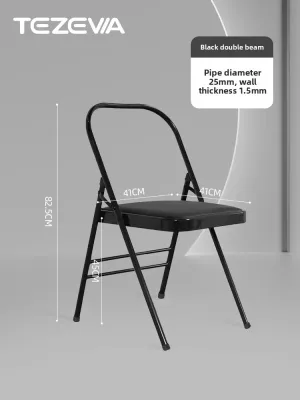
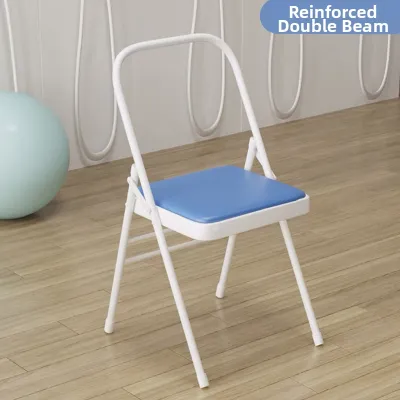
Prices are valid at publication and may change. Please refer to the product page for the latest price.
For those living in compact urban environments, such as high-rise apartments or HDB flats in Singapore, floor space is a critical consideration. Larger Pilates equipment, such as full-sized reformers or cadillacs, often require dedicated rooms or permanent installations that disrupt multi-purpose living spaces. A fitness chair typically occupies a footprint of less than one square meter, making it exceptionally easy to position in the corner of a living room, study, or bedroom without cluttering your home.
Beyond space savings, the fitness chair is highly effective for building foundational physical capabilities. Beginners often struggle with core engagement and pelvic stability when performing floor-based mat exercises. The chair provides immediate tactile feedback; the resistance of the pedal helps you identify which muscles are engaging, making it easier to learn proper alignment. By supporting your body weight during challenging movements, the chair helps you develop deep core strength, functional balance, and joint stability without the steep learning curve associated with more complex studio machinery.
Essential Features to Look for in an Entry-Level Pilates Chair
Selecting your first Pilates fitness chair requires a close examination of its mechanical specifications to ensure safety, durability, and long-term usability. Because you will be placing your full body weight on the apparatus during various exercises, the build quality must meet rigorous standards.

Adjustable Resistance Systems
At the heart of every fitness chair is its spring system, which dictates the resistance level of the pedal. For beginners, having customizable resistance is non-negotiable. Look for chairs equipped with multiple spring attachment points (often referred to as cactus hooks) and varying spring weights.
- Spring Hooks: Multiple hook levels allow you to fine-tune the tension. Lower hooks decrease the mechanical advantage, making the pedal harder to push down, while higher hooks increase the support provided during lifting exercises.
- Spring Quality: Ensure the springs are made of high-tensile steel to prevent stretching or warping over time. Beginners need to verify that the springs attach securely to both the frame and the pedal without slipping.
Stability and Base Design
A stable foundation is critical for preventing tipping during standing, leaning, or off-center exercises. Because Pilates movements require you to shift your center of gravity, the chair must remain firmly planted on the ground.
- Frame Material: Opt for heavy-duty steel frames or solid hardwood construction. Steel frames should feature a durable powder-coated finish to resist rust, which is particularly important in humid climates.
- Base Width: A wider base footprint distributes weight more evenly. Look for models with non-slip rubber feet or stabilizing bars that grip the floor surface securely.
Pedal Mechanics
The pedal is the primary interface for your hands and feet, and its movement pattern directly impacts your exercise form. Smooth, quiet operation indicates high-quality bearings and proper alignment.
- Single vs. Split-Pedal: A single-pedal design moves as a uniform block, which is excellent for basic bilateral exercises. However, a split-pedal (or dual-pedal) design features two independent halves that can be locked together or used separately. Split pedals are highly recommended for beginners as they allow for unilateral training, helping to identify and correct muscle imbalances between the left and right sides of the body.
- Pedal Padding: The pedal surface should be wrapped in dense, non-slip foam or vinyl padding to protect your hands and feet during high-pressure movements.
Ergonomic Handles
Adjustable side handles provide essential stability and balance support for beginners who are still developing their core strength. These handles act as a safety net during standing or high-seated exercises.
- Height Adjustability: Ensure the handles can be raised or lowered easily using secure locking pins. This allows the chair to accommodate different torso lengths and heights.
- Grip Material: Look for handles covered in high-density foam or textured rubber. This prevents slipping when your hands become sweaty during a workout.
Weight Capacity and Build Quality
Always verify the manufacturer’s stated weight limits and frame materials before purchasing. A standard home-use fitness chair should comfortably support dynamic body movements without flexing or wobbling.
- Weight Ratings: Look for a minimum user weight capacity of 110 kg to 135 kg (approximately 240 to 300 lbs) to ensure the frame can handle the dynamic forces generated during exercise.
- Upholstery: The seat cushion should feature high-density foam covered in commercial-grade vinyl. This ensures the seat remains supportive over years of use and is easy to wipe clean after workouts.
Recommended Types of Pilates Chairs for Home Beginners
When browsing online marketplaces or specialty fitness stores, you will encounter several structural configurations of Pilates chairs. Understanding these categories helps you select a model that aligns with your specific space constraints and fitness progression goals.
Standard Wunda Chair with Side Handles
The classic Wunda chair configuration is the most supportive starting point for novices. It typically features a solid box-like frame, a single or split pedal, and removable, height-adjustable side handles. This design offers maximum stability because the heavy frame resists tipping even during lateral movements.
If you have a dedicated workout corner and want an experience that closely mimics a professional Pilates studio, the standard Wunda chair is the ideal choice. The presence of sturdy side handles gives beginners the confidence to attempt standing balance work and modified step-ups safely.
Compact and Foldable Home Models
For users who need to reclaim their living space after every workout, compact or foldable fitness chairs are excellent alternatives. These models often utilize lightweight steel frames and simplified spring mechanisms that allow the unit to fold flat or pack down into a slim profile.
While highly convenient for small apartments, foldable models require careful inspection. Before buying, verify that the folding hinges lock securely into place and that the lighter frame weight does not compromise stability during off-center exercises. These chairs are best suited for low-impact, seated, or lying exercises rather than high-velocity dynamic movements.
Split-Pedal Chairs for Progression
If you want a piece of equipment that will grow with you as your skills advance, a split-pedal chair is the most versatile investment. These models feature a removable dowel or locking pin that connects the two halves of the pedal. With the pin inserted, the chair functions as a standard single-pedal unit; with the pin removed, each leg or arm must work independently.
For beginners, starting with the pedal locked provides a stable, predictable platform. As your core strength, coordination, and unilateral balance improve, unlocking the pedal introduces a new level of challenge that targets stabilizer muscles and corrects posture. This dual-functionality ensures you will not outgrow the equipment within a few months.
Before finalizing your purchase, cross-reference user reviews on reputable fitness forums or online marketplaces. Pay close attention to feedback regarding long-term spring tension consistency, ease of assembly, and whether the pedal operates silently without squeaking or grinding.
Setting Up and Using Your Pilates Chair Safely at Home
Creating a safe workout environment is just as important as choosing the right equipment. Because Pilates chair exercises involve balance and resistance, improper setup or lack of maintenance can lead to injury or damage to your home.
Space Clearance
Before placing your chair, measure your workout area to ensure adequate clearance around the equipment. You need enough room to perform full arm and leg extensions without risk of hitting walls, furniture, or light fixtures.
- Clearance Zone: Maintain a minimum clear zone of 1 to 1.5 meters on all sides of the chair. This is especially important for exercises where you lie prone across the seat or stand next to the pedal.
- Vertical Clearance: Ensure the ceiling height is sufficient for standing exercises, such as step-ups, where your head will rise significantly above the height of the chair.
Floor Protection and Noise Reduction
Heavy steel and wood frames can scratch, dent, or discolor home flooring, particularly hardwood, parquet, or vinyl. Additionally, the mechanical motion of the springs and pedals can transmit vibrations and noise through the floor.
- Equipment Mats: Place a high-density, non-slip rubber or PVC equipment mat underneath the chair. This protects your flooring, prevents the chair from sliding during intense workouts, and dampens sound.
- Spring Care: Keep a dry microfiber cloth handy to wipe down the springs and metal frame after each session, preventing moisture from sweat from causing rust or squeaking.
Pre-Workout Safety Checks
Develop a habit of performing a quick mechanical inspection before every exercise session. This routine maintenance takes less than a minute but prevents unexpected mechanical failures.
- Spring Hooks: Ensure the springs are fully seated in their designated hooks and that the safety clips (if equipped) are closed.
- Handle Knobs: Check that the handle adjustment knobs or pins are tightened completely and that there is no play or wobble in the side bars.
- Pedal Alignment: Press the pedal down slowly by hand to verify that it moves smoothly along its path without rubbing against the frame.
- Manufacturer Instructions: Always refer to your specific model's user manual for safety guidelines, weight limits, and assembly instructions. If you notice worn springs, cracked welds, or torn vinyl, cease using the chair immediately and contact the manufacturer for replacement parts.
Form and Limitations
When starting out, resist the temptation to attempt advanced, acrobatic transitions often seen on social media. Pilates is built on precision, control, and concentration, not speed or extreme range of motion.
- Start Simple: Focus on foundational movements, such as seated footwork, pelvic curls, and modified push-ups. These exercises build the deep abdominal strength required for more advanced work.
- Control the Ascent: The eccentric phase of the movement—allowing the pedal to return to its starting position—is where many injuries occur. Never let the pedal snap back rapidly; use your muscle control to resist the spring tension on the way up.
- Seek Instruction: If you are unsure about your alignment or how to perform an exercise safely, consult certified online instructional videos, virtual classes, or a local Pilates instructor. Correct form is essential to prevent joint strain and maximize the benefits of your workouts.
Frequently Asked Questions (FAQ)
Can I use a regular dining chair for Pilates chair exercises?
No, a regular dining chair cannot replace a specialized Pilates fitness chair. Standard household chairs lack the spring-loaded resistance pedal system that is fundamental to Pilates chair exercises. Furthermore, dining chairs are not engineered to withstand the dynamic lateral forces or off-center weight shifts involved in these workouts, presenting a severe tipping and structural collapse hazard. Attempting to mimic these exercises on household furniture can lead to serious injury.
How much space do I need for a Pilates fitness chair at home?
While the physical footprint of a typical Pilates chair is compact—usually measuring around 75 cm to 90 cm in length and 60 cm to 70 cm in width—you must factor in active clearance space. To exercise safely, you require a clear zone of at least 1 to 1.5 meters around all sides of the chair. This extra space accommodates full arm and leg extensions, prone lying positions, and standing movements beside the apparatus without risk of striking surrounding walls or furniture.
Are Pilates chairs safe for beginners without an in-person instructor?
Yes, Pilates chairs can be used safely by beginners at home, provided you approach your practice with caution and respect your physical limits. Start with foundational, low-risk movements, such as seated footwork, before progressing to standing balance exercises. It is highly recommended to follow structured video tutorials led by certified Pilates instructors and to always refer to your equipment’s manufacturer manual for proper setup and safety guidelines. Stop immediately if you experience sharp pain or joint strain.
Community discussion
Share your experience or ask a question. Comments are reviewed before publication.