
Selecting the right pair of roller blades as an adult beginner involves balancing immediate comfort with long-term durability. In Singapore, where the Park Connector Network (PCN) offers miles of paved pathways, having a reliable pair of skates makes all the difference in your learning curve and overall enjoyment. Brands like Rollerblade and K2 Skates are highly regarded for their comfortable, breathable soft boots, while Powerslide and Flying Eagle excel in offering robust hard shell designs that provide superior support and longevity.
Before sliding into your first pair, it is crucial to recognize that inline skating is a sport that requires balance, coordination, and safety awareness. Equipment cannot replace proper training, physical conditioning, or split-second judgment. Beginners should always start on flat, dry, traffic-free surfaces and master fundamental stopping techniques before venturing onto busy public paths. To minimize the risk of injury from inevitable falls, always wear a certified helmet, wrist guards, knee pads, and elbow pads. If you have pre-existing joint issues or balance concerns, consult a medical professional before starting.
What Defines Comfort and Durability in Adult Roller Blades?
To make an informed purchase, you must first understand the technical components that dictate how a skate feels on your foot and how well it stands up to regular use. The core design of the boot, the material of the frame, the hardness of the wheels, and the security of the closure system all play vital roles in your skating experience.
Products mentioned in this guide
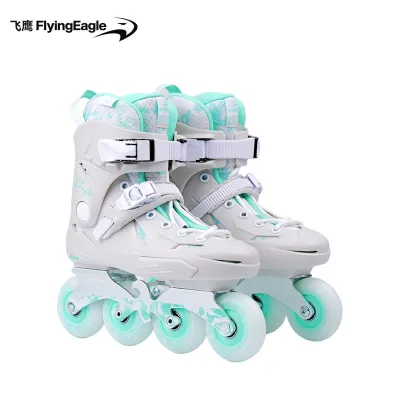
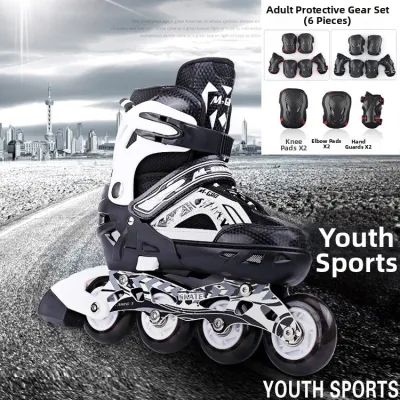
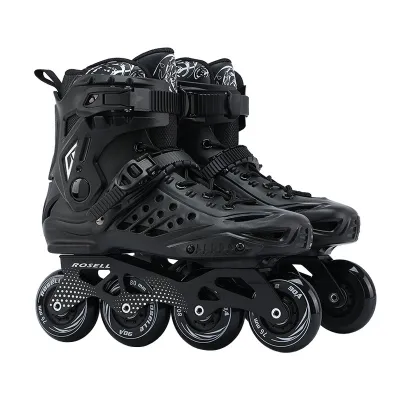
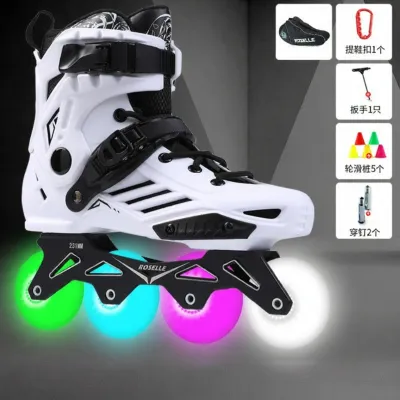
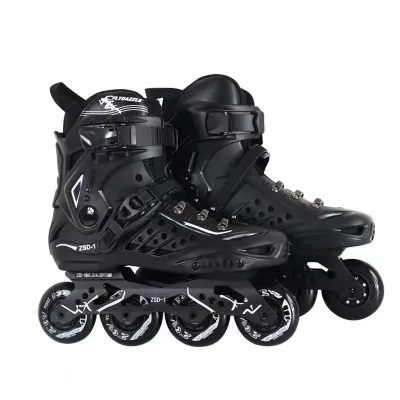
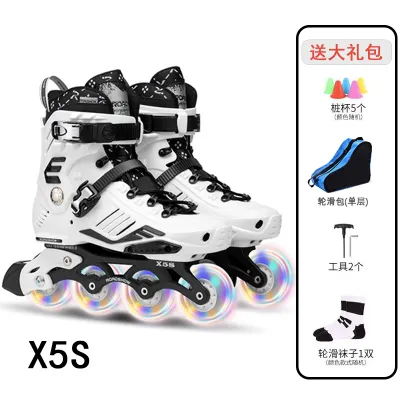
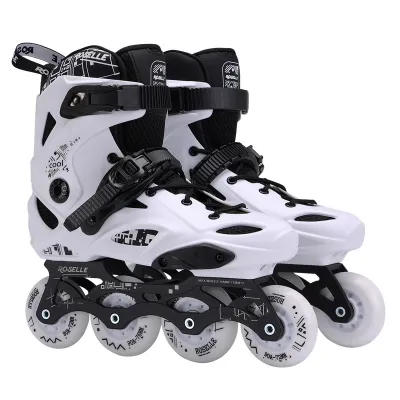
Prices are valid at publication and may change. Please refer to the product page for the latest price.
Boot Construction: Soft Boots vs. Hard Shells
The boot is the most critical factor in determining initial comfort and lateral support. Soft boots are constructed primarily of lightweight, breathable textile materials reinforced with a structural plastic cuff. They fit similarly to a running shoe, offering immediate, out-of-the-box comfort and excellent ventilation, which is highly beneficial in Singapore’s tropical heat. However, they provide less lateral ankle support and are more susceptible to wear and tear if you scrape them against concrete.
Hard shell skates feature a rigid plastic or composite outer exoskeleton that houses a removable, padded fabric liner. While they may require a brief break-in period to contour to your feet, hard shells offer unmatched ankle stability, which prevents your ankles from pronating (rolling inward) as you learn to balance. The rigid exterior also provides exceptional impact protection and structural longevity, making them highly durable against scrapes and falls.
Frame Materials: Aluminum vs. Composite
The frame holds the wheels and is mounted to the bottom of the boot. Frame materials generally fall into two categories:
- Aluminum Frames: These are highly rigid and durable. Aluminum provides excellent power transfer, meaning more of the energy from your stride is translated into forward motion. They keep the wheels perfectly aligned and do not flex under the weight of an adult skater, offering a stable and responsive ride.
- Composite or Plastic Frames: Usually made of nylon or fiberglass-reinforced plastic, these frames are lighter and more forgiving for beginners because they naturally absorb road vibrations. However, they flex more under heavy loads or high-force strides, which can slightly reduce overall stability and speed over time.
Wheel Durometer and Grip
Wheel hardness is measured using the Shore A scale. For adult beginners skating outdoors, wheel durometer typically ranges from 80A to 85A. Softer wheels (80A to 82A) offer excellent grip and shock absorption on rough asphalt, tile, and concrete, though they wear down faster. Medium-hard wheels (83A to 85A) strike a better balance for adult skaters, offering smooth rolling, decent grip, and enhanced durability on abrasive outdoor surfaces.
Closure Systems and Heel Lock
A secure closure system is essential for preventing blisters, foot fatigue, and ankle strain. Quality roller blades for adults utilize a three-part closure system: traditional laces on the lower boot, a 45-degree power strap across the instep, and a micro-adjustable buckle at the top of the cuff. Together, these components lock your heel firmly into the back of the skate. If your heel lifts while skating, friction will quickly cause painful blisters, and you will lose control over your edges.
Top Roller Blade Brands to Consider for Adult Beginners
When searching for your first pair of skates, sticking to established brands ensures you receive high-quality materials, reliable manufacturing standards, and access to replacement parts. The following brands are industry leaders, each approaching beginner skate design with unique philosophies.

Rollerblade: Ergonomic Soft Boots for Urban Cruising
As the pioneer of the modern inline skate, Rollerblade has spent decades refining the ergonomics of recreational and fitness skates. Their adult beginner lines focus heavily on immediate comfort and ease of use, making them an excellent entry point for those returning to the sport or skating purely for fitness.
Rollerblade’s signature soft boot designs utilize engineered mesh fabrics that facilitate airflow, keeping your feet cooler during warm-weather sessions on local paths. Many of their beginner-friendly models feature lightweight, low-profile aluminum frames. This design lowers your center of gravity, making it easier to maintain balance and control your speed. While these soft boots offer exceptional comfort, adult beginners must ensure they pull the laces tight and secure the cuff buckles firmly to maintain the lateral ankle support necessary for safe skating.
K2 Skates: Integrated Softboot Technology for Stability
K2 Skates revolutionized the industry by introducing the patented Softboot design, which integrates the structural support elements directly into a plush, comfortable boot. This eliminates the bulk of traditional hard shells while providing a remarkably stable platform for new skaters.
For adult beginners, K2 designs often incorporate stability-focused cuffs that rise slightly higher up the ankle, providing extra reassurance against side-to-side wobbling. Their beginner models frequently feature slightly longer wheelbases, which enhance straight-line tracking and prevent the skates from feeling twitchy or overly sensitive to minor foot movements. This stability makes K2 an excellent option for adults who want to enjoy long, leisurely cruise sessions along scenic coastal routes like East Coast Park without experiencing foot fatigue.
Powerslide & Flying Eagle: Hard Shell Durability and Custom Fit
If you prioritize structural support, maximum durability, and a skate that can adapt as your skills progress, hard shell options from Powerslide and Flying Eagle are outstanding choices. These brands are highly favored by skaters who want a rugged boot capable of handling urban environments, tight turns, and varied terrain.
Powerslide is renowned for its technical innovation, particularly its proprietary mounting systems that lower the foot’s position relative to the wheels. This design significantly improves lateral stability and balance for beginners. Many of their hard shell models come equipped with high-quality, heat-moldable liners. By carefully following the manufacturer’s heating instructions, you can customize the inner foam to match the exact contours of your feet, eliminating pressure points.
Flying Eagle offers exceptional value by delivering robust, highly responsive hard shell skates at accessible price points. Their skates often feature CNC-machined aluminum frames that provide precise control, along with modular, easily replaceable parts such as buckles, side sliders, and frames. This modularity means that as a beginner transitions into intermediate skills—like learning to slide or jump curbs—the skates can be upgraded or repaired easily rather than replaced entirely.
How to Find the Perfect Fit and Size for Adult Skaters
No matter how advanced or expensive a pair of roller blades is, it will not perform well or feel comfortable if it does not fit your feet correctly. Proper sizing is the single most important factor in preventing pain, ensuring safety, and building confidence on wheels.
Measure in Millimeters (Mondo Point)
Never buy roller blades based solely on your standard everyday shoe size. Sizing standards vary drastically between skate brands, and everyday shoes often have extra wiggle room that you do not want in a skate. To get an accurate measurement, place your heel against a wall on a sheet of paper, trace the front of your longest toe, and measure the distance in millimeters. This is your Mondo Point measurement, which you should compare directly against each brand’s specific sizing chart.
Account for Foot Volume and Shape
Consider the unique anatomy of your feet, including width, instep height, and calf circumference. Soft boots generally offer more natural stretch and flexibility, making them accommodating for slightly wider feet. Hard shells are rigid; if you have wide feet or high arches, you may need to look for specific models known for a wider shell shape, or opt for a size up if the brand’s sizing chart indicates a narrow fit.
Test the Fit in Person
Whenever possible, visit a specialized local skate shop in Singapore to try on different models before purchasing. When testing skates in the store, wear the exact socks you plan to skate in (synthetic, moisture-wicking athletic socks are highly recommended over thick cotton socks). Use the following checklist to evaluate the fit:
- The Toe Touch: When standing completely upright, your toes should lightly brush the very front of the liner. When you bend your knees into a proper skating stance, your feet should slide back slightly, leaving your toes free of pressure.
- Heel Lock Verification: Lace and buckle the skates securely, then attempt to lift your heel inside the boot. If your heel lifts significantly, the skates are too large or do not suit your foot shape, which will lead to blisters.
- Lateral Support Check: Stand on the skates on a carpeted floor. Your ankles should remain straight and supported without collapsing inward or outward.
Online Purchasing Strategies
If you must purchase online, select retailers that offer clear, flexible return and exchange policies. Read verified user reviews specifically looking for feedback on whether a particular model runs small, large, narrow, or wide. Avoid purchasing from unbranded sellers on generic online marketplaces, as these products often lack the structural integrity, proper ankle support, and standardized safety testing required for adult skaters.
Essential Maintenance to Extend Skate Lifespan in Humid Climates
Singapore’s tropical climate, high relative humidity, and sudden rain showers require proactive maintenance to preserve the structural integrity and performance of your roller blades.
Regular Wheel Rotation
Because skaters naturally push off using the inside edges of their feet, the inner side of your wheels will wear down much faster than the outer side. To prevent uneven wear—which compromises stability and grip—rotate your wheels regularly. For a standard four-wheel setup, swap the first wheel with the third, and the second wheel with the fourth, while flipping each wheel so the worn inside edge now faces outward.
Bearing Care and Rust Prevention
Bearings are the small metal components inside the wheels that allow them to spin. High humidity and road moisture can quickly lead to rust, causing the bearings to seize up and stop rolling.
If you accidentally skate through water or damp patches, wipe down the exterior of your wheels immediately. Periodically, or if you notice a squeaking sound, remove the bearings, clean them using a manufacturer-approved solvent, and apply a few drops of specialized synthetic bearing lubricant. Always consult the manufacturer’s care instructions before using solvents, as some cleaning agents can damage plastic bearing shields or internal nylon cages.
Brake Pad Inspection
Most beginner-focused roller blades come equipped with a rubber heel brake on the right skate. Check the wear line on this rubber pad before every session. Replace the brake pad before it wears down to the plastic or metal housing. Allowing the brake to wear down completely will severely reduce your stopping power and can cause permanent damage to the skate frame.
Moisture and Odor Management
After every skating session, use a dry microfiber cloth to wipe down the frames and plastic shells, removing road grime and sweat. If your skates have removable liners, pull them out of the shell and allow them to air dry completely in a well-ventilated, shaded indoor area. Do not place them in direct sunlight or near high-heat sources, as extreme heat can warp plastic components and degrade synthetic fabrics. Utilizing moisture-absorbing inserts or cedar inserts can also help prevent mold and unpleasant odors from developing in humid conditions.
Frequently Asked Questions (FAQ)
Are soft boot or hard shell roller blades better for adult beginners?
Soft boots are generally better for adult beginners who prioritize immediate, out-of-the-box comfort, lightweight construction, and breathability for casual fitness skating. They feel very similar to sneakers and are easy to wear for short, leisurely sessions.
Conversely, hard shell roller blades are better for beginners who require maximum lateral ankle support, have weaker ankles, or are heavier adults. The rigid plastic shell prevents ankle pronation, provides superior protection against impacts, and offers long-term durability. Hard shells are also highly recommended if you plan to progress into more technical urban skating, as they allow for greater control and customizable fits through heat-moldable liners.
What wheel hardness is best for skating on Singapore's park connectors?
For skating on Singapore’s Park Connector Network (PCN), which features a mix of smooth asphalt, concrete, and paved tiles, a wheel durometer between 80A and 85A is ideal.
Wheels in this range offer the perfect compromise between grip and shock absorption. They are soft enough to absorb vibrations from rougher asphalt and tactile paving, preventing foot numbness during longer skates, yet hard enough to resist rapid wear on hot concrete. If you primarily skate on very smooth, indoor rink surfaces, you can opt for harder wheels, but for general outdoor commuting and recreation on local paths, staying within the 80A to 85A range ensures a smooth, controlled, and safe ride.
Community discussion
Share your experience or ask a question. Comments are reviewed before publication.