
Quick Guide: What Makes a Running Belt Ideal for Long Runs?
Carrying sufficient fluids and energy gels without causing painful chafing or distracting bounce is the primary challenge of long-distance running. A high-quality running belt bottle system solves this by distributing weight evenly around your center of gravity, keeping your hands free and your focus on the road.
To perform reliably over extended training sessions, a belt must deliver three non-negotiable performance traits: secure bottle retention that prevents launching, accessible gel storage that allows you to fuel mid-stride, and a bounce-free fit that moves with your body. The ideal choice ultimately depends on your physical build, your preferred drinking mechanics, and how much fluid you need to carry for your target distance.
Top Running Belt Design Types for Extended Training
Selecting the right architecture is the first step in optimizing your long-distance fueling strategy. Running belts generally fall into three distinct design categories, each offering unique trade-offs in terms of capacity, accessibility, and overall comfort. In Singapore, high-quality models typically range from S$30 to S$90, depending on the complexity of the hydration system and the materials used.
Products mentioned in this guide
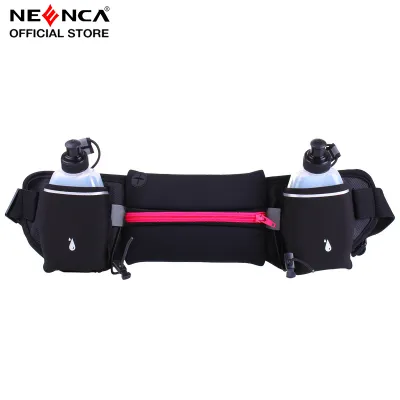
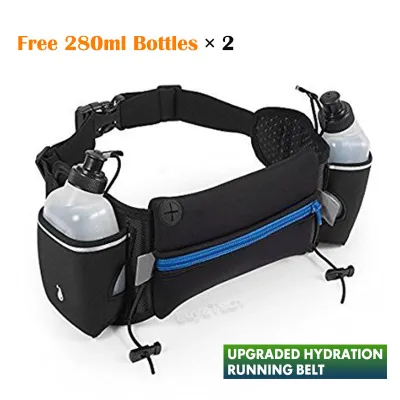
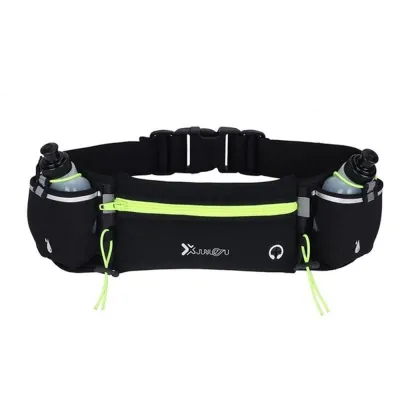
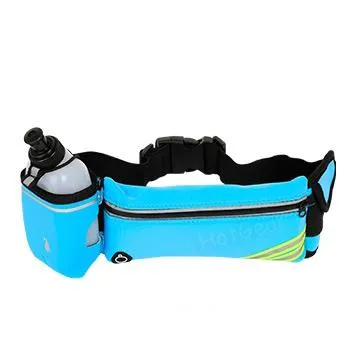
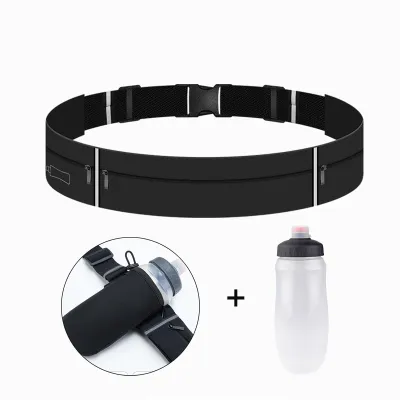
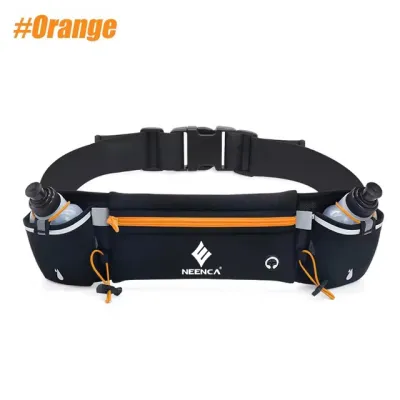
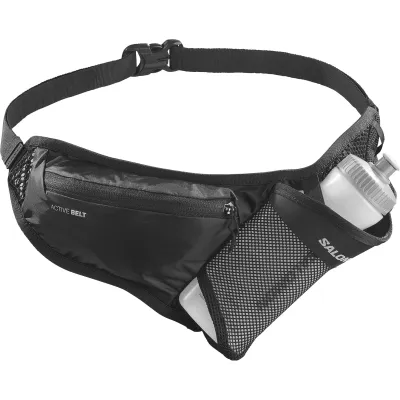
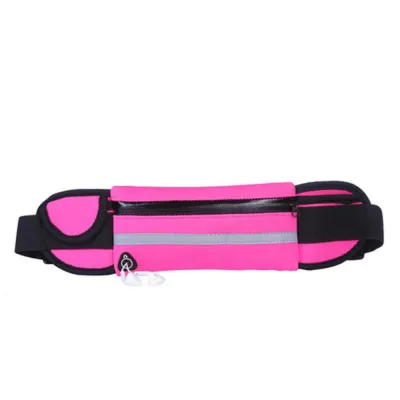
Prices are valid at publication and may change. Please refer to the product page for the latest price.

Flask Holster Belts (Modular Waist Packs)
These belts feature a structured or semi-structured waistband equipped with one or more dedicated, angled holsters designed to hold rigid bottles or soft flasks. The holsters are typically positioned at a 45-degree angle across the lower back, which aligns with the natural reach of your arms and minimizes the effort required to retrieve or stow your fluids.
Key Benefits:
- Weight Distribution: Placing the weight of the water over the sacrum or hips keeps your center of gravity stable and reduces vertical bounce.
- Easy Access: The rigid or semi-rigid openings of the holsters allow you to slide bottles in and out with one hand while maintaining your running pace.
- Modularity: Many designs allow you to remove unused holsters or slide them along the belt to customize your gear setup based on the day's mileage.
Limitations:
- Bulk: The structured waistbands and plastic holster frames can feel heavier and bulkier than minimalist fabric bands.
- Sizing Sensitivity: The holsters must match your bottle dimensions precisely; using an incompatible flask can lead to bottles slipping out or bouncing excessively.
Ideal For: Runners who prefer drinking directly from standard flasks, value structured organization, and need to carry three to five energy gels in separate, easily accessible zippered pockets.
Tube-Based Hydration Belts
This design utilizes a central lumbar reservoir or specialized side-mounted bottles connected to a flexible drinking tube that routes up to your chest or shoulder. This setup mimics the functionality of a hydration vest but keeps the weight concentrated lower on your body, reducing upper-body heat retention.
Key Benefits:
- Hands-Free Sipping: You can drink continuously through the bite valve without having to pull a bottle out of a holster, which helps maintain a steady running rhythm.
- Higher Capacity: These systems often accommodate larger fluid volumes, sometimes up to 1 liter or more, making them highly suitable for self-supported long runs.
- Continuous Hydration: The ease of sipping encourages more frequent, smaller fluid intakes, which can improve gastric comfort during intense efforts.
Limitations:
- Hose Management: The drinking tube can bounce or slap against your torso if the retention clips are not properly adjusted.
- Fuel Access: Because the central compartment is dedicated to the fluid bladder, accessing energy gels stored in secondary pockets can sometimes require fumbling or stopping.
- Maintenance: Cleaning and drying the long drinking tube and bladder is more time-consuming, especially in humid environments where mold can develop quickly.
Ideal For: Runners prioritizing continuous, hands-free hydration over rapid gel access, or those training in extreme heat where high fluid volumes are mandatory.
Stretchy Compression Bands with Integrated Pockets
These modern, tubeless systems consist of a continuous, wide loop of high-stretch fabric that sits flat against your waist or hips. They feature multiple integrated mesh pockets and elastic sleeves sewn directly into the band, allowing you to slide soft flasks, gels, and personal items flat against your body.
Key Benefits:
- Zero Bounce: The elastic compression holds all gear tightly against your skeletal frame, virtually eliminating the vertical movement or swaying common with traditional buckled belts.
- Chafe Prevention: The seamless, buckle-free design distributes pressure evenly around your entire waist, reducing hot spots and friction points.
- Minimalist Feel: These bands are incredibly lightweight and breathable, often feeling like an extension of your running shorts.
Limitations:
- Re-stowing Difficulty: Sliding a soft, half-empty flask back into a tight elastic pocket while running at pace requires practice and two hands.
- Capacity Limits: They are generally optimized for smaller soft flasks (typically 150ml to 250ml) rather than large, heavy bottles.
Ideal For: Runners who prioritize a lightweight, second-skin feel and zero chafing, and who are comfortable managing tight pocket access during their training sessions.
Essential Features to Check for Hydration and Gel Storage
When shopping for a running belt bottle system, looking at the overall design is only the first step. You must verify specific technical details and material specifications to ensure the gear performs reliably under demanding conditions.
Bottle Compatibility & Retention: Before purchasing, check the exact dimensions and volume capacity of the bottle sleeves. If you prefer soft flasks, ensure the pockets feature internal silicone grip strips or elastic bungee loops that secure the neck of the flask. Without these retention features, soft flasks will sag and slip downward as they empty, causing the belt to lose its balance. If you prefer rigid bottles, verify that the holster has a secure locking mechanism or an elastic retention strap that can be quickly released with one hand.
Gel Storage & Accessibility: Your energy gels must be positioned where you can grab them instantly without breaking your stride or looking down. Look for belts that feature external, high-stretch mesh loops or dedicated, wide-mouth front pockets. Mesh loops allow you to slide the tabs of your gel packets directly through the elastic, keeping them secure yet ready to be pulled free in a single motion. If using a zippered pocket, ensure the zipper pull is large enough to grasp with sweaty fingers.
Anti-Bounce & Adjustability: A belt’s adjustment system determines how well it stays in place as your body moves. Look for dual-adjustment tensioning straps that pull from both sides toward the center, as this keeps the main storage compartments perfectly aligned on your lower back or hips. Avoid single-pull systems that can pull the belt off-center during adjustment. Additionally, look for belts that incorporate small sections of elasticated webbing; these sections allow the belt to expand and contract slightly with your diaphragmatic breathing, preventing a suffocating feel during high-intensity efforts.
Breathability & Moisture Resistance: In tropical climates like Singapore’s, high humidity and heavy sweating are constant challenges. A wet, heavy belt will quickly sag and cause severe chafing against your skin. Look for backing materials made from 3D air-mesh or perforated neoprene, which promote airflow and allow sweat to drain away from your body. Furthermore, ensure the zippers are made from rust-proof plastics or treated metals, and that any pocket intended for electronics or salt tablets features a water-resistant lining to protect your gear from heavy sweat and sudden tropical downpours.
Packing and Fitting Tips to Prevent Bouncing
Even the most advanced running belt will bounce or chafe if it is packed incorrectly or worn in the wrong position. Proper loading and fitting are essential skills for maintaining stability and comfort over long distances.
Weight Distribution: To maintain stability, always place your heaviest items closest to your center of gravity. Position full water bottles on your sides or directly over your lower back, where your pelvic structure can support the weight. Distribute lighter items, such as energy gels, keys, and your phone, evenly across the front or opposite sides of the belt. An unbalanced belt will inevitably twist, sag, or pull to one side, leading to uneven friction and chafing.
Proper Placement: Many runners make the mistake of wearing their running belt high up around their natural waist. This soft tissue area compresses easily, causing the belt to slide down as you run or restrict your breathing. Instead, position the belt lower down, resting directly on your hips (the iliac crest). This bony structure provides a stable platform that prevents the belt from sliding downward, while allowing your abdomen to expand naturally as you breathe deeply.
Flask Management: If you are using soft flasks, you can significantly reduce bouncing and sloshing by removing excess air. After filling the flask with your sports drink, squeeze the bottle gently until the liquid reaches the bite valve, then secure the cap. Removing the air pocket prevents the liquid from sloshing back and forth, which is a major cause of belt movement and distracting noise during long runs.
Load Testing: Never wear a brand-new, fully loaded belt on a long-distance training run or race without testing it first. Prepare your belt exactly as you plan to wear it on race day, filling the bottles and packing all your gels. Perform a short, 15 to 20-minute shakeout run near your home. Use this run to identify any areas of friction, check if the bottles are easy to access, and adjust the tension of the straps until the system feels completely stable.
Frequently Asked Questions (FAQ)
Can I use a regular waist bag instead of a dedicated running belt?
No, regular waist bags or casual travel pouches are not designed for the physical demands of running. They lack the specialized anti-bounce engineering, secure bottle retention systems, and high-stretch materials found in dedicated running belts. Using a non-running waist bag for long-distance training typically results in severe chafing from rough seams, unstable load shifting, and a lack of breathability that traps sweat against your skin. Furthermore, casual bags rarely feature accessible compartments, making it difficult to retrieve sports drinks or energy gels without stopping completely.
How many energy gels can a typical running belt hold?
A standard running belt designed for long-distance training can typically hold between three and five energy gels. Many models feature dedicated external elastic loops that hold individual gel packets securely on the exterior of the belt for instant access. Other designs utilize a centralized, high-stretch mesh pocket that can accommodate multiple gels alongside small personal items. If your training or racing strategy requires carrying more than five gels, you may need to look for a high-capacity compression band or consider supplementing your storage with running shorts that feature integrated gel pockets.
Should I choose soft flasks or hard bottles for my running belt?
The choice between soft flasks and hard bottles depends on your comfort preferences and the design of your belt. Soft flasks are lightweight, conform to the contours of your body, and shrink as you drink, which eliminates liquid sloshing and reduces bouncing. They are the ideal choice for stretchy compression bands and tight mesh pockets. Hard bottles, on the other hand, hold their shape, making them much easier to slide back into structured holsters with one hand while running. They are also more durable and easier to clean thoroughly, though they remain bulkier and require a highly secure, well-fitted holster system to prevent bouncing.
Community discussion
Share your experience or ask a question. Comments are reviewed before publication.