
Choosing the right Shimano spinning reel as a beginner in Singapore depends entirely on where you plan to cast your line. For calm freshwater reservoirs, a lightweight and budget-friendly reel is ideal. For brackish estuaries where salinity levels shift, a mid-tier reel with improved drag is necessary. For coastal jetties exposed to harsh saltwater, a reel built with specialized anti-corrosion features is essential to prevent mechanical failure. Matching the reel to your environment ensures durability and a smoother learning curve.
How to Match Your Shimano Reel to Singapore's Fishing Scenarios
Singapore offers a diverse range of fishing environments within a relatively small geographic area. Each environment presents unique challenges to your fishing gear, particularly regarding water salinity, species behavior, and casting frequency. Understanding these scenarios is the first step in selecting a reel that will perform reliably without requiring premature replacement.
Freshwater Reservoirs and Paid Ponds
Singapore’s inland fishing spots, such as Bedok Reservoir, Pandan Reservoir, Jurong Lake, and various commercial paid ponds, offer controlled, non-corrosive environments. Here, beginners typically target species like peacock bass, tilapia, or snakeheads (toman). These species require frequent, active casting with lightweight lures or soft plastics.
Products mentioned in this guide
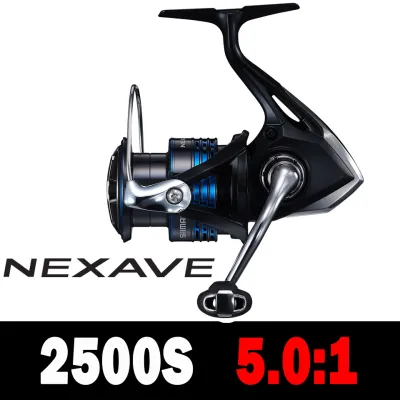
Prices are valid at publication and may change. Please refer to the product page for the latest price.
Your reel must be lightweight to prevent wrist fatigue over several hours of continuous casting. Smooth drag systems are essential because fish like peacock bass make sudden, explosive runs when hooked. Because these waters lack salt, you do not need expensive anti-corrosion seals, allowing you to focus your budget on lightweight comfort and smooth casting mechanics.
Estuaries and Brackish Water
Estuary environments, including mangrove channels, river mouths, and tidal canals around areas like Sungei Buloh or Pasir Ris, present a transitional zone. The water salinity in these areas fluctuates constantly with the tide and tropical rainfall. Here, you are likely to encounter aggressive predators like barramundi (siakap) or mangrove jacks.
These fish are known for diving into structure like submerged roots and rocks, requiring a reel with moderate to high drag power to control the fight. The shifting salinity demands a reel with basic water-resistant coatings and tighter tolerances to protect the internal gears from salt spray and brackish splashes, even if the reel is never fully submerged.
Light Saltwater Jetties and Coastal Areas
Fishing from popular coastal spots like Bedok Jetty, Woodlands Jetty, or West Coast Park exposes your gear to full-strength marine environments. Saltwater is highly corrosive and can ruin internal reel components in a matter of days if the gear is unprotected. Coastal species, such as small trevally, queenfish, groupers, or tuskfish, are generally stronger and run further than freshwater species.
These species demand larger line capacities and robust drag systems. For these scenarios, beginners must prioritize reels constructed with anti-corrosion materials, shielded bearings, and robust body designs that prevent salt crystallization from locking up the gears. Jetty fishing also involves casting heavier sinkers and lures, which puts more physical stress on the reel’s bail arm and rotor.
Decision Framework
To simplify your path, ask yourself where you will spend the majority of your fishing time. If you plan to stick to local reservoirs and commercial ponds, a basic freshwater reel offers the best value and lowest weight. If you want to explore coastal mangrove creeks and river mouths, choose a versatile mid-tier reel with basic water resistance. If you are drawn to jetty fishing and coastal shores, invest in a dedicated light saltwater reel with advanced seals. Selecting the right category first prevents you from overpaying for unnecessary saltwater protection or destroying a freshwater reel in corrosive environments.
Top Shimano Spinning Reel Recommendations for Beginners
Shimano offers a structured lineup of spinning reels that cater to different budgets and environments. Below are the top recommendations for beginners, categorized by their optimal fishing scenario.

Best for Freshwater Reservoirs and Paid Ponds
Applicable Scenario: This category is tailored for beginners who fish exclusively in non-corrosive environments, such as Singapore’s designated reservoir zones or freshwater paid ponds. It is ideal for targeting smaller to medium-sized species like tilapia, peacock bass, and smaller snakeheads using lightweight lures or live bait.
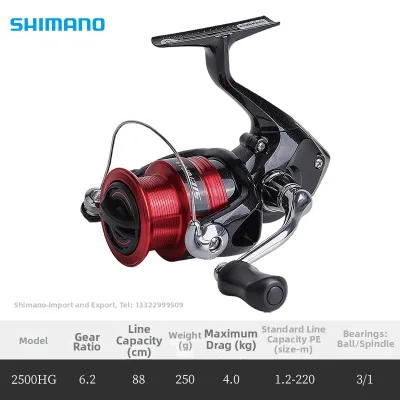
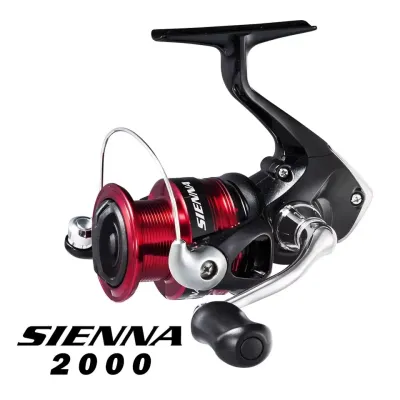
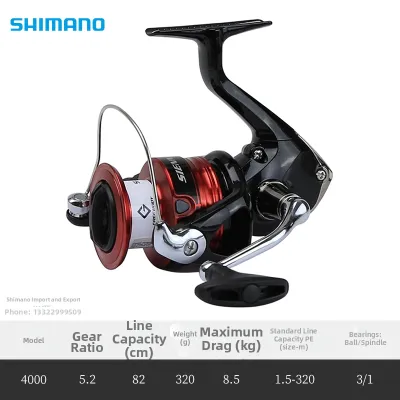
Rationale: The Shimano Sienna series is a premier entry-level option for this scenario. It provides an exceptionally budget-friendly entry point (typically under S$50) without sacrificing the basic mechanical reliability Shimano is known for. The Sienna features Shimano’s Propulsion Line Management System, which includes an angled spool lip that allows the line to leave the spool in smaller loops. This design helps beginners learn proper casting mechanics and minimizes frustrating line tangles, such as wind knots. Because freshwater environments do not subject the reel to corrosive salt, the simpler graphite construction of the Sienna keeps the overall weight low, allowing for comfortable, high-frequency casting during long afternoon sessions.
Limitations: The primary limitation of basic freshwater reels like the Sienna is the complete lack of specialized water-resistant seals or anti-corrosion bearings. Exposure to brackish or saltwater will quickly lead to salt crystallization, rust, and gear grinding. Additionally, the drag system and body materials are not designed to withstand the extreme pressure of large marine species or heavy mud contamination, meaning they should remain strictly within clean freshwater boundaries.
Pre-purchase Checks: Before purchasing, inspect the product packaging or official specification sheet to verify the gear ratio, which typically ranges from 5.0:1 to 6.2:1 for versatile retrieval speeds. You must also check the line capacity label to ensure the spool can comfortably hold your chosen fishing line, such as 100 to 150 meters of 6-12 lb monofilament or braided line. Ensure the reel size matches your rod; a 2000 or 2500 size is generally perfect for local freshwater setups.
Best for Estuaries and Brackish Water
Applicable Scenario: This selection is designed for anglers who want the flexibility to fish in both freshwater reservoirs and brackish estuary environments, such as mangrove creeks, river outlets, and tidal canals. It is ideal for targeting hard-fighting species like barramundi, mangrove jacks, and archerfish.
Rationale: Mid-tier entry series like the Shimano Sedona or Shimano Sahara offer an excellent balance of affordability and enhanced structural durability, generally priced between S$50 and S$120. These models incorporate upgraded internal gearing, such as Shimano’s cold-forged Hagane Gear, which provides smoother rotation and greater strength under load. They also feature improved drag washers that deliver consistent, non-jerky pressure during long runs. Crucially, these reels feature Shimano’s G-Free Body technology, which shifts the reel’s center of gravity closer to the rod. This improves balance and significantly reduces hand fatigue. They also have tighter body tolerances that protect the internal mechanics from occasional brackish splashes, high humidity, and light rain.
Limitations: Although the Sedona and Sahara handle brackish environments exceptionally well, they are not fully sealed saltwater reels. They cannot survive submersion in water, and they require diligent maintenance. If exposed to heavy salt spray or dropped in brackish mud, the lack of advanced labyrinth seals means salt can still penetrate the casing over time if the reel is not cleaned immediately.
Pre-purchase Checks: When choosing a reel for estuary use, verify the maximum drag power specification on the box to ensure it can handle sudden, powerful runs from species like barramundi—look for a maximum drag of at least 4 kg to 9 kg depending on size. Additionally, check that the reel size is appropriate for your target line and rod balance; a 2500 to C3000 size is highly recommended for estuary setups, providing a good balance of weight and line capacity.
Best for Light Saltwater and Coastal Jetties
Applicable Scenario: This category is built for beginners who plan to fish regularly from coastal jetties, rocky breakwaters, sandy beaches, or on light offshore boats where constant exposure to salt spray, wind-blown salt, and occasional waves is guaranteed. It is optimized for targeting strong coastal species like queenfish, small trevally, groupers, and snapper.
Rationale: For regular saltwater exposure, entry-level to lower-mid series like the Shimano Nasci or the highly regarded Shimano Stradic FM are the standard recommendations, ranging from S$120 to over S$250. These reels feature Shimano’s Coreprotect or X-Protect technology, which uses a specialized water-repellent coating and a labyrinth structure to prevent water from entering the roller bearing and body. They are equipped with shielded anti-rust bearings (S A-RB) that resist corrosion far better than standard steel bearings, along with a robust bail arm designed to withstand the abrasive effects of salt crystallization. The internal gears are also cut with higher precision (SilentDrive), reducing play and noise for a highly connected feel.
Limitations: The primary trade-off with these highly protected reels is the higher initial cost, which may be a barrier for absolute beginners who are unsure of their long-term commitment to the sport. Additionally, the inclusion of robust sealing mechanisms, heavier-duty body materials, and metal alloys can make these reels slightly heavier than their pure freshwater counterparts, which may cause slightly more casting fatigue over extended periods.
Pre-purchase Checks: When buying, carefully examine the packaging or manufacturer specification sheet for terms indicating advanced water resistance, such as “Coreprotect” or “X-Protect,” and confirm the presence of shielded anti-rust bearings (S A-RB). Ensure the reel’s drag system is fully sealed to prevent saltwater from degrading the drag washers. For light saltwater jetty fishing, a C3000 or 4000 size reel is typically preferred to accommodate thicker lines and provide sufficient drag power.
Key Specifications to Check Before You Buy
Understanding how to read a spinning reel’s specification sheet allows you to make informed decisions when browsing local tackle shops or authorized online retailers. Here are the key specifications every beginner should verify.
- Gear Ratio: The gear ratio indicates how many times the spool's rotor spins for every single turn of the handle. For example, a 6.2:1 ratio means the rotor spins 6.2 times per handle turn, representing a high-speed reel. High-speed reels (often marked with "HG" or "XG") are excellent for retrieving lures quickly or catching up to fast-swimming fish. Conversely, a lower ratio like 5.0:1 (often marked as "PG" or standard) provides more cranking power, making it easier to pull stubborn fish out of structure. Beginners should generally look for a versatile middle ground, around 5.2:1 to 5.8:1, which handles both lure fishing and bait fishing effectively.
- Drag Power: Drag power refers to the amount of friction applied to the spool to prevent it from releasing line too easily when a fish pulls. It is measured in kilograms (kg) or pounds (lb) on the reel's specification sheet. A smooth, adjustable drag is critical because it prevents your line from snapping when a large fish makes a sudden run. For beginners in Singapore, a reel with a maximum drag of 3 kg to 4 kg is sufficient for freshwater, while 9 kg is preferred for estuary and light saltwater fishing to stop powerful species from reaching underwater obstructions.
- Line Capacity: Line capacity dictates how much fishing line of a specific diameter or breaking strength the spool can hold. This is usually printed on the side of the spool or the box in formats like "mm/m" (millimeters of diameter/meters of length) or "lb/yds" (pounds of breaking strength/yards of length). It is vital to match this to your target environment; jetty fishing often requires casting long distances and having extra line for deep water, meaning you will need a larger line capacity than you would for a narrow freshwater canal.
- Bearings: Ball bearings are placed inside the reel to reduce friction between moving parts, resulting in a smoother retrieve and better casting performance. While many budget brands advertise high bearing counts as a marketing gimmick, the quality of the bearings is far more important than the quantity. A Shimano reel with 3 or 4 high-quality, shielded bearings will perform smoother and last significantly longer than a generic reel with 10 cheap, unshielded bearings. Look for shielded or anti-rust bearings (S A-RB) if you plan to fish anywhere near saltwater.
- Weight: Reel weight is measured in grams (g) or ounces (oz) and directly impacts how balanced your setup feels in your hand. A heavy reel paired with an ultra-light rod will feel awkward and cause rapid fatigue in your wrist and forearm during long casting sessions. Beginners should aim for a reel that balances comfortably with their chosen rod, allowing the setup to sit level when balanced on your finger just above the reel seat. Keeping the overall weight low is especially important if you plan to practice active lure casting rather than passive bait fishing.
Essential Maintenance for Singapore's Humid and Saltwater Conditions
Singapore’s tropical climate, high humidity, and salty air create a highly corrosive environment for fishing gear. Proper maintenance is the single most important factor in extending the lifespan of your Shimano reel.
- Post-Trip Rinsing: After every outing in brackish or saltwater, you must rinse the reel with fresh water. Use a very gentle stream of lukewarm tap water with the drag tightened completely to prevent water from entering the drag stack. Never submerge the reel in water or use high-pressure hoses, as high pressure will force salt, sand, and water past the seals and directly into the internal bearings and gears.
- Drying and Storage: Once the rinse is complete, shake off any excess water and wipe the exterior with a clean, dry microfiber cloth. Before storing the reel, back off the drag adjustment knob completely so there is no tension on the drag washers. Leaving the drag tightened during storage compresses the washers, causing them to lose their elasticity and smooth performance over time. Store the reel in a well-ventilated, cool, and dry indoor space, away from direct sunlight and high-humidity areas like outdoor balconies or damp storage closets.
- Visual Inspection: Regularly inspect your reel for any early signs of wear or damage before heading out to the water. Rotate the handle slowly to feel for any grinding, stiffness, or unusual clicking noises, which often indicate salt buildup or a dry bearing. Check the line roller—the small wheel where the line transitions onto the spool—to ensure it spins freely, as a seized line roller will quickly damage your fishing line. If you notice persistent stiffness or internal grinding, stop using the reel immediately and take it to a professional tackle shop or contact the manufacturer for service.
- Lubrication Boundaries: While keeping your reel lubricated is essential, improper lubrication can cause more harm than good. Avoid using household penetrating oils, multi-purpose sprays, or heavy automotive grease, as these products break down the reel's specialized internal lubricants and attract dirt and abrasive salt particles. Apply only manufacturer-approved reel oil and grease to the designated external moving parts, such as the handle joints and bail hinges, using a single drop of oil. Do not attempt to open the main body casing to lubricate internal gears yourself unless you are trained, as this can void your warranty and misalign delicate components.
Frequently Asked Questions (FAQ)
Do I need a dedicated saltwater reel for occasional estuary fishing?
You do not strictly need a dedicated, fully sealed saltwater reel if you only plan to fish brackish estuaries occasionally. A high-quality mid-tier reel with basic water resistance, such as the Shimano Sedona or Sahara, is more than capable of handling these environments. However, because these reels lack advanced labyrinth seals, you must be extremely diligent with your post-trip maintenance. Rinsing the reel thoroughly with fresh water and drying it immediately after every trip is non-negotiable to prevent salt and humidity from corroding the internal gears.
What reel size is generally best for beginners in Singapore?
For beginners navigating Singapore’s diverse fishing spots, a 2500 or C3000 size spinning reel is the most versatile and practical starting point. This size range offers an ideal balance of weight, line capacity, and drag power, making it suitable for multiple scenarios. It is light enough for comfortable, high-frequency casting in freshwater reservoirs for peacock bass, yet robust enough to hold sufficient line and provide enough drag to handle hard-fighting estuary species like barramundi or light coastal catches from jetties.
Can I use the same reel for both freshwater and light saltwater?
Yes, you can use a single reel for both environments, provided the reel features adequate corrosion protection, such as the Shimano Nasci. Using a saltwater-ready reel in freshwater is perfectly safe, but using a basic freshwater reel in saltwater will rapidly destroy it. If you choose to use one reel for both, your maintenance routine must be flawless; a thorough freshwater rinse after every saltwater exposure is mandatory to prevent internal corrosion. Additionally, you must ensure your chosen fishing line and rod are versatile enough to handle both environments.
Community discussion
Share your experience or ask a question. Comments are reviewed before publication.