
Finding the right shoulder massage machine for office workers requires balancing deep muscle relief with workplace practicality. If you spend hours hunched over a laptop in a chilly, air-conditioned office in Singapore, you are likely familiar with the dull, persistent ache in your upper back and neck. The best device for this scenario is one that targets the upper trapezius muscles effectively while remaining quiet enough for a shared workspace and convenient enough to use without disrupting your workflow. While there is no single “perfect” device for every individual, selecting the right machine depends on whether you need hands-free convenience during virtual meetings, deep-tissue kneading during breaks, or highly discreet, wearable therapy under your professional attire.
Understanding Desk-Induced Neck and Shoulder Tension
Prolonged sitting at a desk naturally encourages the body to slump forward. When your focus is glued to a monitor, your shoulders tend to roll inward, and your head drifts forward past its natural alignment. This forward head posture—often referred to as “text neck”—significantly increases the structural load on your cervical spine and the surrounding musculature. The upper trapezius, levator scapulae, and rhomboid muscles must contract constantly to support the weight of your head, leading to reduced blood flow, localized oxygen deprivation, and the formation of painful myofcial trigger points, or muscle knots.
Allowing this daily muscle stiffness to accumulate without intervention can lead to long-term consequences. What begins as a mild, end-of-day tightness can gradually evolve into chronic tension, tension headaches, and restricted range of motion. Because visiting a professional masseuse or physiotherapist daily is impractical for most office workers, a dedicated shoulder massage machine offers a highly accessible, immediate intervention. By stimulating blood circulation and manually releasing tight muscle fibers directly at your desk, these devices help manage daily tension before it settles into chronic, debilitating discomfort.
Products mentioned in this guide
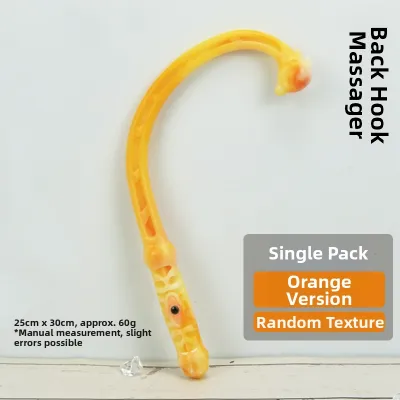
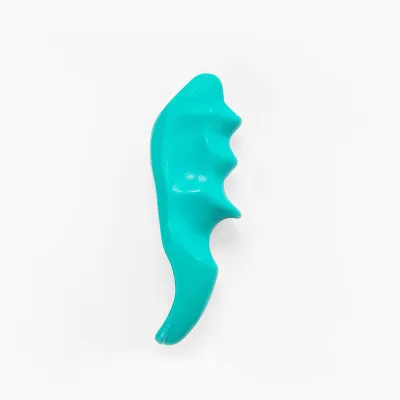
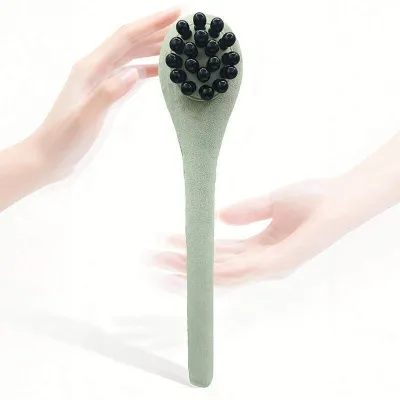

Prices are valid at publication and may change. Please refer to the product page for the latest price.
Key Features to Look for in an Office-Friendly Shoulder Massage Machine
When evaluating a shoulder massage machine for a workspace, standard consumer reviews can be misleading because they often overlook the unique constraints of an office environment. An effective workplace massager must balance therapeutic power with professional discretion and ease of use.

Ergonomics and Hands-Free Design
A primary consideration is how the device sits on your body. Traditional handheld massagers require you to actively grip and guide the device, which completely halts your productivity. For office workers, a hands-free or strap-secured design is highly preferable. Wearable collar-style massagers or U-shaped devices with arm loops allow you to drape the machine over your shoulders, leaving your hands free to type, answer emails, or write. Some advanced designs feature adjustable back straps that buckle around your torso, securing the massage nodes firmly against your upper back without requiring any manual intervention.
Noise Levels and Motor Technology
In a quiet office or a home-office environment where virtual meetings are frequent, the noise output of a massage device is critical. High-torque motors can produce a loud, distracting hum that disrupts your concentration and annoys nearby colleagues. Look for devices equipped with brushless motors, which naturally operate at lower decibel levels (ideally below 45 to 50 decibels). A quiet motor ensures you can enjoy a soothing massage during a video conference or a focused work session without broadcasting the sound of your recovery device to the entire room.
Portability and Power Options
Power cables are a major desk hazard and limit where you can use your device. Cordless, rechargeable models offer the freedom to move from your main desk to a meeting room, or even to use the device during a commute. Pay close attention to battery capacity, seeking models that offer at least two to three hours of continuous runtime on a single charge. Furthermore, universal charging compatibility—specifically USB-C—is a massive advantage for office workers, as it allows you to charge the massager using your existing laptop charger or a standard desktop USB port, eliminating the need to carry proprietary power adapters.
Integrated Heat Therapy
Many offices in Singapore are kept at cold temperatures, which causes muscles to naturally contract and tighten as the body attempts to stay warm. A shoulder massage machine featuring integrated heat therapy is exceptionally beneficial in these environments. Mild, radiating warmth (typically ranging between 38°C and 45°C) helps dilate blood vessels, accelerating local blood circulation and preparing stiff muscle fibers for mechanical kneading. Ensure the heat function can be toggled independently of the massage motion, allowing you to use the warmth alone on particularly cold days.
Adjustable Intensity and Modes
Muscle sensitivity fluctuates throughout the day based on your stress levels and posture. A massager with only one speed or pressure setting can easily cause bruising or worsen inflammation if applied to highly sensitive, acute knots. Opt for machines that offer multiple speed levels and distinct massage modes (such as alternating directions or variable percussion rhythms). This flexibility allows you to start with a gentle, superficial relaxation program in the morning and transition to a deeper, more intense kneading cycle at the end of your workday.
Top Types of Shoulder Massagers for Desk Tension Relief
Different massage technologies address muscle tension through distinct physical mechanisms. Understanding these categories will help you select a device that matches your specific pain points, tolerance for pressure, and office environment.
Shiatsu Neck and Shoulder Massagers
Shiatsu massagers utilize rotating plastic or silicone spheres—often called massage nodes—to mimic the deep, circular kneading techniques of a professional massage therapist. These nodes rotate in alternating directions, physically gripping and rolling over the upper trapezius and suboccipital muscles at the base of the skull.
This type of massager is best suited for individuals dealing with severe, deep-seated muscle knots and chronic tightness that require intense physical manipulation. The direct mechanical pressure is highly effective at breaking up stubborn adhesions.
However, Shiatsu massagers have distinct limitations for office use. They are generally the bulkiest and heaviest option, making them difficult to pack into a standard commuter bag. While some models feature hands-free straps, many still require you to pull down on forearm loops to apply sufficient pressure, which limits your ability to type. Additionally, the mechanical gears can produce a noticeable grinding sound in very quiet workspaces.
Percussion Massage Guns for Targeted Relief
Percussion massage guns deliver rapid, concentrated pulses of pressure deep into the muscle tissue. By utilizing a high-frequency percussive stroke, these devices desensitize the local nervous system and rapidly increase blood flow to a highly specific area.
Massage guns are exceptionally effective for quick, targeted relief during short office breaks. If you feel a sudden, sharp spasm in your upper trapezius or along the edge of your shoulder blade, a two-minute application with a dampener or soft ball attachment can quickly release the tension and restore comfort.
The primary limitation of a percussion gun is its manual operation. You must hold the device with one hand, which makes it impossible to type or write during use. Furthermore, reaching the middle of your upper back or the exact spot between your shoulder blades on your own is physically challenging. They can also be visually conspicuous and loud, making them less suitable for open-plan office layouts.
Wearable EMS and TENS Devices
Electrical Muscle Stimulation (EMS) and Transcutaneous Electrical Nerve Stimulation (TENS) devices use small, battery-powered pods connected to adhesive gel pads. EMS sends mild electrical currents to trigger rhythmic muscle contractions, promoting circulation, while TENS stimulates sensory nerves to block pain signals from reaching the brain.
These devices are the ultimate choice for highly discreet, completely hands-free use. Because they are thin, lightweight, and wireless, you can easily wear them underneath a professional button-down shirt or blouse. They operate in complete silence, allowing you to receive therapeutic stimulation during active client meetings or presentation deliveries without anyone noticing.
The trade-off is that electrical stimulation does not provide any physical, mechanical kneading. If you crave the sensation of hands rubbing your shoulders, these devices may feel unsatisfying, as they produce a distinct tingling or tapping sensation instead. Additionally, they require ongoing purchases of replacement adhesive gel pads.
Smart Posture Correctors with Vibration
Smart posture correctors are hybrid wellness devices worn around the upper back. Equipped with internal gyroscopes and sensors, they monitor the angle of your spine in real-time. When you slouch forward past a pre-set threshold, the device emits a gentle vibration.
Instead of passively treating existing pain, these devices are designed to address the root cause of desk tension by actively training you to maintain better spinal alignment. Over time, this helps strengthen your core and upper back muscles, preventing the onset of posture-related muscle fatigue.
However, their massage capabilities are highly limited. The vibration is a superficial, sensory cue rather than a therapeutic deep-tissue treatment. If your shoulders are already locked in a painful spasm, a posture corrector will not provide the physical release that a Shiatsu or percussion massager can offer.
How to Use a Shoulder Massager Safely at Your Desk
While a shoulder massage machine is an excellent recovery tool, improper or excessive use can lead to muscle inflammation, skin irritation, or nerve injury. Following safe usage guidelines ensures you achieve relief without causing secondary harm.
Before using any new wellness device, always read the manufacturer’s instructions and check the product’s safety labels. If you have an underlying medical condition, consult a healthcare professional before application.
Time Limits and Auto-Shutoff
More is not always better when it comes to muscle recovery. Limit your massage sessions to 15 or 20 minutes per muscle group, up to two or three times a day. Applying mechanical pressure or high-frequency percussion for too long can bruise deep tissues, irritate sensitive nerves, and cause rebound muscle spasms. Most quality office massagers feature an integrated auto-shutoff timer that automatically stops the device after 15 minutes; always utilize this feature and resist the temptation to immediately restart the cycle.
Placement and Posture
Position the device carefully so that the massage nodes or percussive heads act directly on the soft muscle tissue of your upper trapezius and shoulders. Avoid placing rotating nodes directly over the bony protrusions of your spine, clavicle, or the side of your neck where major blood vessels and nerves reside. While using the device, maintain a neutral, upright posture. Do not slouch into the massager or let it force your neck into an unnatural, forward-bent angle, as this defeats the purpose of the therapy and adds structural stress to your cervical spine.
Contraindications and Red Flags
Stop using the device immediately if you experience sharp, shooting pain, numbness, or a “pins and needles” sensation radiating down your arms or into your fingers. These symptoms indicate nerve compression, which mechanical kneading can severely worsen. Never use a massager over acute injuries, open wounds, swollen joints, or bruised skin. Additionally, wearable EMS and TENS devices are strictly contraindicated for individuals with cardiac pacemakers, implanted defibrillators, or during pregnancy; always verify medical compatibility before use.
Hygiene and Device Care
In a shared office environment, hygiene is paramount if your device is borrowed by colleagues or if you use it directly against your skin on a warm day. Choose massagers with removable, washable fabric covers, or regularly wipe down the contact surfaces with a damp, non-abrasive cloth and a mild sanitizer. For cordless models, preserve battery longevity by avoiding leaving the device plugged into a charger indefinitely once it reaches full capacity, and store it away from direct sunlight or damp desk drawers.
Frequently Asked Questions (FAQ)
Can I use a shoulder massager while actively typing on my laptop?
Your ability to type depends entirely on the type of massager you choose. Wearable EMS/TENS devices and lightweight posture correctors allow complete freedom of movement, making them ideal for active typing. In contrast, heavy Shiatsu massagers often require you to pull down on arm straps to maintain pressure, which restricts your hands. Furthermore, the intense physical movement of a Shiatsu massager or the rapid vibrations of a percussion gun can transfer to your arms, making precise typing or mouse control highly difficult and distracting.
Is it safe to use the heat therapy function all day at the office?
No, keeping the heat therapy function active continuously throughout the workday is unsafe. Prolonged exposure to low-grade heat against the skin can cause localized redness, mild burns, or a skin condition known as erythema ab igne (mottled skin discoloration). To prevent skin irritation, limit the heat function to 15-to-20-minute intervals. Always ensure there is a layer of clothing between the heating elements and your bare skin, and rely on the device’s automatic shutoff mechanism to regulate exposure.
Should I consult a doctor before using a massage machine for chronic neck pain?
Yes, consulting a medical professional or physiotherapist is highly recommended if your neck and shoulder pain is chronic, severe, or worsening. While standard muscle fatigue from desk work responds well to massage, chronic pain can be a symptom of underlying structural issues such as cervical spondylosis, herniated discs, or spinal stenosis. If your pain is accompanied by dizziness, headaches at the base of the skull, numbness, tingling, or weakness in your arms and hands, do not use a massage machine. Seek a professional medical evaluation immediately to obtain an accurate diagnosis and a safe, structured treatment plan.
Community discussion
Share your experience or ask a question. Comments are reviewed before publication.