
Selecting the right soccer ball size 5 in Singapore depends on your skill level, playing frequency, and the pitch surfaces you frequent. For competitive matches, a FIFA-certified match ball with thermal bonding offers the most reliable flight and touch. Frequent training on local artificial turf requires a hybrid-stitched ball with a durable polyurethane casing and a butyl bladder. Casual weekend games on hard courts or neighborhood parks are best served by budget-friendly, scuff-resistant thermoplastic polyurethane (TPU) or rubber-covered balls.
Singapore’s active amateur football scene spans weekend social leagues, school tournaments, and casual evening kickabouts. Given the high humidity, intense tropical downpours, and the prevalence of artificial turf pitches, choosing the correct gear is essential for performance and longevity. Understanding the construction, materials, and certifications of a size 5 ball will help you make an informed purchase that aligns with your playing style and budget.
Understanding Soccer Ball Size 5 Specifications and Certification Standards
Size, Weight, and Age Suitability
A standard soccer ball size 5 is the official size used in professional and amateur adult football worldwide. It features a circumference measuring between 68 and 70 centimeters (27 to 28 inches). When fully inflated, the ball must weigh between 410 and 450 grams (14 to 16 ounces) at the start of a match.
Products mentioned in this guide
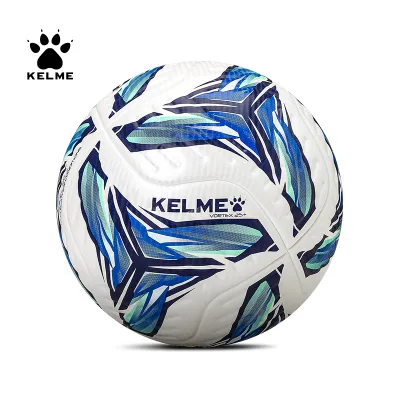
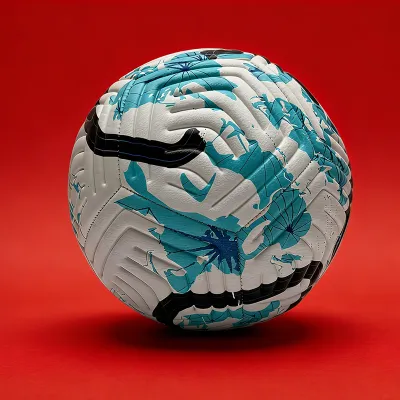
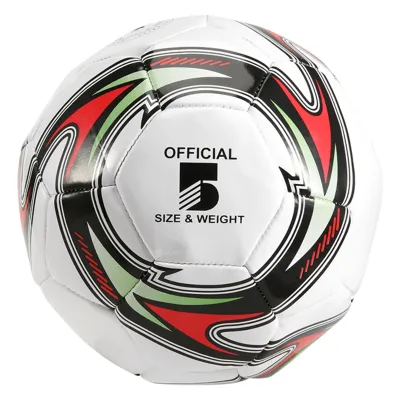
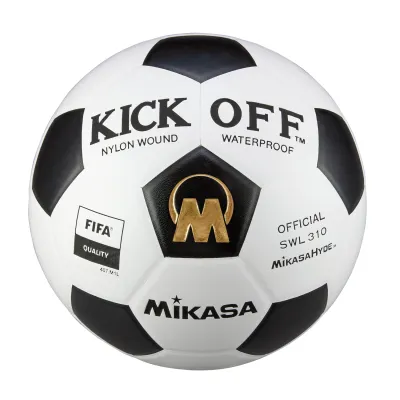
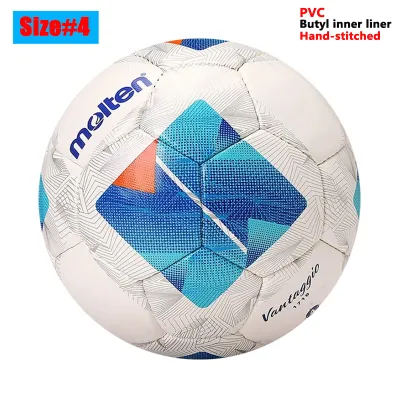
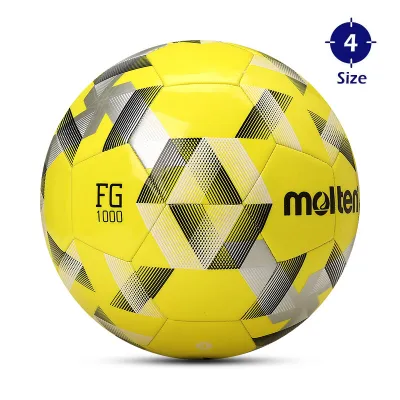
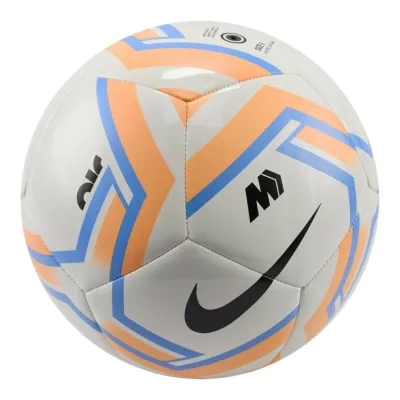
Prices are valid at publication and may change. Please refer to the product page for the latest price.
This size category is designed specifically for players aged 12 and above, including teenagers and adults. Using the correct size is crucial for developing proper passing, shooting, and ball-control techniques. It also ensures that the physical impact on joints and muscles is appropriate for the player’s developmental stage.
When shopping for a new ball, always check the technical specifications printed directly on the casing or the packaging. Manufacturers often print the size number near the inflation valve. Checking this detail prevents the accidental purchase of a size 4 ball, which is lighter and smaller, intended for youth players aged 8 to 11.
Decoding FIFA Quality and Basic Marks
To help consumers identify high-quality equipment, world football’s governing body uses a standardized certification system. The most prestigious mark is “FIFA Quality Pro,” which is mandatory for official professional matches. Balls with this stamp have passed rigorous laboratory tests evaluating weight, roundness, bounce, water absorption, and pressure retention under extreme conditions.
The “FIFA Quality” mark is the secondary tier, indicating that the ball is durable and consistent enough for amateur league matches and high-level team training. Another common standard is “IMS” (International Match Standard), which uses testing criteria identical to the FIFA Quality mark but does not require the manufacturer to pay a licensing fee to FIFA.
While these official stamps guarantee that a ball meets strict performance and shape-retention benchmarks, non-certified options are still highly useful. For casual backyard play, beach kickabouts, or occasional park games, a non-certified ball from a reputable manufacturer offers excellent value without the premium price tag associated with official testing certifications.
Match Balls: Top Choices for Competitive and Advanced Players
Key Performance Features
Premium match balls are engineered to deliver maximum responsiveness, precise flight path stability, and minimal water intake. The defining characteristic of a top-tier match ball is thermal bonding. Instead of being stitched together by hand or machine, the panels are glued and heat-sealed in a mold. This seamless construction prevents water from entering the seams during sudden Singapore downpours, keeping the ball from becoming waterlogged and heavy.

The outer casing of a high-end match ball is typically made from premium polyurethane (PU). This material is highly elastic, allowing the ball to compress and rebound quickly upon impact, translating to faster shot speeds. The surface of the PU casing is often micro-textured with dimples or specialized patterns, which improves aerodynamic stability in the air and provides players with better grip under wet conditions.
Inside the ball, the choice of bladder significantly influences how the ball feels off the foot. Premium match balls frequently utilize natural latex bladders, which offer the softest touch, high bounce, and excellent responsiveness. However, latex is a porous material that slowly leaks air over time, requiring players to inflate the ball before every session. Some modern match balls use carbon-latex bladders to mitigate this issue while preserving the responsive feel.
Navigating Pro vs. Replica Models
Major sports brands design their football lineups in tiers, creating a distinction between “Official Match” (or “Pro”) models and their “Replica” (or “Competition”) counterparts. Official match balls represent the exact technology used on professional pitches, featuring advanced thermal bonding, textured PU skins, and latex bladders. These premium models generally fall into a higher price bracket, often exceeding S$150.
Replica models are designed to look identical to the professional match balls used in major leagues, sharing the same graphic designs and colorways. However, they are constructed using more cost-effective materials and methods. Replicas typically feature machine-stitched seams, smoother TPU casings, and standard butyl bladders. While they are highly durable and affordable—usually priced between S$30 and S$60—they do not offer the same delicate touch, consistent flight, or water resistance as the pro models.
When looking to buy, it is highly recommended to check current season models at official brand boutiques or authorized retailers. Because manufacturers update their designs and panel configurations annually, seeking out specific older SKUs can be difficult and may lead to purchasing aged inventory with degraded adhesives. Focus instead on verifying the construction specifications of the latest models.
Training Balls: Durable Options for Regular Practice and Club Drills
Construction and Air Retention
Training balls are built to withstand the repetitive impacts of daily practice sessions, drills, and coaching clinics. Unlike match balls that prioritize performance over longevity, training balls prioritize structural integrity. They are commonly constructed using machine-stitching or hybrid-stitching methods. Hybrid construction is particularly effective, as it combines stitching with adhesive bonding along the seams, protecting the threads from wear and reducing water absorption.
To maintain their shape over months of heavy use, training balls feature reinforced backing layers. These layers of polyester and cotton are laminated between the bladder and the outer casing, providing structural support that prevents the ball from warping or stretching. This multi-layer backing ensures that the ball remains spherical even after thousands of high-velocity impacts against goalposts and fences.
Air retention is another critical factor for training gear, as coaches and schools do not want to inflate dozens of balls before every practice. For this reason, training balls are almost exclusively fitted with synthetic butyl bladders. Butyl rubber is highly impermeable to air, allowing the ball to maintain its pressure for weeks at a time. The trade-off is that butyl bladders feel stiffer and slightly heavier than latex bladders, but the convenience and durability make them the logical choice for regular training.
Adapting to Singapore's Pitch Surfaces
Most football pitches in Singapore, including school fields, commercial futsal facilities, and ActiveSG sports complexes, utilize artificial turf (AST) or synthetic grass. Artificial turf presents a unique challenge for football gear. The synthetic blades of grass and the black rubber infill granules generate significant friction and heat, which can quickly degrade, scuff, or peel the outer casing of a standard soccer ball.
When selecting a training ball for synthetic pitches, look for models specifically labeled with abrasion-resistant casings. These casings are typically made from thicker, textured polyurethane or high-grade thermoplastic polyurethane (TPU) designed to resist the friction of artificial grass. A durable cover ensures the graphics do not wear off immediately and the seams remain protected from the abrasive rubber infill.
Avoid using ultra-soft indoor balls or lightweight recreational balls on outdoor synthetic turf. These specialized indoor balls are designed for low-bounce hardcourt play or felt-covered indoor surfaces; their materials will wear down rapidly, and their seams are prone to splitting when exposed to the rough, hot conditions of an outdoor synthetic pitch.
Recreational and Street Balls: Best Picks for Casual Play and Beginners
Material Choices for Comfort and Budget
For weekend kickabouts at local parks, HDB void decks, or school fields, high-performance match technology is unnecessary. Casual players and beginners are best served by recreational balls that prioritize comfort, ease of use, and affordability. These balls are typically constructed with Thermoplastic Polyurethane (TPU) or synthetic rubber outer covers, which are highly durable, water-resistant, and cost-effective.
To make the ball more comfortable for beginners and younger players transitioning to a size 5, manufacturers often include a foam-backed layer directly beneath the outer casing. This layer of ethylene-vinyl acetate (EVA) or closed-cell foam provides a cushioned, soft touch. The cushioning significantly reduces the physical sting on the foot, shin, or head when striking the ball, encouraging proper technique without fear of discomfort.
While recreational balls do not possess the precise aerodynamic flight paths or high-speed responsiveness of professional match balls, they are highly practical. Their forgiving touch makes them excellent tools for mastering basic skills such as passing, trapping, and juggling. Furthermore, they are highly budget-friendly, typically retailing for under S$30.
Multi-Surface Considerations
Casual football in Singapore is frequently played on hard surfaces, including concrete basketball courts, asphalt multi-purpose courts, and tiled neighborhood spaces. Playing on these hard, non-yielding surfaces will rapidly destroy a standard outdoor soccer ball. The abrasive concrete will grind away synthetic leather casings and snap stitched seams within a few sessions.
If your primary playing venue is a concrete court, look for specialized street soccer balls. While traditional futsal balls are size 4 and low-bounce, some manufacturers produce street-specific size 5 balls. These models feature heavy-duty rubberized outers, vulcanized rubber casings, or durable canvas covers designed specifically to withstand the friction of concrete without splitting or wearing down.
Using a standard, highly bouncy size 5 ball in enclosed residential hardcourts also presents safety and noise challenges. Standard balls bounce high and fast off concrete, making them difficult to control in tight spaces and increasing the risk of hitting bystanders or property. Street-specific balls often feature slightly reduced bounce characteristics, making them safer, easier to control, and quieter in neighborhood environments.
Buying Guide: Where to Shop and Verify Authenticity in Singapore
Recommended Retail Channels
To ensure you are purchasing a genuine, high-quality product, it is best to buy from authorized and established retail channels in Singapore. Official brand boutiques—such as Adidas, Nike, and Puma flagship stores located in major shopping districts like Orchard Road or Jewel Changi—carry the latest seasonal lineups and guarantee absolute authenticity.
For a wider selection of brands under one roof, visit specialized physical sports retailers. Queensway Shopping Centre is historically renowned as Singapore’s premier hub for football gear, housing numerous independent sports shops that offer competitive pricing on match, training, and replica balls. Large-format sports retailers like Decathlon also offer an extensive range of house-brand and entry-level training balls that provide excellent value for money.
While online shopping on major ecommerce platforms offers convenience, buying from a physical store allows you to inspect the ball in person. You can physically check the spherical shape, examine the stitching or bonding for visible glue residue or loose threads, and feel the weight of the ball. This hands-on inspection ensures you do not take home a defective or poorly manufactured product.
Spotting Counterfeits and Verifying Quality
Counterfeit soccer balls are common on third-party online marketplaces, often listed at prices that seem too good to be true. To avoid purchasing a fake ball that will quickly deflate or split, look for common red flags. Misspelled brand names, distorted logos, or poorly printed FIFA certification decals are clear indicators of a counterfeit product.
Inspect the physical construction closely. Genuine premium balls feature perfectly aligned panels and uniform tension across all seams. On thermally bonded balls, there should be no visible gaps or excessive, messy glue spills along the panel edges. On stitched balls, the thread should be tightly pulled and consistent, without any loose loops or fraying ends.
Valve and Inflation Quality Check List:
- Inspect the Valve: Ensure the inflation valve is centered, flush with the casing, and free of debris.
- Perform a Needle Test: Insert a lubricated pump needle into the valve. It should slide in smoothly without excessive resistance or feeling loose.
- Check for Air Leaks: Apply a small drop of soapy water over the valve after inflation; if bubbles form, the valve is defective.
- Verify Shape Uniformity: Roll the fully inflated ball across a flat surface; it should roll smoothly in a straight line without wobbling or hopping.
Frequently Asked Questions (FAQ)
How often should I inflate my size 5 soccer ball?
How often you need to inflate your ball depends primarily on its bladder material. Balls equipped with synthetic butyl bladders, which are common in training and recreational models, have excellent air retention and typically only require a minor top-up every two to four weeks.
Conversely, high-performance match balls with natural latex bladders are highly porous and lose pressure daily. These balls must be inflated and checked with a pressure gauge before every single playing session. Always maintain the manufacturer’s recommended pressure, which is usually printed around the valve and typically ranges between 0.6 and 1.1 bar (8.5 to 15.6 psi). To protect the valve from damage, always lubricate the pump needle with a drop of silicone oil or glycerin before inserting it.
Can I use a standard size 5 ball on concrete or asphalt courts?
While it is physically possible to play with a standard size 5 polyurethane (PU) or thermoplastic polyurethane (TPU) ball on concrete, doing so will severely shorten its lifespan. Standard outdoor match and training balls are designed for natural grass or synthetic turf; the rough texture of concrete or asphalt acts like sandpaper, rapidly scuffing the outer casing, wearing down the graphics, and tearing the stitched seams.
If you regularly play on hard courts, it is highly recommended to purchase a dedicated street soccer ball or a heavy-duty rubber ball. These specialized models feature reinforced, abrasion-resistant covers designed specifically for rough surfaces, preserving your premium turf gear for its intended environment.
How do I clean and store my soccer ball in Singapore's humid climate?
Singapore’s high humidity and frequent rain can cause mold growth, smelly odors, and the degradation of adhesives if your soccer ball is not cared for properly. After playing, wipe the ball down with a damp cloth and mild soapy water to remove mud, dirt, and abrasive artificial turf residue. Avoid using harsh chemical solvents or abrasive brushes, as these can strip away the protective outer coating of the casing.
Once clean, dry the ball completely with a towel and store it in a cool, well-ventilated, and shaded indoor area. Never store a wet ball in a closed plastic bag or the trunk of a car, as the trapped moisture and heat will cause the bladder to rot and the panel adhesives to warp or peel. Keep the ball away from direct sunlight when not in use, as prolonged ultraviolet exposure will dry out the casing and cause the materials to crack.
Community discussion
Share your experience or ask a question. Comments are reviewed before publication.