
When starting your underwater journey, finding the right gear can make the difference between a breathtaking experience and a frustrating, water-logged struggle. For beginners in Singapore looking to transition from surface swimming to basic recreational diving, selecting comfortable, reliable, and properly fitted equipment is the first critical step.
While high-quality equipment enhances your comfort and safety, it cannot replace proper water skills, training, or personal judgment. Before heading out to local spots like Sister’s Islands Marine Park or planning a weekend trip to nearby regional reefs, beginners must understand how to select gear that matches their physical dimensions and comfort limits.
What to Look for in Beginner Snorkeling and Diving Gear
Selecting your first set of gear requires focusing on fit, material quality, and safety features rather than aesthetic appeal. Because everyone has a unique facial structure and body type, there is no single “universal” mask or fin set that works for every individual.
Products mentioned in this guide
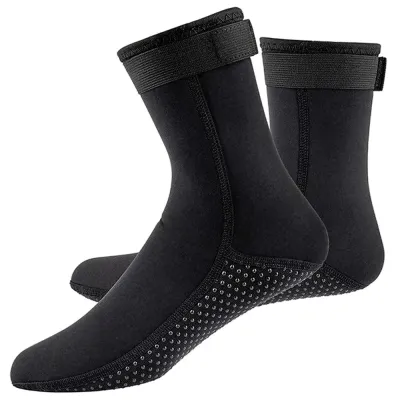
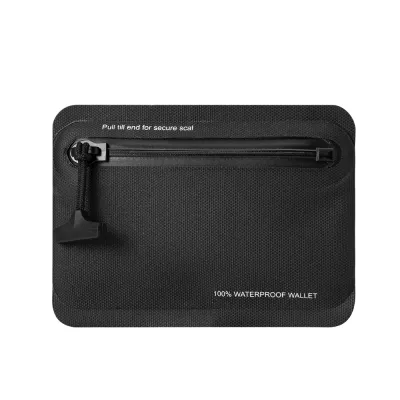
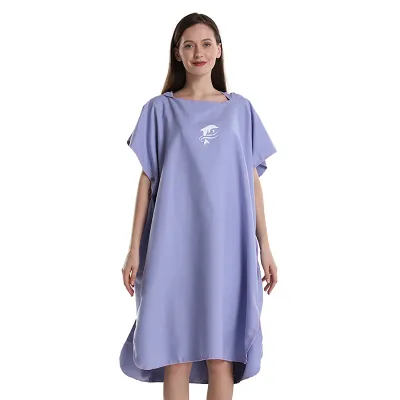
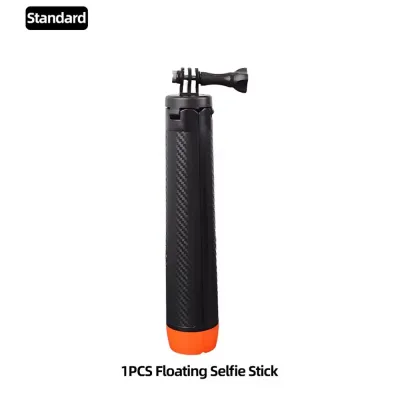
Prices are valid at publication and may change. Please refer to the product page for the latest price.
Mask Fit and Skirt Material
The mask is your window to the underwater world, making its fit the most critical factor. Beginners should look for a low-volume mask, which keeps the glass closer to your face, providing a wider field of view and making it much easier to clear water if any leaks inside.
Pay close attention to the skirt, which is the flexible border that seals against your face. High-quality masks use soft, hypoallergenic liquid silicone, which molds naturally to your facial contours to prevent leaks while reducing jaw and facial fatigue. Avoid cheap plastic or PVC skirts, as they stiffen quickly, crack under tropical heat, and cause painful pressure points during extended use.
Snorkel Design
For beginners, keeping water out of the breathing tube is paramount to preventing panic. Traditional open-tube snorkels require strong exhalations to clear water, which can be exhausting for novices.
Instead, look for semi-dry or dry-top snorkels. Semi-dry models feature a splash guard at the top to deflect surface spray, while dry-top models utilize a buoyant ball-valve mechanism that automatically seals the tube when submerged. Additionally, ensure your snorkel has a one-way purge valve at the bottom, which allows any water that does enter to be expelled easily with a gentle puff of air.
Fin Type and Foot Pocket
Fins provide the propulsion you need to navigate currents without exhausting your leg muscles. Beginners must choose between full-foot fins and open-heel fins.
Full-foot fins feature a soft, flexible rubber foot pocket designed to be worn barefoot or with thin neoprene socks. They are lightweight, highly packable, and ideal for warm-water snorkeling and entry-level diving. Open-heel fins have an adjustable strap and are designed to be worn with thick neoprene booties. While open-heel fins offer more power and protect your feet when walking across rocky shores or hot boat decks, they are bulkier and require a separate bootie purchase.
Local Support and Warranty
Buying gear from brands with an established retail or distributor presence in Singapore is highly advantageous. The combination of salt water, chlorine, and high humidity can accelerate wear on small components like mask strap buckles, snorkel keepers, and fin straps. Purchasing from recognized brands ensures you can easily source genuine replacement parts locally rather than waiting weeks for international shipping or being forced to buy an entirely new gear set.
Top Snorkeling Brands for Beginners in Singapore
To help you navigate the crowded market, we have evaluated the leading water sports brands available in Singapore. These brands offer reliable entry-level options that balance performance, comfort, and cost.

Decathlon (Subea)
Subea is the dedicated water sports brand of Decathlon, a global sporting goods retailer with multiple massive experience stores across Singapore. This brand has become the default starting point for casual holidaymakers and absolute beginners due to its high accessibility and budget-friendly pricing.
- Brand Positioning: Best for absolute beginners, casual recreational snorkelers, and budget-conscious buyers who want reliable gear for occasional use.
- Strengths: Subea gear is exceptionally affordable and widely stocked across Singapore. Their physical stores allow you to try on multiple sizes easily, and their customer-friendly return policy provides peace of mind. The product range covers everything from basic mask-and-snorkel sets to their well-known full-face snorkeling masks.
- Limitations: The materials used in entry-level Subea gear, while safe, may degrade faster under frequent use compared to premium brands. Furthermore, Subea does not manufacture high-performance or technical diving equipment, meaning you will outgrow this gear if you transition into advanced scuba diving.
- Before You Buy: Visit a physical store to test the silicone softness against your face. If you are considering a full-face mask, ensure you understand its strict safety limits: these are designed solely for relaxed surface snorkeling and must never be used for swimming vigorously or diving below the surface.
Cressi
Cressi is a historic Italian manufacturer with a stellar reputation in the global diving community. They successfully bridge the gap between professional-grade performance and beginner-friendly accessibility, offering high-quality gear that holds up over years of active use.
- Brand Positioning: Ideal for beginners who want durable, mid-range gear that can seamlessly transition from weekend snorkeling to entry-level recreational scuba diving.
- Strengths: Cressi gear features superb build quality, utilizing high-grade tempered glass and robust, resilient silicone skirts. Their masks, such as the classic Onda or F1 models, are highly regarded for their durability and reliable seals. Their equipment is widely stocked in specialized dive shops across Singapore, ensuring excellent local support.
- Limitations: Some of Cressi's classic, highly durable entry-level models can feel slightly heavier or bulkier than modern, ultra-compact designs. Additionally, their basic aesthetic designs can look somewhat utilitarian compared to more colorful, modern lifestyle brands.
- Before You Buy: Check the internal volume of the mask model you are eyeing. Ensure the strap adjustment buckles operate smoothly and can be easily adjusted even when your hands are wet.
Mares
Mares is another legendary European diving brand known for its heavy investment in ergonomic research. They are particularly famous for creating highly comfortable gear that accommodates sensitive skin and diverse physical profiles.
- Brand Positioning: Suited for beginners who prioritize physical comfort, ease of use, and a premium feel without paying top-tier professional prices.
- Strengths: Mares is highly praised for its exceptionally soft silicone skirts, particularly those utilizing their proprietary Liquidskin technology. This dual-silicone construction provides a firm structure where needed while keeping the contact points against your face incredibly soft. Their intuitive buckle and strap adjustment systems make their masks and fins easy to operate.
- Limitations: Mares sits at a slightly higher price point than budget-focused brands. While their basic snorkeling sets are highly accessible, some of their specialized or higher-end recreational gear may require visiting specific authorized local distributors in Singapore.
- Before You Buy: When trying on Mares masks, pay attention to the nose pocket. Ensure it allows you to easily pinch your nose to equalize pressure, which is a vital skill if you plan to dive below the surface.
Tusa
Tusa is a premium Japanese brand that has earned a loyal following throughout Asia. They are industry leaders in ergonomic design, specifically tailoring their equipment to fit Asian facial structures and physical profiles.
- Brand Positioning: Excellent for local and regional users who struggle to get a watertight seal with Western-designed masks or find standard fin pockets uncomfortable.
- Strengths: Tusa features advanced fit technologies like "3D SynQ" and "Freedom Technology," which use varied silicone thicknesses and proprietary low-friction skirt surfaces to create an excellent seal on flatter facial profiles. Their fins are often engineered to be lightweight and highly flexible, making them easier to kick for beginners who have not yet developed specialized leg strength.
- Limitations: Tusa gear is generally sold through specialized dive shops rather than general sporting goods retailers, making it slightly harder to find on a whim. Their premium materials also command a higher price tag compared to entry-level brands.
- Before You Buy: Speak with local dive shop staff to identify which Tusa models feature their specialized Asian-fit geometry. Testing these models alongside standard fits will make the ergonomic advantages immediately apparent.
Quick Comparison of Recommended Brands
To help you quickly compare your options, this table summarizes the key characteristics of each brand. Prices are categorized into broad tiers to guide your budget planning; we recommend verifying current retail prices directly with local stores or official websites.
| Brand | Best For | Price Tier | Local Availability | Key Limitation |
|---|---|---|---|---|
| Decathlon (Subea) | Casual snorkeling & tight budgets | Budget | Large-format sports stores & online | Lower durability under heavy, frequent use |
| Cressi | Transitioning from snorkeling to scuba | Mid-Range | Specialized dive shops & online retailers | Classic designs can feel slightly bulky |
| Mares | Sensitive skin & maximum face comfort | Mid-Range to Value-Premium | Specialized dive shops & distributors | Higher cost than entry-level budget brands |
| Tusa | Flatter facial profiles & Asian ergonomics | Value-Premium | Authorized local dive shops | Limited availability in general sports stores |
Where to Buy and How to Test Your Gear Locally
Singapore offers several excellent retail avenues for purchasing water sports equipment. Understanding where to shop and how to physically test your gear before buying will prevent buyer’s remorse and ensure your safety in the water.
Choosing the Right Retail Channel
For absolute beginners on a budget, large-format sporting goods stores like Decathlon offer immediate pickup, low prices, and a pressure-free shopping environment. However, if you want personalized fitting advice, access to premium brands, and long-term product support, head to specialized local dive shops. These specialized shops are run by experienced diving professionals who can guide you to the perfect fit and help you source replacement parts down the line. While online marketplaces offer convenience, buying a mask or fins online without trying them on first carries a high risk of poor fit and water leakage.
The Mask Fit Test
Never buy a mask based on brand or color alone; you must perform a physical fit test. To do this safely in-store, follow these steps:
- Loop the mask strap out of the way so it does not touch your head.
- Brush any hair away from your forehead and cheeks.
- Place the mask gently onto your face, ensuring the silicone skirt rests flat against your skin.
- Inhale gently through your nose and hold your breath.
- Look down at the floor and let go of the mask.
If the mask is a good fit, the vacuum created by your gentle inhalation will hold it securely to your face without any air leaking in. If it slides off or you feel air rushing in around your temples or nose bridge, the mask does not fit your facial structure, and you should try a different model.
Fin and Snorkel Checks
When trying on fins, wear the socks or booties you plan to use in the water. Slide your foot into the pocket; it should feel snug but not painful. Try wiggling your toes and rotating your ankle. If you feel pinching at the toes or pressure on your heel, the fins are too small and will cause painful blisters. Conversely, if your heel slips out when you lift your foot, the fins are too large and may slide off in the water.
For the snorkel, place the silicone mouthpiece in your mouth. It should rest comfortably between your lips and teeth without requiring you to bite down hard. If the mouthpiece feels too wide or stiff, it will cause severe jaw fatigue within minutes of swimming.
Safety Boundary
Never test new gear in deep or open water for the first time. Even high-quality equipment can behave unexpectedly if adjusted incorrectly. Always conduct your initial trial in a shallow, controlled environment, such as a local swimming pool or a calm, shallow beach where you can easily stand up if you need to adjust your mask or clear your snorkel.
Caring for Your Gear in Singapore's Tropical Climate
Singapore’s hot, humid tropical climate presents unique challenges for maintaining water sports equipment. Salt water, high humidity, and intense UV rays can rapidly degrade silicone, rubber, and plastics if gear is not cared for properly.
Post-Dive Rinsing
Immediately after every use, thoroughly rinse all of your gear in fresh, cool water. Salt water leaves behind microscopic salt crystals that act like sandpaper, wearing down silicone seals and scratching lenses. If you have been swimming in a chlorinated pool, rinsing is equally critical, as chlorine strips the plasticizers from silicone, causing it to become brittle and crack.
Drying and Storage
After rinsing, hang your gear to air-dry in a shaded, well-ventilated area. Never leave your silicone masks, snorkels, or plastic fins in direct sunlight. Singapore’s intense UV rays cause rapid chemical breakdown, leading to warping, discoloration, and cracking of plastic components.
Mold Prevention
Ensure all equipment is 100% dry before storing it away. Storing damp gear in airtight plastic containers or tightly sealed bags in Singapore’s humid climate creates a breeding ground for black mold. Instead, store your dry gear in a breathable mesh bag in a cool, dark closet.
Silicone Care
Keep your clear or translucent silicone masks stored away from black rubber items, such as black fin straps, rubber weight belts, or wetsuit seals. Over time, the dark pigments and chemicals in black rubber can migrate into clear silicone, causing permanent dark staining and chemical breakdown of your mask’s skirt.
Frequently Asked Questions (FAQ)
Can I use beginner snorkeling gear for scuba diving?
While high-quality snorkeling masks and fins can often be used for basic, shallow recreational scuba diving, dedicated diving gear is engineered to withstand much higher pressures and different buoyancy dynamics. Standard snorkeling fins are typically shorter and more flexible, which may not provide enough propulsion to move a scuba diver carrying heavy tanks and weights through a strong current.
Most importantly, full-face snorkeling masks are strictly designed for surface breathing and must never be used for scuba diving or free diving. They do not allow you to pinch your nose to equalize your ears, and they carry severe risks of carbon dioxide buildup if submerged.
Should I buy a bundled set or individual pieces?
For absolute beginners, bundled mask, snorkel, and fin sets are highly convenient and cost-effective. They ensure that all your basic gear matches aesthetically and functions together seamlessly out of the box.
However, buying individual pieces is highly recommended if you have a unique facial structure or foot shape. Purchasing individually allows you to prioritize a perfect, leak-free mask fit and comfortable fin pockets, even if they come from different brands. If you are on a tight budget, consider investing primarily in a high-quality, individually fitted mask and snorkel, while renting fins locally until you are ready to purchase your own.
Community discussion
Share your experience or ask a question. Comments are reviewed before publication.