
When searching for a quality snorkeling mask (often searched locally as a snokelling mask) to explore Singapore’s coastal waters, first-time buyers are often overwhelmed by the sheer volume of options available. The best snorkeling mask brands for beginners are those established in the scuba diving and aquatic sports industries—such as Cressi, Mares, Scubapro, and Tusa—rather than unbranded tourist-grade options. These reputable manufacturers apply the same high-quality materials and rigorous safety standards to their entry-level snorkeling gear as they do to their professional diving equipment.
Before purchasing any gear, understand that a high-quality snorkeling mask is a tool designed to improve underwater visibility and comfort; it is not a life-saving device. Equipment cannot replace proper swimming skills, water safety training, or sound personal judgment. Beginners must always assess their swimming ability, check local sea conditions, and never snorkel alone. To find the right mask, you must look beyond brand names and focus on material quality, lens safety, physical fit, and local availability.
Core Fit and Material Standards for First-Time Snorkelers
The skirt of a snorkeling mask is the flexible silicone portion that contacts your face to create a watertight seal. High-quality masks utilize 100% liquid silicone (often medical-grade), which is exceptionally soft, hypoallergenic, and highly flexible. This material conforms easily to various facial contours and maintains its sealing properties over years of exposure to salt water and sunlight. In contrast, cheap tourist-grade masks often use rigid plasticized polyvinyl chloride (PVC) or low-grade rubber. PVC skirts are stiff, prone to leaking, lose their shape quickly, and can cause skin irritation or contact dermatitis under Singapore’s hot and humid tropical sun.
Products mentioned in this guide
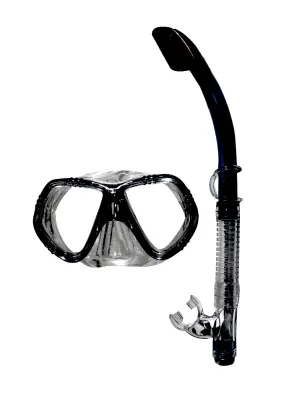
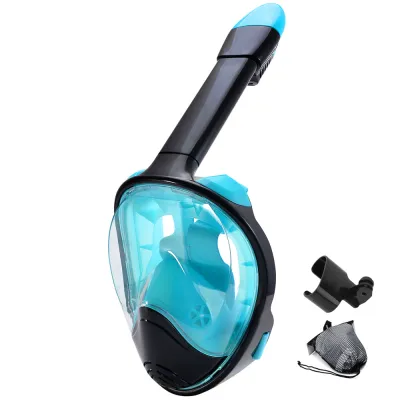
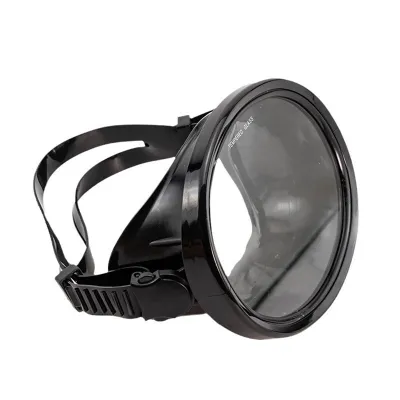
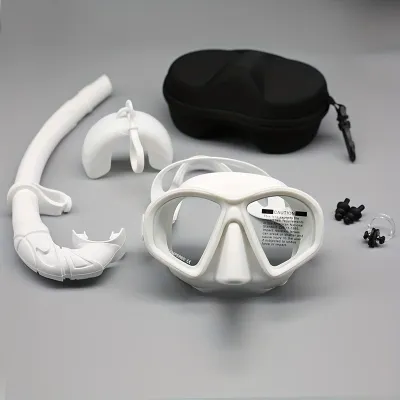
Prices are valid at publication and may change. Please refer to the product page for the latest price.
Lens safety is another non-negotiable standard for any aquatic mask. Reputable manufacturers construct their lenses from tempered glass, which is heat-treated to withstand pressure and impact. In the rare event of a high-impact break, tempered glass fractures into tiny, relatively harmless granular pieces rather than sharp, jagged shards that could cause severe eye injuries. Standard plastic or polycarbonate lenses scratch easily, which permanently degrades visibility, and they can warp or crack under moderate stress. Always look for the “T” or “Tempered” stamp etched directly onto the lens surface to verify safety standards.
Mask volume refers to the amount of air space trapped inside the mask frame when worn. Moderate-to-low volume masks sit closer to your face, which reduces the buoyant pull of the mask and makes it significantly easier to clear water if some leaks in. Clearing a low-volume mask requires only a small, gentle exhale through your nose. High-volume masks offer a more open, spacious field of view that some beginners prefer to avoid feeling claustrophobic, but they require a much larger volume of air to clear. For a beginner, a moderate-to-low volume mask is generally the safest and most manageable choice.
The strap and buckle system is critical for maintaining a secure, comfortable fit throughout your swim. The strap should be wide, split at the back, and made of high-grade silicone to distribute pressure evenly across your head without slipping. Quick-adjust buckles that are attached directly to the mask skirt (rather than the rigid frame) allow the mask to fold flat for travel and reduce stress on the frame. Quick-release buttons are highly beneficial for beginners, allowing you to remove the mask instantly without pulling or tangling your hair, which can cause unnecessary panic in open water.
How to Spot Reliable Brands and Avoid Tourist-Grade Gear
Reputable brands publish comprehensive technical specifications for their masks, demonstrating transparency in their manufacturing processes. This includes the specific type of silicone used, the durometer (hardness rating) of the skirt, and exact frame dimensions. Generic, white-label brands found on discount online platforms rarely provide these specifications, often hiding behind vague marketing copy. Knowing these specifications allows you to make an informed decision based on your specific facial structure rather than guesswork.

Another major differentiator of professional brands is the longevity and support of their products. If a buckle cracks or a strap snaps on a high-quality mask, you can easily purchase authorized replacement straps and buckles at local dive shops. With cheap, tourist-grade gear, a single broken component renders the entire mask useless, forcing you to discard it. Choosing a brand that offers readily available spare parts is both economically sensible and environmentally responsible.
Human faces vary wildly in structure, cheekbone height, and nose bridge shape. Reliable brands design masks using standardized, tested molds and often offer distinct sizing options, such as narrow or mini versions for smaller faces and standard versions for wider profiles. Beware of brands claiming their mask is a “one-size-fits-all” solution. A single mold cannot seal effectively across all facial profiles, and relying on such claims often leads to persistent leaks and discomfort.
When browsing product listings, look out for warning signs of low-tier gear. Phrases like “unbreakable plastic lens,” “universal leak-free fit,” or listings that fail to show clear, high-resolution close-ups of the inner skirt edge and buckle attachments are red flags. If a listing focuses entirely on bright colors and low prices without specifying the lens material or silicone grade, avoid it. Investing in gear with transparent specifications ensures your safety and comfort in the water.
Navigating Singapore’s Dive Shops and Online Marketplaces
While online shopping is convenient, visiting a physical dive shop in Singapore (such as those located around Beach Road, Kallang, or specialized water sports retailers) is highly recommended for first-time buyers. Trying on masks in person allows you to perform fit tests under the guidance of experienced staff who can immediately identify gaps or pressure points. Physical shops also allow you to handle different models, comparing the softness of the silicone skirts and the ease of adjusting the buckles firsthand.
If you choose to purchase online, do so with caution to avoid counterfeit gear, which is a real risk on unverified online marketplaces. Counterfeits may look identical to premium brands but often use cheap, toxic industrial plastics instead of food-grade silicone, which can cause severe skin allergies. Verify that the seller is an authorized distributor of the brand, and read customer reviews carefully. Filter reviews for keywords like “leak,” “seal,” “fogging,” or “fit,” and focus on detailed feedback from users who have actually tested the mask in open water.
Official manufacturers only honor warranties (which typically cover manufacturing defects for one to two years) if the product was purchased from an authorized local dealer. Buying through official channels ensures you have access to customer support and genuine replacement parts if needed. This protection is especially valuable for beginners who are still learning how to handle and maintain their gear properly.
In Singapore, a reliable, entry-level snorkeling mask from an established brand generally falls within the S$40 to S$90 price range. While this is higher than the S$10 to S$20 toy masks found in convenience stores near beaches, it is a necessary investment in your safety and comfort. A leaking, fogging mask can turn an exciting marine excursion into a stressful, hazardous situation. Viewing your mask as a piece of safety equipment rather than a toy will help you prioritize quality over low prices.
Mastering the Fit Test and Daily Mask Maintenance
To ensure a mask fits your unique face shape before buying or entering the water, perform the strapless inhale test. First, look up slightly and clear any hair away from your forehead and temples. Place the mask gently against your face without putting the strap over your head. Inhale lightly and steadily through your nose, then hold your breath. Look forward or tilt your head down; if the mask seals perfectly, it should stay firmly on your face without sliding, falling, or requiring you to hold it. If you feel air rushing in around your temples, cheeks, or under your nose, the fit is incorrect, and water will leak in during your swim.
Facial hair, particularly mustaches and thick stubble, creates microscopic gaps between the silicone skirt and the skin, breaking the vacuum seal. If you have a mustache, you can apply a thin layer of silicone grease or a safe, non-petroleum lubricant (such as food-grade vegetable glycerin) to your facial hair to help create a temporary seal. Alternatively, trimming the top millimeter of your mustache directly below the nose can provide enough clean skin for the skirt to seat properly. If these methods do not prevent leaks, you may need to try different mask models with wider or softer skirts.
Brand-new masks have a thin layer of silicone residue on the inside of the lens from the manufacturing process, which causes severe fogging. Before your first use, scrub the inner lens thoroughly with a non-abrasive agent like classic white toothpaste (avoid gel types) or a dedicated mask prep scrub, then rinse. For daily use, apply a few drops of commercial anti-fog solution or a highly diluted mixture of baby shampoo and water to the dry lens, rub it around, and rinse it quickly in the water just before putting it on. Avoid using harsh household chemicals, which can degrade the silicone skirt, or saliva, which can introduce bacteria and lead to mold growth.
Singapore’s tropical environment is highly conducive to mold and material degradation. After every use in saltwater or chlorinated pools, thoroughly rinse your mask in clean, fresh water to remove all traces of salt, sand, and chlorine. Pay close attention to the buckles and the crevices of the skirt where debris can accumulate. Shake off excess water and allow the mask to air-dry completely in a shaded, well-ventilated indoor area. Never leave your mask in direct sunlight, as UV rays will rapidly discolor and embrittle the silicone. Once dry, store it in its protective plastic box to prevent the skirt from being warped or crushed by other gear.
Frequently Asked Questions (FAQ)
Are full-face snorkeling masks safe for beginners?
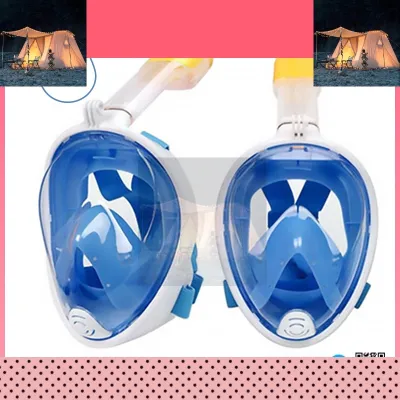
Full-face snorkeling masks cover your entire face, allowing you to breathe naturally through both your nose and mouth. While this sounds highly appealing to beginners, these masks carry distinct safety risks. Poorly designed or cheap full-face masks can trap exhaled carbon dioxide (CO2) inside the mask frame, leading to CO2 buildup, dizziness, shortness of breath, and potentially panic or unconsciousness in the water. They are also difficult to clear if water floods the mask, and they prevent you from pinching your nose to equalize pressure if you want to dive slightly below the surface. For active swimming or anyone new to the water, a traditional half-mask paired with a separate dry snorkel is highly recommended. If you do choose a full-face mask, ensure it is from a highly reputable brand that publishes certified CO2 safety and ventilation test results.
Should beginners choose a single-lens or dual-lens mask?
Single-lens masks feature a continuous pane of glass without a center frame, offering an uninterrupted, panoramic field of view that many beginners find less restrictive and more comfortable. Dual-lens masks have a rigid bridge separating two distinct lenses. This design typically positions the lenses closer to your eyes, resulting in a lower internal volume that is much easier to clear of water. Crucially, dual-lens masks are the only practical option if you require corrective prescription lenses, as dive shops can easily swap out the standard glass for optical lenses matching your prescription. Ultimately, neither design is inherently superior for a beginner; your primary decision factor must always be which mask model passes the strapless inhale test and creates an airtight seal on your face.

Community discussion
Share your experience or ask a question. Comments are reviewed before publication.