
Finding the time and space for physical fitness can be a challenge when living in a compact Singapore Housing and Development Board (HDB) flat. While large home gym setups like power racks or treadmills require significant floor space and can disrupt the aesthetic of a modern apartment, training your grip strength requires no dedicated room at all. A high-quality hand grip strengthener is one of the most space-efficient, cost-effective, and versatile pieces of fitness equipment you can own, allowing you to build functional forearm strength, improve manual dexterity, and relieve stress right from your sofa or home office desk.
Developing a strong hand grip is not just about building muscular forearms; it has practical benefits for daily Singaporean life, from carrying heavy grocery bags home from the wet market to maintaining a secure hold on MRT handrails during sudden stops. Because these compact tools can be slipped into a drawer or a work bag, they eliminate the barrier of travel time to a commercial gym. By selecting a tool that matches your specific living environment, training goals, and daily routine, you can easily integrate consistent strength training into your lifestyle without cluttering your living space.
Choosing Grip Tools for HDB Living: Space and Noise Constraints
Living in a typical HDB flat, whether it is a cozy 2-room Flexi, a 3-room, or a 5-room BTO apartment, requires a mindful approach to acquiring physical possessions. Dedicating permanent floor space to bulky exercise equipment is often impractical, as it compromises the flow of common areas and creates visual clutter. Fitness tools must be highly portable and easy to store out of sight when guests visit, making small-profile items that fit into shallow television consoles, bedside tables, or entryway drawers highly desirable.
Products mentioned in this guide
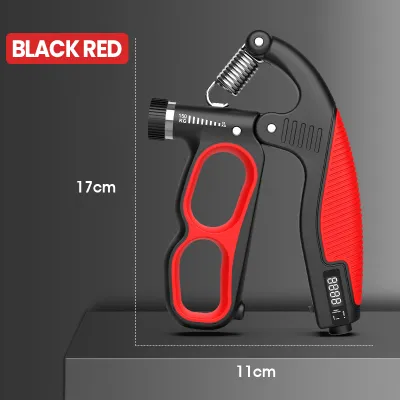
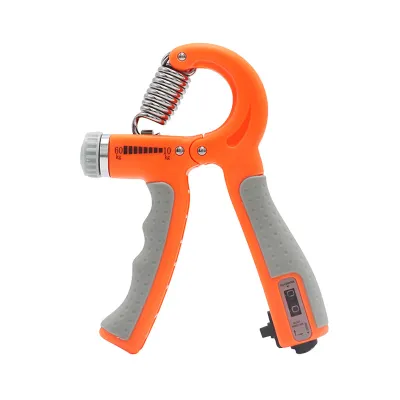
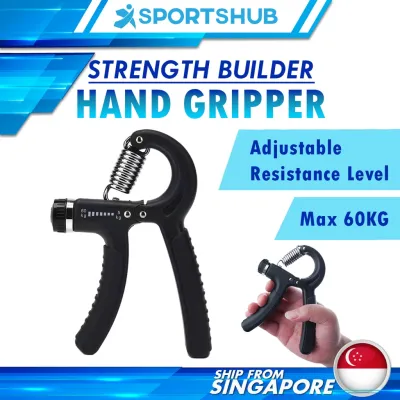
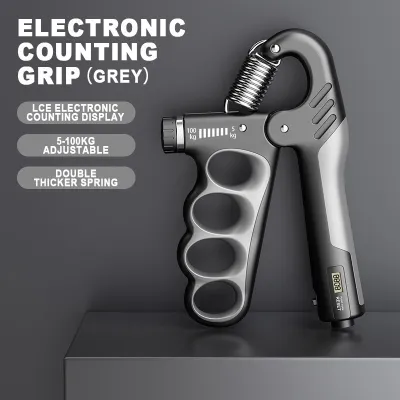
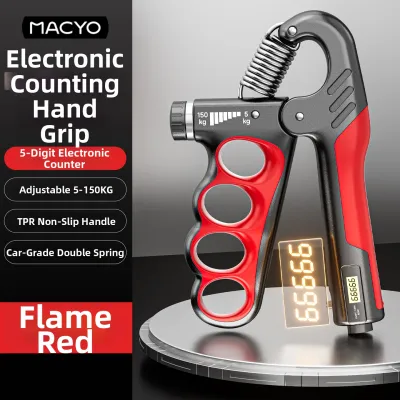
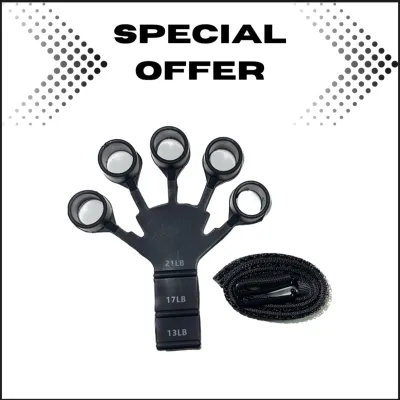
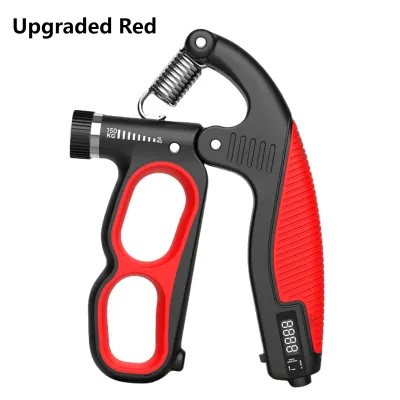
Prices are valid at publication and may change. Please refer to the product page for the latest price.
Beyond physical space, the acoustic environment of high-density housing is a major consideration for any home workout routine. HDB blocks are constructed with precast concrete slabs and shared structural walls, which are highly efficient at transmitting impact sounds and vibrations to neighboring units. Heavy, all-metal torsion grippers can create a loud, metallic clanking sound when compressed to their limits or dropped onto hard vinyl, laminate, or ceramic tile flooring. This sudden noise can easily startle family members in the next room or disturb neighbors living directly below you.
To maintain a peaceful home environment and foster good relations with your neighbors, it is wise to prioritize silent or noise-dampened training options. Cheap, unlubricated mechanical spring grippers often develop a high-pitched, metallic squeak over time as the metal coils rub against each other during compression. Opting for grippers with built-in nylon bushings, rubber-coated handles, or solid-state silicone rings ensures that you can train your hands late at night or early in the morning without generating any noise complaints.
What to Look for in a Space-Saving Hand Grip Exerciser
When evaluating a hand grip strengthener for a small apartment, you must balance mechanical performance with spatial and environmental practicalities. Understanding the key design elements of these tools will help you select a model that delivers a highly effective workout while remaining completely unobtrusive in your home.

Adjustability vs. Fixed Resistance
An adjustable hand grip strengthener utilizes a dial or tension screw to alter the angle or compression of an internal spring, allowing a single tool to offer a wide range of resistance levels (typically spanning from 10 kg up to 60 kg or more). The primary benefit of this design is spatial consolidation: instead of purchasing and storing a progressive set of five or six individual grippers as your hands grow stronger, a single adjustable device handles your entire progression. This saves both storage space and money, though the adjustment mechanism does make the tool slightly wider and more mechanically complex than fixed-resistance alternatives.
In contrast, fixed-resistance grippers feature a simple, solid-state design with no moving parts to adjust or wear out. These include classic aluminum A-frame torsion grippers and solid silicone rings. While they require you to buy a new unit once your current resistance level becomes too easy, their streamlined, flat profiles make them exceptionally easy to pack into tight spaces. They are also less prone to developing squeaks or mechanical failures over years of consistent use.
Ergonomics and Grip Material
Singapore’s tropical, humid climate means that even indoor, air-conditioned workouts can quickly lead to sweaty palms. If a gripper features bare, polished metal or smooth, cheap plastic handles, it can easily slip out of your hands mid-set, interrupting your training and risking damage to nearby items. A secure, non-slip interface is essential for maintaining proper form and safety during high-intensity sets.
Look for ergonomic handles wrapped in textured thermoplastic rubber (TPR), high-density foam, or patterned silicone. These materials absorb or channel away moisture, providing a high-friction surface that allows you to focus entirely on applying crushing force. Ergonomically curved handles also help distribute the pressure evenly across your fingers and palm, reducing the risk of localized bruising or skin irritation during long training sessions.
Noise Level and Drop Safety
To ensure your home workouts remain completely silent, pay close attention to the construction quality of the joints and springs. High-quality spring-based grippers feature tight manufacturing tolerances that prevent lateral spring play, which is the primary cause of clicking and rattling sounds. Some premium models also encase the spring mechanism entirely within a plastic or rubber housing to muffle any operational noise.
Drop safety is another crucial factor when training on hard household flooring. Solid silicone rings and rubberized grip balls are inherently drop-safe; if they slip from your fingers, they bounce silently off the floor without leaving scuffs, dents, or cracks on your tiles or vinyl planks. If you prefer metal spring grippers, look for models that feature rubberized bumper caps on the bottom of the handles to cushion the impact if the tool is accidentally dropped.
Storage Footprint
A truly compact hand grip tool should have a physical footprint no larger than a standard smartphone, allowing it to be stored virtually anywhere. It should easily slide into a desk drawer alongside your stationery, sit neatly on a bookshelf, or fit inside a small basket in your living room console.
Flat-profile tools like silicone rings, finger stretchers, and egg-shaped grip balls excel in this category. Because they have no protruding dials, handles, or sharp metal edges, they can be tossed into any small container or even kept in your pocket for active recovery during your daily commute on the MRT, making them the ultimate zero-footprint fitness accessories.
Top Hand Grip Strengtheners for Compact Living
To help you find the perfect match for your home setup, we have categorized the most effective compact hand grip tools based on their primary design features, target users, and spatial advantages.
Best Adjustable Gripper for Progressive Training
Adjustable spring-based grippers are the ideal choice for individuals committed to long-term strength progression, such as climbers, weightlifters, or those undergoing physical rehabilitation. These tools typically utilize a heavy-duty steel tension spring connected to a threaded dial. By rotating the dial, you can smoothly increase or decrease the resistance, allowing you to fine-tune the workload to match your current physical capacity.
The standout advantage of an adjustable model in an HDB setting is its ability to replace an entire rack of fixed-weight grippers. A single device can serve as a light warm-up tool at 10 kg of resistance, a moderate working tool at 30 kg, and a maximum-effort strength builder at 60 kg. This eliminates the need to store multiple pieces of gear, keeping your living space clean and clutter-free.
However, these mechanical units do have a few minor limitations. The internal spring, pivot pins, and adjustment threads contain moving parts that can collect dust, household lint, or moisture over time, which may eventually lead to squeaking or stiff operation. They are also slightly bulkier than solid-state rings or balls due to the physical space required for the spring housing and adjustment dial.
- Pre-Purchase Verification: Before buying, check the product specifications to ensure the adjustment dial turns smoothly and that the clear resistance markings on the frame match your current baseline and future strength goals.
Best Fixed-Resistance Gripper for Beginners
For those who prefer a straightforward, no-fuss approach to hand conditioning, a classic fixed-resistance A-frame gripper is an excellent starting point. These models usually consist of a single torsion spring made of high-tensile steel connected to two straight or slightly contoured handles made of lightweight aluminum or durable plastic.
Because they lack adjustment dials, extra brackets, or complex internal linkages, these grippers boast an incredibly slim, flat profile. They can be stored flat in a shallow desk drawer, slipped into the sleeve of a laptop bag, or hung from a small adhesive hook on the side of a cabinet. Their lightweight construction makes them highly portable, allowing you to squeeze in a quick workout while watching the evening news or waiting for water to boil in the kitchen.
The primary trade-off with a fixed-resistance model is the lack of long-term versatility. Once your hand muscles adapt to the specific resistance level of the tool, you will need to purchase a brand-new gripper with a higher rating to continue making progress. If you do not donate or recycle your lighter grippers, this can eventually lead to a small collection of unused tools cluttering your storage space.
- Pre-Purchase Verification: Ensure the fixed resistance level matches your current physical capability; starting with a moderate resistance (typically between 15 kg and 20 kg) is highly recommended for beginners to avoid joint strain.
Best Stress-Relief Grip Ball for Desk Workers
Silicone or thermoplastic rubber (TPR) grip balls are soft, pliable, egg-shaped or spherical tools designed for low-to-moderate resistance training, hand rehabilitation, and active stress relief. They are particularly popular among remote workers who spend long hours typing on a keyboard or using a computer mouse.
These tools are completely silent and exceptionally safe for any home environment. Because they contain no metal springs, hinges, or mechanical joints, there is absolutely zero risk of squeaking, clicking, or clanking. You can squeeze them continuously during important work calls, online meetings, or late-night study sessions without making a sound or distracting others in your household.
While grip balls are fantastic for promoting blood circulation, relieving joint stiffness, and building hand endurance, they are not designed for developing extreme, high-level crushing power. The maximum resistance they offer is limited by the density of the silicone or rubber material. Additionally, with heavy daily use and exposure to natural skin oils, the synthetic material can slowly degrade or become slightly sticky over several years.
- Pre-Purchase Verification: Check the product packaging to confirm the material is hypoallergenic, latex-free, and easy to wash, and select a firmness level (soft, medium, or firm) that suits your specific therapeutic or training needs.
Best Finger and Wrist Trainer for Specific Hobbies
Climbers, musicians, and competitive gamers often require specialized hand conditioning that traditional crushing grippers cannot provide. Specialized tools—such as individual finger tension bands, finger web stretchers, or compact wrist rollers—are engineered to isolate specific fingers or target the extensor muscles on the back of the hand and forearm.
In a small HDB flat, these compact accessories are incredibly valuable. They allow rock climbers to train finger-tip crimp strength without drilling a massive, heavy wooden hangboard into a concrete wall, and they let gamers build wrist stability to prevent repetitive strain injuries without needing a bulky barbell setup. Most of these tools are made of lightweight silicone or high-tensile elastic bands that can be folded completely flat and stored in a small pouch.
However, these specialized trainers have a slightly steeper learning curve than standard grippers. They require focused, deliberate movements to target the correct muscle groups, and using too much tension too quickly can easily strain the delicate tendons of the fingers. They are also less effective at building overall, raw crushing grip strength compared to traditional spring-based models.
- Pre-Purchase Verification: Ensure the finger loops or tension bands are fully adjustable to accommodate your hand size comfortably, and verify that the silicone or rubber is rated for high elasticity to prevent premature tearing.
Comparing the Best Compact Grip Trainers
To help you quickly identify which tool best aligns with your daily routine and spatial constraints, we have summarized the key characteristics of each category in the table below.
| Tool Type | Best Suited For | Adjustability | Noise Level | Storage Ease |
|---|---|---|---|---|
| Adjustable Spring Gripper | Progressive strength & long-term training | High (Dial-based) | Low (Occasional squeaks) | Moderate (Drawer-friendly) |
| Fixed-Resistance Gripper | Beginners & casual daily workouts | None (Fixed) | Low to Moderate | High (Very slim profile) |
| Silicone Grip Ball | Desk workers, rehab, & stress relief | None (Fixed firmness) | Silent | Excellent (Pocket-sized) |
| Specialized Finger Trainer | Climbers, gamers, & musicians | Variable (Bands/springs) | Silent to Low | High (Folds flat) |
When choosing a tool from this table, cross-reference the noise level and storage ease with your specific household dynamics. If you share a quiet study room with a partner who works from home, a silent silicone grip ball or finger trainer is often the most considerate choice. If you have a dedicated workout corner and want to focus on building maximum strength, an adjustable spring gripper will provide the progressive resistance you need while still fitting neatly into a small storage drawer.
Safe Usage and Maintenance for Home Grip Training
Because the hands and wrists contain a complex network of small muscles, delicate tendons, and sensitive nerves, practicing safe training habits is essential to prevent injury and ensure the longevity of your equipment.
Training Safety and Form
Before starting any grip training session, always perform a brief warm-up to increase blood flow to your hands and forearms. You can do this by gently opening and closing your fists, rotating your wrists in circular motions, or massaging your palms for one to two minutes. When performing your exercises, focus on maintaining a neutral, straight wrist position; bending your wrist excessively while squeezing can place unnecessary shear stress on the carpal tunnel and lead to nerve irritation.
Squeeze the gripper using a controlled, deliberate motion, holding the fully compressed position for one to two seconds before slowly releasing it. Avoid using body momentum, jerking your arm, or bouncing the handles together, as these uncontrolled movements reduce training efficiency and increase the risk of muscle strains. For general hand health and endurance, aim for 3 sets of 15 to 20 repetitions; for building maximum strength, focus on 3 sets of 5 to 8 repetitions, ensuring you allow at least 48 hours of recovery time between intense sessions.
Equipment Maintenance
To keep your grip tools functioning smoothly and silently in Singapore’s humid climate, establish a simple maintenance routine:
- Inspect Metal Springs: Periodically check metal springs for any signs of rust, corrosion, or hairline fractures. If a spring begins to rust due to high humidity, apply a single drop of mineral oil or light machine lubricant to the coils and wipe away any excess with a dry cloth.
- Clean Silicone and Rubber: Silicone grip rings and grip balls easily attract household dust, lint, and pet hair. Wash them regularly with warm water and mild dish soap, then let them air dry completely in a shaded area away from direct sunlight, which can cause synthetic materials to degrade and become sticky.
- Wipe Down Handles: After every training session, wipe down the handles of your gripper with a damp microfiber cloth to remove sweat, skin oils, and chalk residue. This prevents the buildup of bacteria and ensures the non-slip textured surfaces remain clean and effective.
When to Stop
If you experience sharp, shooting pain in your wrists, fingers, or the inner or outer side of your elbow (often referred to as golfer’s or tennis elbow), stop training immediately. Do not attempt to push through joint or tendon pain, as this can turn a minor inflammation into a chronic condition like tendonitis. Rest the affected hand, apply a cold compress if necessary, and consult a qualified healthcare professional or physiotherapist if the discomfort persists for more than a few days.
Frequently Asked Questions (FAQ)
Can hand grip exercises help with carpal tunnel syndrome?
While light, low-resistance hand exercises can help improve blood circulation, maintain joint flexibility, and promote active recovery, aggressive or high-resistance hand grip training can actually worsen carpal tunnel syndrome. The carpal tunnel is a narrow passageway on the palm side of your wrist that houses key tendons and the median nerve. High-force squeezing increases the pressure within this canal, which can further compress the nerve and exacerbate symptoms like numbness, tingling, and pain in your fingers. If you have been diagnosed with carpal tunnel syndrome or suspect you have nerve compression, you should consult a doctor or a licensed physiotherapist before starting any new grip training routine.
How often should I train my grip strength at home?
The ideal training frequency depends entirely on the intensity of your workouts and your specific fitness goals. For light, low-intensity active recovery using soft silicone grip balls or highly flexible finger stretchers, you can safely train four to five times a week to stimulate blood flow and relieve joint stiffness. However, if you are performing heavy, high-resistance training with spring-based grippers to build maximum crushing power, your hand muscles and tendons will require significant recovery time. Limit these intense strength sessions to two or three times a week, ensuring you take at least 48 to 72 hours of rest between workouts, and always reduce your training frequency if you feel persistent stiffness or deep muscle soreness.
Are silicone grip rings better than spring grippers for small spaces?
Neither tool is universally superior; the best option depends on your primary training objectives and your living environment. Silicone grip rings are completely silent, virtually indestructible, and highly compact, making them the ultimate space-saving choice for shared HDB spaces, quiet offices, or active commuting. However, because they offer a fixed resistance, they are less suitable for systematic progressive overload. Adjustable spring grippers are far better for building raw crushing strength because they allow you to accurately adjust and track your resistance levels over time. If your priority is quiet convenience and maximum portability, choose a silicone ring; if your goal is progressive strength building, an adjustable spring gripper is the better investment.
Community discussion
Share your experience or ask a question. Comments are reviewed before publication.