
To perform at your peak during long-distance runs in Singapore’s intense heat and high humidity, your hydration strategy must go beyond plain water. When using a running vest with water bladder, the ideal sports drink is a hypotonic or light isotonic formulation that is fully soluble, clear, and free from heavy dyes or artificial thickeners. This combination ensures rapid fluid and electrolyte absorption while protecting your hydration equipment from sticky residues, clogs, and mold growth.
Choosing the right drink mix and maintaining your gear requires a balance between physiological needs and equipment care. By selecting bladder-safe formulations, mixing them correctly, and following a strict cleaning protocol, you can stay perfectly hydrated on the trails or roads without ruining your expensive running gear.
Why Singapore's Heat Demands More Than Plain Water in Your Bladder
Running in Singapore presents unique physiological challenges due to the tropical climate. With average temperatures frequently hovering around 30°C to 32°C and relative humidity levels regularly exceeding 80%, your body’s primary cooling mechanism—sweat evaporation—is severely compromised. To cope, your body increases its sweat rate significantly, often resulting in fluid losses of 1 to 1.5 liters per hour for active runners. This massive loss of fluid is accompanied by a substantial depletion of essential electrolytes, particularly sodium.
Products mentioned in this guide
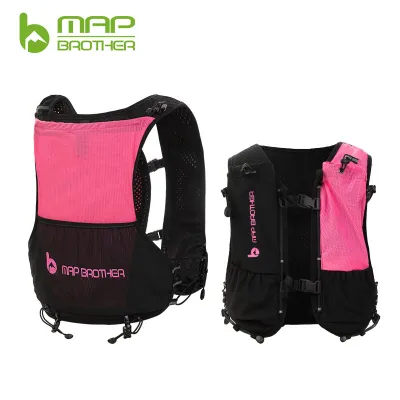
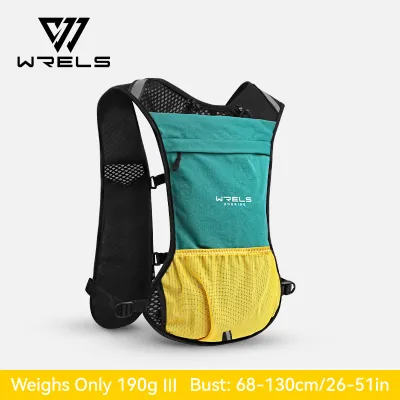
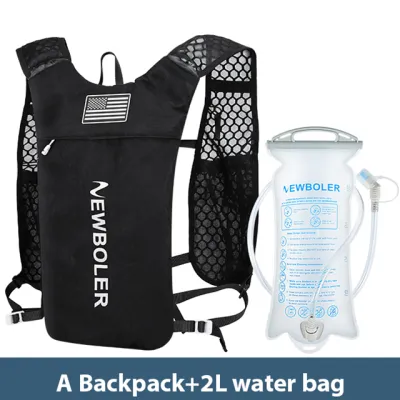
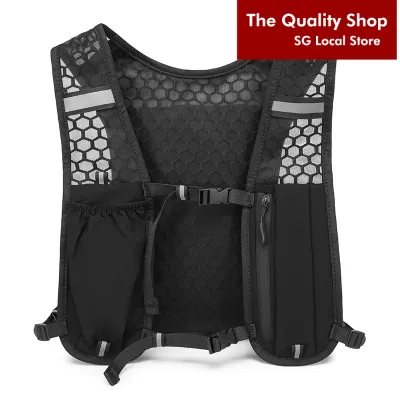
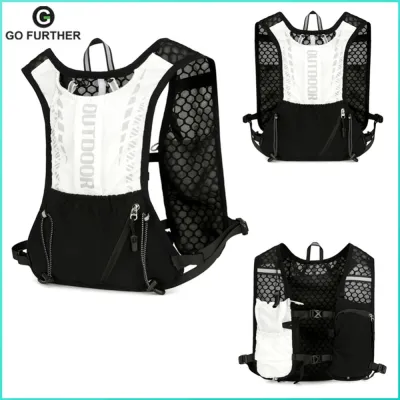
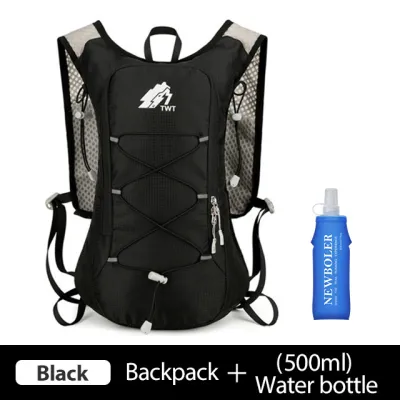
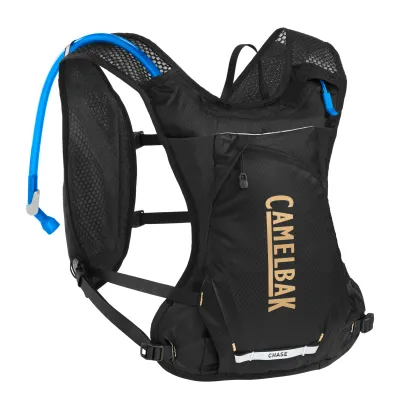
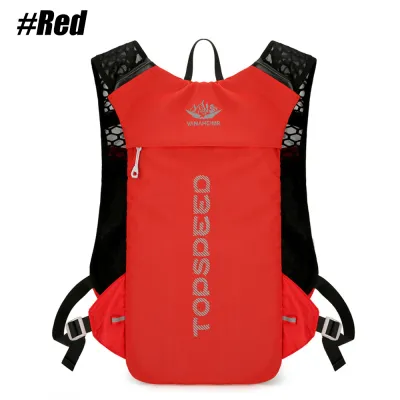
Prices are valid at publication and may change. Please refer to the product page for the latest price.
When you sweat heavily over extended periods, drinking plain water alone can be counterproductive or even dangerous. Flooding your system with pure water dilutes the remaining sodium in your bloodstream, a condition known as exercise-associated hyponatremia. This dilution leads to early muscle fatigue, severe cramping, headaches, and in extreme cases, confusion or collapse. To maintain osmotic balance and keep your muscles firing efficiently, you must replenish both water and sodium in tandem.
Carbohydrates also play a critical role during sustained efforts lasting longer than 60 to 90 minutes. Your body’s glycogen stores are limited, and consuming a controlled amount of carbohydrates alongside electrolytes helps sustain energy levels and facilitates faster water absorption in the small intestine. A balanced sports drink provides the necessary glucose or maltodextrin to fuel your working muscles without overloading your digestive system.
Using a running vest with water bladder is the most efficient delivery system for managing this continuous nutrient demand. Unlike carrying handheld bottles, which can feel heavy and disrupt your running stride, a hydration bladder distributes the fluid weight evenly across your back. This hands-free setup allows you to take small, frequent sips—micro-dosing your hydration and fuel every 10 to 15 minutes—which is far easier on the stomach than gulping large volumes of liquid at widely spaced intervals.
How to Choose Bladder-Safe Sports Drinks for Tropical Runs
When selecting a sports drink to put in your hydration bladder, you must evaluate both its physiological effectiveness and its physical compatibility with your equipment. The fluid dynamic properties of the drink determine how quickly your body absorbs it and how much residue it leaves behind in your gear.

| Formulation Type | Osmolarity (Compared to Blood) | Primary Benefit in Tropical Heat | Bladder Compatibility |
|---|---|---|---|
| Hypotonic | Lower | Ultra-rapid hydration; easiest on the stomach | Excellent; leaves minimal sticky residue |
| Isotonic | Equal | Balanced energy (carbs) and electrolyte replenishment | Good; requires prompt, thorough cleaning |
| Hypertonic | Higher | High calorie delivery; slow absorption | Poor; highly viscous, high clog and mold risk |
Hypotonic formulations are highly recommended for hot, humid environments because they have a lower concentration of salt and sugar than human blood. This difference in concentration allows water to pass rapidly through the gut wall via osmosis, providing almost immediate hydration. Isotonic drinks, which match the body’s natural fluid concentration, offer a higher carbohydrate payload for energy but are absorbed slightly slower. For tropical running, prioritize hypotonic mixes or dilute your isotonic drinks slightly to favor rapid hydration over heavy calorie delivery.
Solubility is the most critical factor for bladder longevity. Always choose sports drink powders that dissolve completely into a clear, sediment-free liquid. Undissolved granules or chalky mineral deposits will settle at the bottom of the bladder and migrate into the drinking tube. Over time, these particles create abrasive friction inside the silicone bite valve, causing slow leaks and clogging the flow mechanism.
Avoid sports drinks that contain heavy artificial dyes, such as bright reds, blues, or dark oranges. Thermoplastic polyurethane (TPU) and food-grade silicone, the primary materials used in modern hydration bladders, are highly porous and prone to staining. While these stains do not necessarily affect the structural integrity of the plastic, they make it incredibly difficult to visually inspect the bladder for black mold or bacterial buildup later on.
Always check product labels for non-carbonated formulations and avoid ingredients that increase viscosity, such as xanthan gum, thick starches, or heavy protein blends. Your sports drink should have a clean, water-like consistency. For heavy sweaters in Singapore, look for a mix that delivers at least 300 to 500 milligrams of sodium per 500 milliliters of fluid, paired with a light carbohydrate concentration of around 3% to 6% to ensure optimal absorption without stomach distress.
What Never to Put in Your Hydration Bladder
To protect your running vest with water bladder from permanent damage, clogging, and sanitary hazards, you must establish strict boundaries on what goes inside. Hydration systems are engineered specifically for low-viscosity, non-reactive liquids, and violating these design limits can ruin your gear mid-run.
Never fill your hydration bladder with carbonated beverages, including sparkling water, soda, or highly effervescent electrolyte tablets mixed directly inside the sealed chamber. As carbon dioxide gas escapes from the liquid, pressure builds rapidly inside the airtight bladder. Because the running vest compresses the bladder against your back, this pressure has nowhere to go but out through the drinking tube, forcing the bite valve open and causing constant, messy leaking. In extreme cases, the pressure can compromise the radio-frequency (RF) welded seams of the bladder, leading to a catastrophic rupture.
Avoid any liquids containing fruit pulp, dairy, or high-viscosity syrups. Even tiny fragments of fruit pulp will act as physical blockages in the narrow aperture of the bite valve, rendering the hydration system unusable during a run. Dairy-based recovery drinks or meal replacements contain fats and proteins that coagulate rapidly when exposed to body heat inside your vest pocket, creating a thick, foul-smelling sludge that is nearly impossible to flush out of the delivery tube.
Leaving sugary or protein-rich liquids in your bladder under Singapore’s warm, humid conditions creates a perfect breeding ground for bacteria and mold. Biofilms can begin to form within just a few hours of completing your run. Once these microbial colonies establish themselves inside the narrow tube or under the silicone sheath of the bite valve, they are incredibly difficult to eradicate and pose a genuine health risk for future runs.
Finally, avoid mixing different brands of electrolyte powders or combining multiple supplement types directly inside the bladder without prior testing. Certain mineral compounds can react chemically when mixed, resulting in precipitation or clumping. Always test new drink combinations in a separate glass first to ensure they remain completely liquid and do not separate or form a chalky residue over time.
Step-by-Step: Mixing and Loading Your Bladder for Race Day
Preparing your hydration system for a long run or race requires a methodical approach to ensure the drink is perfectly mixed and the bladder is loaded securely without air pockets.
- Pre-mix in a separate vessel: Never pour dry sports drink powder directly into your hydration bladder. Instead, use a clean shaker bottle, pitcher, or jug filled with room-temperature water. Add the recommended scoop of powder and shake or stir vigorously until the liquid is completely transparent and no sediment remains at the bottom. This guarantees that every drop entering your bladder is fully dissolved.
- Manage the temperature: Running in Singapore's heat means your body warmth will transfer directly to the bladder resting against your back. To keep your drink cool, use chilled water for your mix. You can add small, rounded ice cubes directly into the bladder if it has a wide-mouth opening, but keep in mind that as the ice melts, it will dilute your sports drink. To counter this, you can mix your initial solution slightly stronger to account for the melting ice.
- Pour and seal: Carefully pour the fully dissolved sports drink into the bladder, taking care not to exceed the maximum fill line indicated by the manufacturer. Overfilling puts unnecessary stress on the closure mechanism and increases the risk of leaks when the bladder is compressed inside your running vest.
- Purge the excess air: This is a crucial step to prevent annoying sloshing sounds and air locks. Once the bladder is sealed, turn it completely upside down so the tube attachment point is at the top. Gently squeeze the bladder with your hands to force all the trapped air up into the tube, and pinch the bite valve with your fingers to let the air escape. Stop squeezing the moment liquid reaches the valve.
- Secure in the vest: Thread the drinking tube through the designated routing loops on your running vest harness. Ensure there are no sharp kinks or bends in the hose that could restrict fluid flow. Secure the bladder using the vest's internal hook or strap to prevent it from sagging as you drink.
Mandatory Cleaning Steps to Prevent Mold After Using Sports Drinks
Using sports drinks in your bladder requires a non-negotiable commitment to cleaning. Because sugars and minerals cling to the plastic surfaces, failing to clean your gear immediately after a run in Singapore’s humid climate will guarantee mold growth.
Begin your cleaning routine immediately after your run. Do not leave your sweaty running vest with the bladder inside sitting in a gear bag or laundry basket overnight. Disconnect the drinking tube from the bladder body if your system features a quick-click connector. Flush both components thoroughly with warm tap water, allowing the water to run freely through the tube by pinching the bite valve open under the tap.
For a thorough clean, fill the bladder with warm water and add a specialized hydration bladder cleaning tablet or a few drops of mild, unscented dish soap. Avoid using harsh household bleach, boiling water, or abrasive dishwashing detergents unless explicitly permitted by the manufacturer’s care instructions, as these can degrade the polyurethane material and ruin the silicone seals. Let the cleaning solution sit inside the bladder and tube for 15 to 30 minutes.
Use a dedicated hydration cleaning brush kit to scrub the interior surfaces. Run a long, flexible tube brush all the way through the drinking hose to scrub away any sticky film. Use a wider bladder brush to clean the corners, seams, and the area around the sealing mechanism. Remove the silicone sheath from the bite valve and scrub the plastic housing underneath, as this is where sugary residue and mold tend to accumulate first.
Rinse all components multiple times with clean, running water to ensure all soap or cleaning tablet residue is completely gone. Any leftover soap will ruin the taste of your water on your next run and can cause gastrointestinal distress.
Proper drying is the most critical step in preventing mold in Singapore’s high ambient humidity. Hang the bladder upside down using a specialized drying hanger, or insert a clean kitchen whisk or plastic drying frame inside to keep the bladder walls from collapsing and trapping moisture. Hang the tube vertically so water can drain out completely. Ensure everything is placed in a well-ventilated, dry area out of direct sunlight.
Once the bladder and tube are completely dry to the touch, seal them and store them in your freezer. The sub-zero environment acts as an excellent preservation method, completely inhibiting the growth of any residual microscopic mold spores or bacteria. Simply take the bladder out of the freezer a few minutes before your next run, and it will be fresh, clean, and ready to use.
Frequently Asked Questions (FAQ)
Can I put energy gels directly into my water bladder?
No, you should never put energy gels directly into your hydration bladder. Energy gels are highly viscous, concentrated syrups designed to be taken with water, not dissolved in large volumes of it. Attempting to mix gels inside a bladder creates a thick, sticky solution that will easily clog the drinking tube and the delicate mechanisms of the bite valve. Furthermore, this highly concentrated sugar environment is incredibly difficult to clean thoroughly, making rapid bacterial and mold growth almost inevitable. Always carry your energy gels separately in the front pockets of your running vest and use your water bladder strictly for water or highly soluble, clean sports drink formulations.
How often should I replace my hydration bladder if I use sports drinks?
There is no fixed expiration date for a hydration bladder, but using sports drinks regularly will accelerate wear compared to using plain water. You should replace your bladder immediately if you notice persistent, musty odors that do not disappear after deep cleaning, visible black mold spots embedded within the plastic seams or tube that cannot be scrubbed away, or if the plastic material becomes stiff, brittle, or discolored. Regularly inspect the RF-welded seams and the silicone gaskets in the connectors for signs of degradation. With rigorous, immediate cleaning after every run, a high-quality TPU bladder can easily last for several seasons of tropical running before needing replacement.
Community discussion
Share your experience or ask a question. Comments are reviewed before publication.