
Selecting a stepper board for a small HDB flat requires balancing a compact physical footprint with the dynamic space needed for safe, comfortable workouts. For most typical Singaporean apartments, a stepper board with a base footprint of approximately 30 to 45 cm in width and 35 to 50 cm in depth offers the ideal balance. This size fits easily into tight corners while providing a stable foundation that prevents tipping during high-intensity cardio sessions.
Living in a high-density apartment means every square meter of floor space is highly valuable. A well-chosen stepper board delivers an excellent cardiovascular workout without the massive spatial demands of a treadmill or stationary bicycle. However, choosing the wrong dimensions or ignoring storage features can quickly turn a helpful fitness tool into a frustrating household obstacle. Understanding how to match the equipment to your specific home layout is key to maintaining an active lifestyle without cluttering your living space.
How to Measure Your Available Space in an HDB Flat
Before browsing online marketplaces or visiting local sporting goods stores, you must accurately assess the space where you plan to exercise. Many fitness enthusiasts make the mistake of measuring only the static footprint, which is the physical area the stepper board occupies when it is stationary. While a static footprint of 40 cm by 50 cm seems easy to accommodate, this measurement does not account for how the machine is used in practice.
Products mentioned in this guide
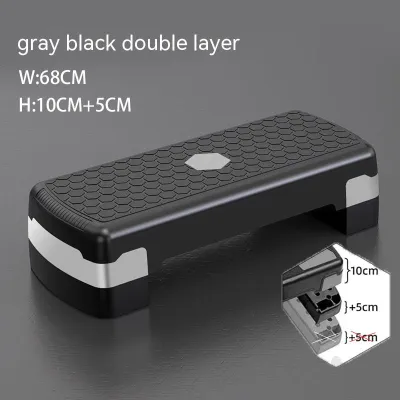
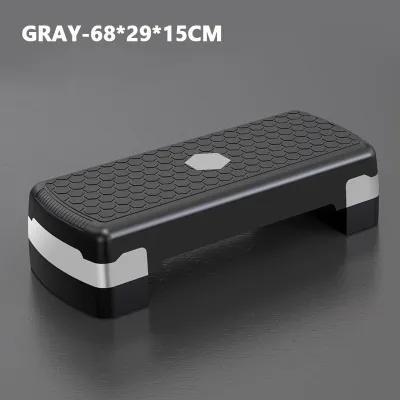
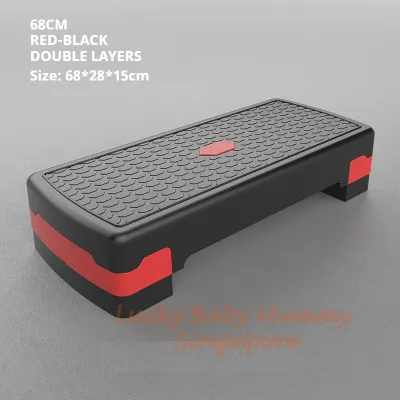
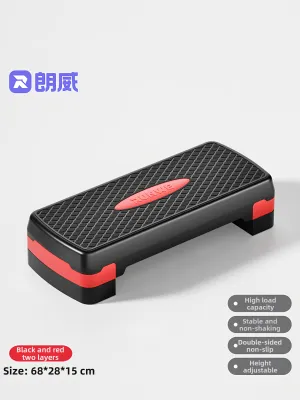
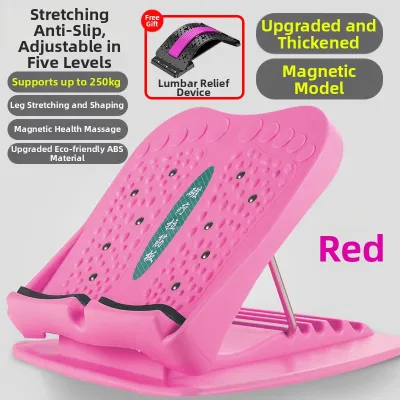
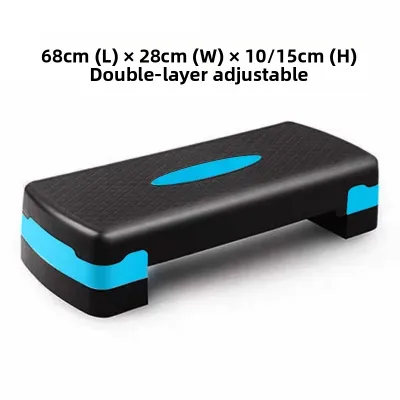
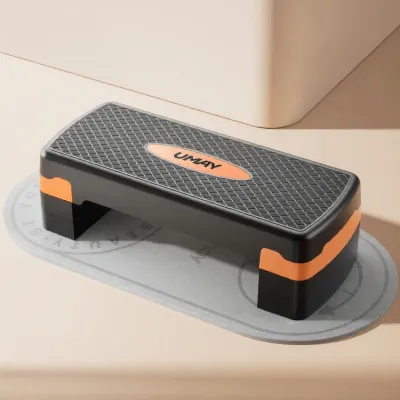
Prices are valid at publication and may change. Please refer to the product page for the latest price.
You must calculate the dynamic clearance, which is the active space required around the machine during a workout. As you step, your body moves vertically and slightly forward, and your arms naturally swing to maintain balance. To exercise safely, clear a zone that extends at least 50 to 60 cm on all sides of the stepper. This buffer zone prevents your elbows, hands, or knees from colliding with nearby wardrobes, study desks, or TV consoles.
Take precise measurements of your intended workout spot, paying close attention to door swings and walking pathways. If you plan to exercise in a bedroom corner, ensure that wardrobe doors can still open fully and that the stepper does not block the main entrance pathway. In living rooms, verify that the active workout space does not interfere with high-traffic corridors or slide too close to glass sliding doors leading to the balcony.
Vertical clearance is another critical factor that is frequently overlooked. Standard HDB ceiling heights typically range from 2.6 to 2.8 meters. To calculate your required overhead clearance, add the maximum height of the stepper’s pedals at their peak (usually 20 to 30 cm) to your own height, and add an extra 15 to 20 cm of safety margin. Ensure this total height does not bring your head dangerously close to ceiling fans, hanging light fixtures, or wall-mounted air conditioning units.
Finally, identify the flooring material in your designated workout area. Common HDB floor surfaces include homogeneous tiles, luxury vinyl tiles (LVT), and engineered timber or laminate. Hard tiles offer excellent stability but can be slippery, whereas vinyl and laminate are softer but highly susceptible to pressure indentations and scratches from heavy steel equipment. Noting your floor type helps you determine what kind of protective matting you will need to place beneath the unit.
Ideal Stepper Board Dimensions for Compact Areas
When evaluating stepper board dimensions, the goal is to find a model that minimizes floor usage without compromising your natural biomechanics. For compact HDB bedrooms or study rooms, a mini stepper with a base footprint between 30 cm x 40 cm and 45 cm x 55 cm is highly recommended. This size range is small enough to sit unobtrusively in a corner but large enough to support a solid internal frame.

The width and spacing of the foot pedals are vital for preventing joint strain. Biomechanically, your feet should rest at a natural, hip-width distance apart when stepping. If a stepper board is excessively narrow, it forces your feet too close together, which can cause your knees to track inward or outward unnaturally. Look for pedals that are at least 10 to 13 cm wide and spaced so that your feet sit roughly 15 to 20 cm apart, allowing for a natural, straight-line stride.
The height of the stepper base directly influences your step depth and overall range of motion. A base height of 15 to 25 cm is standard for most compact models. A taller base allows for a deeper, more challenging step, which increases muscle engagement in the glutes and thighs. However, a higher step height also requires greater balance and control. If you are new to cardio stepping, a moderate step depth of 15 to 18 cm is often the safest and most comfortable starting point.
While a smaller footprint is desirable for saving space, it must not come at the expense of structural stability. A stepper board that is too light or has a very narrow base can wobble or tip sideways during vigorous, fast-paced workouts. To balance these needs, look for models constructed with heavy-duty steel frames that weigh between 6 and 10 kg. This weight provides a low center of gravity, ensuring the machine remains firmly planted on the ground even when your stepping speed increases.
Storage-Friendly Designs for Small Bedrooms and Corners
Once your workout is complete, storing the equipment out of sight is essential for maintaining a clean, relaxing home environment. Different stepper designs offer distinct storage advantages depending on your flat’s layout.
Foldable and Collapsible Frames
Some stepper models feature folding frames or collapsible handlebars that allow the unit to transition from an active workout station to a flat profile. These mechanisms typically use quick-release locking pins or threaded knobs to fold the upright support bars down toward the base. This design is highly effective for reducing the vertical height of the machine, making it much easier to store.
When choosing a foldable model, closely inspect the quality of the hinges and locking pins. Because the folding joints bear a portion of your body weight and experience repetitive vibrations during use, they must be made of high-tensile steel rather than cheap plastic. Ensure the locking pins insert smoothly and lock securely into place without any play or wobbling.
Before purchasing, compare the manufacturer’s specified folded dimensions against your intended storage gaps. A folded stepper with a height of 15 to 20 cm can easily slide into the narrow gap behind a bedroom door, stand upright in a utility closet, or fit neatly inside a wardrobe next to your hanging clothes.
Low-Profile and Under-Bed Storage
If you prefer a simpler design without folding parts, a low-profile mini stepper is an excellent alternative. These models consist solely of the base and pedals, standing less than 25 cm tall when the pedals are resting flat. Because they lack upright bars or handlebars, they are incredibly compact and easy to handle.
Measure the exact clearance height under your bed frame, sofa, or TV console before buying. Many modern HDB platform beds or low-slung sofas have a ground clearance of only 10 to 12 cm, which may be too low for a standard hydraulic stepper. If your furniture sits higher, a low-profile stepper can easily slide completely out of sight when not in use.
Moving a solid steel stepper can be physically demanding, especially after an exhausting cardio session. Look for models equipped with small, built-in transport wheels on the front or rear stabilizer bars. These wheels allow you to tilt the machine slightly and roll it smoothly across the floor, eliminating the need for heavy lifting and reducing the risk of accidental back strain.
Essential Features for Quiet and Safe Apartment Workouts
Exercising in an HDB flat requires careful consideration of your immediate environment. Because your neighbors live directly below and adjacent to you, minimizing noise and vibration is just as important as saving space.
Most compact steppers utilize hydraulic cylinder resistance systems to create tension. Hydraulic cylinders are generally very quiet, producing only a soft, consistent hissing sound as the fluid moves inside the chambers. However, cheap or poorly sealed hydraulics can develop squeaks over time or leak fluid when they get hot. For apartment living, verify that the model uses high-quality, double-sealed hydraulic cylinders designed for smooth, quiet operation.
To prevent noise from traveling through the concrete floor slab of your HDB block, look for a stepper board with thick, non-marking rubber footpads. These rubber pads serve two critical functions: they grip the floor to prevent the machine from shifting or “walking” during use, and they act as shock absorbers that dampen low-frequency vibrations. This dampening effect is essential for keeping your workouts quiet enough to avoid disturbing family members in the next room or neighbors downstairs.
While attached handlebars offer excellent physical support, they significantly increase the spatial footprint of the machine and make storage much more difficult. If you have reasonable balance, opting for a handlebar-free model is the best way to save space. To maintain safety without handlebars, position your stepper near a sturdy, structural wall or next to a heavy, solid dining chair. This allows you to lightly touch the wall or chair back for balance support without needing a bulky, permanent frame.
Finally, always check the manufacturer’s maximum user weight capacity. A stepper board that is rated for 100 kg or 120 kg will have a much stiffer, more robust frame than one rated for only 80 kg. Operating a stepper close to its maximum weight limit causes the frame to flex slightly, which generates annoying squeaks, accelerates wear on the joints, and compromises your safety. Choosing a model with a weight capacity that comfortably exceeds your body weight ensures a quiet, stable, and long-lasting workout experience.
Common Sizing and Placement Mistakes to Avoid
To ensure your home workouts remain safe and enjoyable, avoid several common mistakes related to equipment placement and spatial planning.
One common error is placing the stepper board too close to walls, glass windows, or mirrored wardrobe doors. During an intense workout, a sudden loss of balance or a wide arm swing can cause you to strike these hard surfaces, leading to painful injuries or costly property damage. Always maintain the recommended 50 cm of clear space around the entire perimeter of the machine.
Do not underestimate the importance of ventilation. Small corners, household shelters, or narrow utility areas in HDB flats can quickly become hot, stuffy, and humid during a cardio session. Exercising in a poorly ventilated space increases your heart rate prematurely and makes workouts feel significantly more exhausting. Position your stepper in a spot that benefits from natural cross-ventilation, or ensure there is enough space nearby to plug in a standing fan or direct air conditioning airflow toward your workout zone.
Avoid using your stepper board on uneven flooring or thick, plush rugs. Soft carpets or uneven floor levels cause the base of the stepper to tilt slightly. This misalignment places uneven lateral pressure on the hydraulic cylinders, which can damage the internal seals, cause oil leaks, and void the manufacturer’s warranty. Always place the stepper on a flat, solid, and level surface.
Lastly, check the return policies, warranty terms, and assembly requirements when ordering from online marketplaces or international sellers. Returning a heavy, bulky piece of fitness equipment can be incredibly expensive and logistically difficult if you discover that the dimensions do not fit your home. Look for reputable local sellers in Singapore who offer clear return policies, local warranties, and responsive customer support to ensure a hassle-free purchase.
Frequently Asked Questions (FAQ)
Can I use a stepper board directly on vinyl or laminate flooring?
It is not recommended to use a stepper board directly on luxury vinyl tiles (LVT), laminate, or parquet flooring. The repetitive downward pressure and slight shifting of the steel base during a workout can easily cause deep scratches, scuffs, or permanent indentations in these softer materials. Additionally, sweat dripping from your workout can seep into laminate seams, leading to moisture damage and warping. Always place a high-density, non-slip PVC or rubber equipment mat underneath your stepper to distribute the weight, absorb vibrations, and protect your floors.
Are handlebars necessary for mini steppers in tight spaces?
Handlebars are not strictly necessary for most users and add significant bulk, making the machine much harder to store in a small flat. If you have normal balance and coordination, a handlebar-free mini stepper is highly practical and easy to slide under a bed or into a closet. For safety, beginners can start by placing the stepper near a sturdy wall or a heavy piece of furniture to use as a temporary balance aid. Many handlebar-free models also include detachable elastic resistance bands, which provide a light upper-body workout and help you stabilize your core without taking up any extra storage space.
Community discussion
Share your experience or ask a question. Comments are reviewed before publication.