
Swimming in Singapore is a year-round activity, thanks to the tropical climate and an abundance of public ActiveSG pools, condominium facilities, and open-water spots like East Coast Park. For women swimmers, finding the right swimming cap is not just about keeping hair out of the eyes; it is a crucial step in protecting hair from harsh chlorine, reducing hydrodynamic drag, and ensuring a comfortable swim. The ideal cap must balance a secure grip with a gentle fit, especially when accommodating different hair lengths, volumes, and textures.
While many swimmers view caps as a universal accessory, the wrong choice can lead to tension headaches, pulled hair, or a cap that constantly slides off during laps. By understanding the design philosophies of major brands and matching them to your specific hair type and swimming habits, you can find a cap that remains secure throughout your workout. This guide breaks down the essential factors to consider, compares the leading brands available in Singapore, and provides practical advice on material selection and care.
Key Factors for Choosing a Women's Swimming Cap
Before selecting a specific brand or model, it is important to identify your primary swimming environment and personal comfort preferences. A competitive racer training for a swim meet requires a highly hydrodynamic, compressive cap that minimizes drag, whereas a fitness swimmer doing regular laps at a local pool will likely prioritize comfort, ease of wear, and hair protection. Open-water swimmers may have different needs altogether, often requiring high-visibility colors and materials that offer better thermal insulation.
Products mentioned in this guide
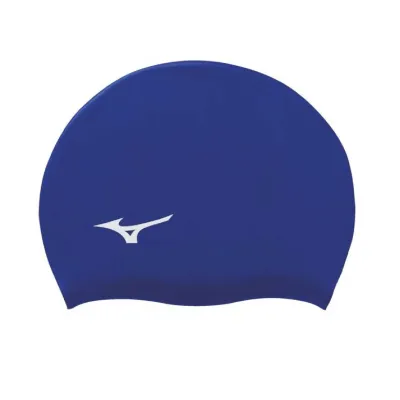
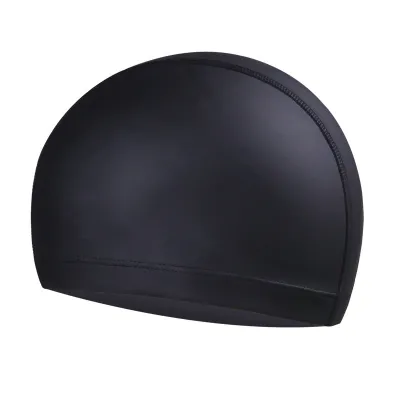
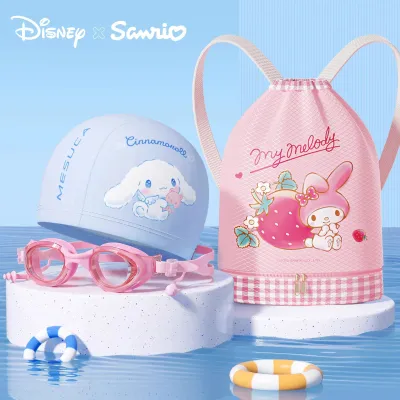
Prices are valid at publication and may change. Please refer to the product page for the latest price.
Hair volume and texture are among the most critical factors for female swimmers. Standard unisex caps are typically designed with a uniform dome shape that assumes minimal hair volume. If you have long, thick, curly, or braided hair, a standard cap can squeeze your head too tightly, slide upward during your swim, or fail to cover your ears and hairline completely. Choosing a cap specifically designed with extra space at the back can prevent these issues and keep your hair securely tucked away.
Sensitivity to pressure and material allergies should also guide your decision. Some swimmers experience discomfort or headaches from the high compression of competitive caps, making softer, more elastic materials preferable. Additionally, latex allergies are relatively common, so swimmers with sensitive skin should opt for silicone, fabric, or polyurethane-coated alternatives to avoid irritation and redness around the forehead and ears.
Top Swimming Cap Brands for Women: Features and Best Uses
When browsing local sporting goods stores or online marketplaces in Singapore, you will encounter several established brands that dominate the aquatic gear market. Each brand approaches swim cap design with a unique philosophy, ranging from high-performance hydrodynamics to everyday comfort and specialized fits for long hair. Understanding these brand profiles helps narrow down your choices based on your routine.

While most brands offer a variety of materials, their signature shapes, sizing consistency, and durability levels differ. Some brands focus heavily on competitive athletes, utilizing advanced molding technologies to eliminate wrinkles, while others cater to recreational swimmers with highly elastic, easy-to-stretch designs. Evaluating these characteristics ensures you select a brand that aligns with your swimming goals.
Speedo
Speedo is one of the most recognizable names in swimming, offering a comprehensive lineup that spans from basic recreational caps to elite racing gear. For women with longer hair, the brand offers dedicated long-hair silicone caps that feature extra room at the back of the crown, allowing hair to be bundled comfortably without adding bulk to the forehead area. They also produce 3D-molded pace caps designed to fit the contours of the head smoothly, reducing drag during fitness training.
When choosing a Speedo cap, it is important to note that fit and compression levels vary significantly across their product lines. Their competitive racing caps, such as those in the Fastskin series, are engineered for maximum compression and a tight, wrinkle-free fit, which may feel uncomfortably restrictive for casual fitness swimming. For daily lap swimming, their standard recreational silicone or fabric caps offer a much gentler, more relaxed fit.
Arena
Arena is highly regarded for balancing hydrodynamic efficiency with exceptional comfort, making their caps a popular choice among regular fitness swimmers. The brand is known for utilizing soft, highly pliable silicone blends that stretch easily over the head without sacrificing a secure seal. Their ergonomic designs conform naturally to the shape of the skull, reducing pressure points around the temples and forehead.
In addition to standard designs, Arena offers innovative solutions like the Smartcap, which features an integrated inner band that holds hair in place before the outer cap is pulled over, eliminating the need for hair ties. Because Arena’s sizing and elasticity can differ slightly from other major brands, it is highly recommended to consult their specific sizing guides, especially if you fall between sizes or have significant hair volume.
TYR
TYR has built a strong reputation for durability and specialized fit options, making their caps a favorite for swimmers who train frequently. Their silicone caps are constructed from robust, high-quality silicone blends that resist tearing and maintain their shape over long periods of exposure to chlorinated water. TYR’s wrinkle-free designs are engineered to sit flat against the head, optimizing water flow and reducing resistance.
For women with exceptionally thick, long, or braided hair, TYR provides specialized extra-large and long-hair variants that offer ample volume without putting excessive pressure on the forehead. While these designs are highly praised for their accommodating fit, swimmers should be aware that TYR’s standard competitive models can feel exceptionally tight and are best reserved for racing or high-intensity training sessions.
Cressi
Cressi, a brand with deep roots in diving and water sports, focuses primarily on comfort, elasticity, and leisure-focused designs. Their swimming caps are typically made from highly elastic, soft silicone or high-tech fabrics that prioritize ease of application and long-term wearability. This makes them an excellent choice for swimmers who find mainstream competitive brands too restrictive or difficult to put on.
These caps are particularly well-suited for open-water swimming, snorkeling, and recreational pool sessions where extreme hydrodynamic compression is not a priority. Because Cressi designs emphasize comfort and flexibility, they may not provide the ultra-tight, wrinkle-free profile required for competitive racing, but they excel at keeping hair contained comfortably during extended periods in the water.
Comparing Swimming Cap Materials for Different Needs
Selecting the right material is just as important as choosing the right brand, as the material dictates the cap’s elasticity, water resistance, durability, and warmth. The table below summarizes the key characteristics of the four primary swim cap materials:
| Material | Water Resistance | Hair Pulling | Durability | Best For |
|---|---|---|---|---|
| Silicone | High | Moderate | High | Daily fitness, long hair, chlorine protection |
| Latex | High | High | Low | Competitive racing, warm climates, budget-friendly |
| Fabric (Lycra/Spandex) | Low (Permeable) | Low (Very gentle) | Moderate | Water aerobics, casual swimming, ease of wear |
| PU-Coated | Moderate | Low | Moderate | Fitness swimming, comfort with moderate water resistance |
Silicone is the most popular material for modern swim caps due to its excellent durability and hypoallergenic properties. It is highly resistant to chlorine degradation and retains its elasticity over time, making it ideal for regular pool use. However, because silicone is relatively thick, it can trap heat; in Singapore’s warm outdoor pools, some swimmers may find that a thick silicone cap feels warm during intense midday workouts.
Latex caps are very thin, lightweight, and highly breathable, which can be advantageous in warm tropical climates. They provide a very tight, secure fit that is favored by competitive racers. However, latex is prone to tearing, especially when snagged by fingernails or hairpins, and it degrades quickly when exposed to chlorine and sunlight. Additionally, those with latex sensitivities must avoid this material entirely.
Fabric caps, typically made of Lycra or spandex, offer maximum comfort and do not pull or snag hair. They are incredibly easy to put on and take off, making them perfect for water aerobics or casual wading. The main drawback is that fabric is completely permeable; water flows freely through the material, meaning your hair will get fully wet and exposed to chlorine during your swim.
Polyurethane-coated (PU) caps offer a smart hybrid solution. They feature a soft fabric inner lining that glides smoothly over hair without pulling, combined with a water-resistant polyurethane outer coating. While they are not completely waterproof during full submersion, they significantly reduce water entry while offering a much more comfortable, less restrictive fit than pure silicone or latex.
Finding the Perfect Fit for Your Hair Type and Head Shape
Achieving a secure, comfortable seal requires proper fitting techniques, especially when managing long or voluminous hair. To tuck long hair effectively, start by gathering your hair into a low, secure bun or ponytail using a metal-free hair tie. Avoid high buns, as they create a large bump on top of the head that can cause the cap to slide upward and pop off during your swim.
To put the cap on smoothly, insert both hands into the cap with your palms facing inward and your fingers spread to stretch the material. Tilt your head forward, place the front edge of the cap against your forehead, and pull the cap over your head in a smooth, front-to-back motion. Once the cap is on, use your fingers to gently tuck any loose hair strands or braids under the edges, ensuring a clean seal around your hairline and ears.
If you consistently experience painful forehead creases, headaches, or red marks after swimming, your cap may be too small or tight. In such cases, consider sizing up or switching to a dedicated “long hair” or “extra-large” variant, even if your head circumference is average. Conversely, if the cap slides off or bunches up at the top, it may be too large, and a standard unisex or medium-sized cap will provide a more secure fit.
How to Care for and Extend the Life of Your Swim Cap
Singapore’s high humidity and intense UV rays can accelerate the breakdown of swim cap materials, making proper post-swim maintenance essential. Immediately after each use, rinse your cap thoroughly inside and out with cool, fresh tap water. This removes chlorine, salt, sand, and sweat, which can degrade silicone and latex over time if left to dry on the material.
After rinsing, dry the cap completely using a soft towel, or hang it to dry indoors in a well-ventilated area. It is crucial to avoid exposing your swim cap to direct sunlight or direct heat sources, as intense tropical sun can cause latex to melt and stick together, and can make silicone brittle and prone to tearing. Never leave a wet cap crumpled inside a dark, humid swim bag, as this creates an ideal environment for mold and mildew to grow.
To prevent the inner surfaces of silicone or latex caps from sticking together during storage, you can dust the dry inside of the cap with a small amount of talcum powder or cornstarch. Store your cap flat in a cool, dry place away from sharp objects like hairpins, goggles clips, or zippers, which can easily puncture or tear the material when you pack your gear.
Frequently Asked Questions (FAQ)
Do swim caps keep your hair completely dry?
No swimming cap is entirely waterproof, and none can keep your hair completely dry during full submersion, diving, or vigorous lap swimming. Water will inevitably seep in around the edges, particularly near the nape of the neck and around the ears where the seal is most vulnerable to movement. Silicone and polyurethane-coated caps are highly water-resistant and will minimize water entry, whereas fabric caps are completely permeable and offer no water protection. Achieving a tight, proper fit and ensuring no hair strands cross the edge of the cap are the most effective ways to reduce water seepage.
How do I prevent my swim cap from pulling my hair?
To prevent your swim cap from pulling or snagging your hair, try wetting your hair with fresh shower water before putting the cap on. Wet hair lies flatter and glides much more easily against silicone and latex than dry hair. Applying a small amount of leave-in conditioner or hair oil can also create a protective barrier that reduces friction. Alternatively, you can wear a thin, comfortable fabric cap underneath a silicone cap; the fabric layer protects your hair from pulling, while the outer silicone layer provides water resistance and keeps the setup secure.

Community discussion
Share your experience or ask a question. Comments are reviewed before publication.