
Selecting the right swimming ear plugs in Singapore depends heavily on your swimming frequency, skill level, and specific environment. For casual fitness swimmers doing light laps at local ActiveSG complexes, pre-molded flanged silicone plugs offer the easiest balance of convenience and protection. Competitive lap swimmers training for high-intensity sessions require low-profile, solid silicone plugs or moldable putty that sits flush against the ear to minimize drag during flip turns. Open-water swimmers navigating the choppy waters of East Coast Park or Sentosa benefit most from brightly colored moldable silicone putty or specialized plugs with safety leashes. For those highly susceptible to ear infections, custom-molded silicone ear plugs or natural wax plugs provide the ultimate watertight seal.
Why Reliable Ear Protection Matters for Swimmers in Singapore
The primary health motivation for using swimming ear plugs is the prevention of otitis externa, commonly known as “swimmer’s ear.” This condition is caused by moisture becoming trapped in the ear canal, which breaks down the skin’s natural protective barrier and allows bacteria or fungi to multiply. In Singapore’s tropical climate, where relative humidity regularly exceeds 80%, ears do not dry out quickly after a swim. This prolonged dampness, combined with the warm climate, creates an ideal breeding ground for opportunistic micro-organisms.
While chlorinated public pools across Singapore are chemically treated to kill pathogens, chlorine itself can dry out the ear canal and alter its natural acidic pH. This stripped environment makes the skin more vulnerable to infection. Open-water swimmers face different challenges; natural bodies of water like those at Sentosa or East Coast Park contain natural bacteria, silt, and organic debris that can easily enter the ear canal.
Products mentioned in this guide
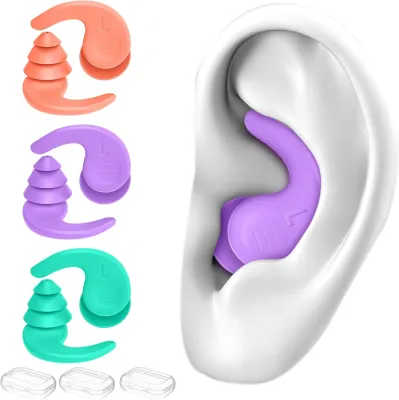
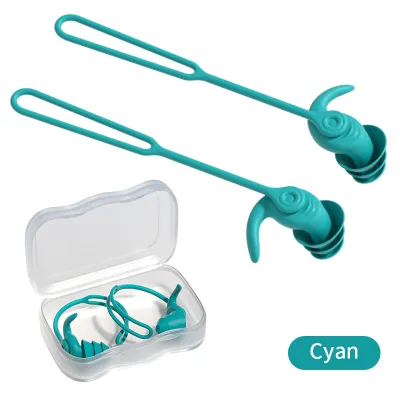
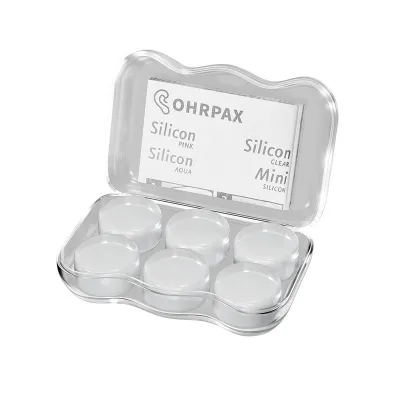
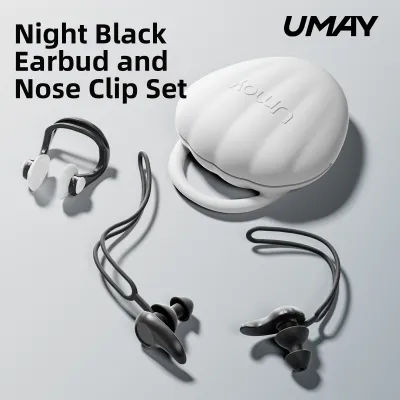
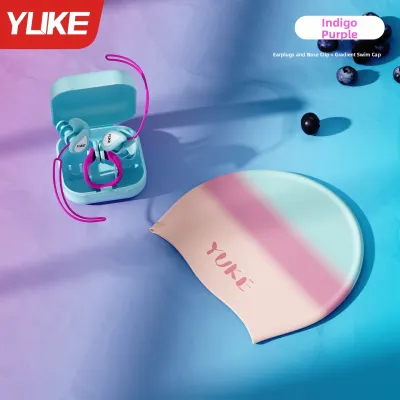
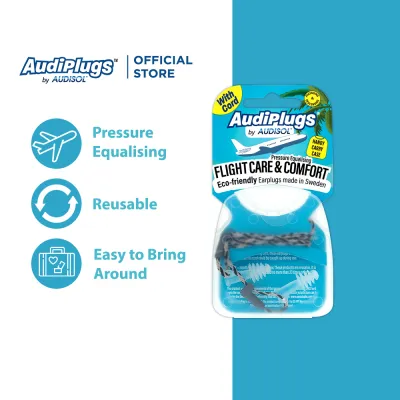
![[Featured] 1 Pairs Noise Canceling Ear Plugs With Box /Noise Reduction Ear Plugs for Sleeping /Waterproof Noise Reduction Earplugs for ConcertSwimming](https://img.lazcdn.com/g/p/deb6cb2ef3d2a0b61686985644680ad9.jpg_400x400q80.jpg_.webp)
Prices are valid at publication and may change. Please refer to the product page for the latest price.
Using a reliable swimming ear plug acts as a physical barrier to keep water out. However, ear plugs are strictly a preventive measure and not a medical treatment. If you are currently experiencing an active ear infection, pain, discharge, or have a ruptured eardrum, you should avoid using ear plugs and consult a qualified general practitioner or an Ear, Nose, and Throat (ENT) specialist in Singapore before entering the water.
Key Factors for Choosing the Right Swimming Ear Plugs
Material and Seal There are two main approaches to sealing the ear: canal-entry plugs and outer-ear seals. Canal-entry plugs, typically made of pre-molded flanged silicone, insert directly into the ear canal to block water. Outer-ear seals, such as moldable silicone putty or natural wax, are flattened over the external ear opening (the concha) without entering the canal itself. The choice between these depends on your comfort preference and how sensitive your ear canal is to direct pressure.

Fit and Comfort A secure fit is paramount. If a plug is too small, water will seep in; if it is too large, it will cause pressure pain and cartilage fatigue during extended swimming sessions. This is particularly critical for competitive swimmers who spend hours in the pool each week.
Hydrodynamics and Profile For lap swimmers and competitive athletes, hydrodynamics play a vital role. Plugs with long, protruding stems can catch the water, creating drag and increasing the risk of being dislodged during aggressive push-offs, flip turns, or diving block starts. A low-profile design that sits flush with the outer ear is essential for uninterrupted training.
Durability and Hygiene Singapore’s hot, humid climate accelerates the growth of mold and bacteria on damp surfaces. Swimming ear plugs must be made of materials that are easy to wash, clean, and dry thoroughly. High-quality medical-grade silicone resists degradation, whereas cheaper materials may become sticky or brittle over time.
Visibility If you swim in open water, visibility is a safety factor. Dropping a flesh-colored or clear ear plug in the ocean or a reservoir means it is lost forever. Bright, high-visibility colors like neon yellow, orange, or blue are much easier to locate if dropped on the beach or in the water.
Recommended Ear Plug Types for Different Swimmer Profiles
For Casual and Fitness Swimmers
For those who swim once or twice a week for general fitness or leisure, pre-molded, flanged silicone ear plugs are highly recommended. These plugs feature multiple soft, concentric rings (flanges) that graduate in size to create a progressive seal inside the ear canal. Many models designed for casual use come with a lightweight, detachable connecting cord that rests behind the neck.
Why they work: They are incredibly easy to insert and remove without any preparation, and they can be reused hundreds of times. The optional connecting cord is a practical feature that prevents a plug from sinking to the bottom of the pool if it happens to slip out during a casual stroke.
Limitations: Because they rely on generic sizing (often sold as “one size fits most” or in standard small, medium, and large sizes), they may not provide a 100% watertight seal for individuals with uniquely shaped ear canals. Additionally, some swimmers find the physical sensation of a stem inserting deep into the ear canal to be uncomfortable or intrusive.
Buying check: Ensure the plugs are made from soft, hypoallergenic, medical-grade silicone. Avoid rigid plastics that can scrape the delicate skin of the ear canal. Check if the package includes a protective carrying case to keep them clean between visits to the pool.
For Competitive and Lap Swimmers
Competitive swimmers, swim squad members, and serious lap swimmers require ear protection that can withstand high-velocity movements. For this profile, low-profile, solid silicone plugs or moldable silicone putty that sits completely flush against the outer ear bowl (the concha) are the ideal choices.
Why they work: These designs eliminate any protruding stems or cords that could catch the water. When performing aggressive push-offs from the wall, executing rapid flip turns, or diving off the blocks, the water pressure exerts significant force on the head. A flush-fitting plug minimizes hydrodynamic drag, ensuring the seal remains unbroken throughout intense training sets.
Limitations: Moldable putty requires proper molding technique to achieve a reliable seal, which can take a bit of practice. Solid low-profile plugs, on the other hand, do not mold to the ear but rely on precise sizing, meaning you may need to try a few different brands or sizes before finding the perfect match for your ear anatomy.
Buying check: Verify that the product is specifically marketed for competitive swimming or active water sports. Look for packages that include multiple ear tip sizes or customizable wing attachments that lock the plug into the upper ridge of the outer ear for extra security.
For Open-Water and Triathlon Swimmers
Swimming in open-water environments, such as East Coast Park, Sentosa, or during local triathlon events, presents unique challenges like choppy water, wind, and varying water temperatures. For these conditions, brightly colored moldable silicone putty or specialized open-water ear plugs equipped with secure leashes are highly recommended.
Why they work: Moldable silicone putty works exceptionally well in open water because it forms a complete, customized seal over the ear opening, blocking out cold water, wind, and floating debris. Preventing cold water from entering the ear canal is also crucial for avoiding “surfer’s ear” (exostosis), a condition where bone growth occurs in the canal due to cold exposure. The bright neon colors (such as orange, pink, or yellow) serve as a safety feature, making the plugs easy to spot if they are dropped on the sand or in the water.
Limitations: A notable limitation of moldable silicone putty is its tendency to attract sand, dirt, and hair. If you drop a piece of putty on the beach at East Coast Park, particles will stick to it, rendering it unhygienic and potentially abrasive to your ear. It must be handled with clean hands and stored immediately after use.
Buying check: Ensure the material is rated to retain its moldability and seal in both warm tropical waters and cooler open-water conditions. If choosing specialized open-water plugs, check if they feature acoustic filters that allow you to hear ambient sounds and safety horns while still blocking water.
For Swimmers Highly Prone to Ear Infections
If you have a history of chronic swimmer’s ear, ear canal irritation, or have been advised by a medical professional to keep your ears completely dry, you need maximum-seal options. The most effective choices are high-quality moldable silicone putty, natural wax plugs, or custom-molded silicone ear plugs made by an audiologist.
Why they work: These options are highly effective because they do not rely on a generic insert-and-hope fit. Moldable putty and wax plugs act as an external cap, sealing the entrance of the ear canal without entering it, which prevents water from being pushed deep inside. For the absolute best protection, custom-molded ear plugs are crafted from a physical impression of your unique ear canal, providing an unparalleled, personalized watertight seal.
Limitations: Over-the-counter moldable putty and wax plugs degrade relatively quickly, losing their stickiness and elasticity after several uses, which means they require frequent replacement. Custom-molded silicone plugs, while incredibly durable and comfortable, represent a premium financial investment and require a professional fitting appointment at a local audiology clinic in Singapore.
Buying check: Inspect the packaging for explicit “waterproof” or “swimming” designations, as some moldable plugs are designed only for noise reduction and may dissolve or lose their seal in water. If you opt for custom-molded plugs, research reputable audiology clinics in Singapore that specialize in swimmer’s ear molds to ensure a proper medical-grade fitting.
Quick Comparison: Ear Plug Materials and Performance
To help you quickly evaluate your options, the table below outlines the core differences between the four primary types of swimming ear plugs available in Singapore.
| Material Type | Waterproof Seal Quality | Comfort & Intrusiveness | Durability & Lifespan | Best Suited For |
|---|---|---|---|---|
| Pre-Molded Flanged Silicone | Moderate to High | Moderate (inserts into ear canal) | High (lasts several months to a year) | Casual fitness swimmers, recreational pool use |
| Moldable Silicone Putty | High | High (sits comfortably on outer ear) | Low (replace after 5 to 10 uses) | Competitive swimmers, open-water swimmers, infection-prone users |
| Moldable Wax | High | Very High (warms to ear shape) | Very Low (replace after 1 to 3 uses) | Swimmers prone to infection, those who dislike silicone |
| Custom-Molded Silicone | Outstanding | Excellent (perfect anatomical fit) | Outstanding (lasts several years) | Dedicated athletes, chronic infection sufferers, frequent swimmers |
Please keep in mind that individual ear anatomy varies significantly from person to person. Finding the perfect fit and seal may require testing one or two different types of ear plugs under active swimming conditions to see which material feels most secure and comfortable in your ears.
Cleaning and Maintenance Tips for Humid Climates
Proper hygiene and maintenance are essential for extending the lifespan of your swimming ear plugs, especially in Singapore’s tropical climate.
Post-Swim Cleaning: Immediately after exiting the pool or ocean, rinse your reusable silicone ear plugs thoroughly under clean, running tap water. This step is vital to wash away residual chlorine, salt, sand, and pool chemicals, which can degrade the silicone material over time and cause it to become brittle or sticky.
Drying: In Singapore’s high humidity, drying is the most critical step in preventing bacterial and fungal growth. After rinsing, gently pat the ear plugs dry with a clean towel and leave them to air-dry completely in a well-ventilated space. Never store damp ear plugs in a sealed case, as the trapped moisture creates a perfect incubator for mold.
Storage: Once fully dry, store your ear plugs in their dedicated protective carrying case. Choose a case that features ventilation holes to allow any residual moisture to escape, rather than an airtight container. Keep the case in a cool, dry place away from direct tropical sunlight, which can warp or degrade the materials.
Replacement Signals: Regularly inspect your ear plugs for signs of wear. It is time to replace them if you observe a loss of elasticity, visible discoloration, a persistent odor that remains after washing, or physical tears in the silicone flanges. Moldable putty and wax plugs must be discarded as soon as they lose their stickiness, collect visible dirt or hair, or begin to crumble.
Safety boundary: To clean your ear plugs, use only mild soap and warm water. Always check the applied product’s label and the manufacturer’s care instructions first. Never use harsh household chemicals, rubbing alcohol, or boiling water to sterilize the plugs unless explicitly approved by the manufacturer, as these methods can permanently damage the material’s structural integrity and ruin the waterproof seal.
Frequently Asked Questions (FAQ)
Can I use regular foam ear plugs for swimming?
Standard polyurethane foam ear plugs are designed exclusively for noise reduction and are not suitable for swimming. Foam is a highly porous material that acts like a sponge, absorbing pool water and swelling inside your ear. Instead of keeping water out, foam plugs will trap moisture directly against your eardrum, creating a warm, damp environment that significantly increases your risk of developing swimmer’s ear or other bacterial infections. Always use specialized waterproof ear plugs made of silicone, putty, or wax for swimming.
Do swimming ear plugs block out all sound?
Swimming ear plugs are designed to block water, not to make you completely deaf. While they will significantly muffle airborne noise and reduce the loud rushing sound of water in your ears, they do not block out all sound. You will still be able to hear high-frequency sounds, such as a coach’s instructions on the pool deck, whistle blasts, or starting signals, though they will sound somewhat dulled. This level of auditory awareness is an important safety feature, especially when swimming in busy public pools or open-water environments.
How often should I replace my reusable swimming ear plugs?
The lifespan of your ear plugs depends on the material and how frequently you swim. Pre-molded silicone plugs are highly durable and can easily last several months to a year with proper cleaning and storage. In contrast, moldable silicone putty and natural wax plugs are designed for short-term use; putty should typically be replaced after 5 to 10 uses, while wax plugs often need replacing after 1 to 3 uses, or as soon as they lose their stickiness and shape. Always check the manufacturer’s specific guidelines on the product packaging for replacement recommendations.
Community discussion
Share your experience or ask a question. Comments are reviewed before publication.