
In Singapore’s year-round tropical climate, swimming is both a popular recreational activity and an essential life skill. Whether your child is attending weekly lessons at a public ActiveSG swimming complex, training with a competitive junior squad, or splashing in a condominium pool, a reliable pair of swimming goggles is a crucial piece of gear. The right goggles do more than just keep water out of your child’s eyes; they prevent irritation from chlorine and saltwater, support clear underwater vision, and build confidence in the water. However, it is important to remember that swimming goggles are comfort and protection aids—they do not replace proper water safety training, swimming ability, or active adult supervision. Parents must ensure children swim within their ability limits and remain under close supervision at all times.
When looking for the best swimming goggle brands for kids in Singapore, parents are often overwhelmed by the variety of choices. Leading brands like Speedo, Arena, Zoggs, and TYR each offer dedicated children’s lines designed to accommodate developing facial structures. Speedo and Arena are highly regarded for their versatile junior ranges that cater to both recreational and competitive youth swimmers. Zoggs specializes in exceptionally soft, oversized frames that are ideal for toddlers and young children learning to swim. TYR provides durable, low-profile designs that are favored by older children and those transitioning into swim squads. Understanding how to evaluate these brands against your child’s specific age, swimming environment, and facial structure is the key to finding the perfect fit.
Key Criteria for Choosing Kids' Swimming Goggles
To select the most effective goggles, parents must first understand the core design elements that dictate performance, comfort, and safety. A child’s age and facial structure are the most critical factors. Children’s facial bones, particularly the nasal bridge and orbital sockets, are continuously growing and differ significantly from adults. Goggles designed for toddlers (typically ages 2 to 5) feature highly flexible, one-piece frames that self-adjust to flat nasal bridges. Junior models (ages 6 to 12) offer slightly larger eye cups and sometimes feature interchangeable nose bridges to accommodate changing facial proportions. If the eye cup size does not match the child’s bone structure, the goggles will either pinch the outer eye corners or leak near the temples.
Products mentioned in this guide
![[SG Stock] Kids Swimming Goggles Quick Release Anti Fog Leak Proof Swim Goggle Easy Wear Adjustable Children UV Google](https://img.lazcdn.com/g/p/4fd6a3bffd2b77d2b8d4cf76d21e1eb1.jpg_400x400q80.jpg_.webp)
![[SWANS] Kids/Junior Mirror Lens Swimming Goggle SJ-22M (Made In Japan)](https://img.lazcdn.com/g/ff/kf/Sc9e48656bd7a426d87fcb85a025f7ba2c.jpg_400x400q80.jpg_.webp)
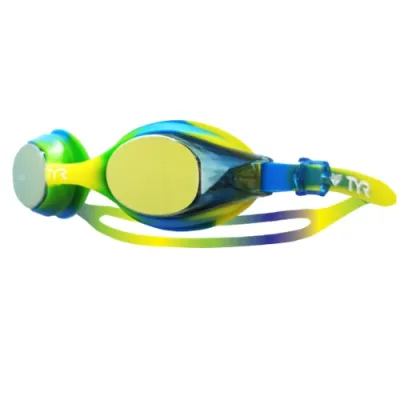
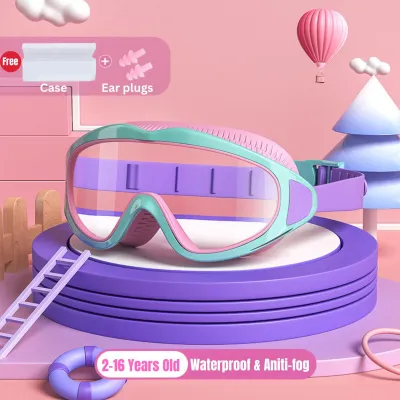
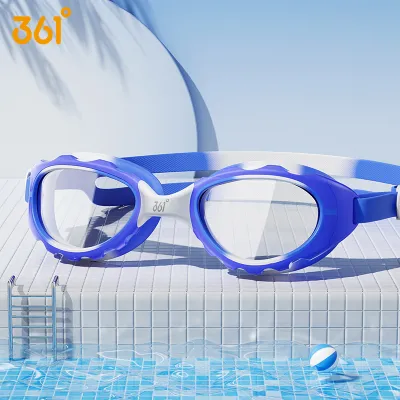
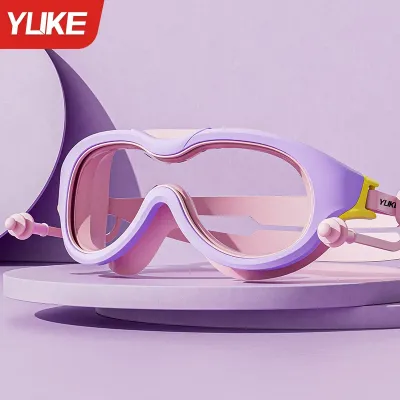
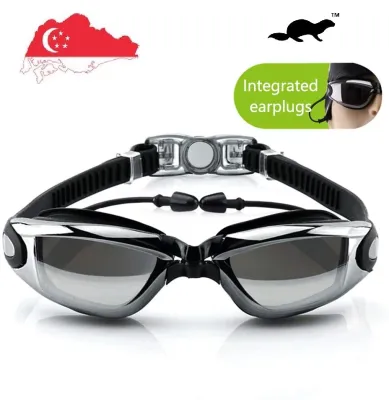
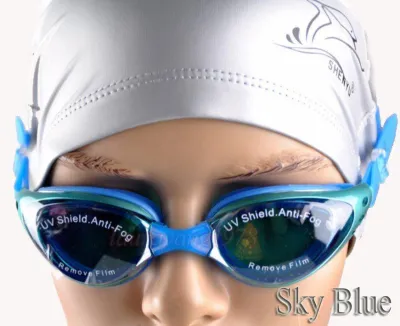
Prices are valid at publication and may change. Please refer to the product page for the latest price.
The material of the gasket—the seal that rests against the skin—plays a major role in comfort and durability. High-grade silicone gaskets are the industry standard because they are hypoallergenic, highly durable, and resistant to degradation from chlorine and intense UV exposure. Silicone provides a reliable, watertight seal but can feel firm on very sensitive skin. Alternatively, some recreational models utilize foam gaskets. Foam is incredibly soft, lightweight, and forgiving, making it an excellent choice for young children with sensory sensitivities. However, foam degrades much faster than silicone when exposed to pool chemicals and can harbor bacteria if not dried thoroughly after use, requiring more frequent replacement.
Strap design and adjustment mechanisms are equally vital for a hassle-free swimming experience. A split strap, which divides into two bands at the back of the head, distributes pressure more evenly across the skull, preventing the goggles from slipping down during active play. For children who are learning to put on their gear independently, look for easy-adjust buckles located on the side or rear of the frame. These allow quick tension adjustments without pulling the hair. If your child has long hair, traditional silicone straps can snag and cause pain; in these cases, investing in a fabric strap cover or choosing goggles with integrated fabric straps can eliminate discomfort.
Finally, lens selection must be matched to the specific swimming venue. Clear lenses offer maximum visibility in low-light conditions, while tinted or mirrored lenses filter out bright light. Regardless of the lens color, parents should always check the manufacturer’s packaging to verify explicit UV protection claims. In Singapore’s sunny environment, ensuring the lenses block harmful ultraviolet radiation is essential for protecting young eyes from long-term damage.
Reliable Swimming Goggle Brands to Consider for Children
When shopping for children’s swim gear, choosing a reputable brand ensures that the materials used are safe, non-toxic, and designed specifically for youth anatomy. Parents should use the following brand profiles to guide their search, keeping in mind that they should always verify specific model dimensions, age recommendations, and current availability at local sports retailers or online marketplaces before making a purchase.

Speedo
As one of the most established names in aquatic sports, Speedo offers a comprehensive range of children’s goggles that cater to both casual play and competitive training. The brand is highly regarded for its commitment to material quality and hydrodynamics, making its junior lines a staple in Singapore’s swim schools. Speedo’s children’s goggles are generally categorized into specific age brackets, such as “Infant” (ages 2 to 6) and “Junior” (ages 6 to 14), allowing parents to select a size that closely aligns with their child’s developmental stage.
A key characteristic of Speedo’s youth line is the integration of softer silicone formulations. For instance, models utilizing their proprietary “Biofuse” technology feature a flexible internal frame cushioned by a gel-like seal. This design is specifically engineered to conform to the delicate contours of a child’s face, significantly reducing the pressure marks and red rings often left around the eye sockets after a long swim session. When selecting a Speedo model for outdoor use, parents should check the product specifications to confirm the presence of UV-blocking treatments on the lenses.
Arena
Arena is widely recognized for its high-performance competitive gear, and this expertise extends directly into its youth and junior demographics. The brand’s design philosophy centers on providing a secure, leak-free fit that remains stable during active movement, making Arena goggles excellent for children who are progressing in their swimming skills or joining junior swim clubs. Their models are built to withstand the rigorous demands of regular training while maintaining a high level of comfort.
Many of Arena’s kids’ models feature simplified strap adjustment mechanisms, such as push-button systems located on the side buckles. These user-friendly designs empower young swimmers to adjust the tension themselves, reducing the need for parental assistance at the poolside. Additionally, parents should evaluate the nose bridge design of Arena models; several junior options feature highly elastic, self-adjusting nose bridges that automatically stretch to fit different nose shapes, while others provide interchangeable nose pieces to ensure a customized, watertight seal.
Zoggs
Zoggs specializes in learn-to-swim equipment and is particularly famous for its innovative approach to toddler and early-years swim gear. The brand focuses heavily on building water confidence, recognizing that a child who is comfortable and free from eye irritation is much more likely to enjoy their time in the pool. Zoggs goggles are highly recommended for younger children who may be resistant to wearing traditional, tight-fitting swim gear.
A standout feature of Zoggs’ children’s range is the use of oversized, soft-seal frames. These gaskets sit further away from the immediate eye socket, resting on the outer orbital bone and cheekbones. This design distributes pressure over a larger surface area, resulting in an exceptionally comfortable fit that minimizes eye strain. Furthermore, Zoggs incorporates bright, playful colors and child-friendly designs into their products to make the gear visually appealing to toddlers. Parents should always verify the specific UV protection ratings and anti-fog longevity claims printed on the packaging of Zoggs junior ranges to ensure they meet their child’s swimming conditions.
TYR
TYR is a premier brand in the competitive swimming arena, offering children’s goggles that effectively bridge the gap between recreational swimming and structured swim squad training. Their youth products are designed with durability and performance in mind, making them highly suitable for older children, pre-teens, and young athletes who spend multiple hours in the pool each week.
TYR’s kids’ goggles often feature low-profile frame designs that minimize water resistance, helping young swimmers refine their technique without the distraction of bulky gear. The brand utilizes high-grade, resilient silicone gaskets that maintain their shape and sealing properties over long periods of exposure to pool chemicals. Because TYR’s junior models are built for active performance, they often feature advanced lens coatings; parents should carefully review the manufacturer’s care instructions to ensure they maintain the anti-fog treatments and extend the lifespan of these performance-oriented goggles.
Choosing Lenses for Singapore's Indoor and Outdoor Pools
Singapore’s unique geographical and architectural landscape means that children frequently transition between different swimming environments. Public pools and condominium facilities are often completely open to the elements, while private swim schools and sports hubs may utilize indoor or deeply shaded pools. Selecting the correct lens type is essential for ensuring your child has clear, comfortable, and safe vision in these varying light conditions.
For outdoor pools under Singapore’s intense tropical sun, glare and bright light can cause significant eye strain and squinting, which quickly tires out a young swimmer. In these environments, tinted, mirrored, or polarized lenses are highly beneficial. Tinted lenses act like sunglasses, reducing overall brightness, while mirrored and polarized coatings actively reflect glare off the water’s surface. When purchasing goggles for outdoor use, parents must verify that the product label explicitly states “UV400” or guarantees 99% to 100% UVA and UVB protection. Dark lenses without proper UV filters are highly dangerous, as they cause the pupils to dilate, allowing more harmful ultraviolet radiation to enter the eyes.
Conversely, for indoor pools, covered training facilities, or evening swim lessons, clear or lightly tinted lenses (such as light blue or pink) are the correct choice. Using mirrored or dark tinted goggles in a shaded or indoor environment restricts the child’s field of vision, making it difficult to see the pool floor, judge distances to the wall, or clearly see the swim coach. This lack of visibility can lead to accidental collisions and anxiety in hesitant swimmers.
For parents whose children swim in both indoor and outdoor settings, investing in two separate pairs of goggles is often the most practical and reliable solution. While photochromic lenses—which automatically darken in response to sunlight and clear up indoors—are available, parents should verify the manufacturer’s specified transition speed. In some cases, these lenses may not transition quickly enough for active play, or the specialized coatings may degrade rapidly under constant exposure to pool chemicals.
Additionally, Singapore’s high ambient humidity presents a constant challenge for swim gear. The temperature difference between the warm, humid air, the child’s warm skin, and the cooler pool water creates a prime environment for condensation to form inside the lenses. To combat this, parents should prioritize goggles with high-quality, factory-applied anti-fog treatments. Checking user reviews or product specifications for long-lasting anti-fog properties can save parents from the frustration of constantly clearing their child’s fogged-up lenses during a lesson.
How to Fit and Maintain Kids' Swimming Goggles
Even the highest-quality goggles from the best brands will leak and cause discomfort if they do not fit properly or are poorly maintained. To ensure a watertight seal and extend the lifespan of your investment, parents should master the proper fitting techniques and follow a strict post-swim care routine.
Before adjusting any straps, parents should perform the “suction test” to verify that the goggle frame is anatomically compatible with their child’s face. To do this, gently press the goggle eye cups against your child’s eyes without putting the strap over their head. Instruct your child to blink or look down. If the goggles stick to the face for a second or two before releasing, it indicates a proper physical seal. If the goggles fall off immediately, air is leaking in, meaning the frame shape or nose bridge width is incorrect for your child’s facial structure, and water will inevitably enter the goggles during a swim.
Once a proper seal is confirmed, the head strap should be adjusted. A common mistake is over-tightening the strap to force a seal on a poorly fitting goggle. This causes unnecessary pain, deep red marks, and headaches. The strap’s purpose is simply to hold the goggles in place, not to create the seal. Position the split strap high on the back of the head, at roughly a 45-degree angle to the face. Adjust the tension so that the goggles are secure but comfortable; you should be able to slide a finger easily under the strap.
To maintain the integrity of the materials, immediate post-swim care is essential. Chlorine, salt, sunscreen, and body oils will rapidly degrade silicone gaskets, stretch out straps, and destroy lens coatings if left on the gear. After every use, thoroughly rinse the goggles in cool, fresh tap water. Never use hand soap, dishwashing liquid, or abrasive cleaners, as these chemicals will immediately strip away the delicate, factory-applied anti-fog coating on the inside of the lenses.
Finally, proper drying and storage are critical to preventing mold and physical damage. Allow the goggles to air-dry completely in a shaded, well-ventilated indoor area. Never leave them to dry in direct sunlight, as intense UV radiation will cause the silicone to become brittle, crack, and lose its elasticity. Once dry, store the goggles in a protective hard case or a soft microfiber pouch. This prevents the lenses from being scratched by keys, toys, or other swim gear inside the swim bag, ensuring clear vision for your child’s next pool session.
Frequently Asked Questions (FAQ)
How often should I replace my child's swimming goggles?
Rather than relying on a fixed timeline, parents should regularly inspect goggles for physical signs of wear and tear. You should replace the goggles if the silicone gaskets become hardened, yellowed, sticky, or cracked, as they will no longer form a reliable watertight seal. Additionally, check for permanent stretching or tearing in the head strap, or brittle plastic buckles that slip under tension. If the lenses are heavily scratched—which compromises visibility and safety—or if the factory anti-fog coating has completely degraded and cannot be managed with temporary treatments, it is time to invest in a new pair.
Can kids use adult swimming goggles if they fit?
It is highly discouraged to let children use adult swimming goggles, even if the straps can be tightened to fit their head circumference. Adult goggles are designed with larger eye cup volumes, wider nose bridges, and a frame curvature tailored to fully developed adult facial bones. When placed on a child’s smaller face, these larger frames often press directly on the delicate orbital bone or even the eyeball itself, causing pain, bruising, or poor sealing. Always select goggles specifically scaled and certified for children’s age groups to ensure physical safety and comfort.
What should I do if the goggles keep fogging up?
The most important rule for managing fogged goggles is to never wipe or rub the inside of the lenses with your fingers, a towel, or your shirt. This action immediately scratches and strips away the delicate, factory-applied anti-fog coating. If the goggles fog up mid-swim, gently dip them in the pool water to clear the condensation, or rinse them with fresh water. Once the original factory coating has naturally degraded over time, parents can apply a manufacturer-approved anti-fog spray or drop, carefully following the product’s specific instructions and safety guidelines to restore clear vision safely.
Community discussion
Share your experience or ask a question. Comments are reviewed before publication.