
A quality table tennis blade is an investment in your game, and protecting it is key to ensuring its longevity and performance. Table tennis edge tape is the most effective way to shield your blade from the nicks, chips, and splintering that can occur during intense play. This simple accessory absorbs impact from accidental hits against the table, preserving the wood and keeping your racket in top condition.
Choosing the right edge tape involves more than just picking a color you like. The material, thickness, and even the adhesive can affect your racket’s protection, feel, and balance. This guide will walk you through everything you need to know to select the perfect edge tape for your blade and playing style.
Why Edge Protection Matters for Your Table Tennis Blade
The primary role of edge tape is to preserve the structural integrity of your table tennis blade. During play, the edges of your racket are constantly at risk. Common scenarios include scraping the table while attempting a low, spinny return, accidentally dropping your paddle, or even colliding with the net post during a fast-paced rally.
Products mentioned in this guide
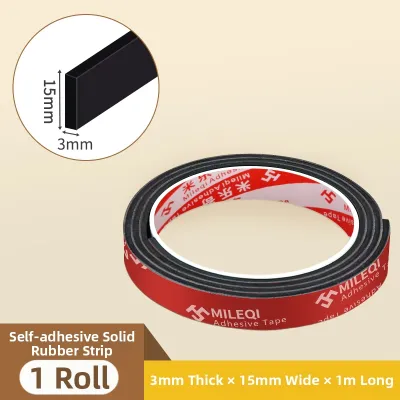
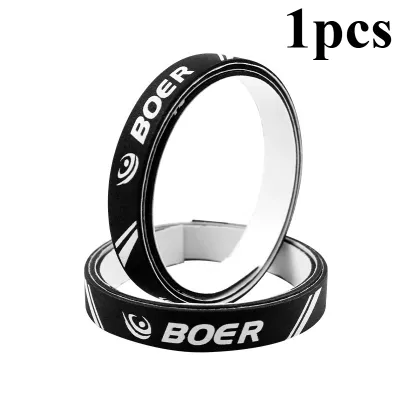
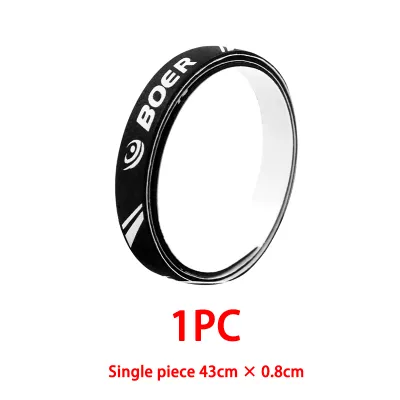
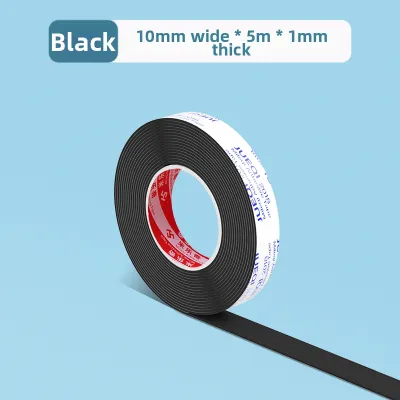
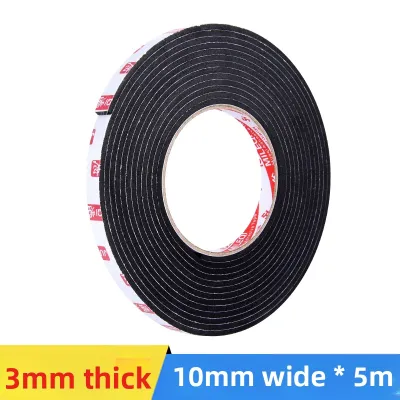
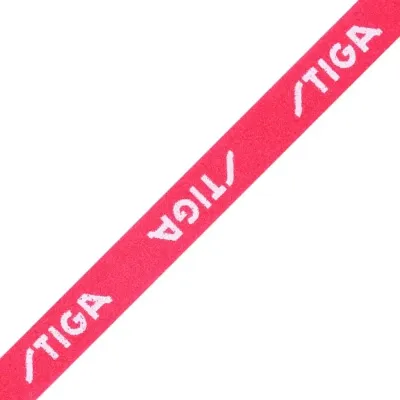
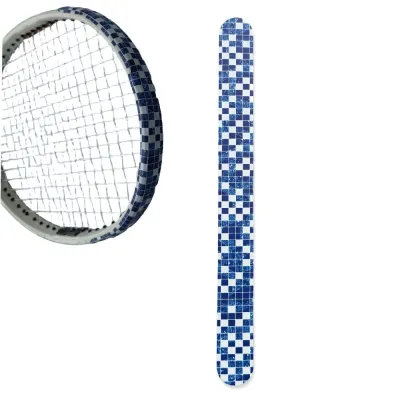
Prices are valid at publication and may change. Please refer to the product page for the latest price.
Without protection, these impacts can cause significant damage. The delicate wood layers, especially the outer plies, can chip or splinter. A hard knock can crush the blade’s core, creating dead spots that ruin the racket’s feel and consistency. Edge tape acts as a crucial bumper, absorbing and dispersing the force of these impacts.
Beyond preventing catastrophic damage, edge tape also protects the edges of your rubber sheets from peeling or tearing away from the blade. By maintaining the blade’s structural soundness and securing the rubbers, edge tape extends the usable lifespan of your entire setup. This ensures your racket plays consistently over time, allowing you to focus on your technique rather than worrying about equipment failure.
Core Selection Criteria: Material, Thickness, and Weight
When you’re ready to choose an edge tape, you’ll need to evaluate its physical properties. Instead of relying on brand marketing alone, focus on three key specifications: the material it’s made from, its thickness, and the resulting weight. Understanding how these factors work together will help you find a tape that provides the right level of protection without negatively impacting your game.

Evaluating Material Types and Cushioning
Table tennis edge tapes are made from various materials, each offering a different level of cushioning and durability. The most common categories include woven fabric, foam-backed synthetics, and thin vinyl or plastic tapes. Woven fabric tapes are often lightweight and flexible, providing good scuff resistance. Foam-backed tapes typically offer the most cushioning, designed to absorb heavier impacts.
When browsing products, check the manufacturer’s specifications for details on material composition and its intended protective qualities. Don’t assume a material’s performance just by its name; look for descriptions that mention shock absorption, durability, or impact resistance. The ideal material provides a balance, offering enough cushioning to protect the blade while being durable enough to resist fraying or peeling after just a few sessions.
Balancing Thickness with Racket Feel
The thickness of the edge tape, usually measured in millimeters, directly correlates with its protective capability. A thicker tape generally contains more cushioning material and provides better protection against hard knocks. Tapes can range from ultra-thin films under 0.5mm to thick, foamy strips of 1mm or more.
However, this protection comes with a trade-off. Thicker tapes add more weight to the perimeter of the racket head. While the total added weight is small—often just a few grams—it can slightly alter the racket’s balance, making it feel more head-heavy. This change may be noticeable to sensitive players and could affect swing dynamics.
To ensure a proper fit, compare the tape’s width to the total thickness of your blade and two rubber sheets combined. The tape should sit flush with the rubber surfaces. A tape that is too narrow leaves a gap, which can snag on the table, while a tape that is too wide might overlap with the playing surface, which is not permitted in official competitions.
Matching Edge Tape to Your Playing Style and Court Conditions
Technical specifications are only part of the story. The best edge tape for you also depends on how you play and where you play. By matching the tape’s features to your specific needs, you can get optimal protection that complements your game.
For aggressive, offensive players who frequently play close to the table, a thicker, high-cushioning tape is often the best choice. If your style involves powerful, low shots that put your racket at risk of hitting the table surface, the extra shock absorption from a foam-based tape can be a blade-saver. The slight increase in head-weight might even be a welcome addition for players who prefer a more head-heavy balance for powerful strokes.
Conversely, defensive and control-oriented players may prioritize racket feel and balance above all else. For these players, an ultra-thin, lightweight fabric tape is more suitable. It provides essential protection against minor scuffs and scrapes without altering the racket’s carefully tuned balance. This ensures that the delicate touch and precise feedback needed for controlled blocks, chops, and placements remain unchanged.
Your playing environment also matters. In a high-humidity climate like Singapore’s, adhesive performance is critical. Before purchasing, check the manufacturer’s notes on the adhesive’s properties. Look for tapes designed to maintain strong adhesion in moist conditions and resist being weakened by sweat. A good quality adhesive will stick securely during play but can also be removed cleanly without leaving a sticky, hard-to-clean residue on the blade’s edge.
Step-by-Step Application and Safe Removal Guide
Properly applying and removing edge tape ensures you get maximum protection without risking damage to your blade. Follow these steps for a clean and secure fit.
Preparation Before you begin, make sure the edge of your table tennis blade is clean and dry. Use a soft, lint-free cloth to wipe away any dust, oil from your hands, or old rubber residue. A clean surface is essential for the new tape’s adhesive to bond properly.
Application Technique Start by peeling a small section of the backing from the tape. Align the tape at the base of the racket head, next to the handle. Press it down firmly and continue applying it around the perimeter of the blade. Apply gentle, consistent tension as you go—enough to keep it straight, but do not overstretch the tape. Overstretching can cause the material to shrink back over time, leading to gaps and peeling.
Use your thumb to smooth the tape down as you apply it, pressing out any air bubbles for a secure, flat finish. Once you’ve circled the entire blade, overlap the start of the tape by about one centimeter and cut the excess with sharp scissors for a clean edge.
Safe Removal When your tape becomes frayed or you want to change it, remove it carefully. Start at one end and peel it back slowly at a low, sharp angle. If the adhesive is particularly stubborn, you may need to apply gentle, low heat. You can use a hairdryer on its lowest, warmest setting, holding it at a safe distance (at least 20-30 cm away) and moving it continuously to avoid concentrating heat on one spot. The warmth can soften the adhesive, making it easier to peel.
Important: If the tape resists removal or if you see any signs of the wood’s top ply lifting, stop immediately. Forcing the tape off could cause irreparable damage. In this case, consult your blade’s manufacturer or a professional at a specialty table tennis shop for advice.
Residue Management If any adhesive residue is left behind, resist the urge to scrape it off or use harsh solvents. First, check your blade manufacturer’s care instructions. Some may approve of specific cleaners, but many chemicals can damage the wood finish or void your warranty. Often, you can remove light residue by gently rolling it off with your thumb or a piece of the old tape.
Pre-Purchase Checklist for Online and In-Store Shopping
Whether you’re shopping at a local sports store or browsing online, use this checklist to ensure you’re buying an authentic and suitable product for your racket.
- Width and Length: First, measure the total thickness of your blade with both rubber sheets attached. Verify that the tape's width is wide enough to cover this entire surface. Next, check the roll's length. A standard roll is typically around 50 cm, which is enough to cover the perimeter of one racket with a small overlap. Longer rolls are available for those who want to tape multiple rackets.
- Adhesive Quality: Look for product descriptions that mention the adhesive. Keywords like "residue-free removal" or specifications such as an "acrylic-based" adhesive are good indicators of quality. If shopping online, checking user reviews for comments on how cleanly the tape comes off can provide valuable insight.
- Compatibility: Always choose a tape that is explicitly marketed for table tennis. Generic tapes, such as electrical or hardware tape, may seem like a cheaper alternative, but their adhesives can be too aggressive and may permanently damage the wood plies of your blade. They also lack the specific flexibility and cushioning properties needed for racket protection.
- Retailer Verification: To guarantee you're getting a genuine product, purchase from authorized table tennis equipment distributors, a brand's official online store, or a reputable sports retailer. This helps you avoid counterfeit products that may fail to perform as advertised and ensures you have access to accurate product specifications and customer support if needed.
Frequently Asked Questions (FAQ)
Does edge tape affect the weight and balance of my racket?
Yes, but the effect is usually minimal. All edge tape adds a small amount of weight (typically 1-3 grams) to the perimeter of the blade. This can make the racket feel slightly more head-heavy. Thicker, foam-based tapes will have a more noticeable impact on balance compared to ultra-thin fabric or vinyl tapes. Most players adapt quickly, but if you are very sensitive to racket balance, opt for the lightest, thinnest tape that still meets your protection needs.
Can I use regular fabric tape instead of specialized table tennis edge tape?
It is strongly advised not to use generic tapes. Specialized table tennis edge tapes are engineered with specific properties for this application. They have the right amount of stretch to conform to the blade’s curve without shrinking, a thickness profile designed for impact protection, and a wood-safe adhesive that holds firmly but can be removed cleanly. Generic tapes lack these features and could damage your blade or offer poor protection.
How often should I replace my blade's edge tape?
There is no fixed schedule; replacement frequency depends on how often you play and the number of impacts the tape endures. You should replace your edge tape as soon as you notice visible signs of wear and tear. This includes significant fraying, deep cuts, areas where the cushioning has been compressed flat, or if the tape begins peeling away from the blade. A compromised tape offers compromised protection, so it’s best to replace it promptly.
Community discussion
Share your experience or ask a question. Comments are reviewed before publication.